A thousand-year mountaintop temple of vast wooden halls, wrapped in cedar forest and film-set fame.
Engyo-ji is an atmospheric mountaintop temple complex on Mount Shosha at the northern edge of Himeji, and one of the great hidden treasures of western Japan. Founded in 966, it has flourished for over a thousand years as a major centre of the Tendai school of Buddhism, and its collection of grand wooden halls scattered through ancient cedar forest offers an experience utterly different from the polished castle in the city below. Many international visitors know it, even unknowingly, as a filming location for the Hollywood film 'The Last Samurai.'
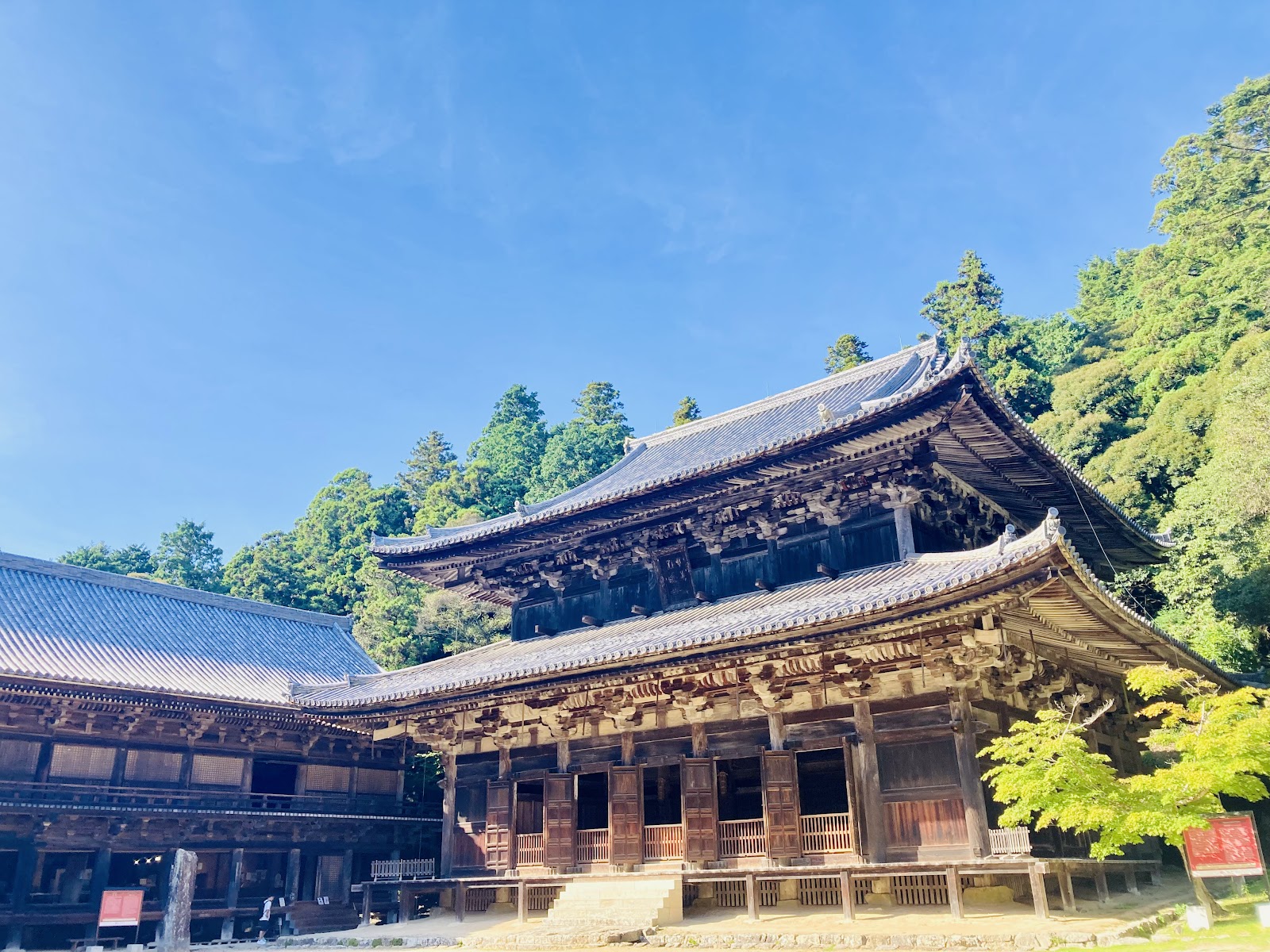
The journey up is part of the appeal. A ropeway climbs the wooded flank of Mount Shosha, and from the upper station a forest path, or a short shuttle bus, leads to the temple buildings dispersed across the mountaintop. The first and most spectacular is the Maniden, a magnificent hall built out over the steep hillside on tall wooden stilts in the same butai, or stage, style as Kyoto's Kiyomizu-dera. Its dark timber platform juts dramatically over the treetops, and when morning mist drifts through the cedars the effect is genuinely otherworldly.
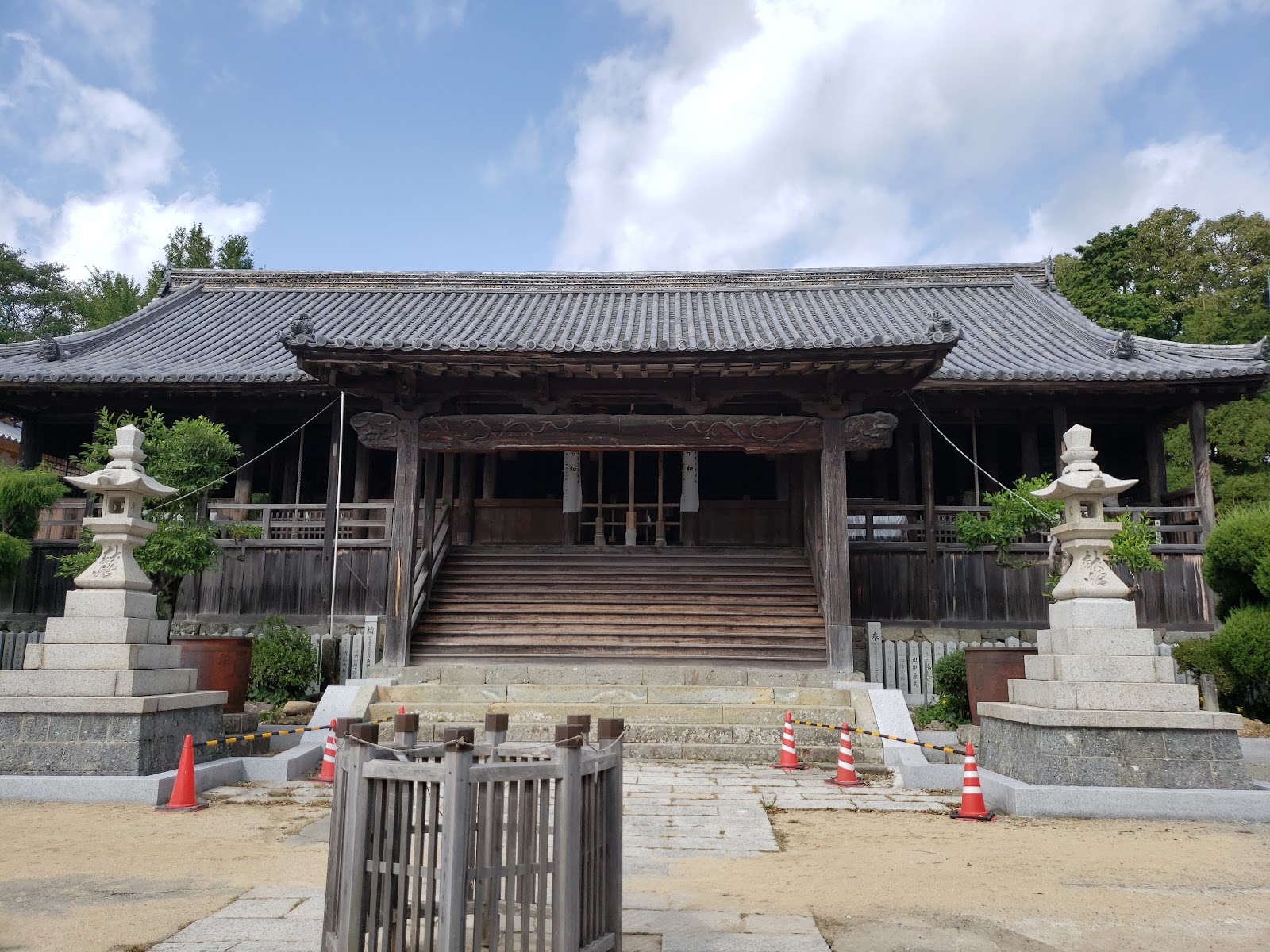
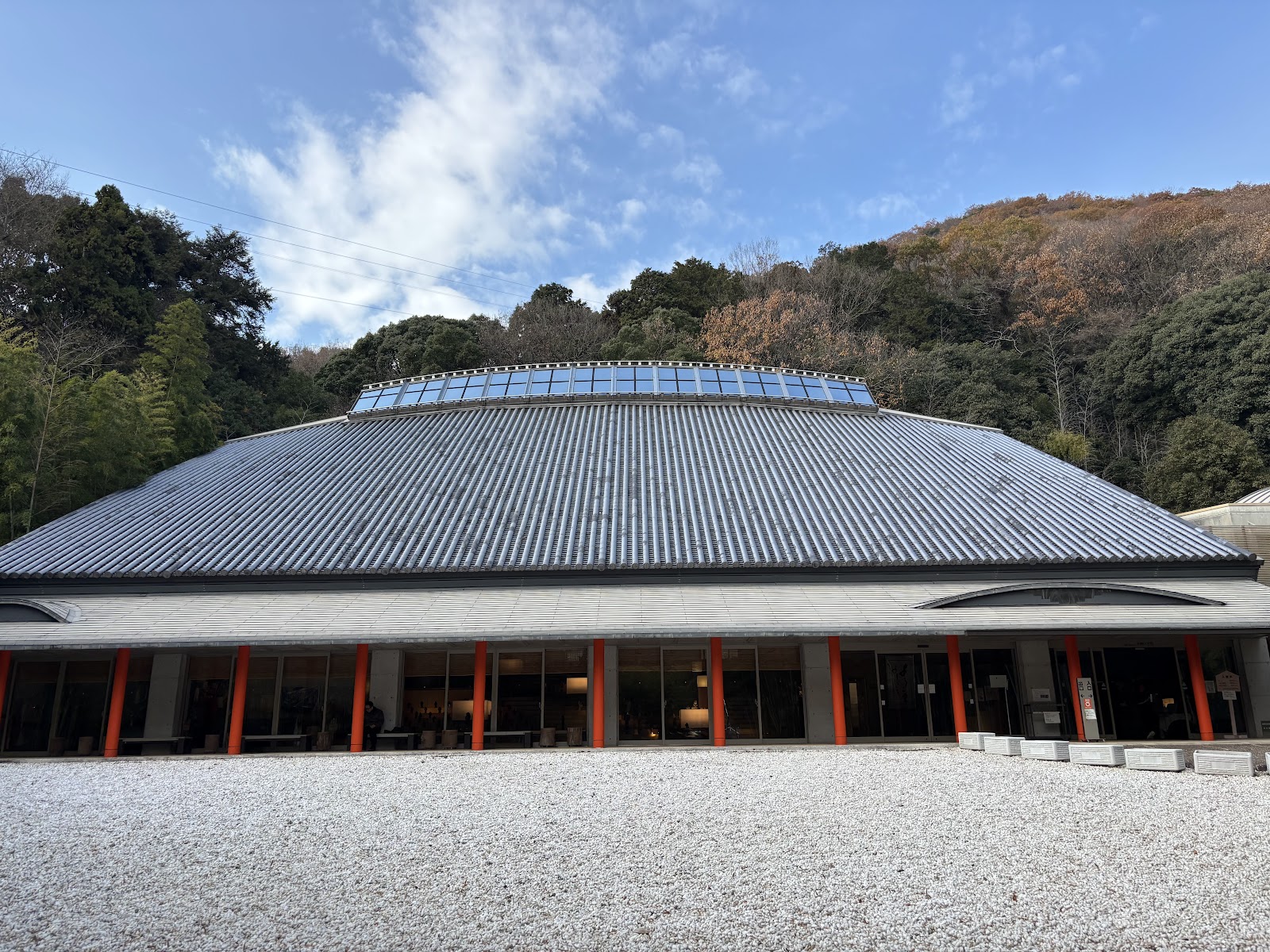
Deeper into the forest lies the temple's ceremonial heart, a broad grassy clearing flanked by three imposing wooden halls known as the Mitsunodo. These massive, austere structures, the Daikodo lecture hall, the Jikido dormitory and refectory, and the Jogyodo, face one another across the open space and create a scene of such timeless gravity that they were used as a backdrop in 'The Last Samurai.' The Jikido now displays temple treasures and Buddhist statuary. Elsewhere among the trees stand the Okunoin inner sanctuary, the founder's hall, and the graves and memorial halls of the powerful families who patronised the temple, including the Honda clan who once held Himeji Castle.
Engyo-ji remains a working monastic complex, and its air of quiet devotion, incense drifting between the dark halls and pilgrims walking the forest paths, sets it apart from more touristy temples. The mountaintop setting means constant birdsong, cool air and, in autumn, brilliant maple colour that draws photographers; spring brings cherry and fresh green. Visitors can also enjoy a traditional shojin ryori Buddhist vegetarian meal in one of the halls with advance arrangement, a memorable way to experience the temple's living tradition.
A visit takes half a day and involves real walking on forest paths and some steps and slopes, so sturdy shoes are advisable; a shuttle bus assists those who prefer not to walk the full circuit, and the ropeway removes the steepest climb. Restrooms, a tea house and a small shop are available near the halls. The temple entrance fee is modest, with the ropeway charged separately.
Getting here from central Himeji takes a little planning but is straightforward: frequent Shinki buses run from JR Himeji Station to the ropeway base in under half an hour, then the cable car lifts you into the forest. Pairing Himeji Castle in the morning with Engyo-ji in the afternoon makes for a superb full day, contrasting the white splendour of Japan's greatest fortress with the misty, meditative grandeur of one of its finest mountain temples.
A local's tip
This is where 'The Last Samurai' was filmed — the vast wooden Maniden hall built out on stilts over the hillside is most magical when autumn mist drifts through the cedar forest.
Best time to visit
Autumn for foliage; misty mornings for atmosphere
Getting there
From JR Himeji Station take a Shinki bus (about 25-30 minutes) to the Mount Shosha Ropeway base, ride the cable car up, then walk or take a shuttle to the temple halls.
Good to know
- Gift Shop
- Restrooms
- Tea House
- Shuttle Bus
Plan the whole trip offline
Engyo-ji Temple (Mount Shosha) is one of many places in the Real Japan app — with turn-by-turn directions, nearby spots and full offline maps you can use with no signal.