Buddhist vegetarian temple cuisine eaten within the mountaintop halls of Engyo-ji on Mount Shosha, by advance reservation.
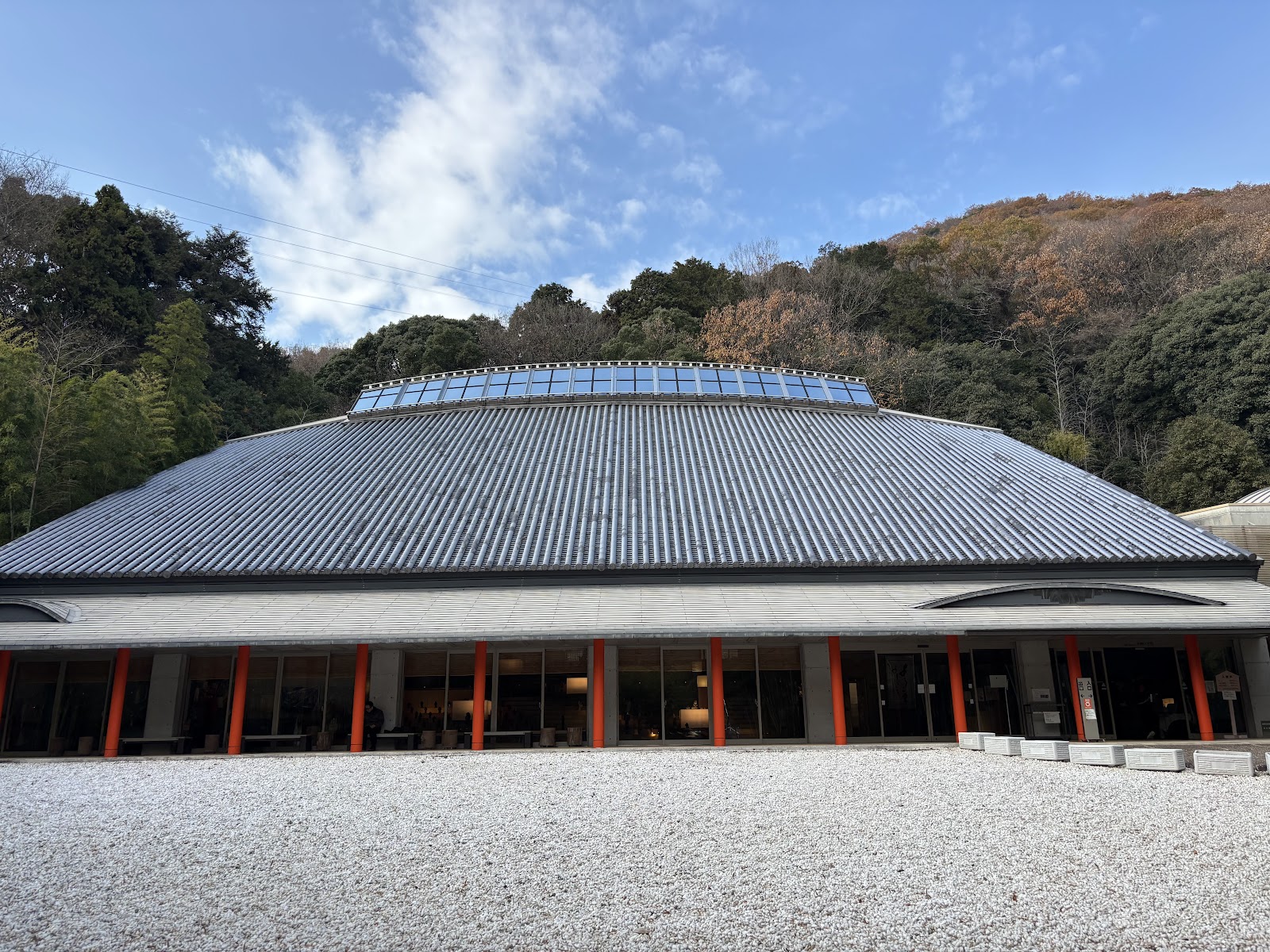
High on Mount Shosha above Himeji, the great temple complex of Engyo-ji offers one of the region's most memorable meals: shojin ryori, the refined Buddhist vegetarian cuisine that monks have eaten for centuries. Founded in 966, Engyo-ji is a major temple of the Tendai sect and a place of active monastic training, and its temple-cuisine experience lets visitors share, for one meal, in the disciplined, seasonal way the monks eat. It is served in the temple's dining hall (the Jikido) and must be arranged by advance reservation.
Shojin ryori is built on Buddhist principles that avoid meat, fish and pungent ingredients like garlic and onion, drawing flavor instead from vegetables, tofu, seasonal mountain produce, sesame, seaweed and dashi made without animal products. The result is a beautifully balanced set of small dishes, simmered vegetables, tofu preparations, pickles, rice and soup, that is at once light and deeply satisfying. The cooking follows the seasons closely, so the exact menu shifts through the year, and the meal is meant to be eaten mindfully, in keeping with the temple setting. For vegetarian and vegan travelers it is a rare chance to eat a full, authentic Japanese meal with confidence.
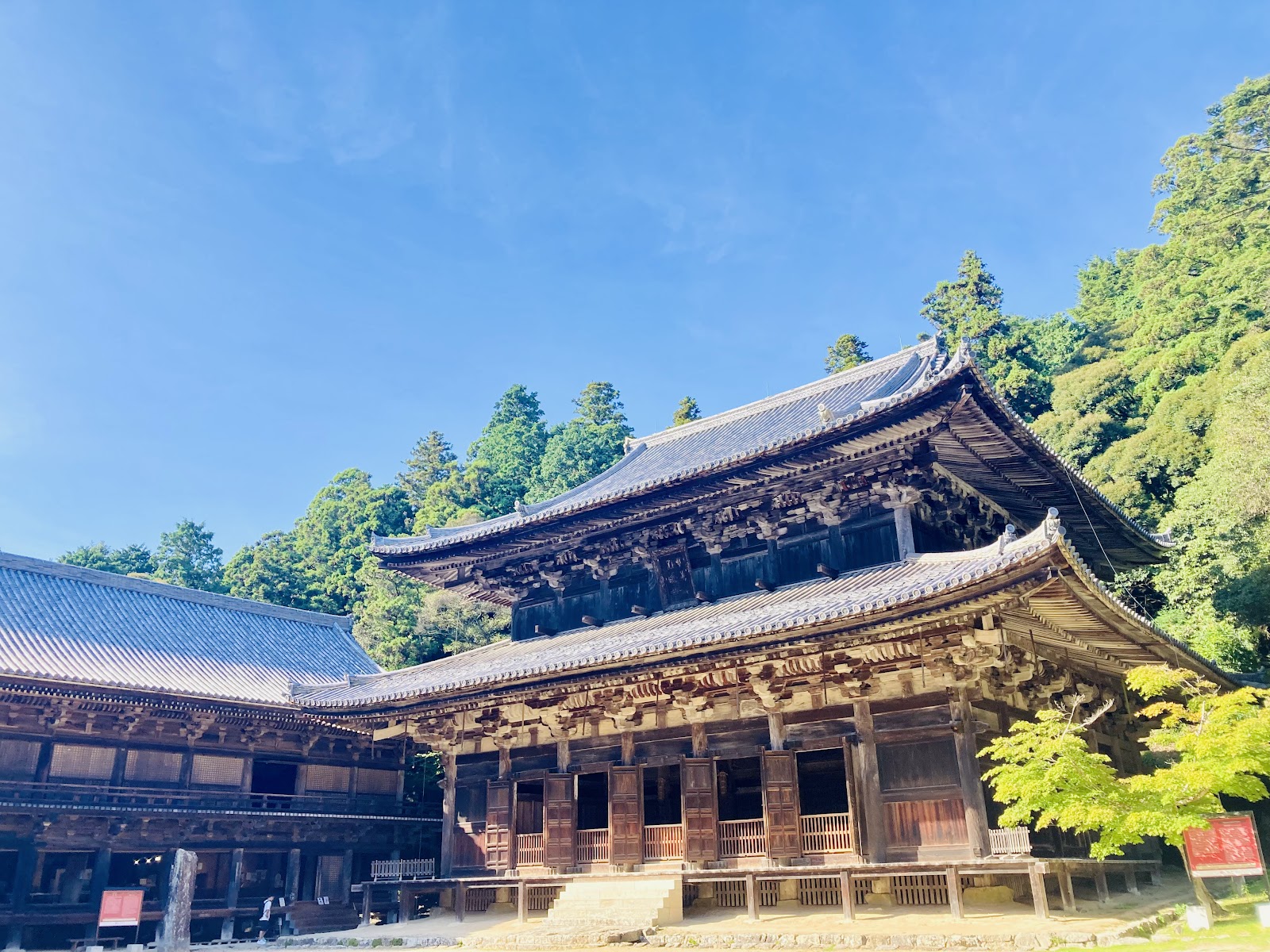
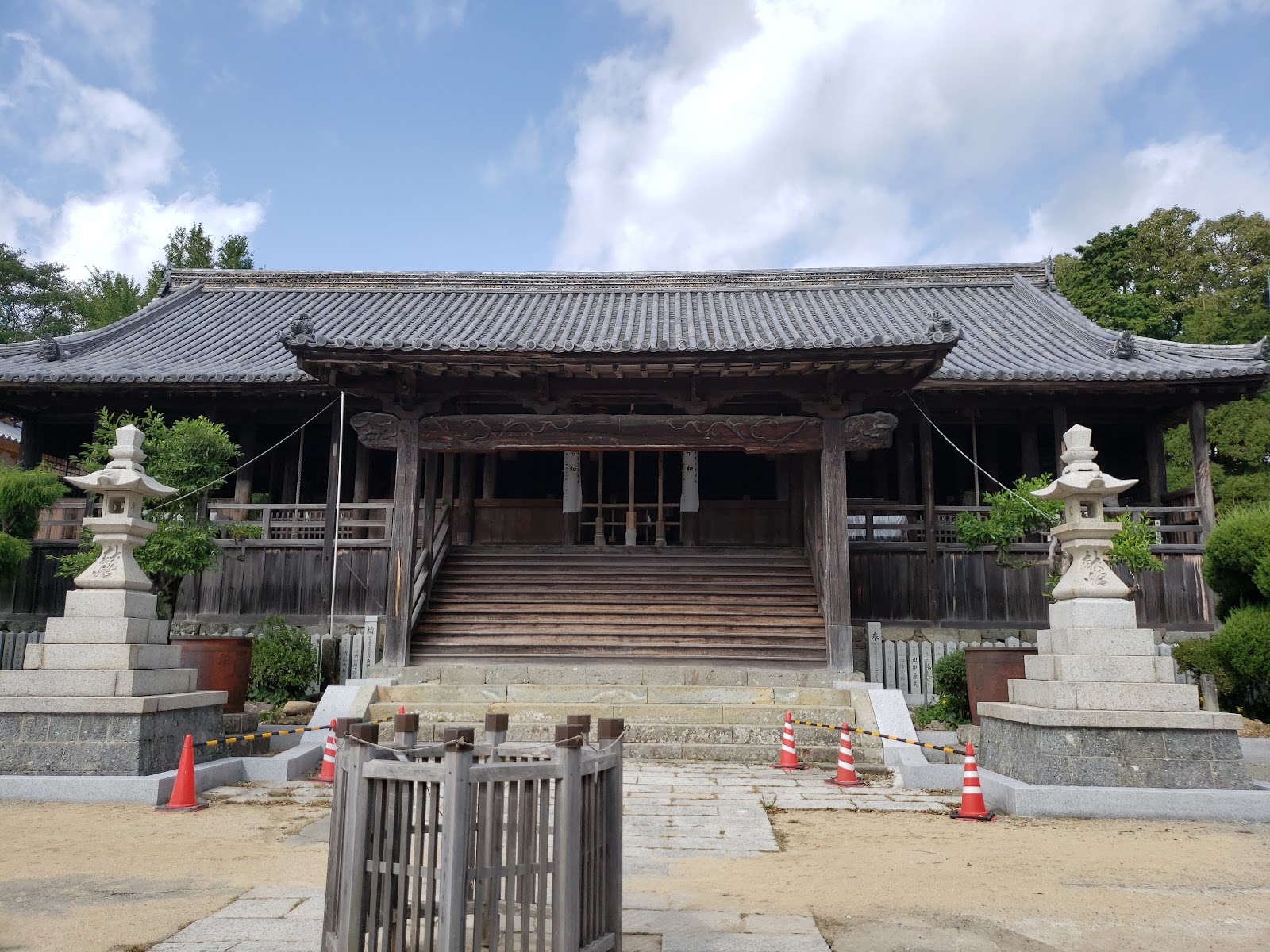
The surroundings elevate the food into an experience. Engyo-ji sits amid towering cedars on the mountain, and its architecture is extraordinary: the Maniden, a hall built out over the slope on stilts in the manner of Kyoto's Kiyomizu-dera, and the three massive wooden halls of the Mitsunodo, whose grandeur famously served as a filming location for the movie The Last Samurai. Walking among these buildings before or after the meal, often through mist or autumn color, gives the cuisine a contemplative frame that a city restaurant simply cannot match.
This is a cultural outing as much as a meal, and it rewards a little planning. The temple-cuisine set requires booking ahead, typically at least a day in advance, and involves temple admission on top of the meal price. Reaching the top takes some effort, a bus, a ropeway and a walk, so it suits travelers who want a half-day immersion rather than a quick bite. Comfortable shoes help, as the temple grounds are spread across the mountainside.
Lunch is when the shojin ryori is served, making it the natural centerpiece of a day trip to Mount Shosha. Every season has its appeal: fresh green in spring and summer, and especially vivid maple foliage (koyo) in autumn, when the mountain is at its most beautiful. Winter brings a serene, quiet atmosphere to the halls.
Getting there takes a few steps but is well signposted. From JR Himeji Station, take a Shinki bus bound for Mount Shosha (roughly 25 to 30 minutes) to the ropeway base station, ride the Mount Shosha Ropeway up the mountain, then follow the path to the temple's main halls and the dining hall. Because the meal is by reservation, arrange it with the temple before you set out, and allow ample time for the bus, ropeway and uphill walk so you arrive relaxed and on schedule.
A local's tip
Reserve the temple-cuisine set at least a day ahead; combine it with the atmospheric walk past the Maniden and the great wooden halls used as a filming location for The Last Samurai.
Best time to visit
Lunch
Getting there
From JR Himeji Station take a Shinki bus (about 25-30 minutes) to the Mount Shosha ropeway base, ride the ropeway up, then walk to Engyo-ji's Jikido hall. The shojin ryori meal must be booked in advance through the temple.
Good to know
- Restrooms
- Vegetarian
- Reservation required
Plan the whole trip offline
Engyo-ji Shojin Ryori (Temple Cuisine) is one of many places in the Real Japan app — with turn-by-turn directions, nearby spots and full offline maps you can use with no signal.