Cable car up sacred Mount Shosha to sweeping Harima Plain views and the Engyo-ji temple complex.
The Mount Shosha Ropeway is the scenic gateway to one of western Japan's most storied mountains, carrying visitors from the valley floor to a forested summit crowned by the ancient Engyo-ji temple. In just about four minutes the cable car climbs some 200 meters, and as it rises the Harima Plain unfolds below — a patchwork of rice fields, rooftops, and, on clear days, the distant shimmer of the Seto Inland Sea. It is a short ride, but the sense of leaving the ordinary world behind for a sacred realm is immediate and deliberate.
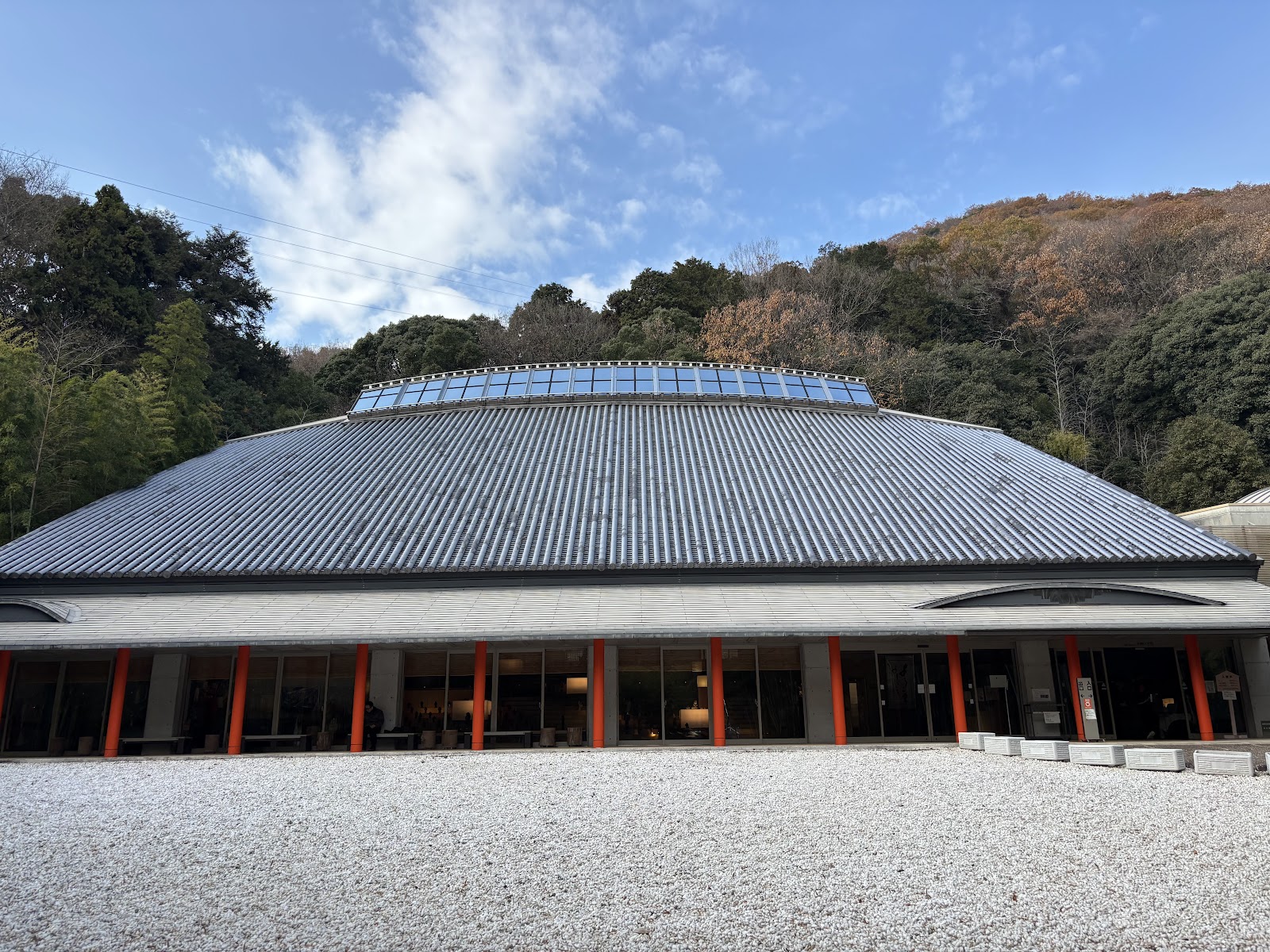
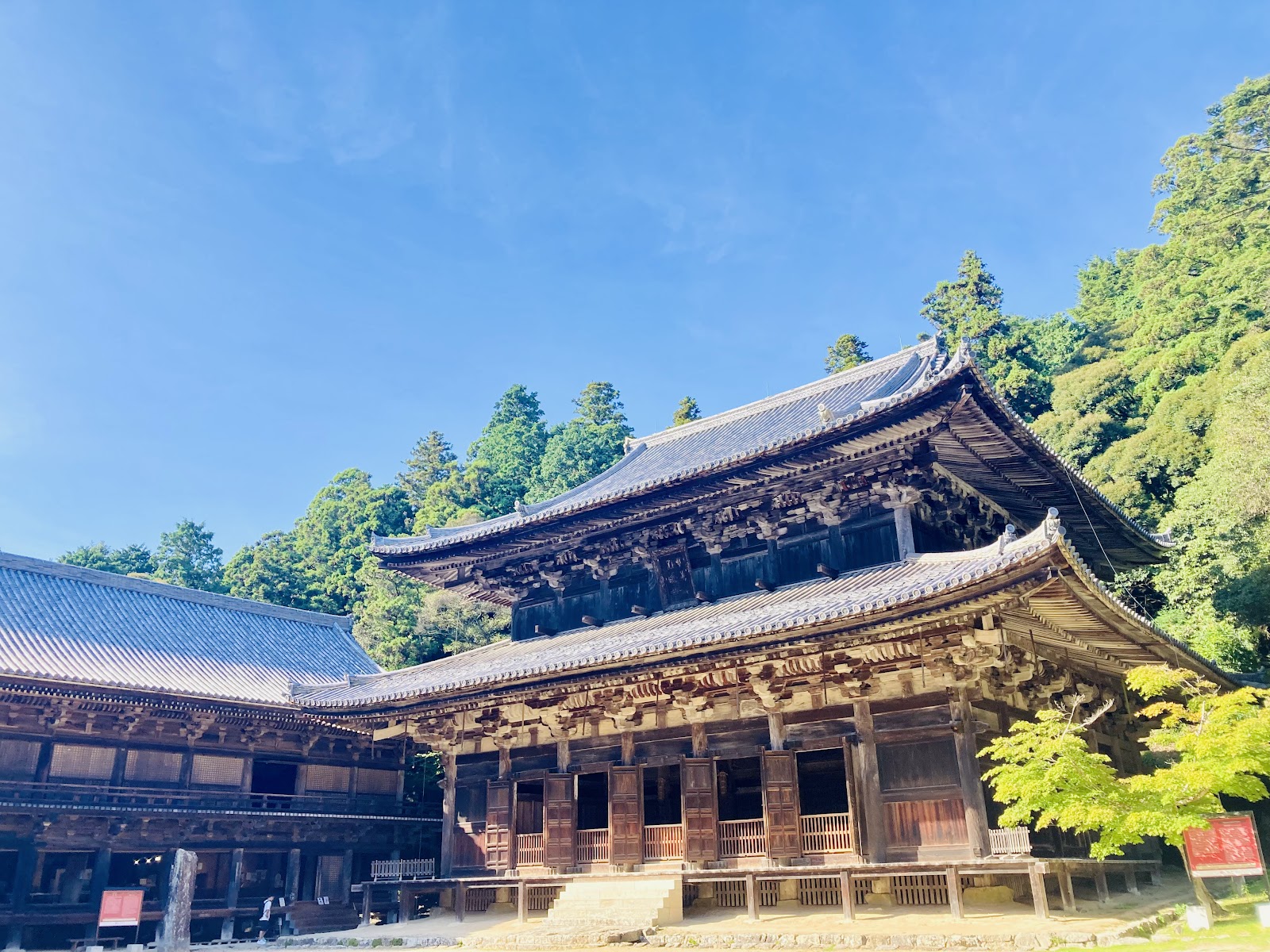
Mount Shosha has been a place of Buddhist practice for more than a thousand years, and the ropeway exists to serve the pilgrims and travelers who come to reach Engyo-ji, the mountaintop monastery founded in 966. The upper station opens onto walking paths that wind through towering cedars toward the temple's great wooden halls, including the dramatic Maniden built on stilts against the hillside and the trio of massive timber halls known as the Mitsunodo. These very buildings drew Hollywood's attention: several scenes of the film "The Last Samurai" were shot here, and the mossy, mist-wrapped cedar groves look every bit the part.
From the summit station's observation area, the view over Himeji is genuinely rewarding. Benches and a small cafe let you linger over the panorama, and photographers prize the golden light of late afternoon. In autumn the maples that dot the slopes turn brilliant red and orange, framing the temple roofs and the plain beyond; in spring, cherry and fresh green soften the mountain. Because the summit sits at around 370 meters, the air is noticeably cooler than the city, a welcome relief in the humid months.
Practically, the ropeway runs frequently throughout the day, and a round-trip ticket is inexpensive. From the upper station you can walk about ten to fifteen minutes to the temple's main gate, or take a short shuttle bus that spares you the steepest section — a good option in summer or for those with limited mobility. Allow at least ninety minutes to two hours for the full experience: the ride up, exploration of the temple grounds, and time to soak in the views before descending.
The ropeway and the mountain reward an unhurried visit. Come in the morning to beat the crowds and catch the clearest air, wear comfortable shoes for the forest paths, and consider pairing the trip with lunch back in the city. For travelers who have already admired Himeji Castle's dazzling exterior, Mount Shosha offers the perfect counterpoint — a serene, elevated world of ancient timber, deep cedar shade, and a view that makes the whole plain feel like it lies at your feet.
A local's tip
Buy a combined ropeway-and-temple ticket at the base and take the small on-mountain shuttle bus toward the Maniden hall to save a steep uphill walk in summer heat.
Best time to visit
Autumn for maple colors; clear mornings
Getting there
From Himeji Station north exit, take the Shinki bus bound for Mount Shosha Ropeway (about 30 minutes) to the last stop, then board the cable car at the base station. The ropeway climbs to the summit in roughly four minutes.
Good to know
- Cafe
- Parking
- Restrooms
Plan the whole trip offline
Mount Shosha Ropeway is one of many places in the Real Japan app — with turn-by-turn directions, nearby spots and full offline maps you can use with no signal.