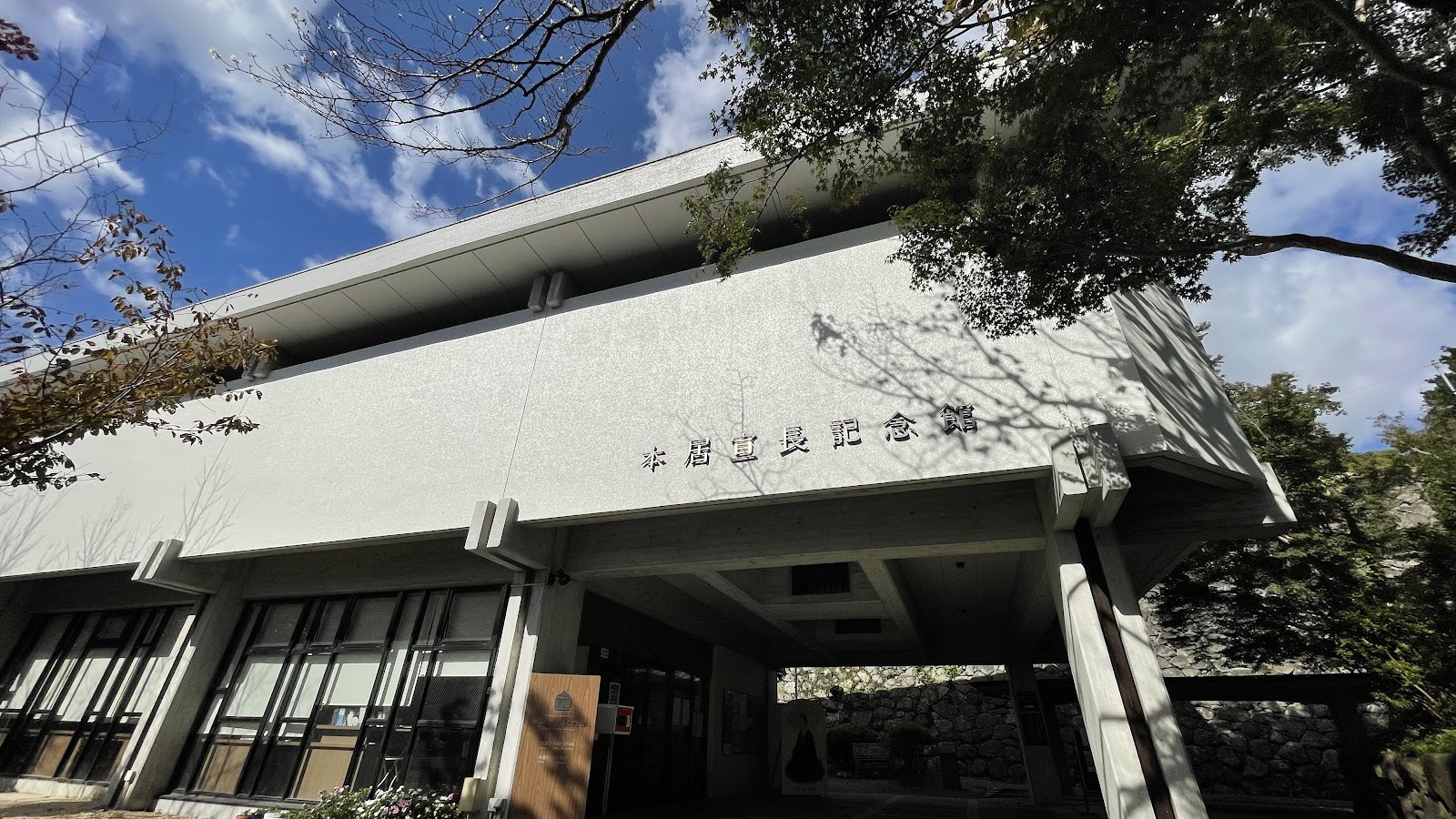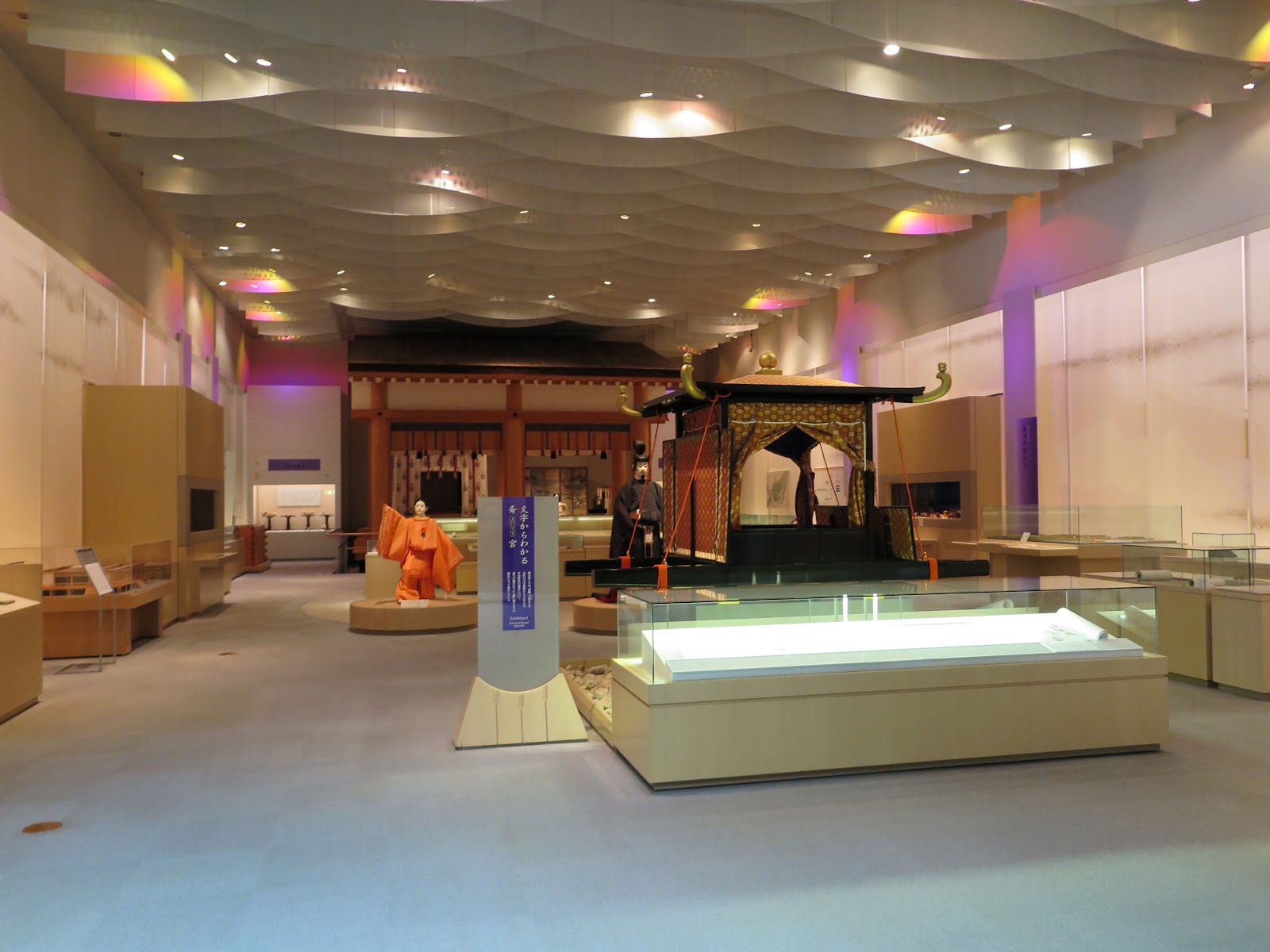
Free museum on the ruins of Saiku, the ancient palace of the imperial princesses who served Ise Jingu.
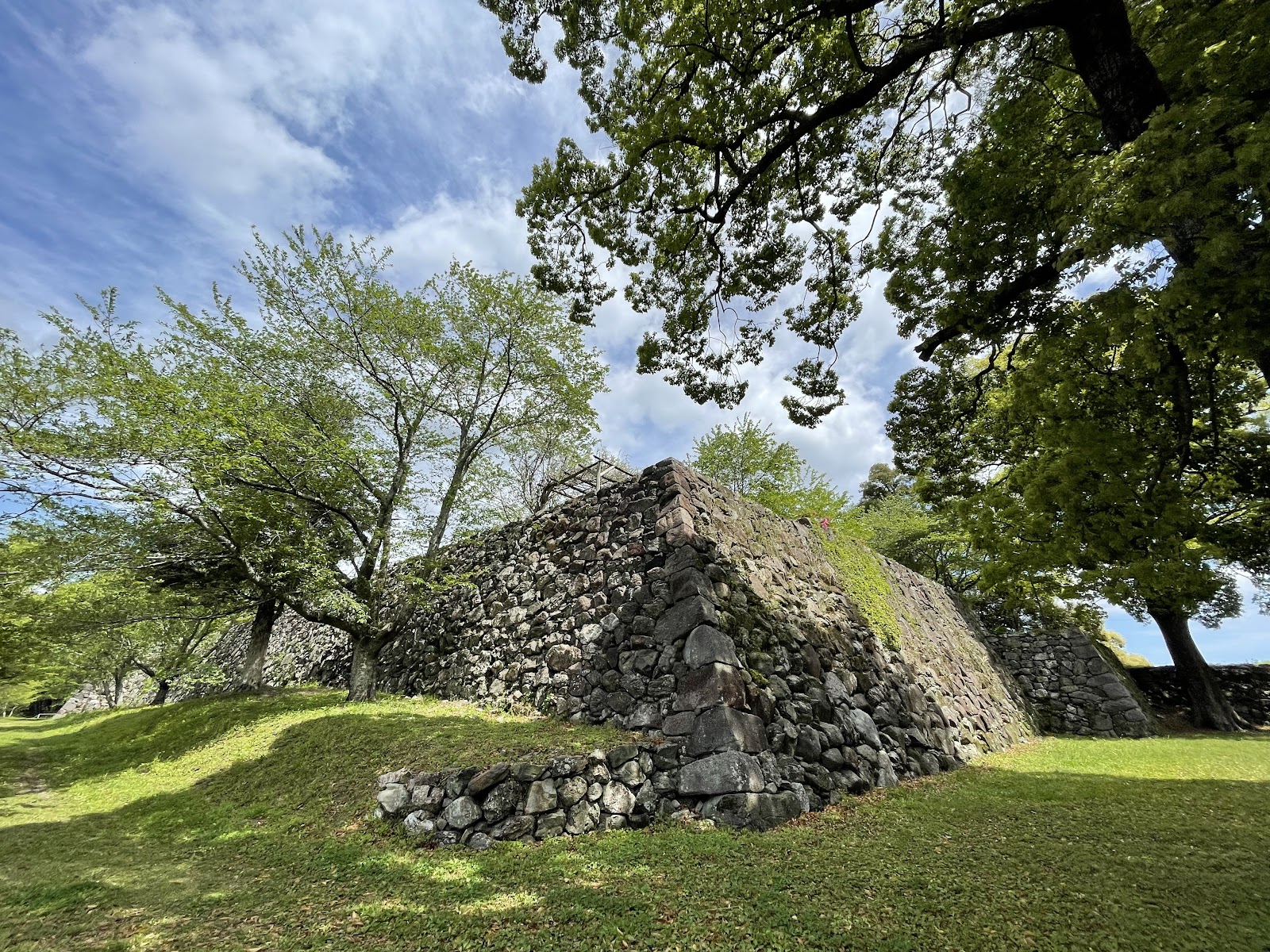
The Saiku Historical Museum sits amid one of the most evocative and least-known archaeological sites in Japan: the ruins of Saiku, the vanished palace-town from which, for more than 600 years, unmarried imperial princesses served as the sacred priestess-representatives to Ise Jingu. Known as the Saio, each princess was chosen from the imperial family and sent to live at Saiku, some distance from the shrine itself, dedicating her life to ritual purity on behalf of the emperor. At its height in the Heian period the settlement housed over a hundred buildings and more than five hundred officials and attendants, a small government town devoted entirely to the service of the shrine — and then it faded, was abandoned, and was buried beneath rice fields for centuries until excavations rediscovered it.
The museum, which is free to enter, tells this remarkable and rather romantic story. Displays present the artefacts unearthed from the site — pottery, roof tiles, wooden tablets, ritual implements and everyday objects — alongside models and illustrations that reconstruct the layout and life of the palace. The narrative of the Saio herself is the emotional heart: a young woman of the highest birth, ritually purified and escorted in a grand procession from the capital to this remote place, cut off from ordinary life and often from ever returning home. The system endured from the seventh century until the fourteenth, and the museum brings its elegance and its melancholy vividly to life.
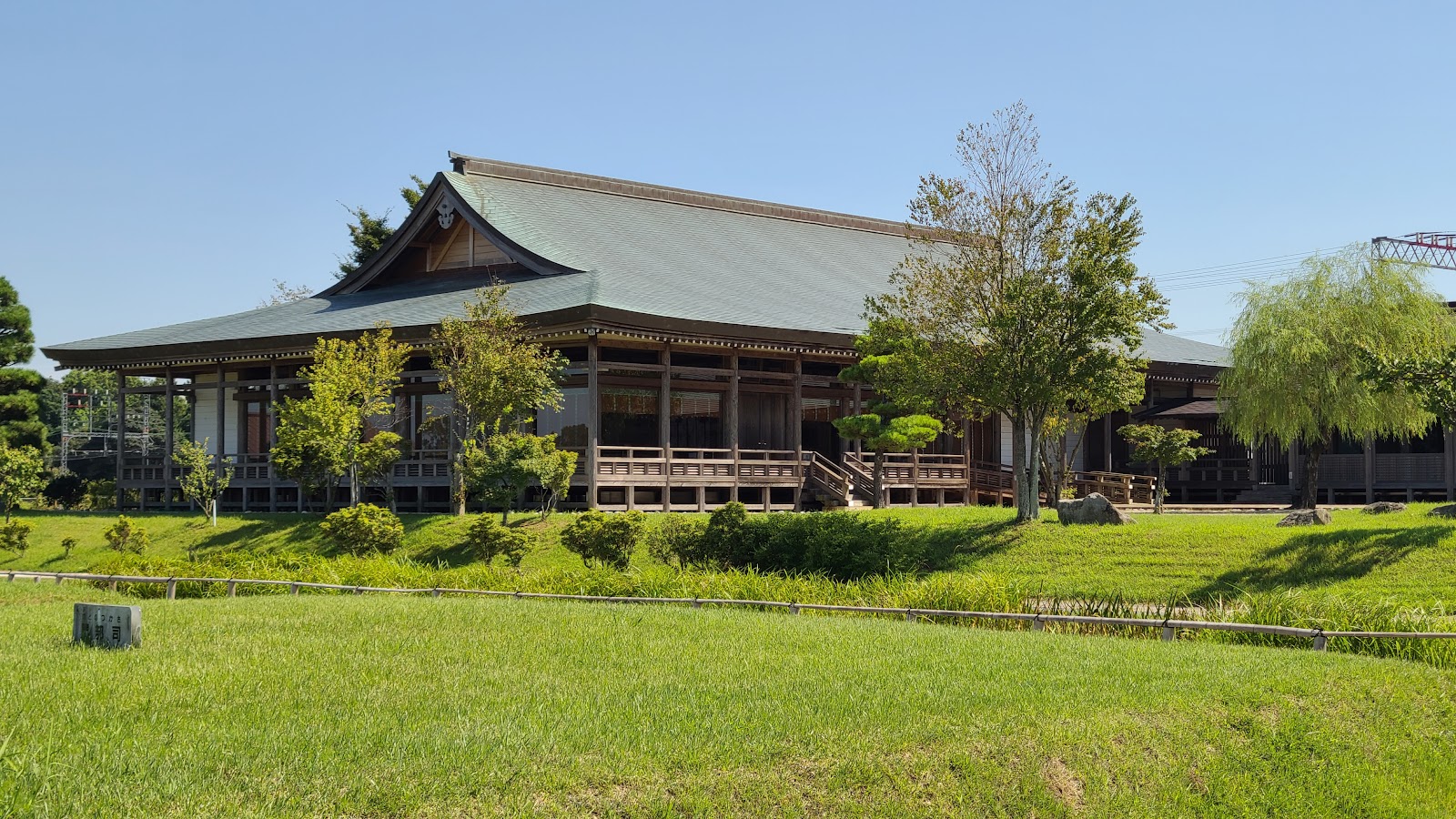
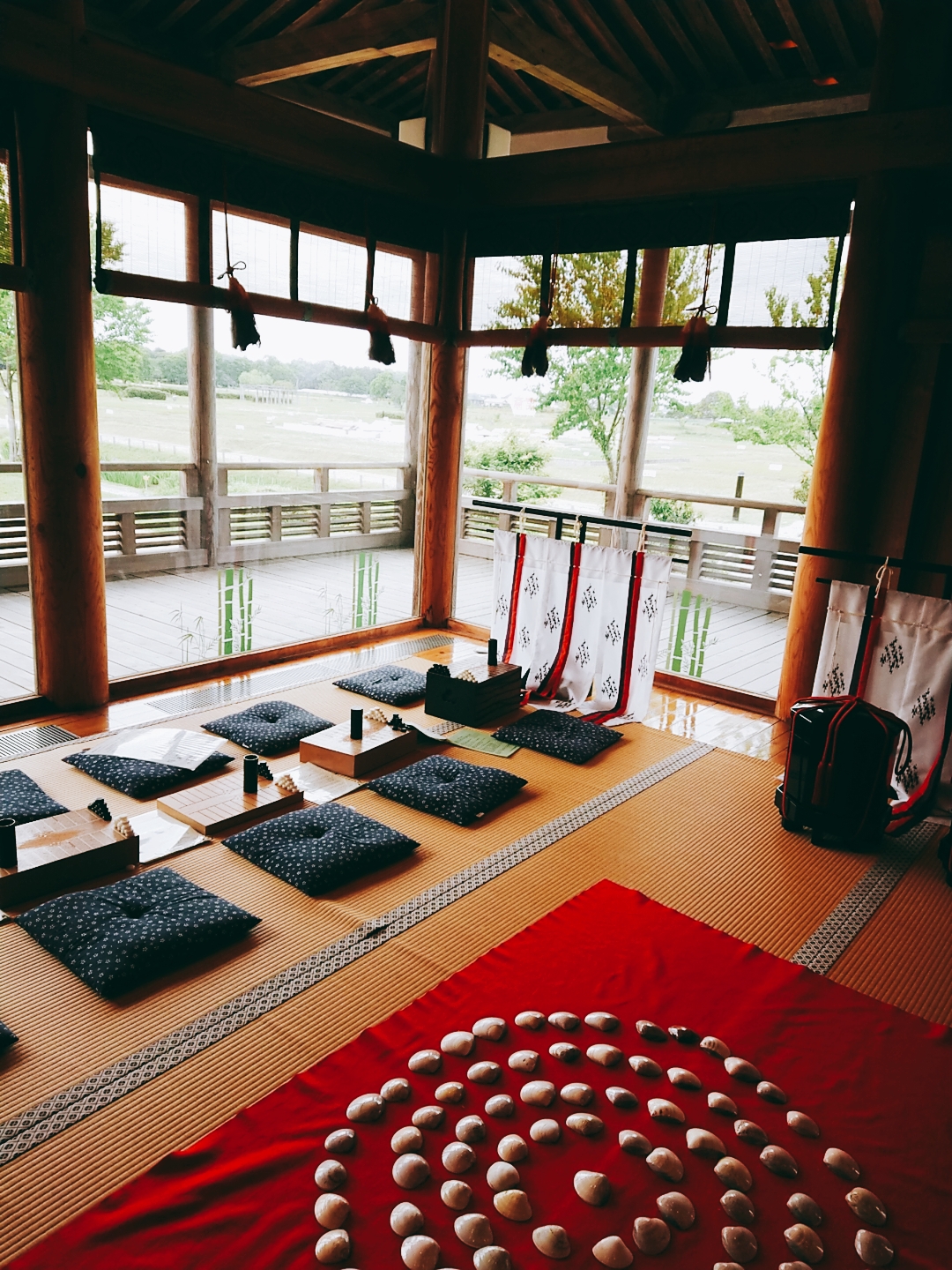
What makes Saiku special is that the ruins have been left as open, walkable parkland rather than built over. Around the museum stretch the wide, grassy foundations of the ancient town, dotted with markers and, a short distance away, full-scale reconstructions of Heian-period palace buildings where visitors can imagine the rituals and daily routines of the Saio and her court. Nearby, a companion facility, the Itsukinomiya Hall of History, offers costumed experiences and a beautifully recreated Heian hall, making the whole site a rewarding half-day.
The grounds are especially lovely in spring, when cherry trees bloom along the field paths, and the flat, open landscape is a pleasure to explore on foot or by rental bicycle from the adjacent Saiku Station. Because the palace complex was so large, cycling is the best way to take in the full extent of the ruins and reach the reconstructed buildings without a long walk.
For travellers, Saiku is a chance to encounter a side of the Ise story that the shrines themselves never mention — the human institution of the priestess-princesses, and the town built to sustain it. Reached in a five-minute walk from Saiku Station, roughly fifteen minutes by Kintetsu train from central Ise toward Matsusaka, and free to enter, it is an easy and genuinely enriching addition to an Ise itinerary, particularly for anyone drawn to Heian history and quiet, atmospheric places off the tourist trail.
A local's tip
Admission is free, and the wide open ruins around it are lovely to stroll — rent a bicycle at the station to reach the reconstructed buildings a short ride away.
Best time to visit
Spring, when cherry blossom lines the palace-site fields
Getting there
A 5-minute walk from Saiku Station on the Kintetsu Yamada Line, about 15 minutes by train from Iseshi Station toward Matsusaka; the museum sits amid the excavated palace grounds.
Good to know
- Parking
- Restrooms
- English signage
Plan the whole trip offline
Saiku Historical Museum is one of many places in the Real Japan app — with turn-by-turn directions, nearby spots and full offline maps you can use with no signal.