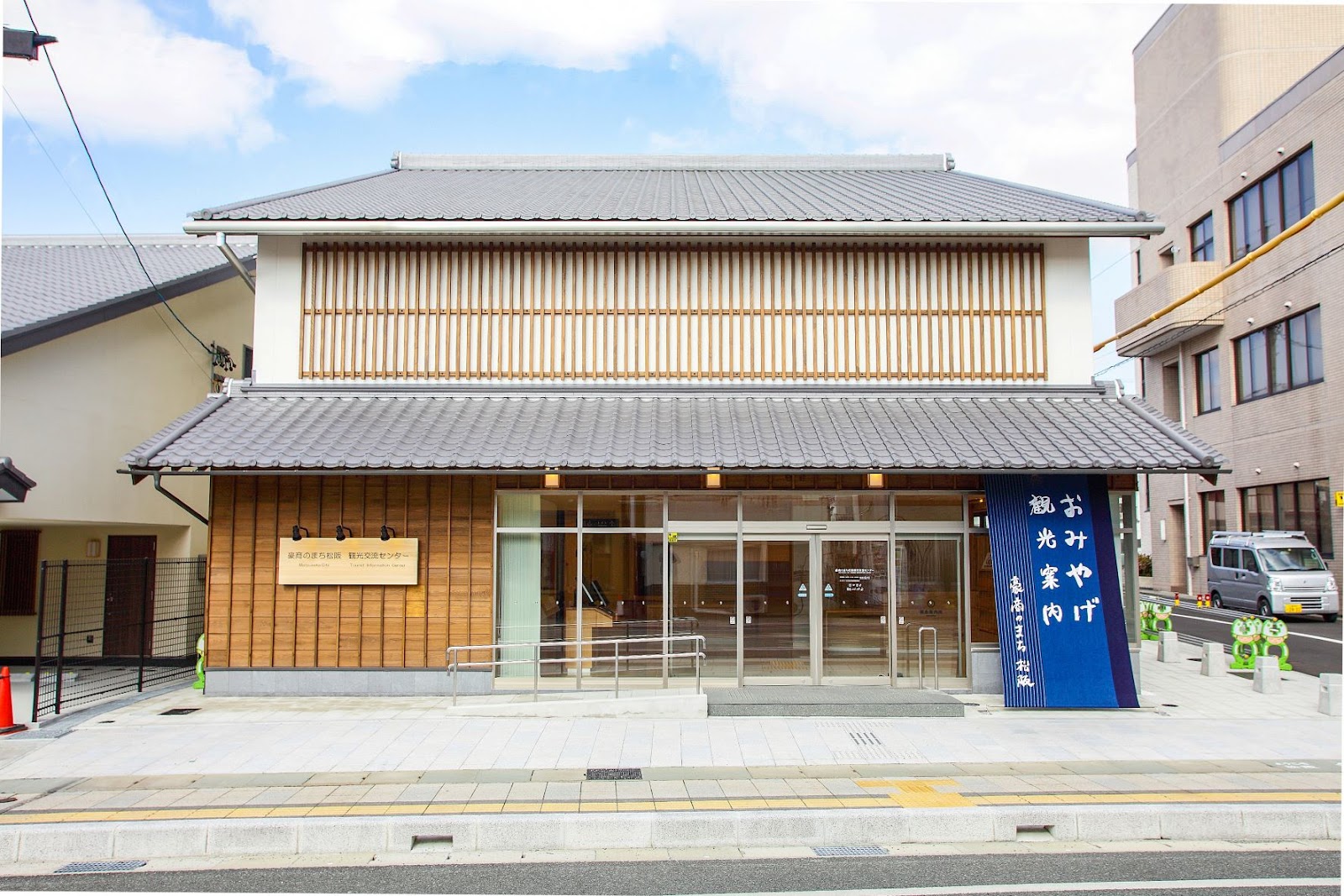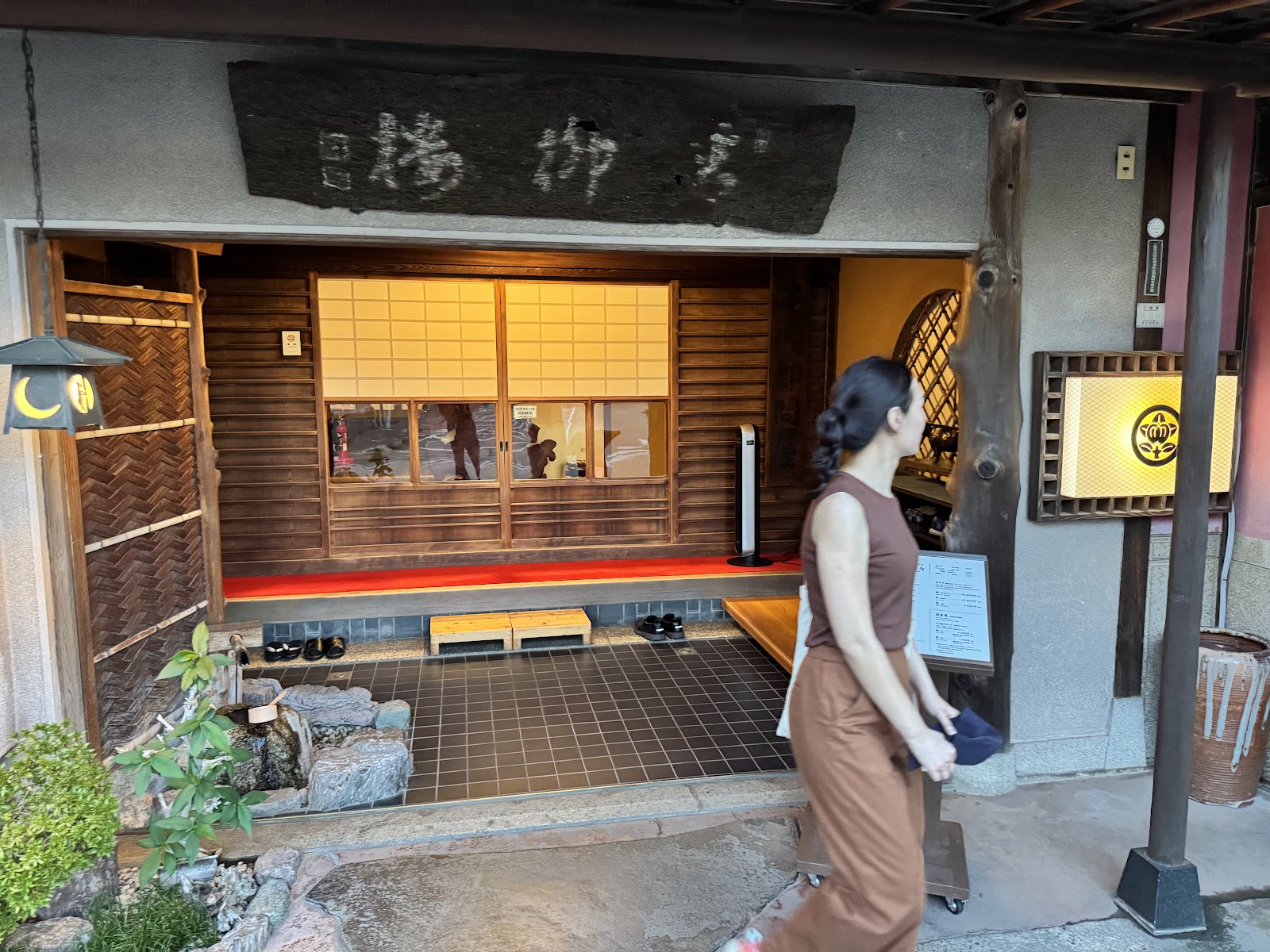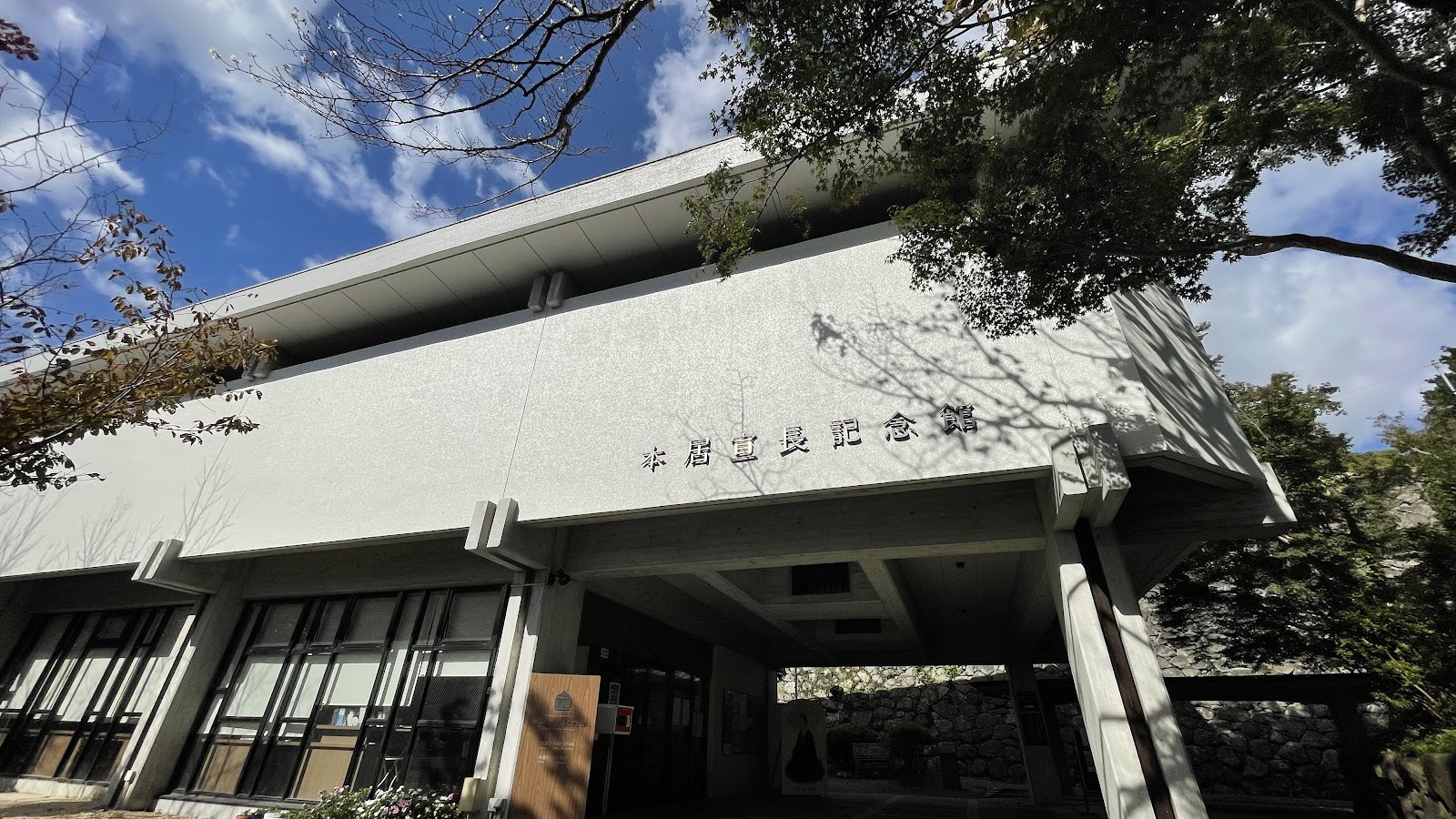
A museum in the Matsusaka Castle grounds honouring Motoori Norinaga, the great Edo-period scholar of Japanese classics, with his preserved study alongside.
The Museum of Motoori Norinaga, set within the pine-shaded grounds of the Matsusaka Castle ruins, celebrates one of the towering intellects of Edo-period Japan. Motoori Norinaga (1730-1801), a physician and scholar born in Matsusaka, was the leading figure of the Kokugaku or "National Learning" movement, and his lifetime of study reshaped how Japan understood its own literature, language and identity. For anyone interested in the history of Japanese thought, this quietly absorbing museum is a place of real significance.
Norinaga's monumental achievement was his interpretation of the Kojiki, Japan's oldest surviving chronicle, a text written in the 8th century in an archaic and largely impenetrable script. Over some thirty-five years of painstaking work he produced the Kojiki-den, a vast annotated commentary that made the ancient chronicle readable again and laid the foundations for the modern study of classical Japanese. He also wrote influential studies of the Tale of Genji and Japanese poetry, championing the aesthetic ideal of mono no aware, the bittersweet sensitivity to the fleeting beauty of things that lies close to the heart of Japanese culture. All this he accomplished while working by day as a practising doctor.
The museum preserves and displays an exceptional collection connected to him, including manuscripts, letters, personal belongings, scholarly instruments and books, many designated Important Cultural Properties. The exhibits trace his life from his Matsusaka childhood through his medical training and his decades of nocturnal scholarship, illuminating both the man and the intellectual world of 18th-century Japan. Even for visitors who cannot read the classical texts on display, the sheer dedication embodied in these documents, and the clear explanations of his ideas, make for a rewarding visit.
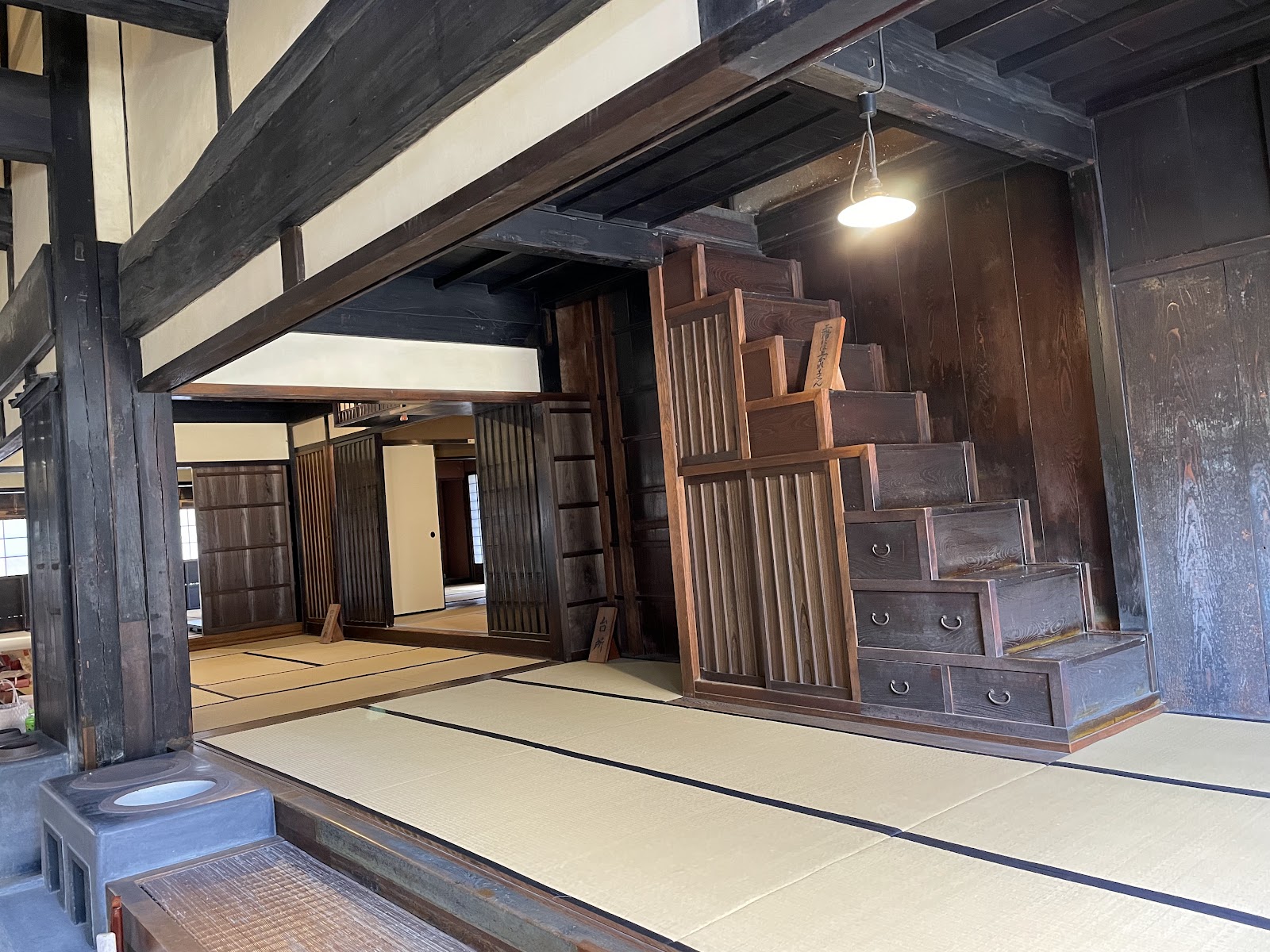
A special attraction stands right beside the museum: Suzunoya, Norinaga's own study, relocated into the castle grounds and preserved. This modest wooden building includes the small upstairs room where he wrote and taught, its simplicity a striking contrast to the magnitude of the work produced within it. Seeing the actual desk-space of so influential a thinker brings his story vividly to life and is the visit's most memorable moment.
The setting adds further appeal. The Matsusaka Castle ruins, with their massive stone walls and hilltop views, are among the finest surviving castle grounds in the region, beautiful in cherry-blossom season and pleasant to explore in any weather. The neighbouring Gojoban Yashiki samurai residences and the merchant streets of Matsusaka, once home to some of Japan's wealthiest Edo-period traders, round out a rich half-day of history in the town.
The museum is about a fifteen-minute walk from Matsusaka Station, served by both the Kintetsu Yamada Line and the JR Kisei Main Line, and easily reached as a short trip from Ise. Admission is modest and an hour is enough to take in the displays and Suzunoya next door. For a deeper understanding of how Japan came to read and treasure its own ancient literature, and of the extraordinary scholar who made it possible, this is one of the most meaningful small museums in Mie Prefecture.
A local's tip
After the museum, step next door into Suzunoya, Norinaga's actual relocated study, to see the tiny upstairs room where he wrote for decades.
Best time to visit
Combine with the Matsusaka Castle ruins and samurai district
Getting there
About a 15-minute walk from Matsusaka Station, within the grounds of the Matsusaka Castle ruins park. From Ise, Matsusaka is a short ride on the Kintetsu or JR line.
Good to know
- Gift Shop
- Restrooms
Plan the whole trip offline
Museum of Motoori Norinaga is one of many places in the Real Japan app — with turn-by-turn directions, nearby spots and full offline maps you can use with no signal.