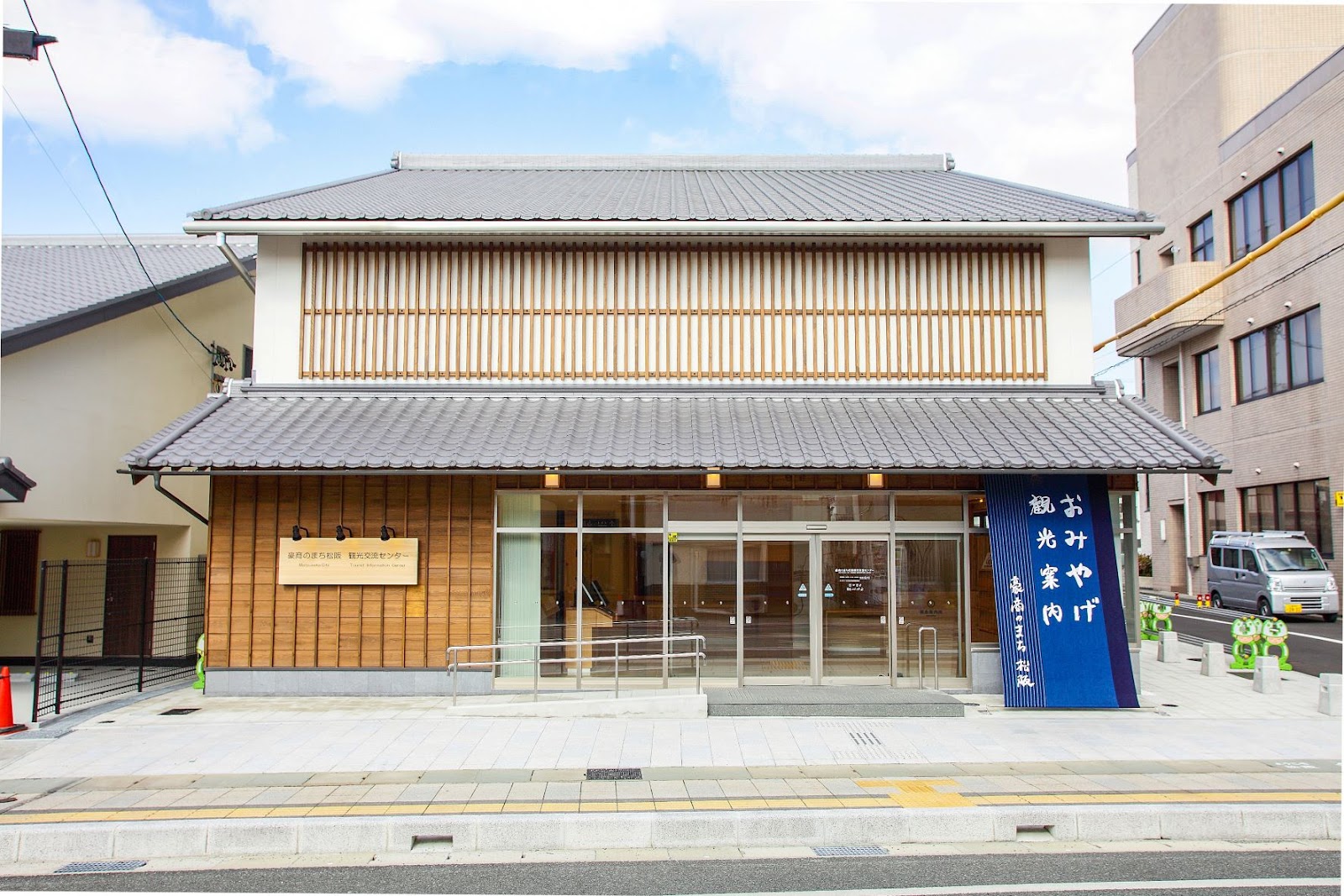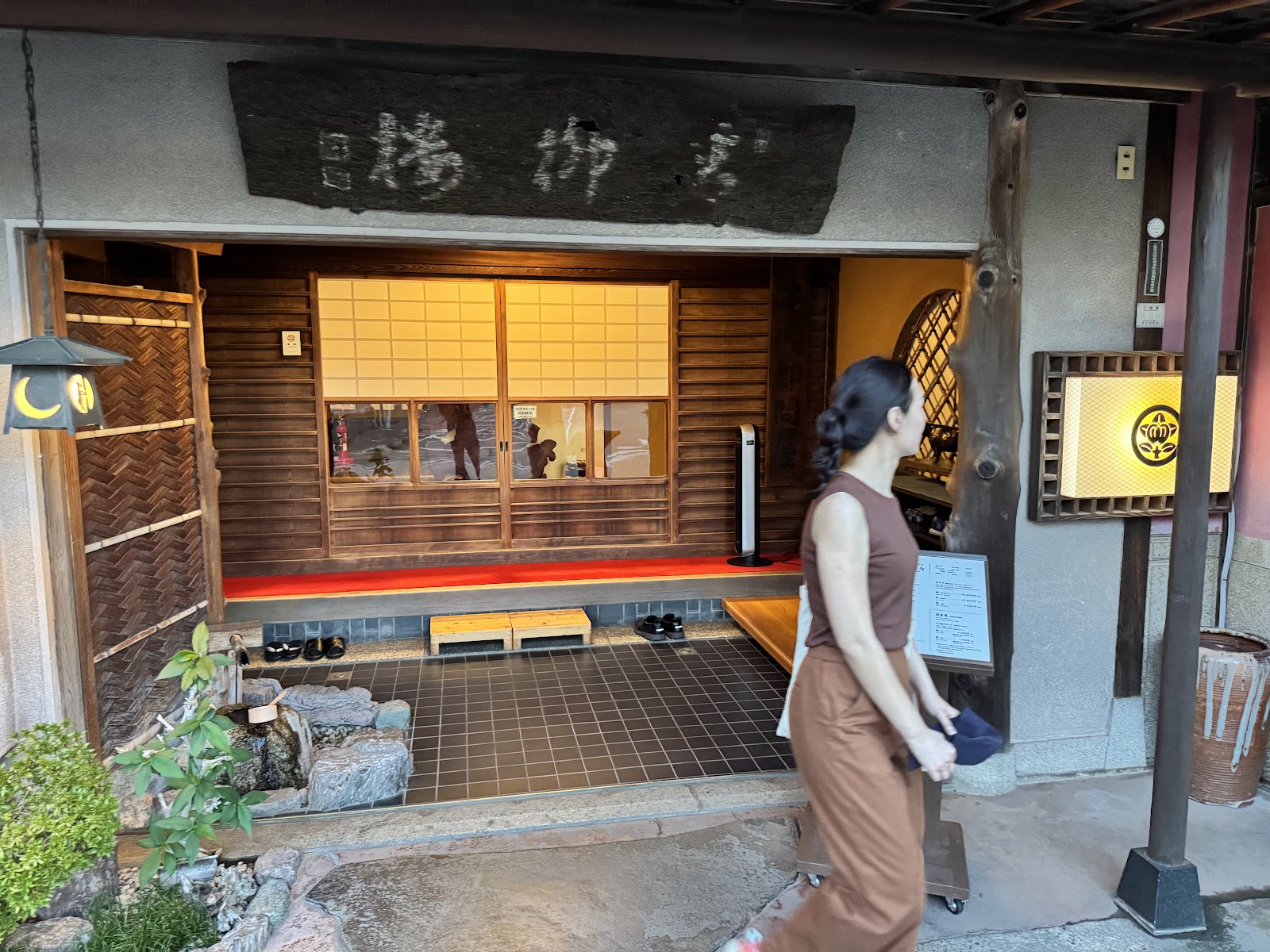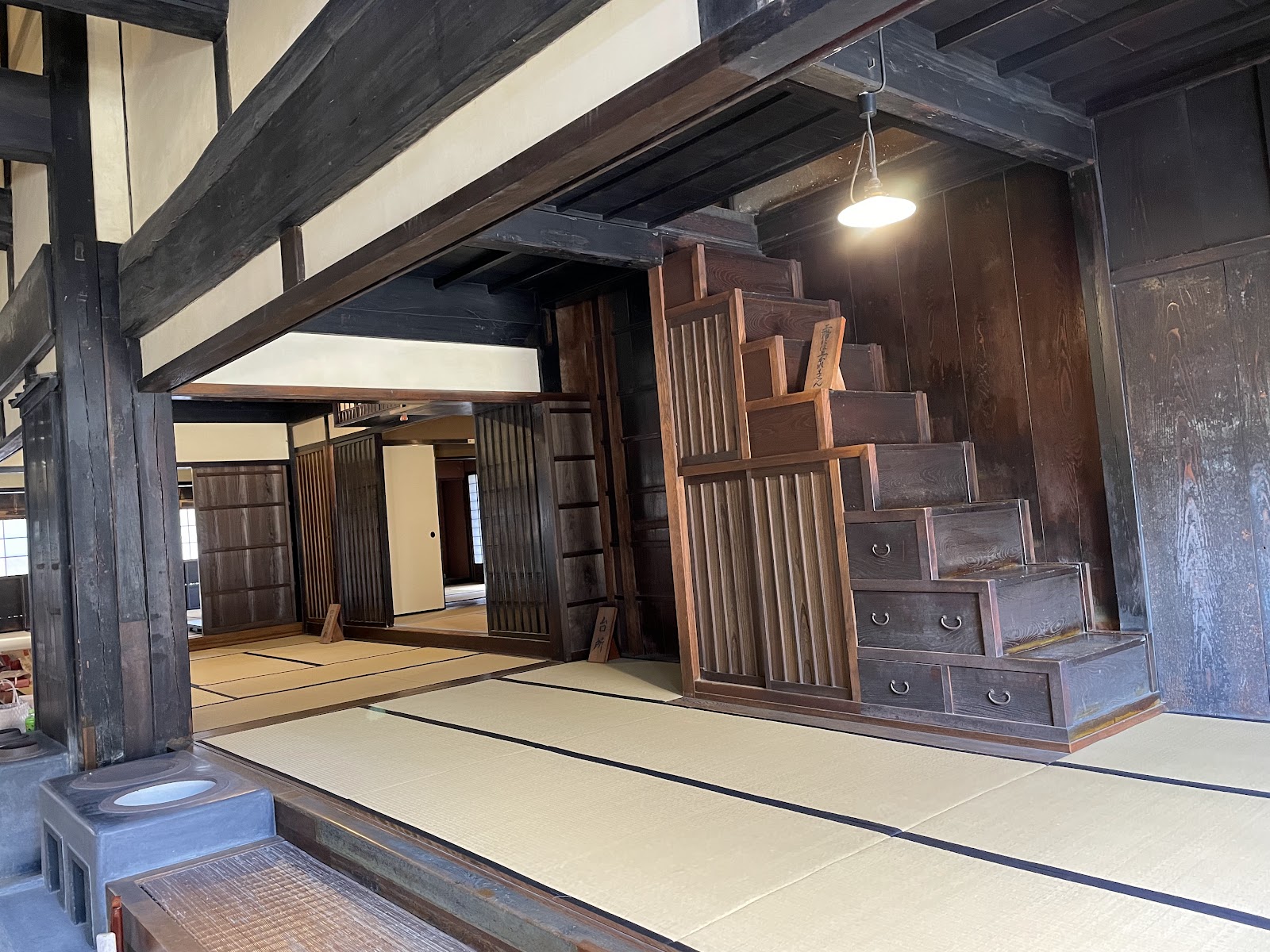
The preserved townhouse of a wealthy Matsusaka cotton merchant, showing how Edo-period trading dynasties lived and did business.
The Matsusaka Merchant Museum occupies the former residence of the Ozu Seizaemon family, one of the great merchant houses of Matsusaka, and offers an intimate look at the source of the town's Edo-period wealth. Matsusaka rose to prosperity on the back of Matsusaka cotton (Matsusaka momen), a durable indigo-striped fabric that became hugely popular in the booming city of Edo, and the merchants who traded it grew rich enough to rank among the most powerful commercial families in all of Japan. This handsome townhouse, preserved as a museum, tells their story from the inside.
The Ozu family were prominent Matsusaka merchants who, like their neighbours, built their fortune by carrying local cotton and other goods to Edo, where they ran shops and warehouses. Their home reflects both the wealth and the deliberate restraint of the merchant class under Tokugawa rule, when sumptuary laws discouraged ostentatious display and canny traders learned to invest in quality and comfort rather than flashy show. Behind a modest street frontage lies a surprisingly deep and sophisticated complex of living quarters, business rooms, storehouses and courtyards, revealing how a single building could serve as home, office and warehouse all at once.
Walking through the residence, visitors follow the long earthen-floored passage that runs the depth of the house, past reception rooms where deals were struck, private family quarters, and the fireproof storehouses (kura) where valuables and stock were kept. Displays of household objects, business ledgers, furnishings and cotton goods bring the daily rhythms of a trading dynasty to life, from the management of far-flung Edo branches to the running of a large household. The architecture itself is the main exhibit, an eloquent record of how Japan's pre-modern merchant elite balanced prosperity with the social conventions of their time.
Matsusaka's mercantile heritage is remarkable in its reach. The town produced several of the founders and forebears of businesses that would grow into major names in Japanese commerce, and its concentration of wealthy trading families made it one of the most economically influential provincial towns of the Edo period. Museums and preserved houses like this one, scattered through the old merchant quarter, allow visitors to trace that legacy street by street.
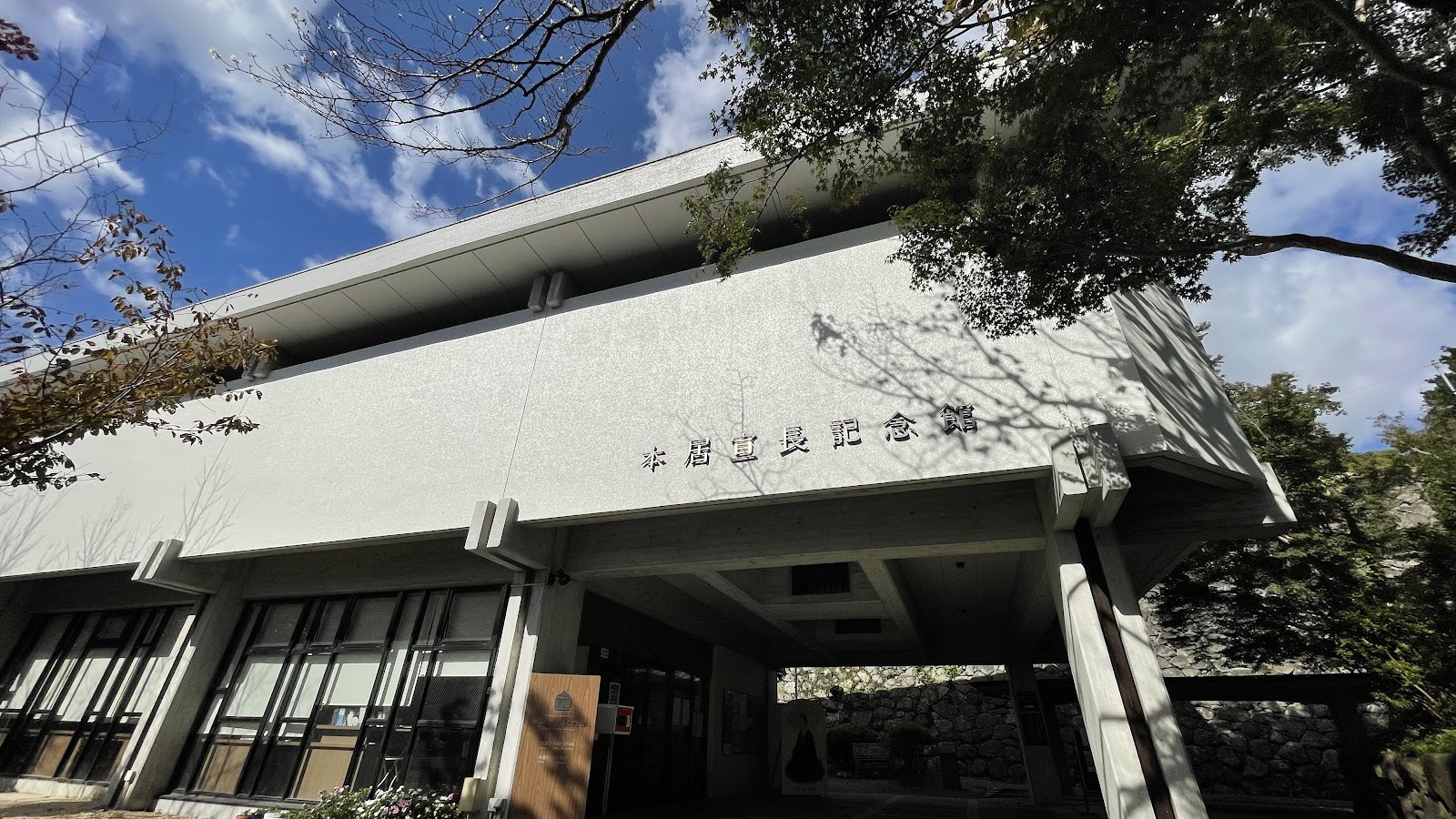
The residence sits within Matsusaka's atmospheric old town, whose lattice-fronted houses, temples and quiet lanes reward unhurried exploration, and it pairs naturally with the nearby Matsusaka Castle ruins, the Gojoban Yashiki samurai residences and the Museum of Motoori Norinaga to make a full day of history. Food lovers may also note that the same town gives its name to Matsusaka beef, among the most prized wagyu in Japan.
The museum is about a twelve-minute walk from Matsusaka Station on the Kintetsu and JR lines, an easy day trip from Ise, and admission is very inexpensive. Around fifty minutes is enough to explore the house and its displays. For anyone curious about how commerce shaped provincial Japan, and how its merchant families actually lived, this preserved residence is a quietly fascinating window onto the Edo-period world.
A local's tip
Look up at the deep, ledgered interior: the long earthen-floored passage and rows of storerooms show exactly how an Edo cotton fortune was run from home.
Best time to visit
Combine with a stroll through the Matsusaka merchant district
Getting there
About a 12-minute walk from Matsusaka Station, on the historic merchant street. From Ise, take the Kintetsu or JR line to Matsusaka and walk into the old town.
Good to know
- Gift Shop
- Restrooms
Plan the whole trip offline
Matsusaka Merchant Museum (Ozu Seizaemon Residence) is one of many places in the Real Japan app — with turn-by-turn directions, nearby spots and full offline maps you can use with no signal.