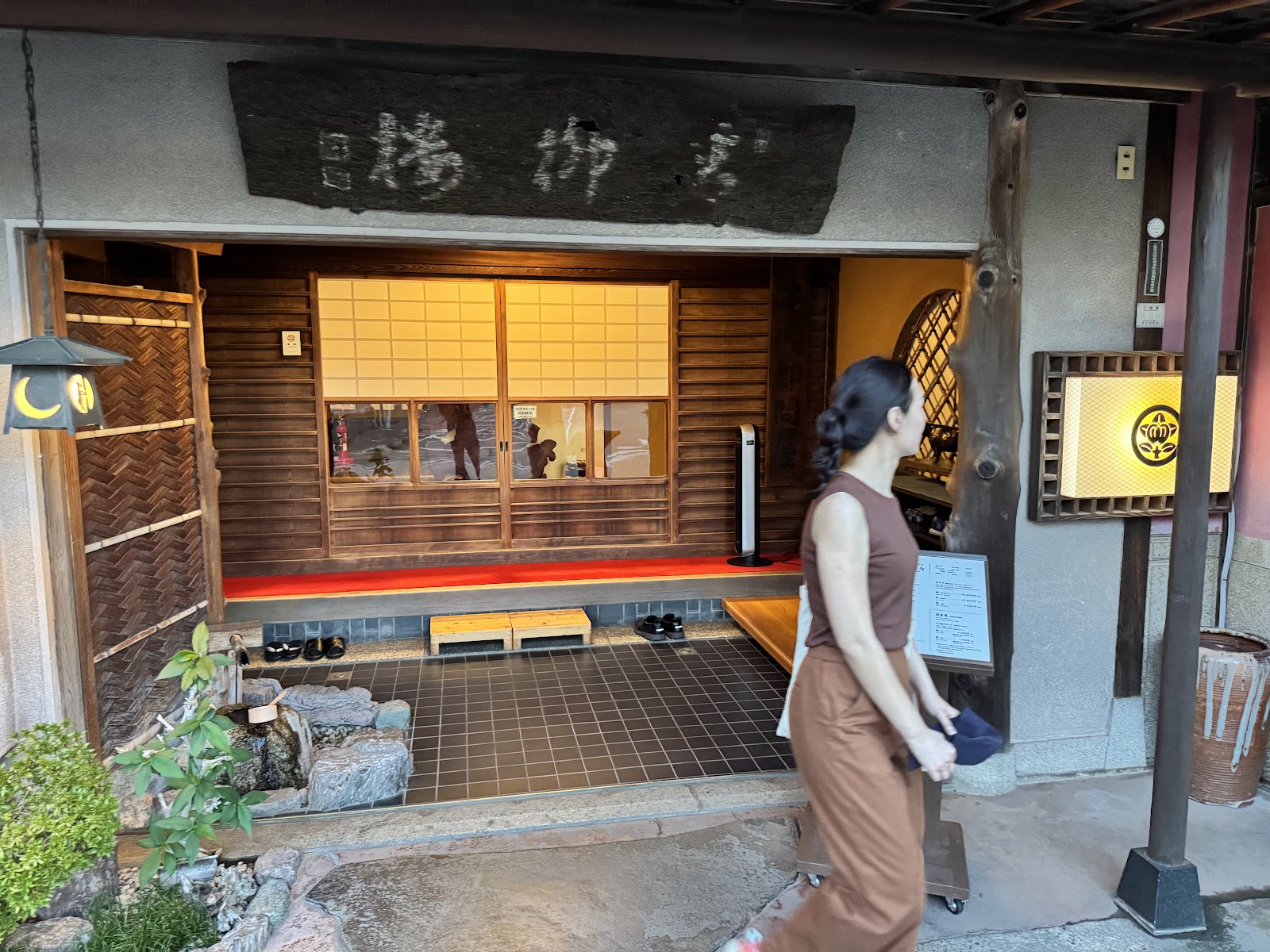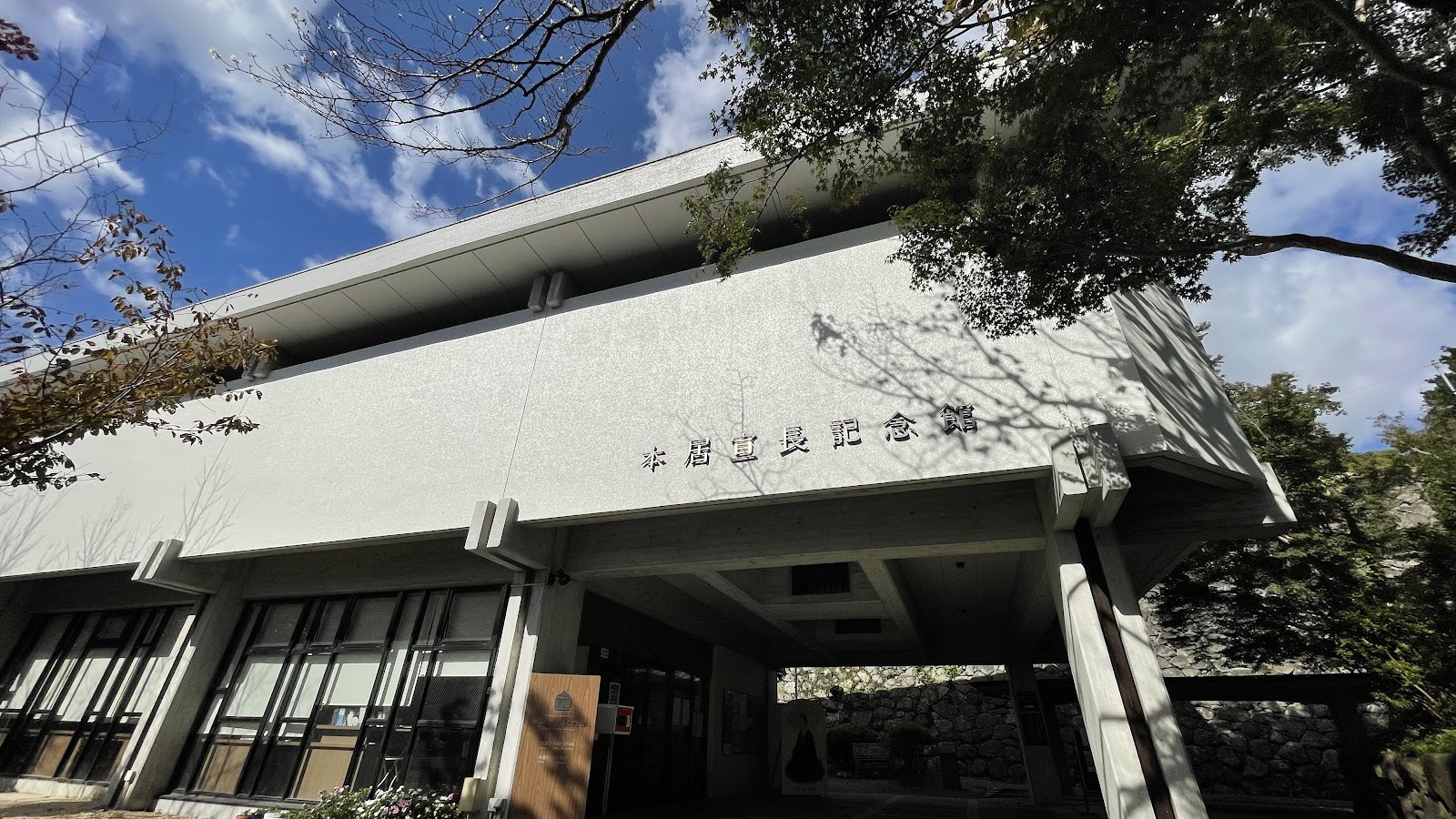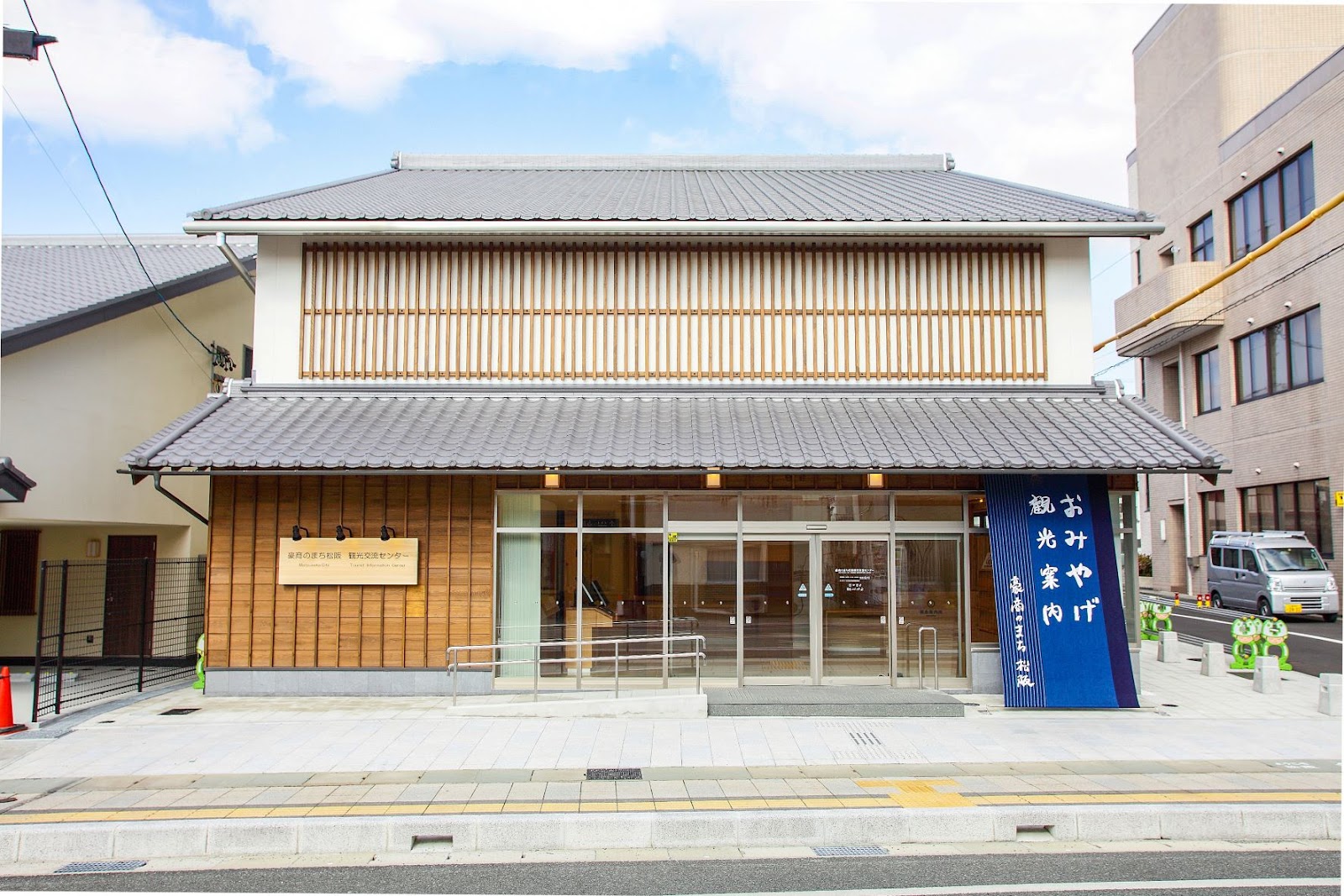
The preserved streets of Matsusaka's Edo castle town, where cotton merchants' homes and storehouses line the old Ise pilgrimage road.
The merchant district of Matsusaka preserves the heart of one of Edo-period Japan's most prosperous provincial towns, a place where fortunes were made in cotton and commerce along the Ise Kaido, the great pilgrimage road to Ise Jingu. Concentrated in the Uomachi and Honmachi neighbourhoods below the castle ruins, the district is a rewarding, low-key place to walk, combining handsome traditional architecture with the story of Japan's early merchant capitalism.
Matsusaka was laid out as a castle town in the late sixteenth century by the warlord Gamo Ujisato, who deliberately encouraged merchants to settle and trade. It flourished thanks to Matsusaka cotton (Matsusaka momen), a hard-wearing indigo-striped fabric that became hugely popular in Edo, and to enterprising local families who opened shops in the capital and grew immensely rich. The most famous, the Mitsui family, founded a dry-goods business that would eventually become one of Japan's greatest commercial and financial empires. That wealth flowed back to Matsusaka, funding the fine homes and storehouses still visible today.
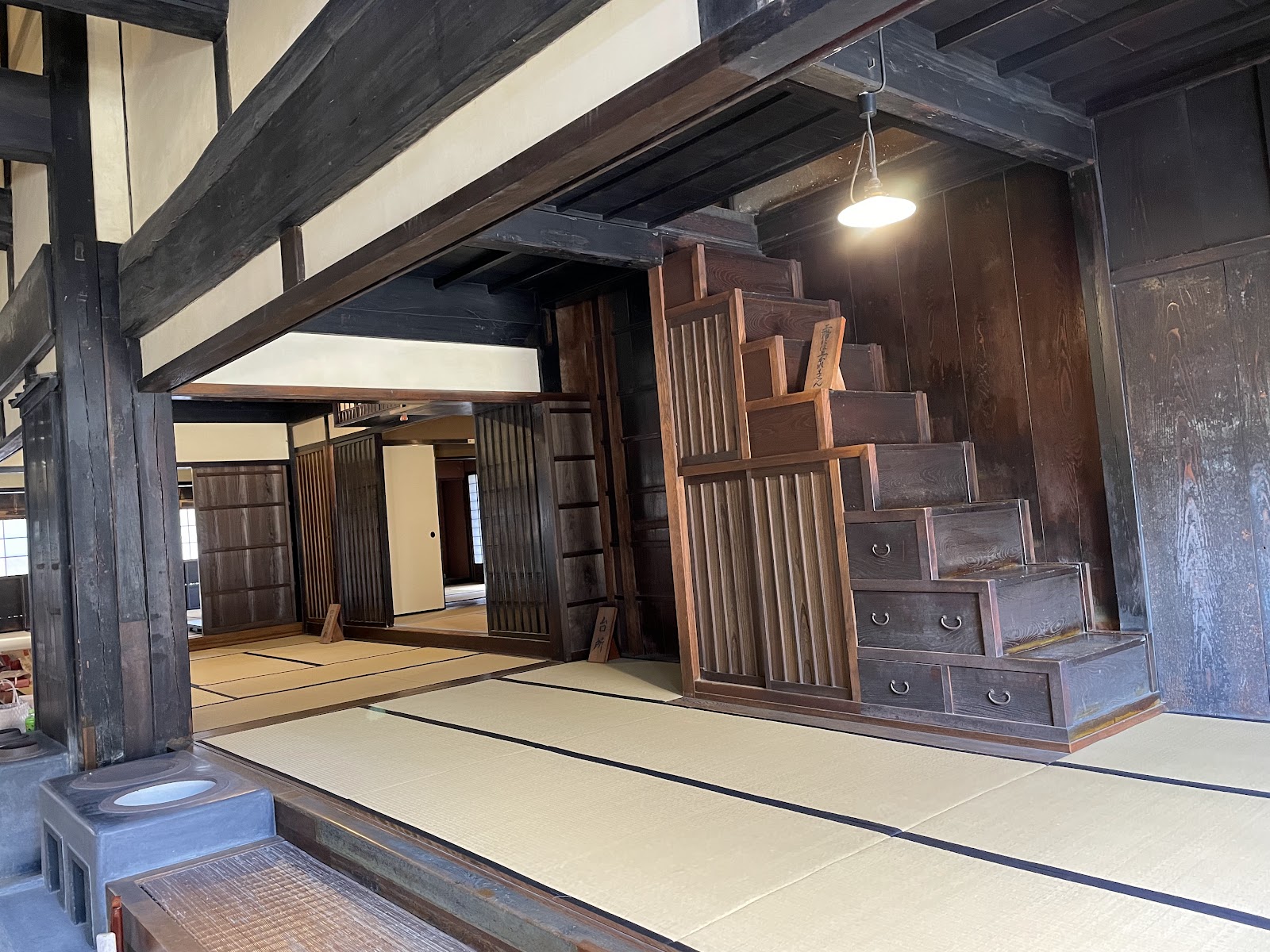
Walking Uomachi and Honmachi, you pass rows of lattice-fronted machiya, white-walled kura and the occasional grand gateway, the streetscape retaining the proportions and materials of the old town. The centrepiece for visitors is the Former Ozu Seizaemon Residence, now the Matsusaka Merchant Museum, a well-preserved home built around the early eighteenth century that lets you step inside the world of a successful merchant family — its shop front, living quarters, storehouses and account rooms all evoking the rhythms of trade. Nearby, the Gojoban Yashiki preserves a rare terrace of samurai residences whose retainers once guarded the castle, offering a contrasting glimpse of the warrior class that shared the town.
Above the streets rise the dramatic stone walls of the Matsusaka Castle ruins, whose donjon is long gone but whose massive ramparts, planted with cherry and pine, make a fine viewpoint and a pleasant park. Together the castle mound, the samurai row and the merchant streets form a compact, walkable ensemble that tells the full social story of a castle town — lord, warrior and trader — in a single afternoon.
For visitors, the district is best enjoyed slowly and on foot. The streets are always open and free, while the merchant house museums keep daytime hours and may close on certain days, so a daytime visit works best. Spring brings cherry blossom to the castle walls, adding colour to the grey stone. A stroll here pairs perfectly with a Matsusaka beef lunch at one of the town's famous restaurants, letting you combine the region's two great claims to fame — historic commerce and celebrated wagyu. To get there, walk about twelve minutes from Matsusaka Station, served by both JR and Kintetsu lines, following signs toward the castle ruins and the old merchant streets. Quiet, dignified and rich in history, the Matsusaka merchant district rewards anyone curious about how ordinary towns built extraordinary wealth in old Japan.
A local's tip
Visit the Former Ozu Seizaemon Residence (Matsusaka Merchant Museum) to step inside a genuine 18th-century merchant house, then walk the samurai lane of Gojoban Yashiki nearby.
Best time to visit
Daytime, combined with a Matsusaka beef lunch
Getting there
About a 12-minute walk from Matsusaka Station along the old Ise Kaido. The preserved streets of Uomachi and Honmachi lie below the castle ruins.
Good to know
- Museums
- Parking
- Restrooms
Plan the whole trip offline
Matsusaka Merchant District (Uomachi & Honmachi) is one of many places in the Real Japan app — with turn-by-turn directions, nearby spots and full offline maps you can use with no signal.