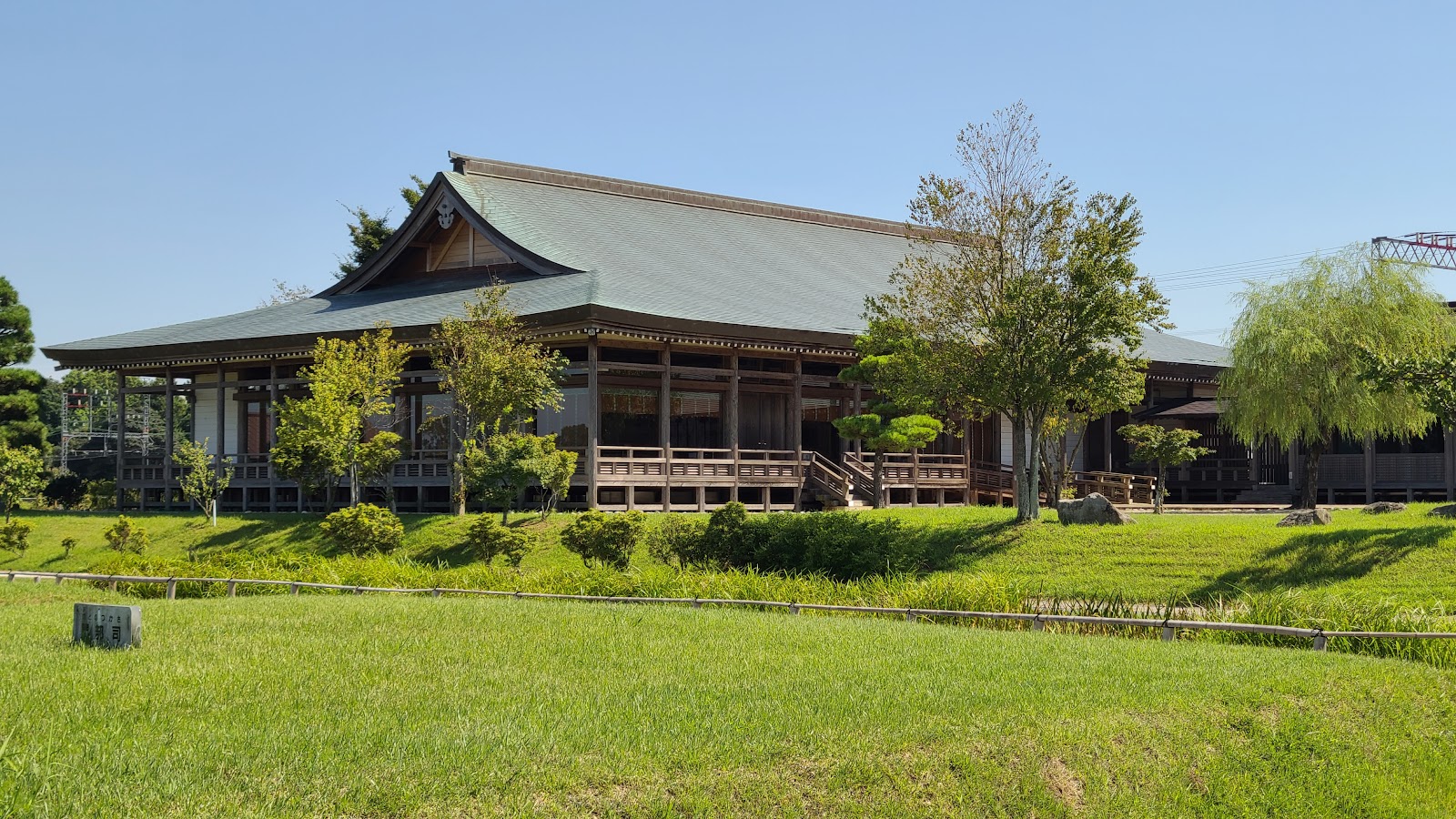
The vast Heian palace site of the Saio princess who served the Ise shrine, with reconstructed halls and dress-up experiences.
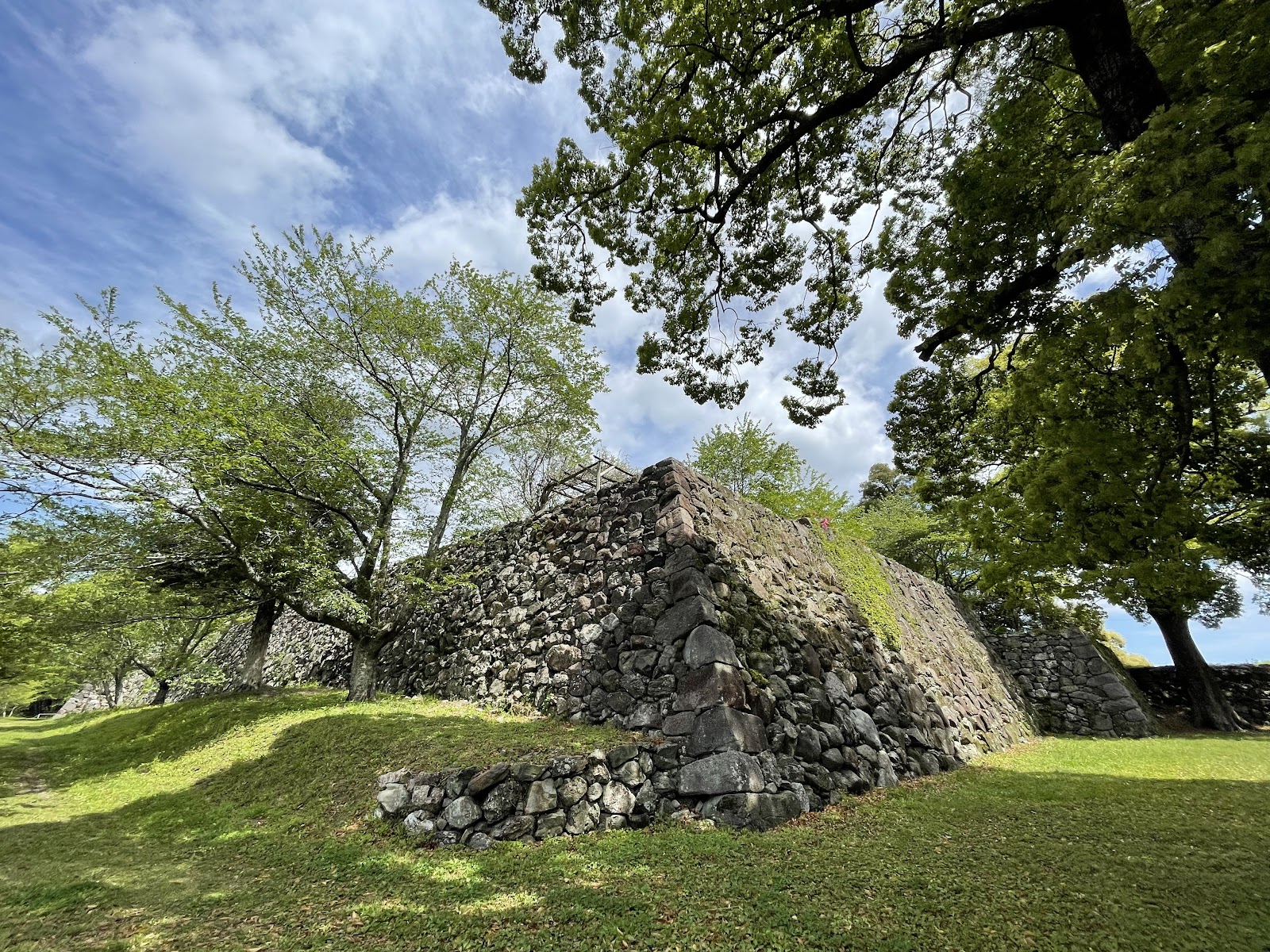
The Saiku Historic Site, in the town of Meiwa between Matsusaka and Ise, preserves the ruins of one of ancient Japan's most extraordinary institutions: the palace of the Saio. For nearly seven centuries, from the Nara period until the 14th century, an unmarried imperial princess was chosen to leave the capital and live here as the emperor's sacred representative to the Grand Shrine of Ise. Around her grew a small government town of palaces, offices and residences, and the excavated remains of that vanished settlement now form a sprawling, atmospheric historic park.
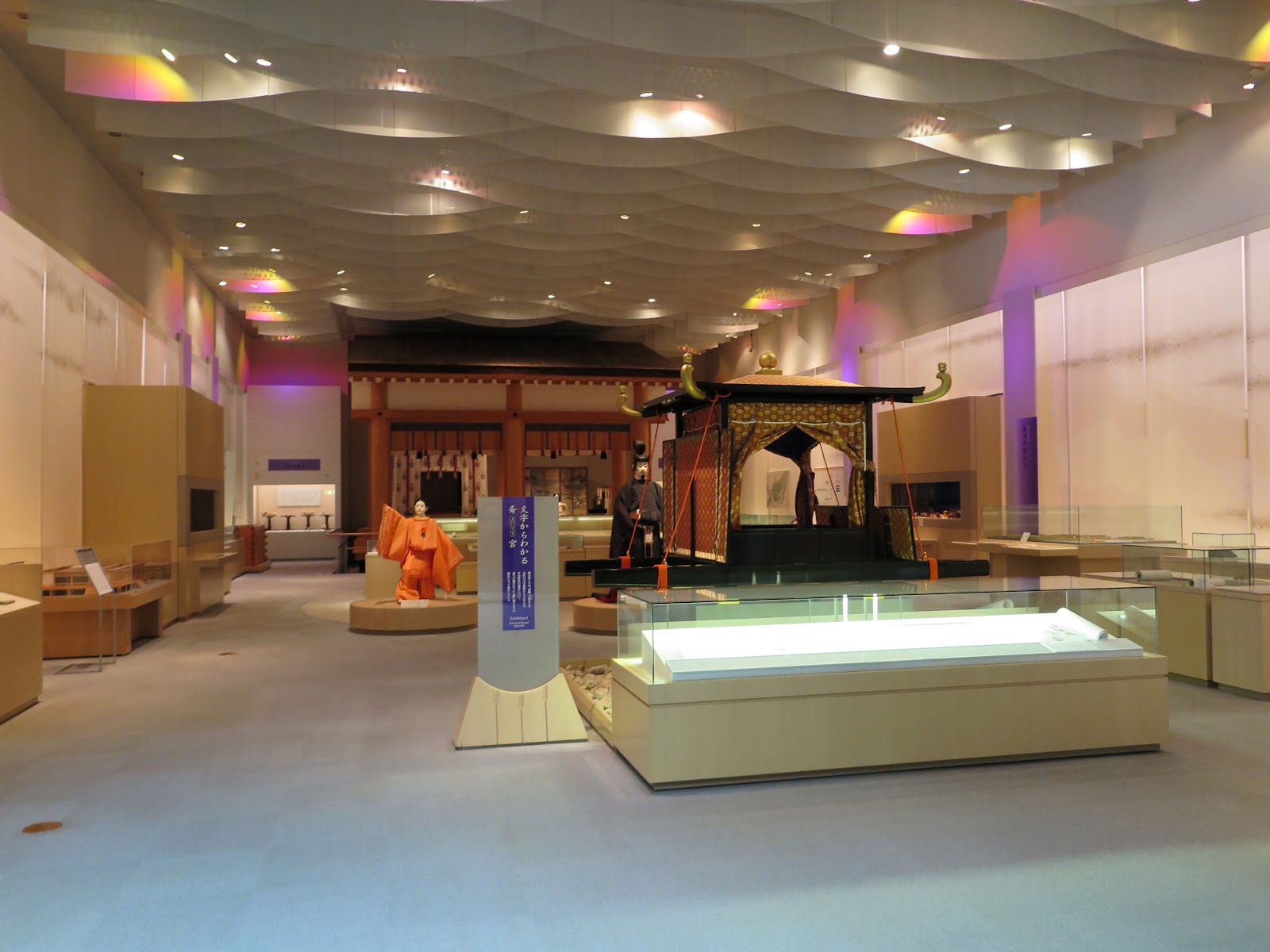
At its height the Saiku was a genuine miniature capital, staffed by more than a hundred officials and laid out on a grand grid. Centuries of archaeology have traced its streets and building foundations, and the site is protected as a nationally important historic place. To help visitors picture it, the park includes a striking one-tenth-scale model of the entire townscape, so you can walk among the little halls and gates and understand just how large and orderly the princess's establishment really was.
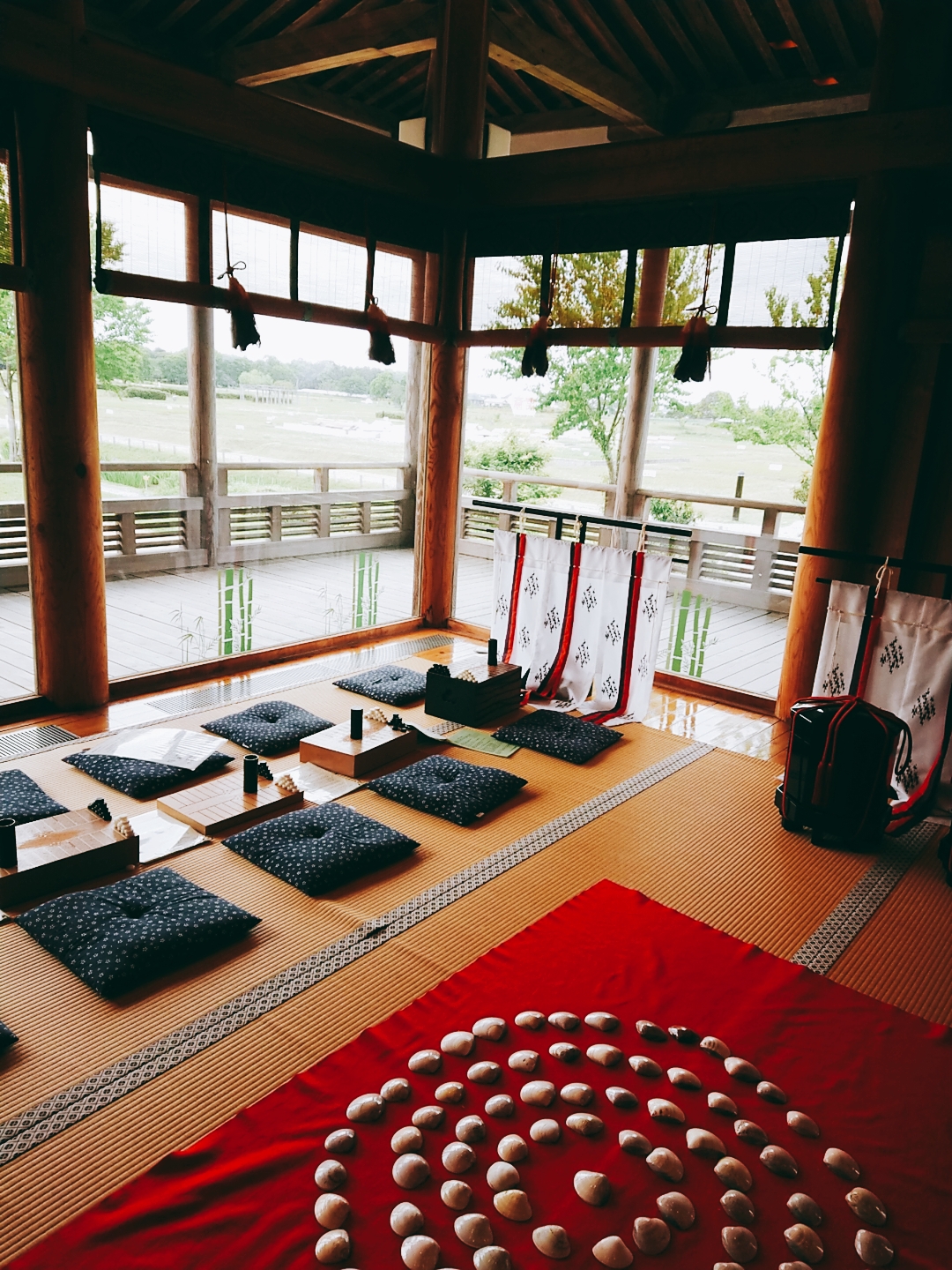
The real highlight is a cluster of full-size reconstructions. Three government office buildings, faithfully rebuilt in the architecture of the 9th century, show how the halls used for rites and banquets would have looked, with their raised timber floors, cypress-bark roofs and open verandas. Nearby, an interactive Heian-themed hall lets visitors step directly into the period: you can try on the famous junihitoe, the elaborate twelve-layered kimono worn by court women like the Saio herself, play traditional board and court games, and learn about the rituals and daily life of the sacred princess. It is one of the most hands-on history experiences in the whole Ise region and a particular hit with families.
Because the story is romantic and the setting spacious and green, Saiku makes a rewarding stop that few foreign travellers know about. Saiku Station on the Kintetsu Yamada Line sits directly beside the grounds, so access could hardly be easier, and it lies conveniently on the line between Matsusaka's castle town and the shrines of Ise. The open grounds are free to wander at any time; the reconstructed halls and experience facilities keep daytime hours and are closed on Mondays, with modest charges for the dress-up and craft activities.
Allow around 75 minutes to combine the outdoor site, the scale model and the reconstructed buildings, more if you join a costume experience. In spring the approach is lined with cherry blossom, adding to the courtly mood. For anyone curious about the deep, aristocratic roots of Ise's sacred role, and about the remarkable women who once embodied it, the Saiku Historic Site turns a thousand-year-old story into something you can walk through, touch and even wear.
A local's tip
Try on a junihitoe twelve-layer kimono or play Heian court games at the experience hall, then walk the full-scale one-tenth model townscape to grasp how vast the Saio's palace once was.
Best time to visit
Spring for the cherry-lined approach and mild weather
Getting there
Saiku Station on the Kintetsu Yamada Line, between Matsusaka and Ise, sits right beside the site. The reconstructed halls and museums are a 5-minute walk from the platform.
Good to know
- Parking
- Gift Shop
- Restrooms
Plan the whole trip offline
Saiku Historic Site is one of many places in the Real Japan app — with turn-by-turn directions, nearby spots and full offline maps you can use with no signal.