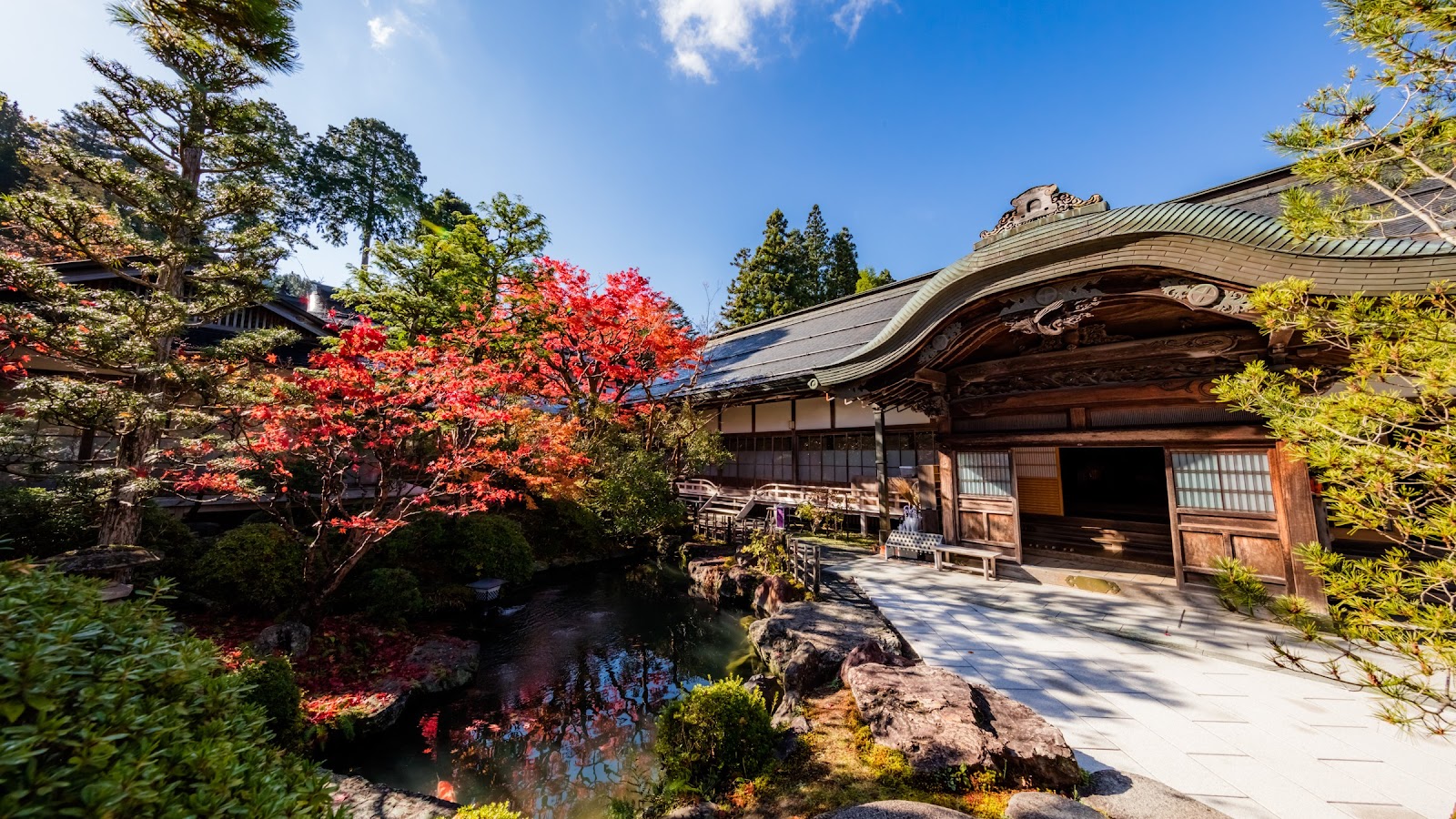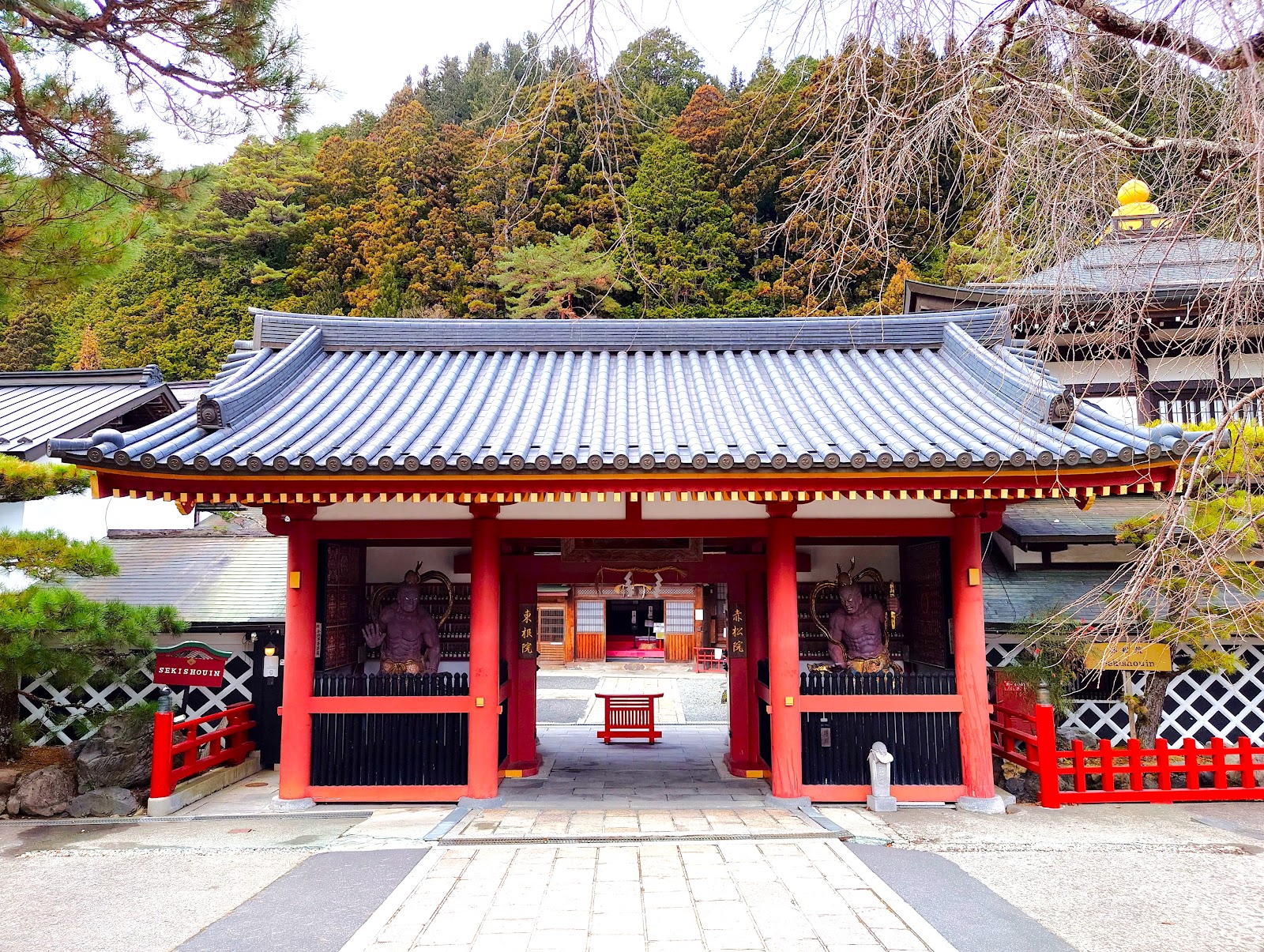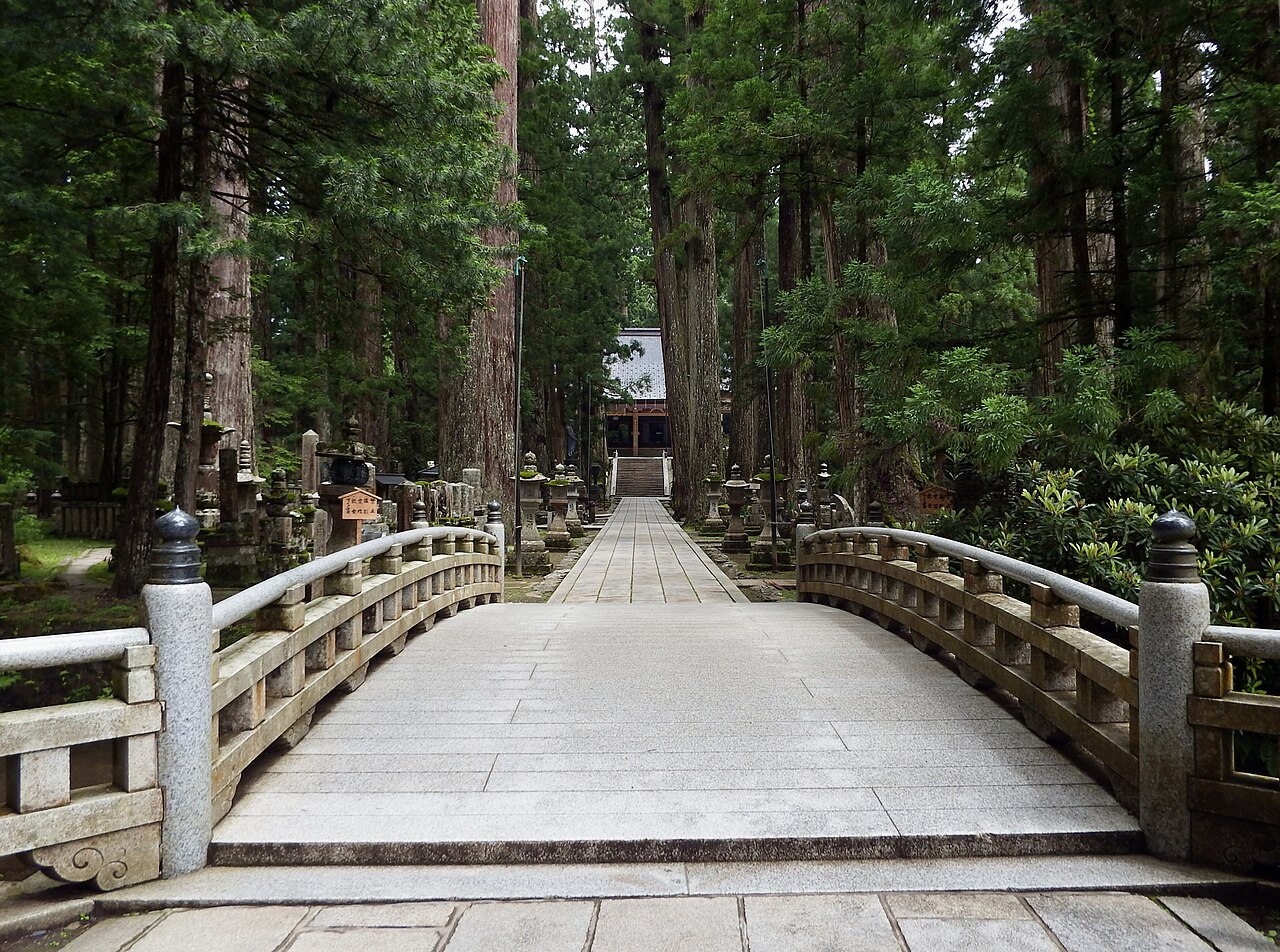
Japan's most atmospheric cemetery: a 2 km cedar avenue leading to the mausoleum of Kobo Daishi, still tended as if he only meditates.
Okunoin is the spiritual heart of Mount Koya and, for many visitors, the single most moving place in all of Japan. It is at once a working Buddhist mausoleum and the largest graveyard in the country, where more than 200,000 tombstones, memorials and stupas crowd beneath towering cryptomeria cedars, many of them over a thousand years old.
The site exists because of one man: Kukai, posthumously called Kobo Daishi, the ninth-century monk who founded Shingon Buddhism and established the monastic complex of Koyasan in 816. According to Shingon belief, Kobo Daishi did not die in 835 but entered an eternal state of deep meditation, waiting for the Buddha of the Future. His mausoleum, the Gobyo, sits at the far end of Okunoin, and to this day monks carry ritual meals to him twice a day, a ceremony called Shojingu that has continued unbroken for more than eleven centuries.
The classic approach begins at Ichinohashi, the first bridge, where visitors traditionally bow to pay respects before entering sacred ground. From here a roughly two-kilometre stone path winds through the forest, flanked by the moss-covered graves of feudal lords, famous monks, and ordinary families alike. Some monuments are startling: a rocket-shaped memorial, a coffee-cup grave sponsored by a beverage company, and the tombs of rival warlords Oda Nobunaga and Takeda Shingen resting only metres apart, all enemies reconciled in death.
Beyond the final bridge, Gobyobashi, photography is forbidden and the mood turns hushed. Here stands the Torodo, the Hall of Lamps, where more than 10,000 lanterns burn continuously; two are said to have stayed lit for over 900 years. Behind it lies the Gobyo itself, wreathed in incense and quiet prayer.
The experience changes completely with the light. By day the cedars filter a green, cathedral-like glow; at night, when stone lanterns flicker along the path, Okunoin becomes genuinely otherworldly, which is why the evening lantern-lit walks led by local monks are so treasured. Autumn brings flares of red maple against the dark trunks, while winter snow silences the forest entirely.
Access is straightforward and free. Buses from Koyasan Station stop at both Ichinohashi and Okunoin-mae; walking the full approach and back takes around two hours at a reflective pace. The ground is paved but uneven in places, so sturdy shoes help. Whether you come as a pilgrim or a curious traveller, Okunoin rewards slowness: this is a place to walk quietly, read the weathered names, and feel the weight of a faith that has kept its lamps burning for a millennium.
A local's tip
Join the free evening cemetery walk run by Ekoin's monks, or come at dawn when mist hangs between the thousand-year cedars and you often have the path to yourself.
Best time to visit
Early morning or after dark by lantern light
Getting there
From Koyasan Station take the Nankai Rinkan bus toward Okunoin-mae (about 15 minutes). Start at Ichinohashi bridge for the full 2 km cedar-lined approach, or alight at Okunoin-mae for a shorter walk to the mausoleum.
Good to know
- Wi-Fi
- Restrooms
- Guided tours
Plan the whole trip offline
Okunoin is one of many places in the Real Japan app — with turn-by-turn directions, nearby spots and full offline maps you can use with no signal.