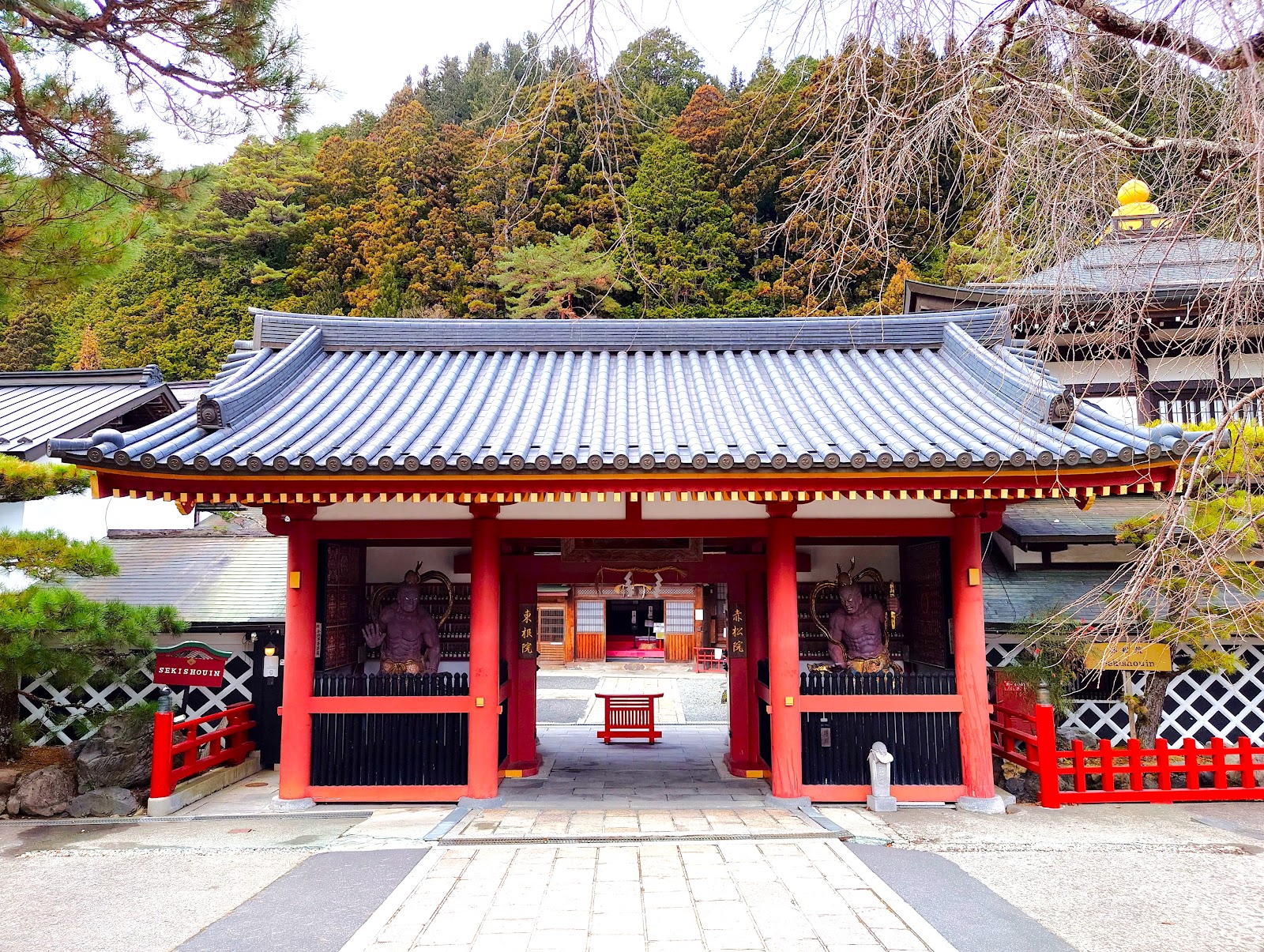
A thousand-year-old temple offering shukubo lodging, monk-cooked vegetarian meals and morning fire rituals near the Okunoin approach.
Ekoin is one of the most beloved of Koyasan's temple lodgings, or shukubo, and for many travellers it provides the definitive way to experience the mountain: not as a day visitor but as an overnight guest living, however briefly, within a working monastery. Founded roughly a thousand years ago, the temple sits close to the Ichinohashi entrance of Okunoin, making it a natural base for the atmospheric evening and dawn walks through the great cemetery.
Staying in a shukubo is a tradition rooted in Koyasan's history as a pilgrimage destination. For centuries pilgrims who climbed the mountain needed lodging, and its temples opened their doors, offering simple rooms, meals and the chance to share in monastic life. Today more than fifty temples on the mountain continue the practice, and Ekoin is especially popular with international visitors because its young monks speak English and actively welcome guests into their routines.
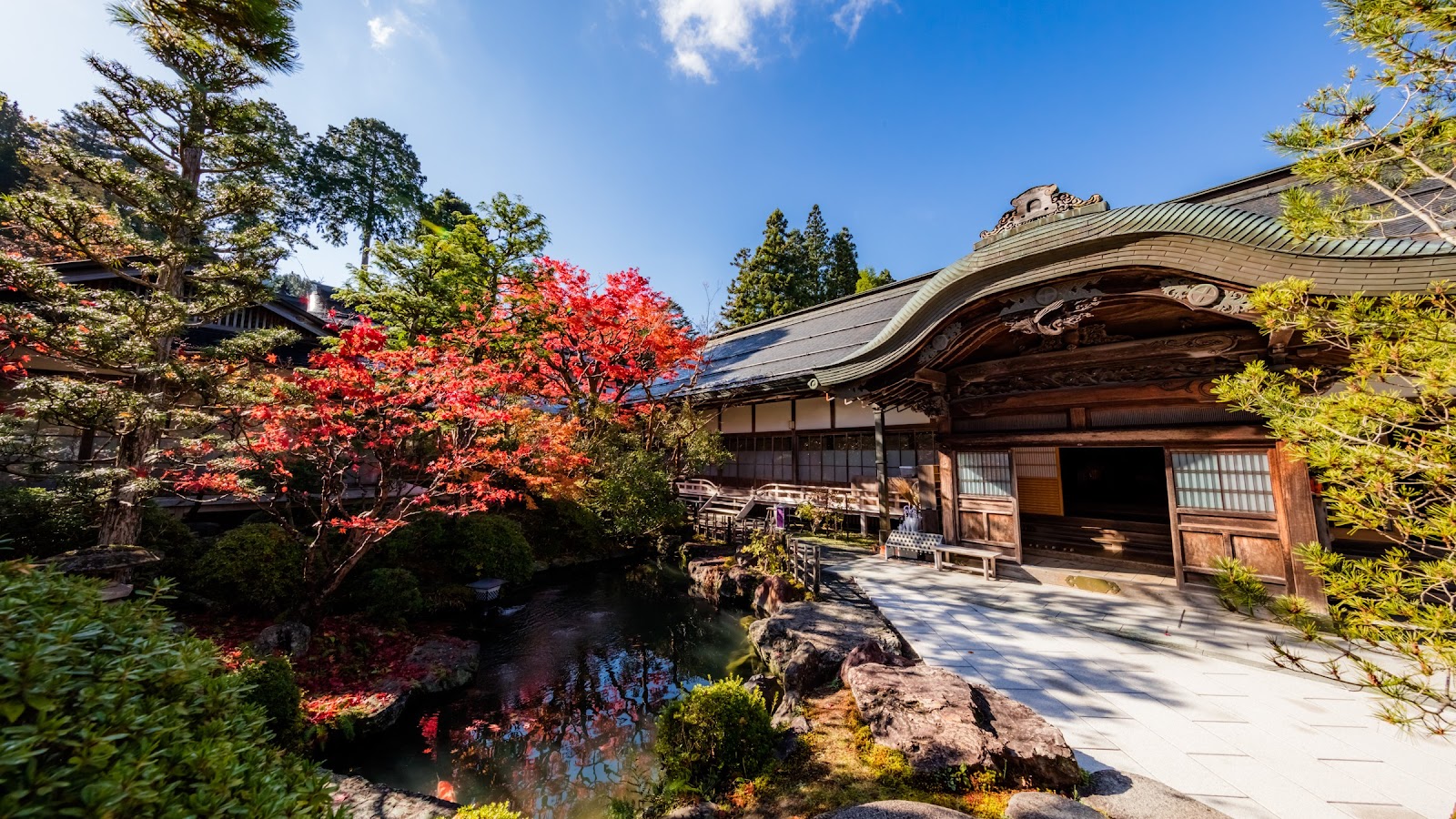
Guests sleep in traditional tatami rooms with futon bedding and sliding paper doors, often overlooking a manicured garden. Meals are shojin ryori, the elegant vegetarian cuisine of Buddhist monks, prepared without meat, fish, onion or garlic, and served with quiet ceremony; dishes of sesame tofu, mountain vegetables, pickles and miso reveal how satisfying plant-based cooking can be. A communal bath allows guests to soak and unwind after a day of walking.
The real draw, however, is participation. In the evening Ekoin's monks lead a lantern-lit walking tour of Okunoin, narrating its legends as they go. Before dawn, guests are invited to the main hall for morning prayers, the chanting of sutras filling the cold air, followed by the dramatic goma fire ceremony in which the officiating monk builds a roaring fire to burn away earthly desires and wooden prayer tablets. The temple also offers introductory Ajikan meditation sessions, teaching the visualisation practices central to Shingon Buddhism.
Because it is a functioning temple, guests are asked to respect a gentle rhythm: early check-in, dinner served at a set hour, doors and prayers timed to the monastic day. Far from being a limitation, this structure is precisely what makes the stay meaningful, a rare chance to step out of modern schedules and into a way of life little changed in centuries.
Ekoin lies on the eastern side of Koyasan town, an easy stroll from the Okunoin approach and a short bus ride from the central temple district and the Nankai cable-car station. Even travellers not staying overnight can sometimes arrange to join the morning fire ritual. For anyone with a single night to spare on the mountain, a stay here transforms a sightseeing visit into something closer to a retreat, and it is consistently the experience that visitors to Koyasan remember most vividly.
A local's tip
Even if you cannot stay overnight, ask about joining the morning goma fire ceremony; the roar of the flames in the dark hall is unforgettable.
Best time to visit
Overnight stay to join dawn prayers and the fire ritual
Getting there
From Koyasan Station take the Nankai Rinkan bus to Karukayado-mae (about 12 minutes); the temple is a short walk toward the Okunoin approach.
Good to know
- Onsen
- Wi-Fi
- Restrooms
- Vegetarian meals
Plan the whole trip offline
Ekoin is one of many places in the Real Japan app — with turn-by-turn directions, nearby spots and full offline maps you can use with no signal.