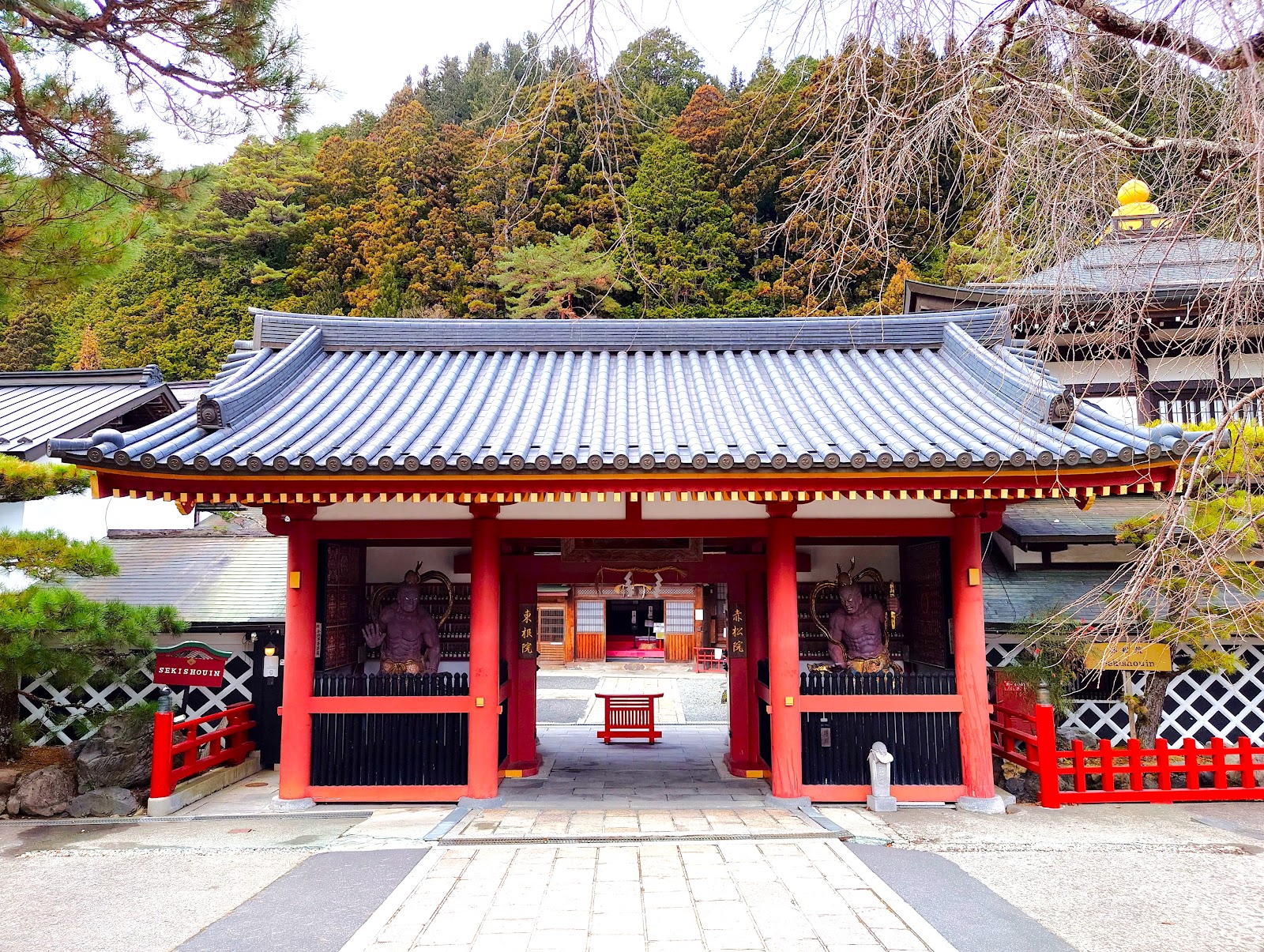
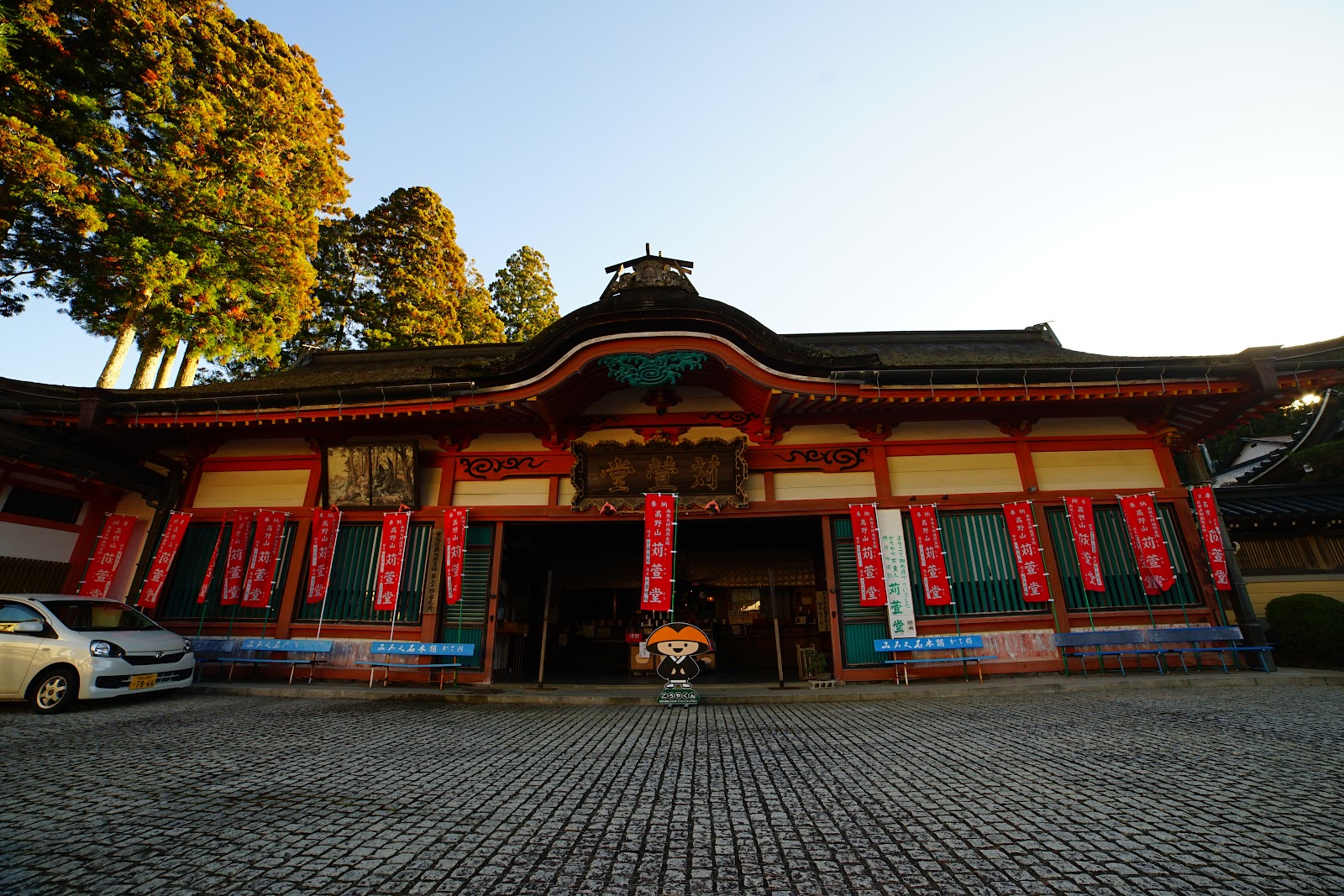
The largest temple lodging on Mount Koya, with celebrated modern gardens and the mountain's only natural hot-spring bath.
Fukuchi-in is one of the most beloved of Mount Koya's 50-odd shukubo, the working temples that open their doors to overnight guests, and it holds two distinctions that set it apart. It is the largest temple-lodging on the mountain, and it is the only one with a genuine natural hot spring, a luxury almost unheard of at 800 metres among the cedars of a Shingon monastery.
The temple belongs to the Koyasan Shingon sect and, like every shukubo here, functions first as a place of worship and only second as accommodation. Guests are welcomed into tatami rooms overlooking the gardens, served meticulous shojin ryori, the vegetarian Buddhist cuisine built around seasonal vegetables, tofu and the mountain's famous goma-dofu (sesame tofu), and invited each morning to join the resident monks for prayers and a fire ceremony in the main hall.
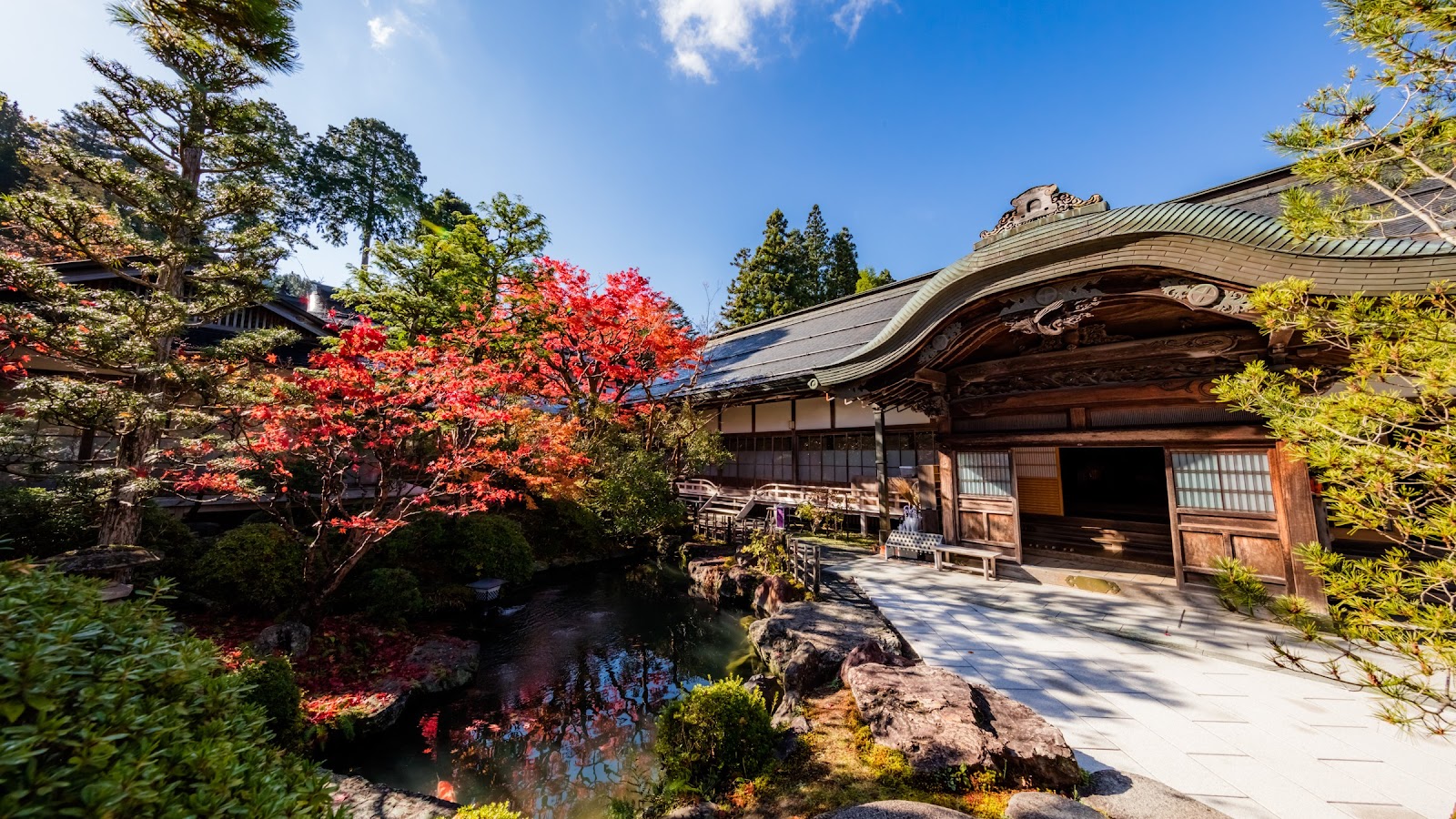
What draws garden lovers in particular are the three landscaped gardens attributed to Mirei Shigemori, the great twentieth-century garden designer who reinterpreted the classical Japanese garden with a modern, sculptural sensibility. Raked gravel, carefully placed stones and moss compose scenes meant for contemplation from the temple's wooden verandas, changing character with cherry blossom in spring, deep greens in summer, blazing maples in autumn and snow in winter. Sitting quietly before them, with a cup of tea and the temple bell sounding somewhere beyond, is one of the simplest pleasures Koya offers.
Then there is the bath. After a day spent walking the lantern-lit paths of Okunoin or the sacred precinct of Danjo Garan, often in mountain cold, the natural hot-spring bath at Fukuchi-in feels close to miraculous. It is a comfort no other lodging on the mountain can match and a large part of why the temple books out early, especially during the autumn foliage season.
A stay here follows the gentle rhythm of temple life. Check-in is in the mid-afternoon, dinner is served early, and the night is quiet; there is little to do but soak, read and rest. The reward comes at dawn, when guests rise for the 6:30 morning service, kneeling in the incense-filled hall as the monks chant sutras, before a vegetarian breakfast and, ideally, an early walk to Okunoin while the mist still clings to the graves.
Fukuchi-in sits in the central temple district, an easy walk from Kongobuji, Danjo Garan and the Reihokan museum, which makes it a practical base as well as a restful one. From Koyasan Station, reached by the scenic Nankai cable car, take a Rinkan bus to the Karukayado-mae stop; the temple is only a few minutes away on foot. Rates for a temple stay typically start around 15,000 yen per person including the two vegetarian meals. Even for travellers who cannot spend the night, Fukuchi-in embodies what makes Mount Koya unlike anywhere else: a place where a thousand-year religious tradition still shapes ordinary hospitality.
A local's tip
Fukuchi-in is the only temple lodging on Mount Koya with a natural hot-spring bath, a rare comfort after a cold day among the graves; book well ahead in autumn.
Best time to visit
Overnight stay to enjoy the hot spring and morning prayers
Getting there
From Koyasan Station take a Rinkan bus to the Karukayado-mae stop; Fukuchi-in is a few minutes' walk. The temple is in the central temple district, an easy stroll from Kongobuji and Danjo Garan.
Good to know
- Onsen
- Wi-Fi
- Vegetarian meals
Plan the whole trip offline
Fukuchi-in Temple is one of many places in the Real Japan app — with turn-by-turn directions, nearby spots and full offline maps you can use with no signal.