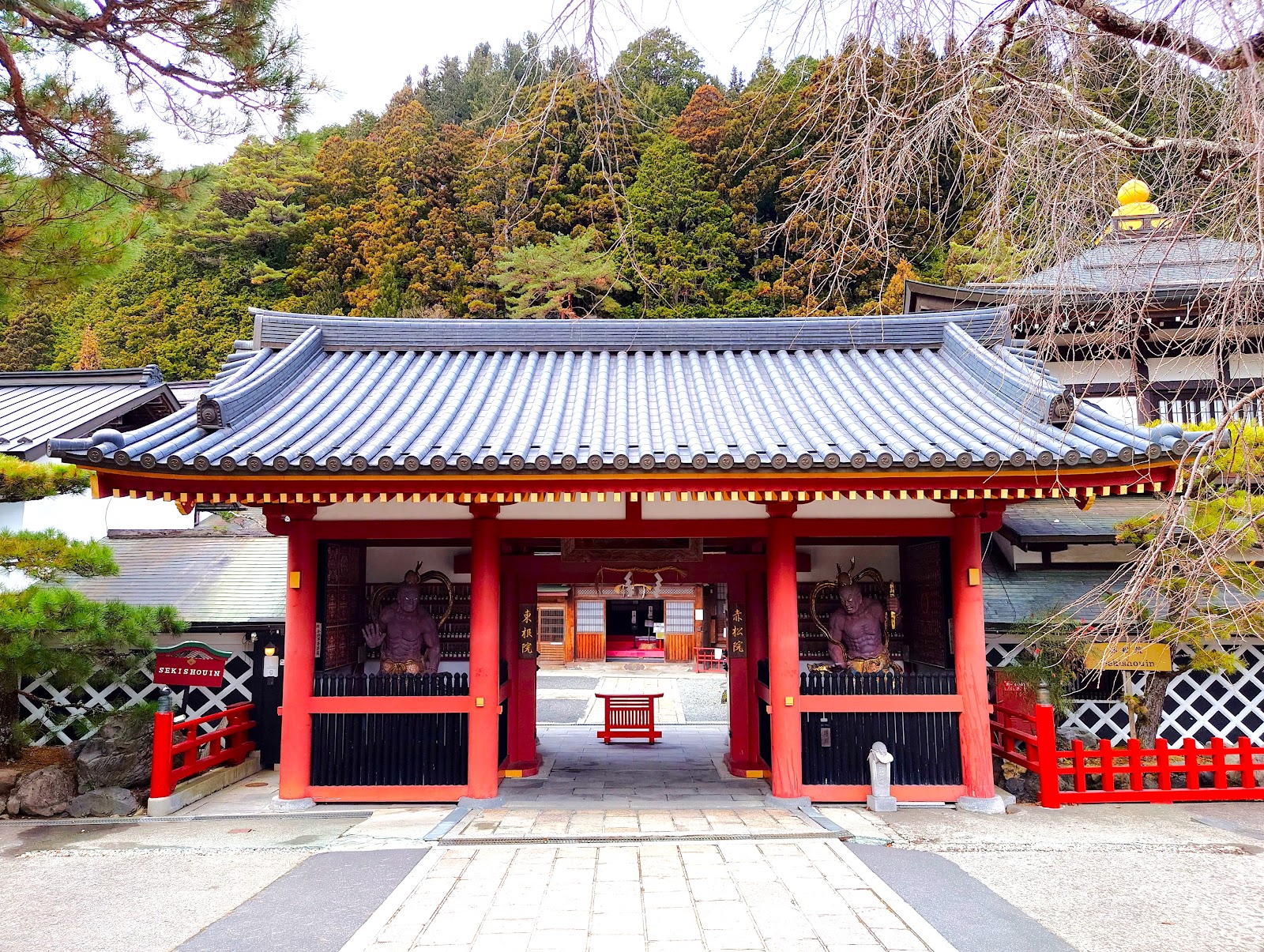
A large, historic Koyasan temple lodging beside the entrance to the Okunoin forest cemetery.
Sekishoin is one of the larger and better-known temple lodgings on Mount Koya, standing near the eastern end of the monastic town close to the entrance of Okunoin, the great forest cemetery that leads to the mausoleum of Kukai (Kobo Daishi). As a shukubo, it continues the thousand-year Koyasan tradition of housing pilgrims within a working temple, offering overnight guests a rare chance to live briefly at the rhythm of Shingon Buddhist practice.
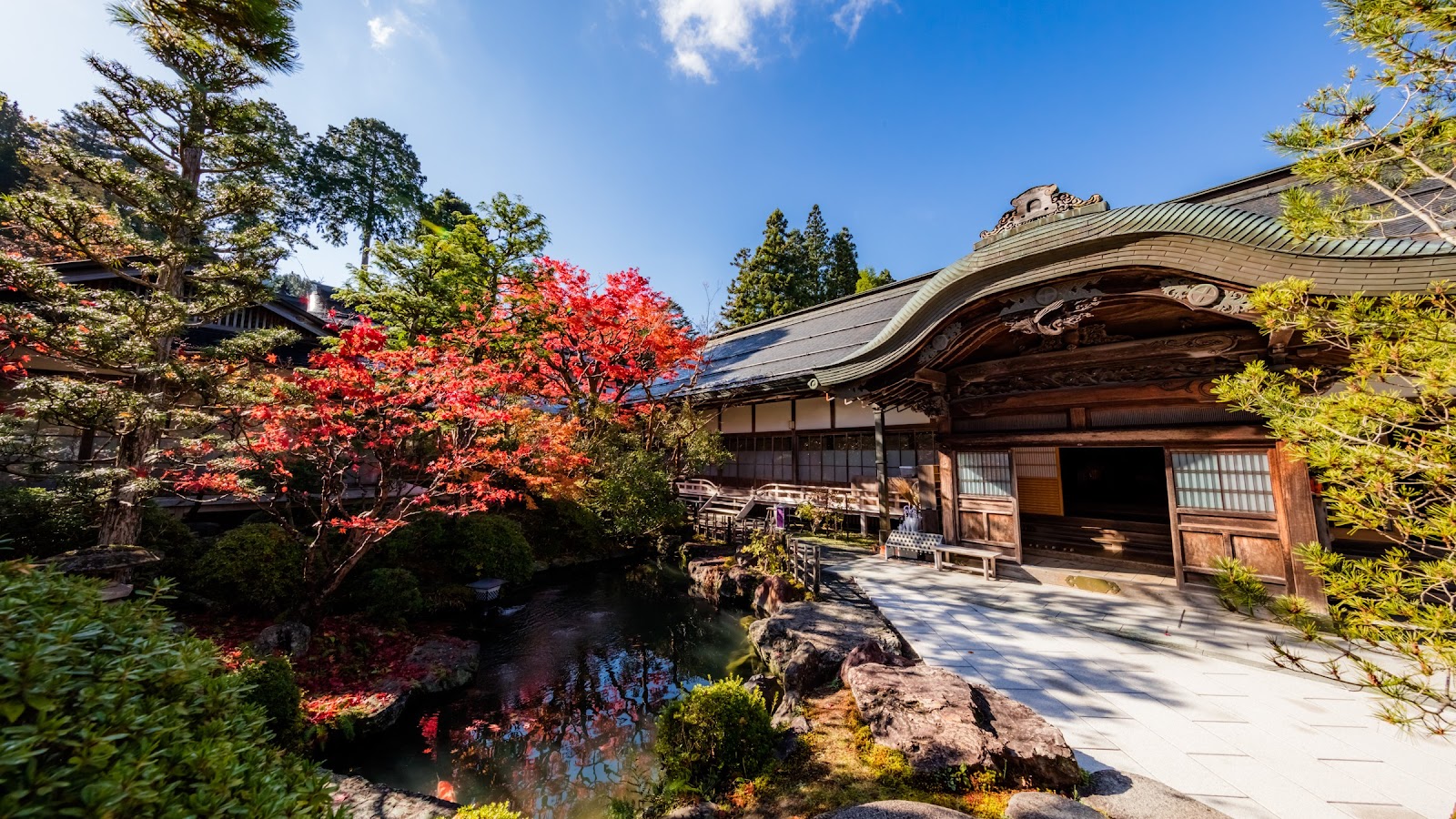
The temple has a long history as a place of lodging and worship, and its scale allows it to receive both individual travellers and larger pilgrim groups. Guests stay in tatami-matted rooms arranged around quiet corridors, and many rooms look onto carefully tended Japanese gardens that are particularly beautiful when moss glows after rain or when maples redden in November. As at other shukubo, the day is shaped by simple monastic routines: an evening bath, a vegetarian dinner, an early night and a pre-dawn rise for the morning service.
Food is a highlight. Sekishoin serves shojin ryori, the elegant Buddhist vegetarian cuisine of Koyasan, in which tofu in many forms — including the mountain’s famous koya-dofu — seasonal mountain vegetables, sesame and pickles are arranged with great care. The meals are meat-free and alcohol is available separately; the experience is as much aesthetic as culinary, each dish reflecting the Buddhist ideal of gratitude and non-waste. In the morning, guests are invited to attend the temple’s prayer service and, often, a Goma fire ritual, observing the chanting monks and the esoteric rites at close range.
Sekishoin’s greatest practical advantage is its location. It sits within a short walk of the Ichinohashi bridge, the traditional entrance to Okunoin. Guests can rise early and walk the roughly two-kilometre stone path through the towering cedar forest, past more than 200,000 moss-covered tombs and memorials of monks, feudal lords and ordinary faithful, to reach the Torodo Hall of Lanterns and Kukai’s mausoleum. Making this walk in the quiet of early morning, before the day’s visitors arrive and while mist still hangs among the trees, is one of the most moving experiences Koyasan offers, and staying nearby makes it easy.
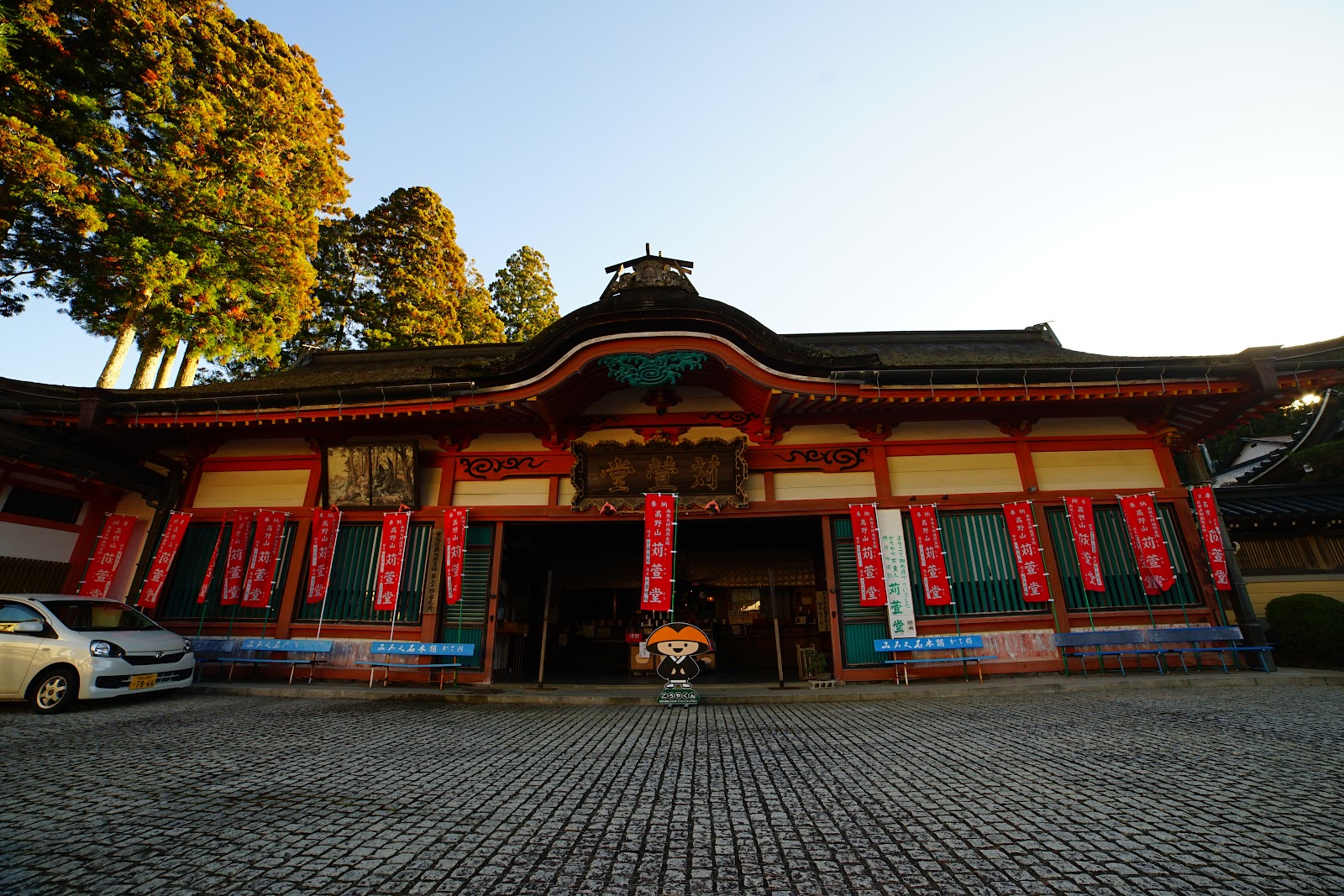
The temple grounds themselves reward a slower look, with old halls, statuary and garden corners that repay quiet attention. Even those not staying overnight may pass by on their way to Okunoin, though the fuller experience belongs to guests.
Sekishoin is reached in about fifteen minutes on foot from the town centre, or by the local Koyasan bus toward Okunoin-guchi. Rooms should be booked well in advance, especially in the autumn foliage season and around major Buddhist observances, when Koyasan’s limited lodgings fill quickly. For travellers who want to combine comfortable temple lodging, fine vegetarian food and easy access to Okunoin’s sacred forest, Sekishoin is among the most convenient and rewarding choices on the mountain.
A local's tip
Sekishoin is one of the closest lodgings to Okunoin — stay here and you can join the atmospheric early-morning walk to Kukai’s mausoleum before the crowds arrive.
Best time to visit
Autumn for the garden; evening before an early Okunoin walk
Getting there
Near the entrance to Okunoin, at the eastern end of the Koyasan temple town. Take the bus from the cable-car station toward Okunoin-guchi and walk a short distance.
Good to know
- Wi-Fi
- Restrooms
- Vegetarian meals
Plan the whole trip offline
Sekishoin is one of many places in the Real Japan app — with turn-by-turn directions, nearby spots and full offline maps you can use with no signal.