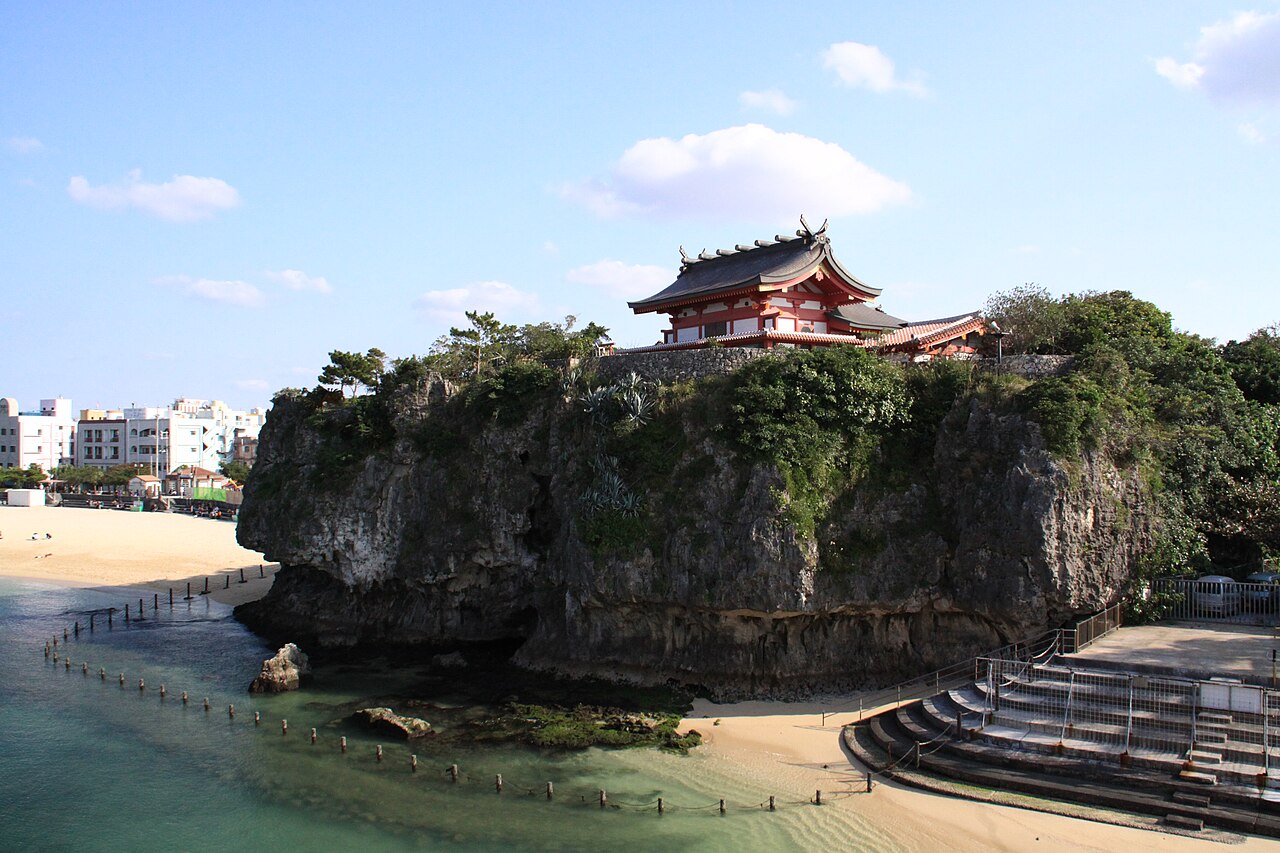
Okinawa's highest-ranked Shinto shrine, dramatically set on a coral cliff above Naha's only city beach.
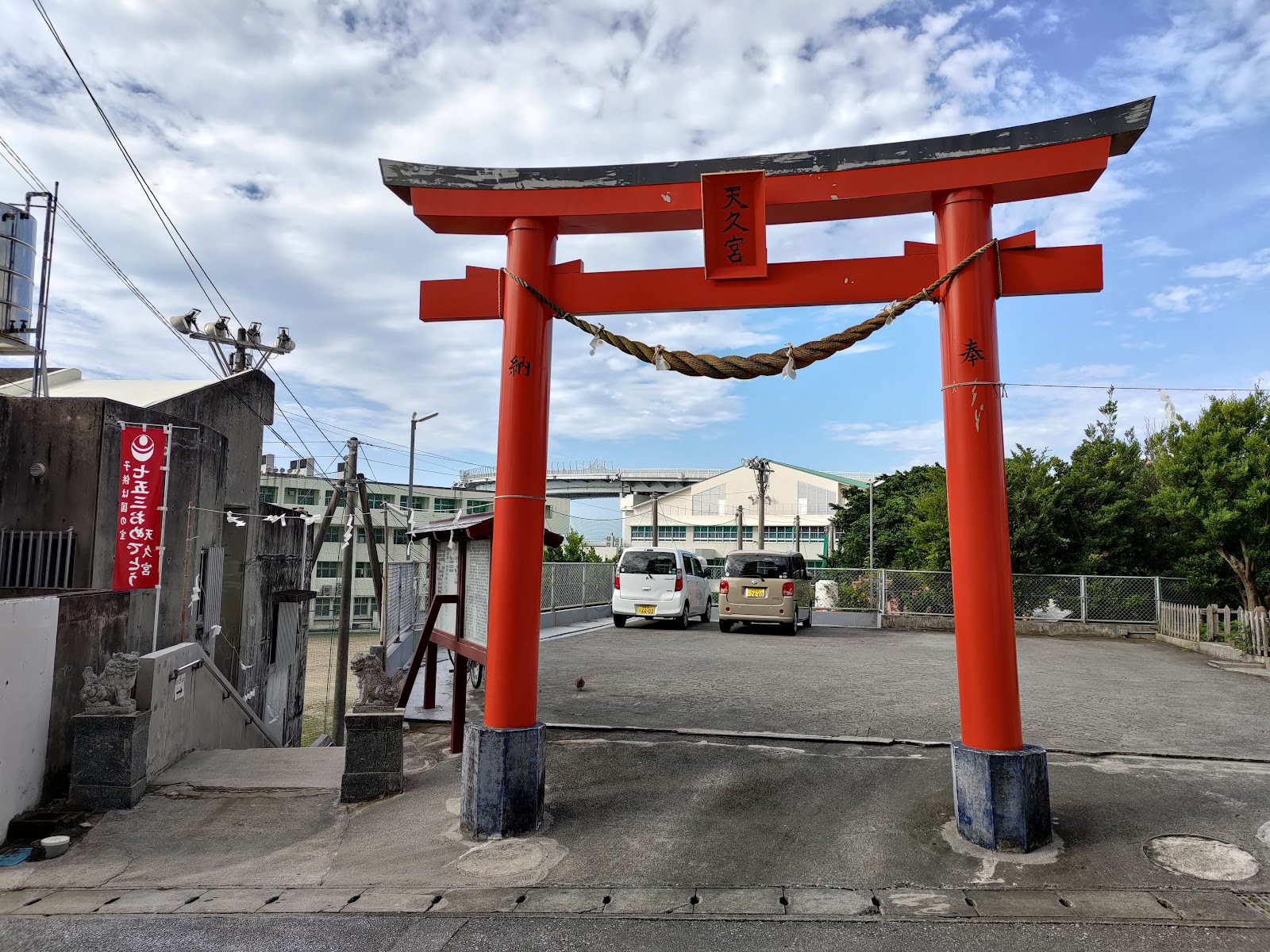
Naminoue Shrine, whose name means "above the waves", is the most important Shinto shrine in Okinawa and one of Naha's most atmospheric sacred sites. It occupies a spectacular position atop a rugged coral limestone cliff that drops straight to the sea, so that the vermilion shrine buildings appear to float above the water. For centuries this promontory was a place of prayer where Ryukyuan kings and sailors petitioned the gods for bountiful catches, safe voyages and the prosperity of the kingdom, its clifftop setting reflecting a deep connection between Okinawan spirituality and the surrounding ocean.
The shrine's origins reach back into the Ryukyu Kingdom era, when the site was revered as a sacred spot long before it took its present Shinto form. It became the foremost of Okinawa's officially ranked shrines, and although the original buildings, like so much of Naha, were destroyed in the Battle of Okinawa, they were rebuilt in the postwar decades. The reconstructed halls follow classic Shinto lines but incorporate Okinawan touches, and the guardian shisa lion-dogs and local motifs remind visitors that this is a distinctly Ryukyuan expression of the faith.
What makes a visit memorable is the setting. From the shrine's edge you look out over the East China Sea, and directly below lies Naminoue Beach, the only beach within Naha's city limits, where families swim in summer beneath the cliff. The juxtaposition is striking and very Okinawan: a solemn shrine, a busy urban beach, and beyond them an elevated expressway arcing over the water, all in a single frame. At sunset, when the sky and sea glow behind the shrine, the scene is genuinely beautiful.
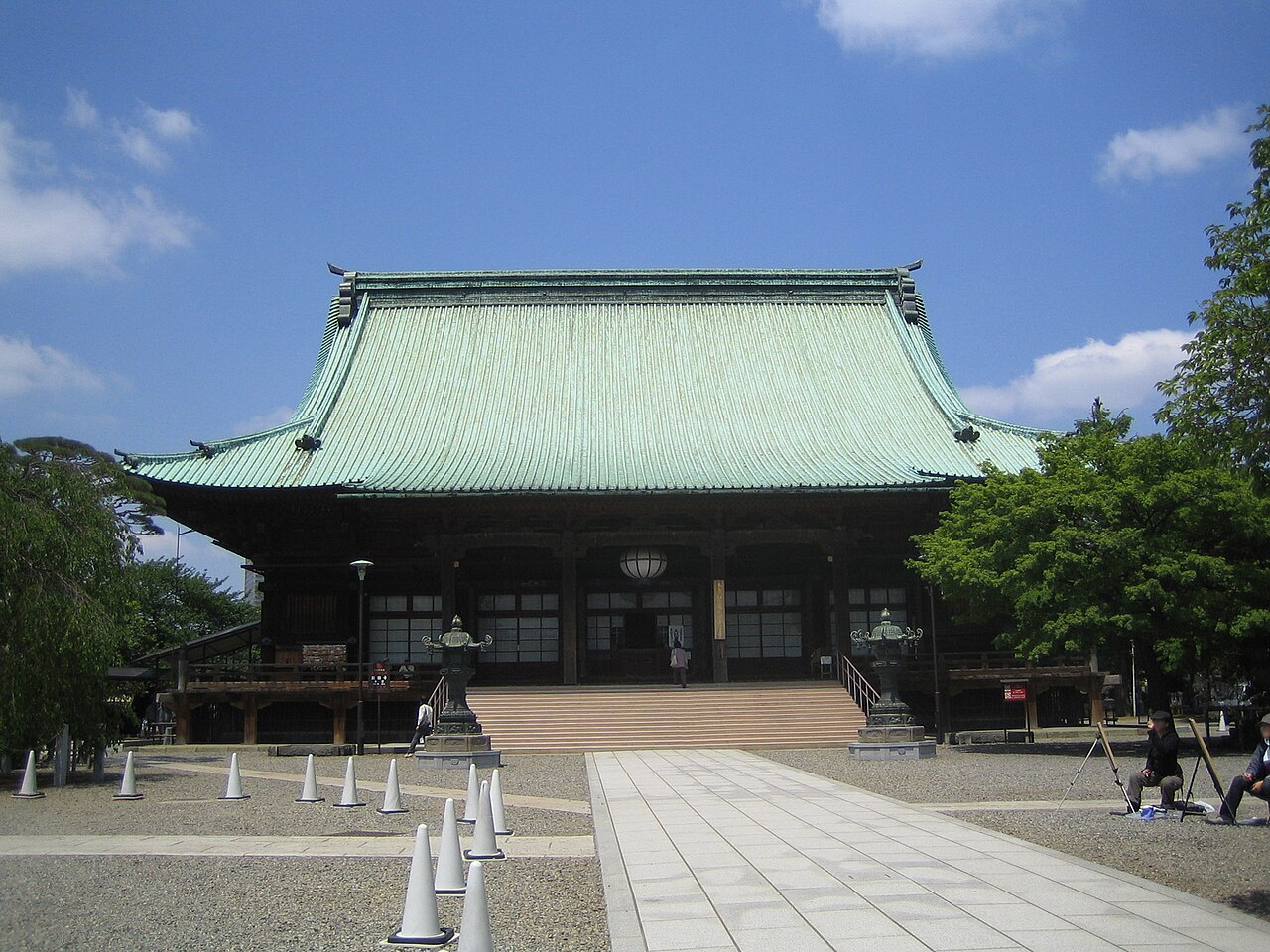
The shrine remains an active place of worship and a focus of community life. Locals come to pray for health, success and safe travel, to buy amulets, and to mark the milestones of the year, and it is especially busy at New Year for hatsumode. Nearby stands Gokoku-ji, a Buddhist temple, reflecting the historical blending of Buddhism and Shinto that characterised Ryukyuan religion.
The experience is short, free and easy, and the grounds are largely flat once you reach the top, though there are steps up from the street. Most visitors spend around forty minutes, combining the shrine with a stroll on the beach below. Because it sits within walking distance of Kokusai-dori and the monorail, it makes an easy addition to a day in central Naha.
A notable point is how the shrine encapsulates Okinawa's layered history: a pre-Shinto sacred site, absorbed into the Ryukyu Kingdom's spiritual life, formalised as a Japanese shrine, destroyed in war and rebuilt in peace, now overlooking a modern city beach. Few places tell the story of the island's continuity and change so compactly.
The best time to visit is late afternoon, when the sun hangs over the sea beside the shrine, though it is rewarding at any hour. Reach it in about fifteen minutes on foot from Asahibashi monorail station, or by a short taxi from the centre. For a moment of calm and a memorable coastal view within the heart of Naha, Naminoue Shrine is hard to beat.
A local's tip
Walk down to Naminoue Beach directly below the shrine for the unusual sight of a Shinto sanctuary perched on a cliff above swimmers and, further out, the elevated expressway.
Best time to visit
Late afternoon, when the sun sits over the sea beside the shrine
Getting there
About fifteen minutes on foot from Asahibashi monorail station toward the coast, or a short taxi ride from Kokusai-dori.
Good to know
- Restrooms
- Amulet shop
- Beach nearby
Plan the whole trip offline
Naminoue Shrine is one of many places in the Real Japan app — with turn-by-turn directions, nearby spots and full offline maps you can use with no signal.