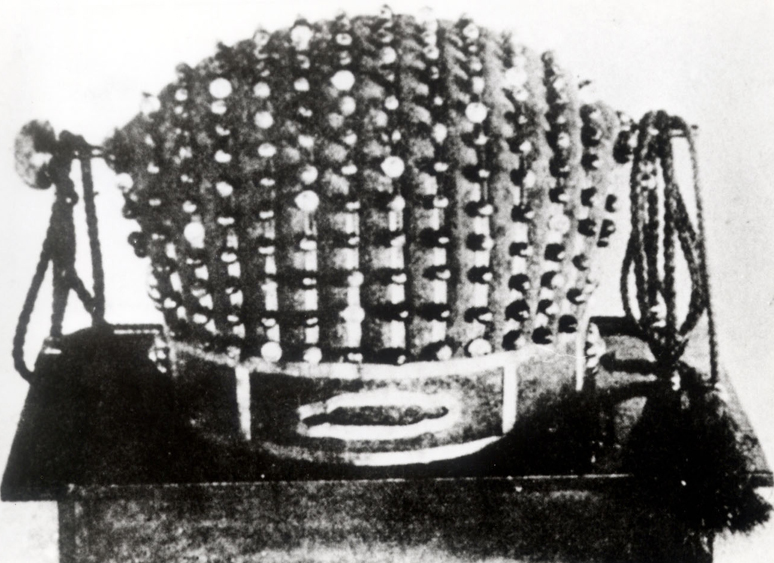
A central Naha museum holding the royal treasures of the Ryukyu Kingdom's Sho dynasty.
The Naha City Museum of History is a compact but exceptionally rich museum in the center of the Okinawan capital, best known as the keeper of the royal treasures of the Sho dynasty, the family that ruled the independent Ryukyu Kingdom for centuries. Tucked inside the Palette Kumoji building at the western end of the famous Kokusai-dori shopping street, it offers a concentrated and convenient window into the history and culture of the islands.
The Ryukyu Kingdom, which flourished from the fifteenth century until its annexation by Japan in the late nineteenth century, was a sophisticated maritime state that traded across East and Southeast Asia and developed a refined court culture of its own. When the kingdom was dissolved, the treasures of its royal house were preserved, and a remarkable collection of these objects, belonging to the descendants of the Sho kings, is now held and displayed by this museum. A significant portion of the collection has been designated as National Treasures of Japan, an unusual distinction for a city museum.
Among the highlights are royal crowns, elaborate court robes and garments woven from the finest silks and dyed using the vivid bingata stencil-dyeing technique unique to Okinawa, along with lacquerware, personal ornaments, official documents and diplomatic records. These pieces reveal the artistry and international outlook of the Ryukyu court, and their colors and craftsmanship are genuinely dazzling. Because textiles and delicate objects are vulnerable to light, the museum rotates its displays, so the exact treasures on view change through the year, and repeat visitors can always find something new.
Beyond the royal collection, the museum tells the broader story of Naha and Okinawa, from prehistoric times through the age of the kingdom, the hardships of the twentieth century including the devastation of the Battle of Okinawa, and the city's postwar recovery. Photographs, maps, everyday artifacts and folk materials trace how ordinary people lived, worked and celebrated, giving context to the grandeur of the court pieces. English-language support helps international visitors appreciate the exhibits.
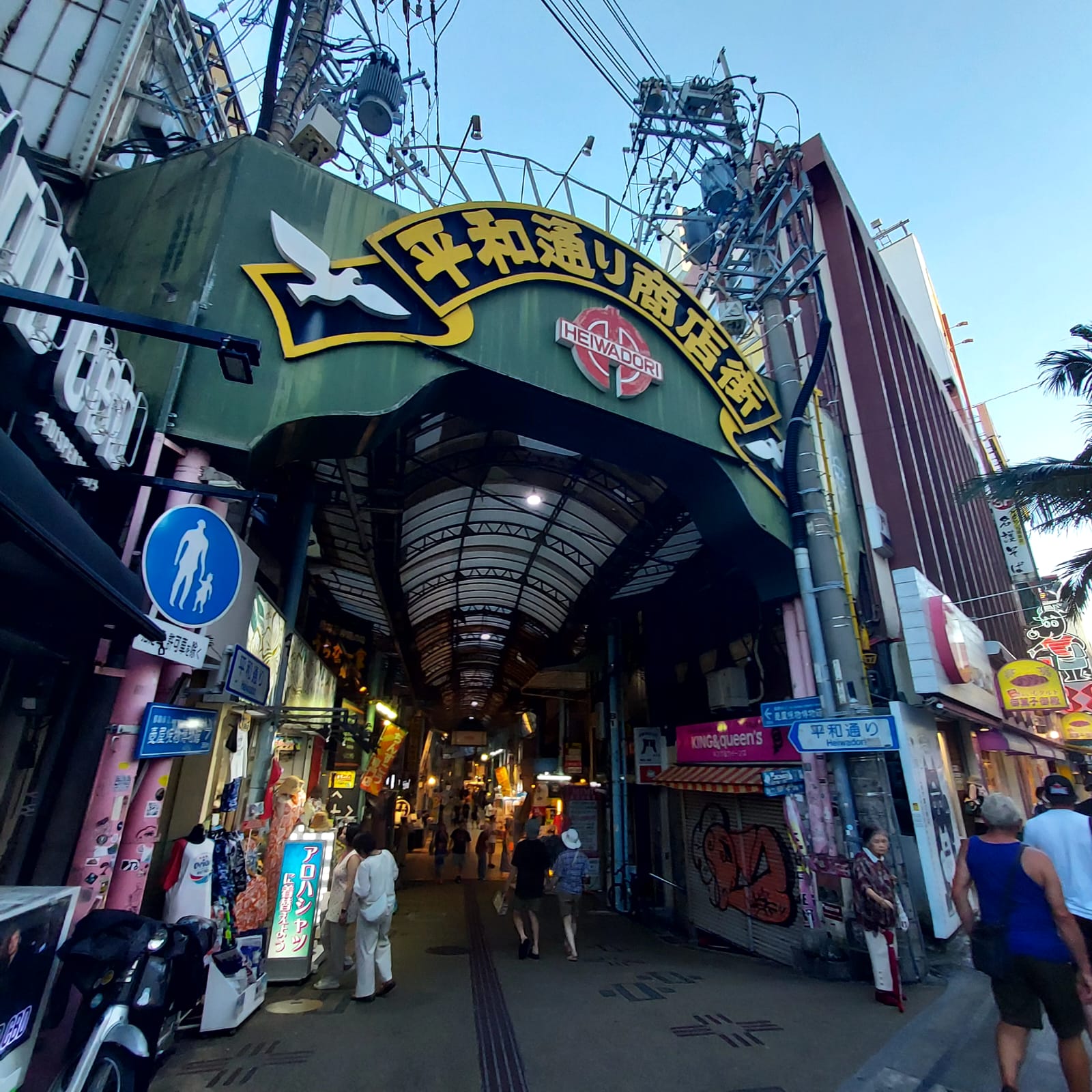
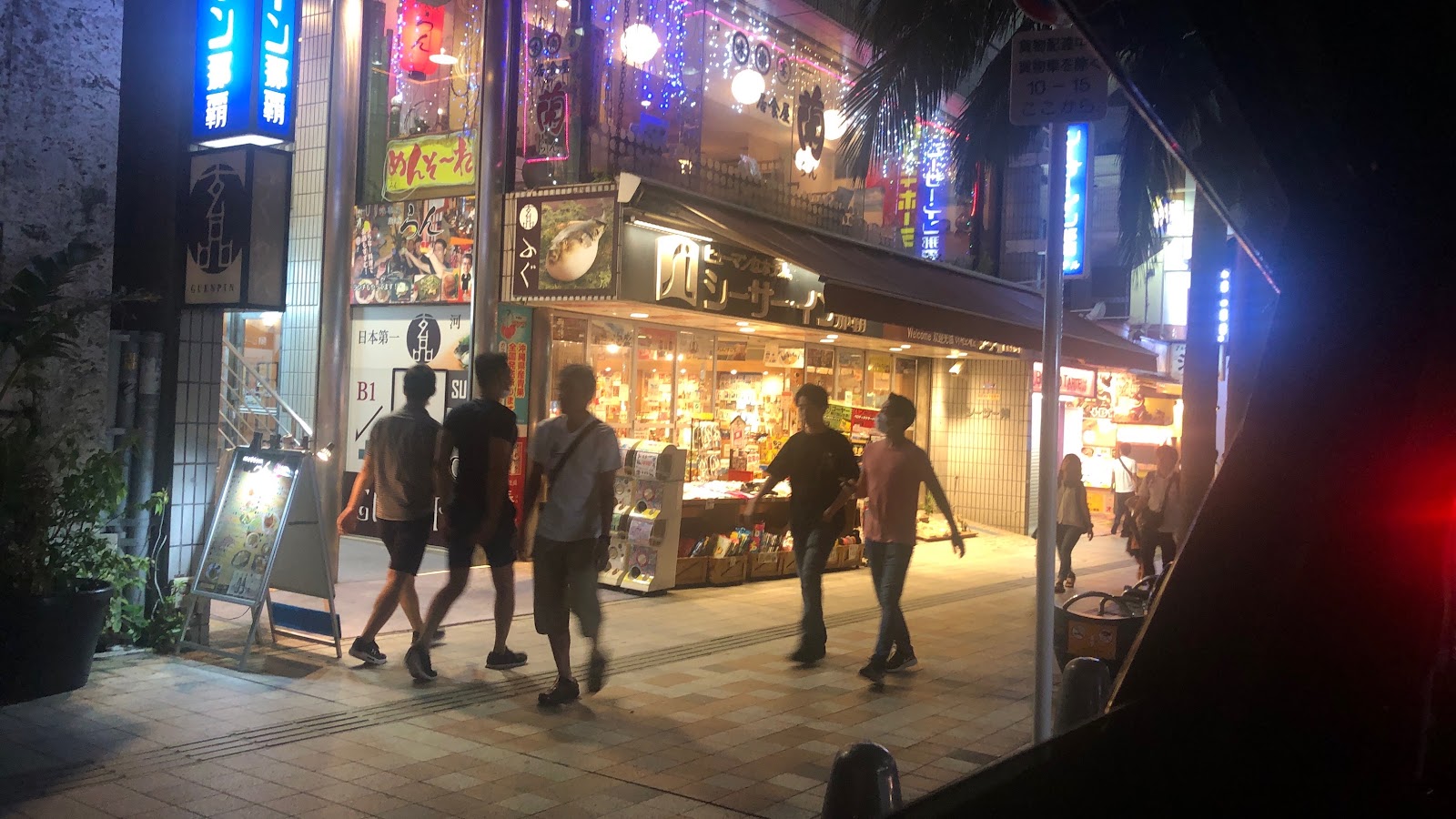
The museum's central location makes it one of the easiest cultural stops in Naha. It sits directly above Kencho-mae Station on the Yui Rail monorail and at the foot of Kokusai-dori, the mile-long main street packed with shops, restaurants and markets. This makes it simple to fold a visit into a day of exploring the city, perhaps combining it with the nearby Tsuboya pottery district, the Makishi public market and the arcades of Heiwa-dori.
Compact enough to appreciate fully in about forty-five minutes to an hour, the Naha City Museum of History rewards visitors with a rare close-up look at the material culture of a vanished kingdom. For anyone curious about what set Okinawa apart from mainland Japan, from its dyeing and weaving traditions to its royal ceremonies and its role as a trading hub, this museum offers an intimate and memorable introduction, all within a few steps of the monorail in the busy heart of Naha.
A local's tip
The museum owns royal treasures of the Sho dynasty, including garments and a crown designated National Treasures; check which pieces are on rotation before you go, as they are displayed in shifts to protect them.
Best time to visit
Any time; convenient central Naha stop
Getting there
From Kencho-mae Station on the Yui Rail monorail, the museum is a 3-minute walk inside the Palette Kumoji building on the 4th floor, at the western end of Kokusai-dori.
Good to know
- Wi-Fi
- Parking
- Restrooms
Plan the whole trip offline
Naha City Museum of History is one of many places in the Real Japan app — with turn-by-turn directions, nearby spots and full offline maps you can use with no signal.