Okinawa's oldest Buddhist temple, founded in 1367 beside Naminoue Shrine and rebuilt after the Battle of Okinawa.
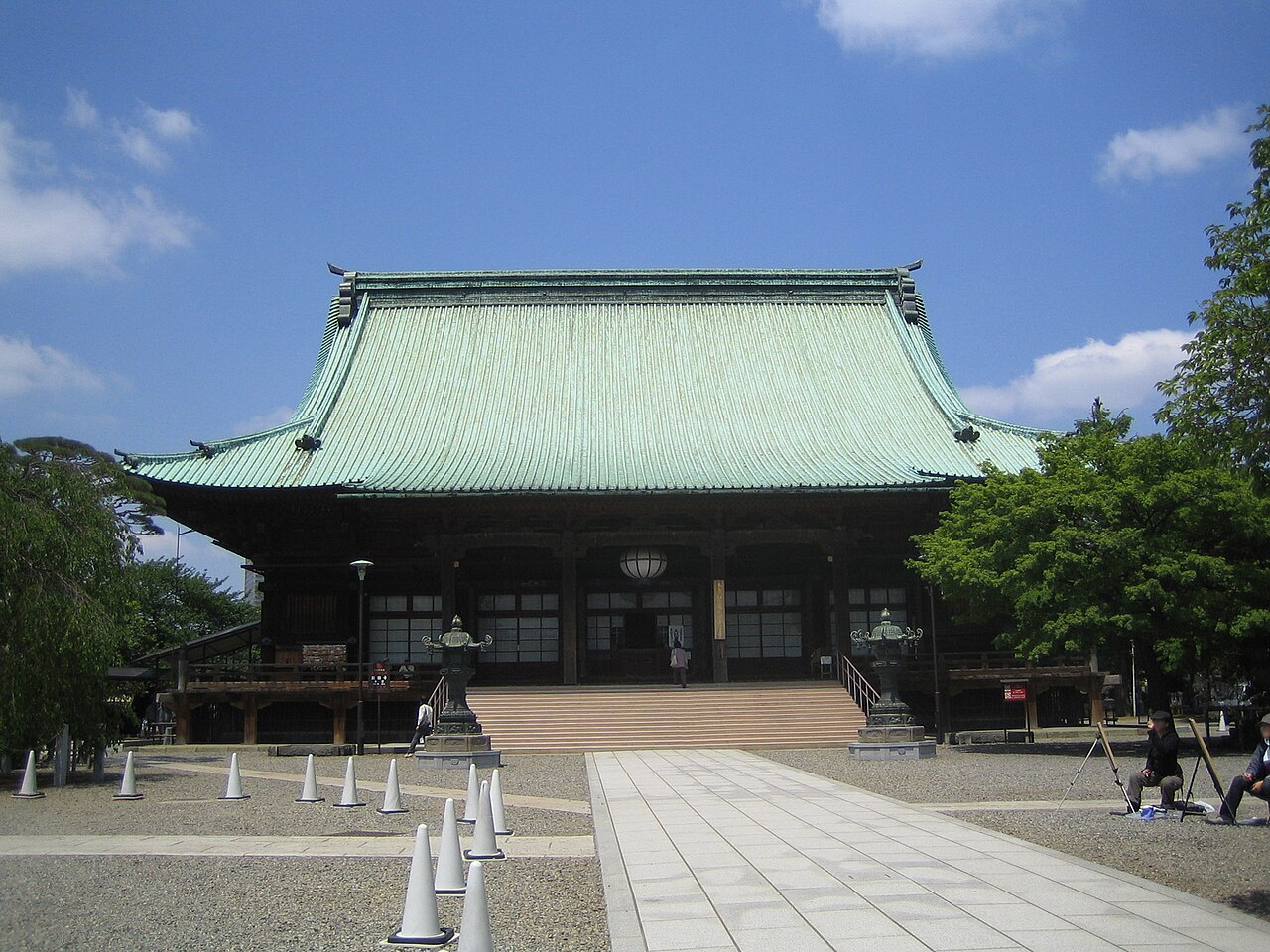
Gokoku-ji is the oldest Buddhist temple in Okinawa, a temple of the Koyasan Shingon sect standing on the Wakasa bluff in Naha, directly beside Naminoue Shrine. It was founded in 1367 by Raiju, a monk from Satsuma, under the patronage of the Chuzan kingdom, and it grew into a principal national temple first of Chuzan and then of the unified Ryukyu Kingdom that followed. For centuries it functioned as the Buddhist counterpart to the Shinto worship at Naminoue on the same headland, the two sites forming a single spiritual complex above the sea.
The temple carries one of the more unusual episodes in Okinawan religious history. In 1846 the British missionary and physician Bernard Jean Bettelheim, the first Protestant missionary to the Ryukyus, effectively occupied Gokoku-ji for around seven years, using it as a residence and clinic while pushing out its Buddhist community. A stone monument on the grounds today marks his stay, an early and contentious point of contact between Okinawa and the West.
Like almost every historic structure in Naha, Gokoku-ji was destroyed in the 1945 Battle of Okinawa. It was rebuilt in the postwar years and remains an active temple, modest in scale and unshowy compared with grander mainland temples. That plainness is part of its appeal: rather than a tourist spectacle, it offers a working neighborhood temple with a small, well-kept garden, incense in the air, and a genuine sense of continuity with a religious life that predates the kingdom's fall.
Highlights are quiet ones. The main hall houses the temple's Buddhist images; outside, look for the Bettelheim monument and the old stone elements that survived or were recovered after the war. Because the temple shares its headland with Naminoue, you can walk straight from the temple gate to the shrine and then down to Naminoue Beach, the only swimming beach within Naha city, making this one of the most efficient culture-and-coast stops in the capital.
The visiting experience is calm and brief; most travelers spend twenty to thirty minutes. The grounds are largely flat and easy to reach, suitable for casual visitors, and entry is free. Early morning is the best time, before the midday heat and before tour groups arrive at neighboring Naminoue. Photography is fine in the outer grounds; be respectful and quiet if a service or private prayer is underway.
Getting there is straightforward. Gokoku-ji sits in the Wakasa 1-chome area of Naha, roughly an 18-minute walk northwest from Asahibashi Station on the Yui Monorail, Okinawa's only rail line. City buses running toward Wakasa or Naminoue stop nearby, and there is a small free parking lot shared with the shrine for those driving. Remember that Okinawa has no JR network and no Shinkansen, so a JR Pass is of no use here; within Naha the monorail, buses, and taxis are your options. Pair Gokoku-ji with Naminoue Shrine and the beach for a compact, rewarding half-day in old Naha.
A local's tip
Combine it with next-door Naminoue Shrine and the beach below in one loop; the temple's quiet garden is the calmer half of the pair.
Best time to visit
Morning, when the grounds are quiet and cool
Getting there
In Naha's Wakasa district, on the bluff beside Naminoue Shrine. From Asahibashi Station on the Yui Monorail it is about an 18-minute walk northwest; alternatively take a city bus toward Wakasa or Naminoue and alight near Naminoue-gu. By car there is a small free lot shared with the shrine. No JR or Shinkansen exists on Okinawa.
Good to know
- Parking
- Restrooms
Plan the whole trip offline
Gokoku-ji Temple is one of many places in the Real Japan app — with turn-by-turn directions, nearby spots and full offline maps you can use with no signal.