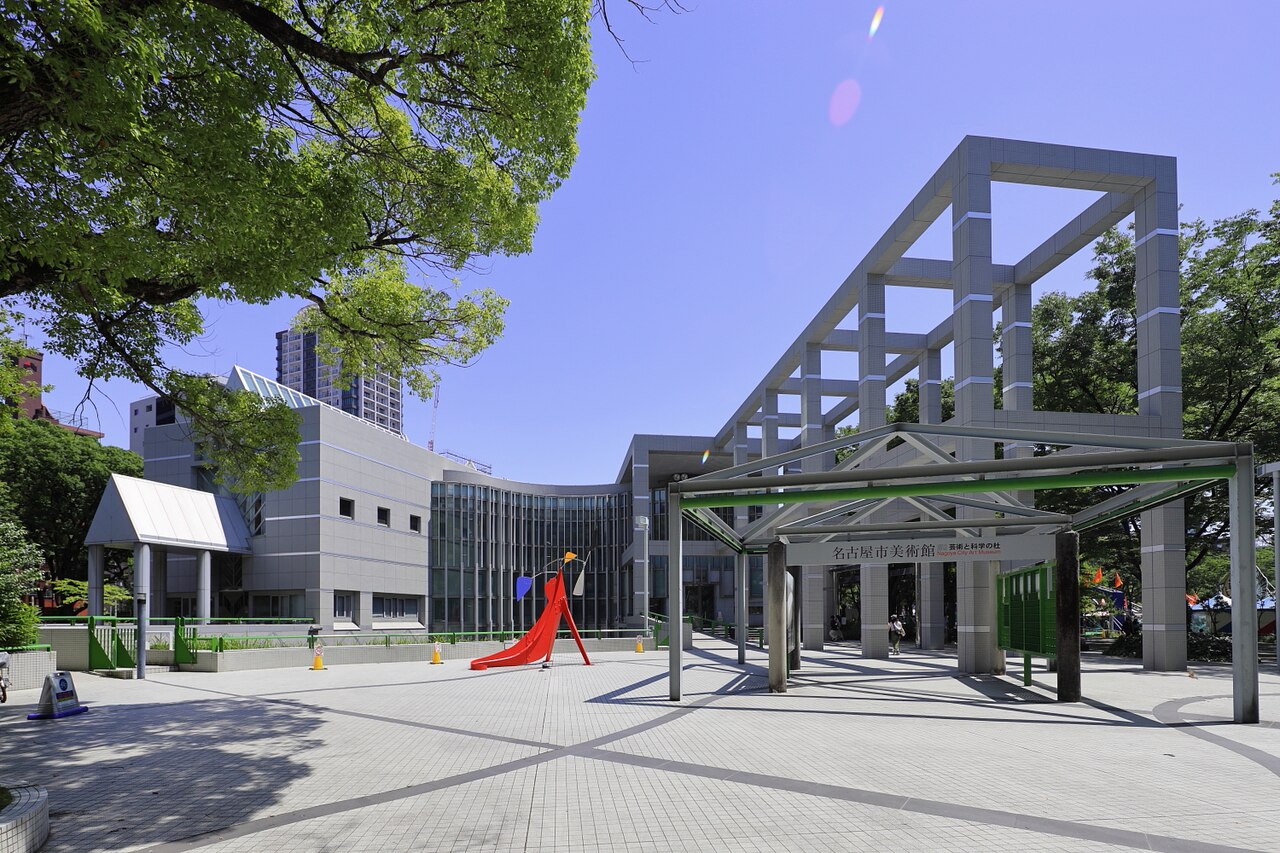
A Kisho Kurokawa-designed art museum in Shirakawa Park, strong on the School of Paris and Japanese modernism.
The Nagoya City Art Museum is the city's principal public collection of modern and contemporary art, housed in a striking building by the celebrated architect Kisho Kurokawa in the green setting of Shirakawa Park. Opened in 1988, it combines a thoughtfully assembled permanent collection with an ambitious programme of temporary exhibitions, and it offers a refined cultural counterpoint to the science and industry for which Nagoya is better known.
The building itself deserves attention before you even step inside. Kurokawa, a leading figure of the Japanese Metabolist movement, designed a structure that consciously blends modern geometry with references to traditional Japanese and regional forms, incorporating motifs drawn from local castle-town architecture and the wider currents of postmodernism. The result is a landmark of late twentieth-century Japanese design, and architecture enthusiasts often visit for the building as much as the art.
The permanent collection is organised around several strengths. It holds a notable group of works from the School of Paris, the international community of artists who gathered in the French capital in the early twentieth century, including pieces associated with Modigliani, Chagall and Foujita, whose Japanese-French heritage gives him particular resonance here. The Mexican Renaissance muralists are represented, an unusual focus for a Japanese museum, alongside a strong holding of modern Japanese art.
Of special local pride are works by Yayoi Kusama, the polka-dotted, infinitely inventive artist who has become one of the most recognised names in global contemporary art, and by other artists connected to the Aichi region. The collection traces the development of Japanese modernism and avant-garde movements, offering visitors a compact but coherent survey of how Japanese artists absorbed and transformed international influences across the twentieth century.
The museum's temporary exhibitions are frequently its biggest draw, bringing major touring shows of Western and Japanese masters to Nagoya and often forming part of the region's broader arts calendar, including the periodic Aichi Triennale. Checking what is on before you visit can turn a pleasant stop into a highlight of a trip.
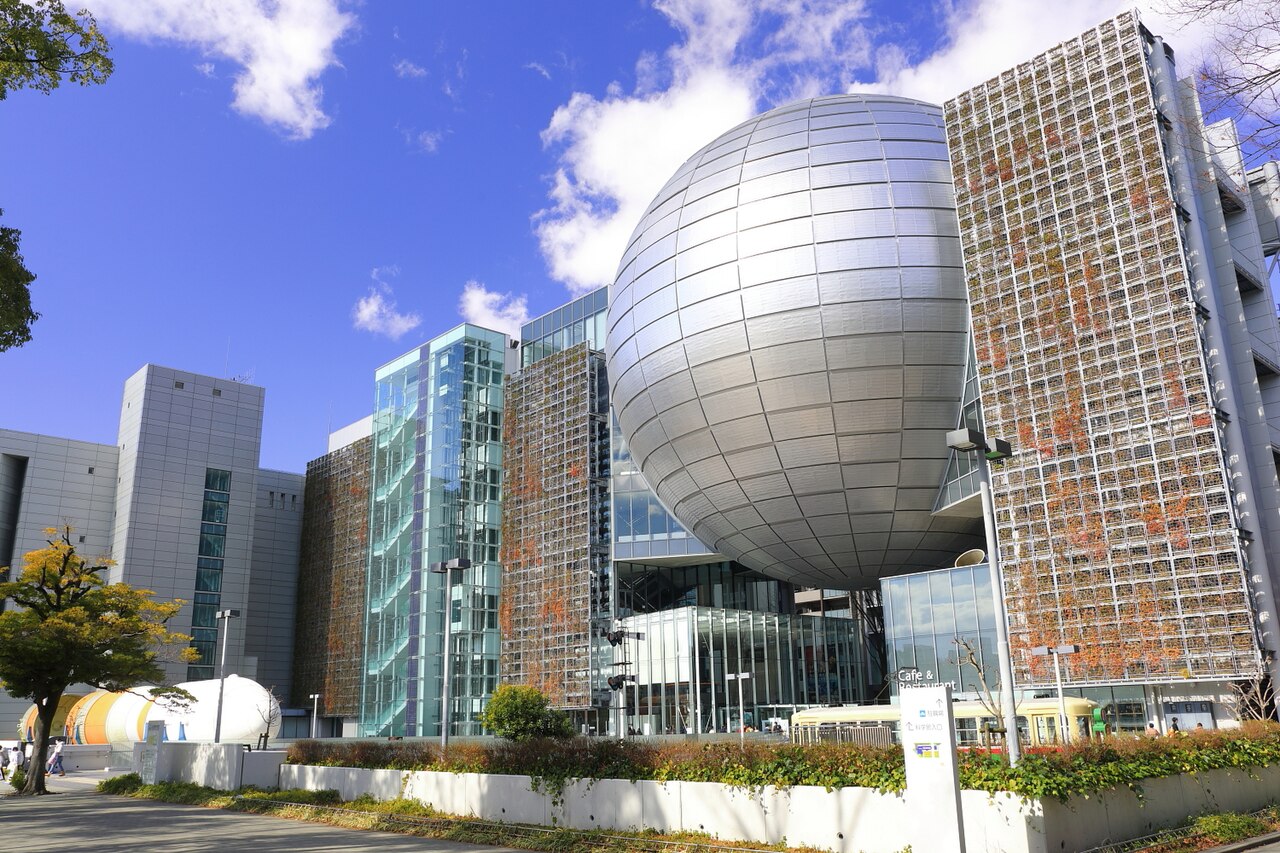
The visiting experience is calm, spacious and easy to navigate, with a cafe and a well-stocked museum shop. Because the museum shares Shirakawa Park with the Nagoya City Science Museum and its famous planetarium, families can readily pair a morning of science with an afternoon of art, or vice versa, and the park's lawns and cherry trees make a relaxing setting for a break in between.
Getting there is simple. Fushimi Station on the Higashiyama and Tsurumai subway lines is about eight minutes' walk away, keeping the museum well within the central city. The building is fully accessible, with lifts and facilities throughout.
For travellers who want to balance Nagoya's industrial and historical attractions with something more contemplative, the Nagoya City Art Museum offers an elegant, unhurried encounter with modern art in a building that is itself a significant work of design. It is a quietly rewarding stop in the heart of the city.
A local's tip
Seek out the works by local hero and international art star Yayoi Kusama and the School of Paris paintings including Modigliani; the building itself, by Metabolist architect Kisho Kurokawa, is worth studying as a work of art.
Best time to visit
During a major special exhibition
Getting there
From Fushimi Station walk about eight minutes into Shirakawa Park; the museum, designed by architect Kisho Kurokawa, stands across the lawns from the Science Museum.
Good to know
- Cafe
- Wi-Fi
- Gift shop
- Restrooms
Plan the whole trip offline
Nagoya City Art Museum is one of many places in the Real Japan app — with turn-by-turn directions, nearby spots and full offline maps you can use with no signal.