Home to one of the world's largest planetariums, a giant silver globe packed with hands-on science exhibits.
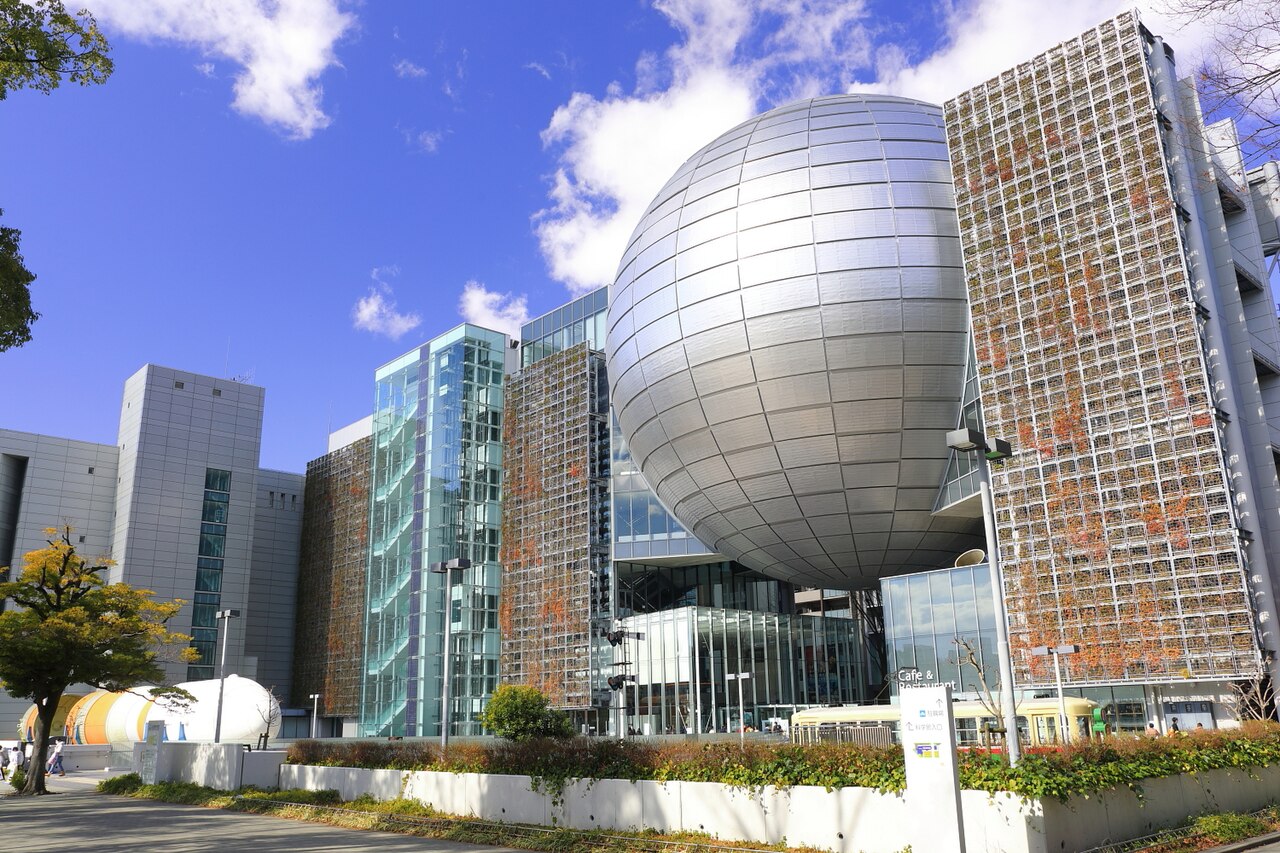
The Nagoya City Science Museum is instantly recognisable by its architecture: a vast silver sphere thirty-five metres across, seemingly suspended between two rectangular buildings in the greenery of Shirakawa Park. Inside that globe sits the museum's crown jewel, the Brother Earth planetarium, which when it opened in 2011 was the largest planetarium dome in the world and remains among the biggest anywhere, seating around 350 people beneath a breathtakingly realistic artificial night sky.
The planetarium is the reason many people come, and it lives up to its reputation. Using an advanced optical projector regarded as one of the finest in existence, it renders the stars with extraordinary clarity and depth, and the daily programmes, narrated live in Japanese, guide audiences through the constellations, the planets and the wonders of the cosmos. Tickets are timed and limited, and demand is high, so buying a seat immediately on arrival is essential; the shows frequently sell out by midday, especially on weekends and holidays.
But the museum is far more than its dome. Spread across seven floors are hundreds of interactive exhibits covering physics, chemistry, biology, astronomy and the environment, designed to be touched, operated and experimented with. Two demonstrations in particular draw crowds: a giant artificial tornado nine metres tall that swirls before your eyes, and a deep-cold laboratory chilled to minus thirty degrees Celsius, where visitors don coats to witness the behaviour of ice and the aurora. There is also a high-voltage electrical discharge show with dramatic artificial lightning.
The visiting experience is engaging for all ages, with a strong emphasis on learning by doing. Younger children have areas suited to play-based discovery, while older students and adults find genuine depth in the exhibits on energy, space exploration and the human body. Although much of the labelling is in Japanese, the hands-on nature of the displays means language is rarely a barrier to enjoyment, and the sheer spectacle of the planetarium and demonstrations transcends words.
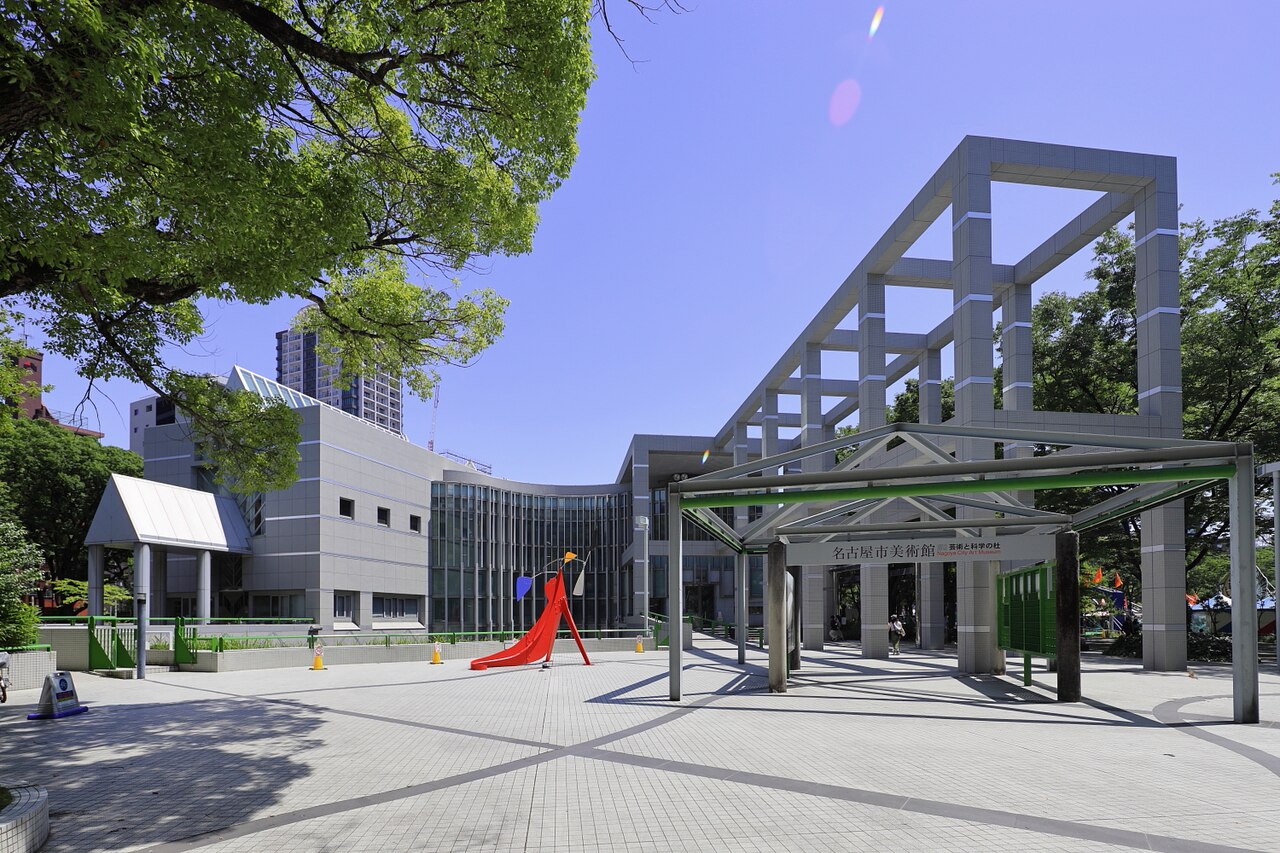
The museum sits in Shirakawa Park in the central Fushimi district, sharing the green space with the Nagoya City Art Museum, so science and art lovers can easily combine the two in a single outing. The park itself is a pleasant place to pause, with lawns and seasonal trees, and the surrounding area offers plenty of cafes and restaurants.
Getting there is very convenient. Fushimi Station, an interchange of the Higashiyama and Tsurumai subway lines, is a five-minute walk away, placing the museum within easy reach of the city centre. The building is modern, fully accessible and well equipped with lifts and facilities.
For families travelling with curious children, for stargazers eager to experience a world-class planetarium, or for anyone who enjoys a science museum done exceptionally well, the Nagoya City Science Museum is one of the city's most popular and rewarding attractions, a place where wonder and learning meet under a giant silver sky.
A local's tip
The planetarium, one of the largest in the world, sells out fast; buy your timed ticket the moment you arrive, then explore the tornado lab and the deep-freezing minus-30-degree room while you wait.
Best time to visit
Weekday to secure a planetarium seat
Getting there
From Fushimi Station on the Higashiyama or Tsurumai subway lines, walk about five minutes into Shirakawa Park; the giant silver globe of the planetarium is unmistakable.
Good to know
- Cafe
- Wi-Fi
- Gift shop
- Restrooms
Plan the whole trip offline
Nagoya City Science Museum is one of many places in the Real Japan app — with turn-by-turn directions, nearby spots and full offline maps you can use with no signal.