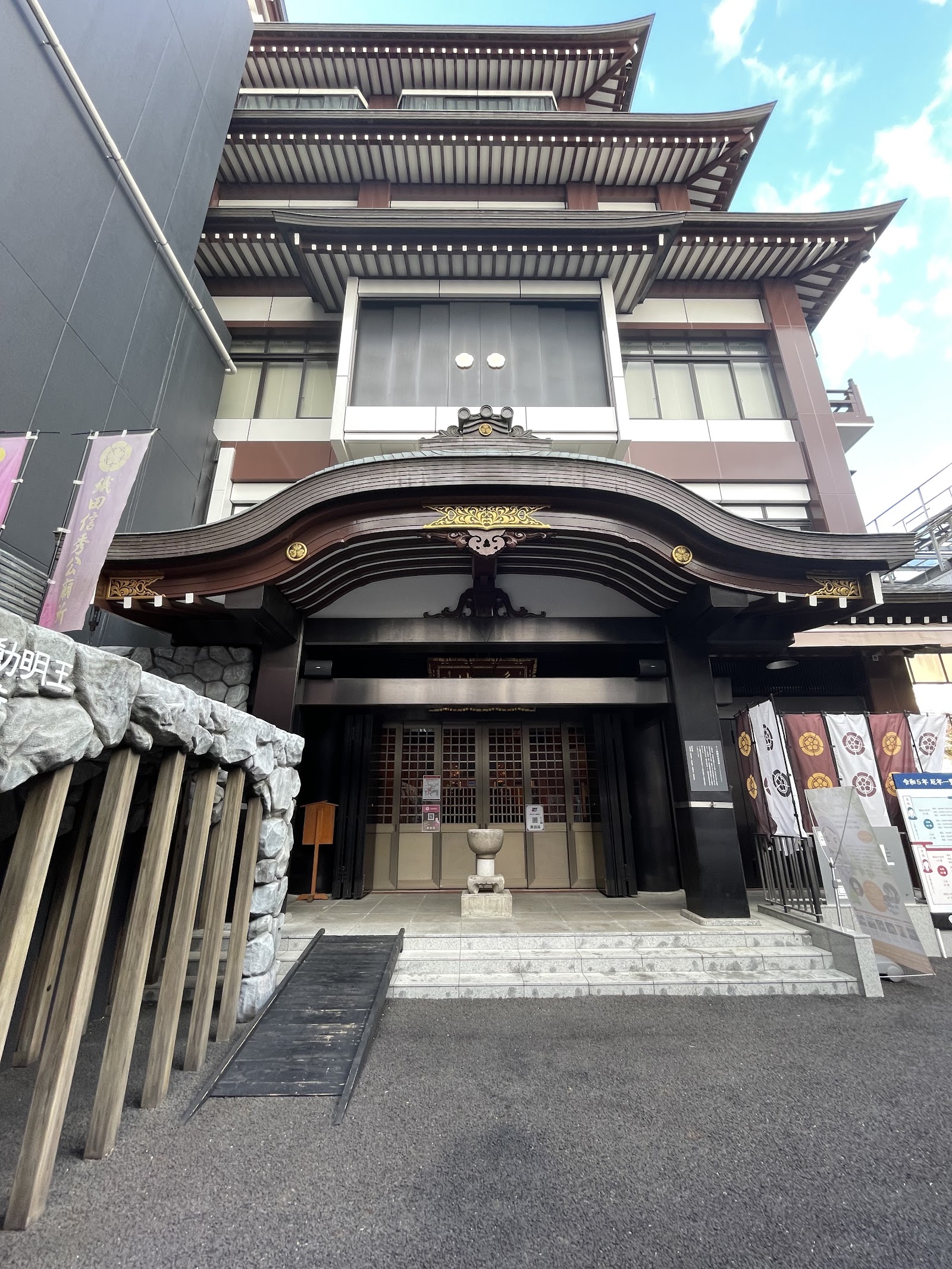
The Oda family temple in the Osu arcades, where a mechanical clock retells the dramatic life of Oda Nobunaga.
Banshoji is a temple with an outsized place in Japanese history, hidden in plain sight among the shopping arcades of the Osu district. It was founded in 1540 by Oda Nobuhide as the family temple of the Oda clan, and it is intimately bound up with the story of his son, Oda Nobunaga, the ruthless and brilliant warlord who set Japan on the path to reunification in the sixteenth century.
The temple's most famous historical episode took place at Nobuhide's funeral, held here in 1551. According to the celebrated account, the young Nobunaga arrived dishevelled and behaved with shocking impropriety, seizing a handful of incense and hurling it at his father's memorial tablet. Contemporaries read the outburst as proof that the heir was a reckless fool, but history would prove them spectacularly wrong. That scene, so revealing of Nobunaga's volcanic character, has become one of the defining anecdotes of his legend, and it happened on this very ground.
Today Banshoji embraces its connection to the warlord with a distinctly modern flourish. In the temple courtyard stands a mechanical karakuri clock that, several times each day, springs to life to re-enact key moments from Nobunaga's dramatic career through animated figures, music and narration. The performances draw a curious crowd and make the temple a lively, family-friendly stop that turns a history lesson into entertainment. A statue of Nobunaga stands nearby, a reminder of the man whose ambition began, in part, with the shocking gesture recorded here.
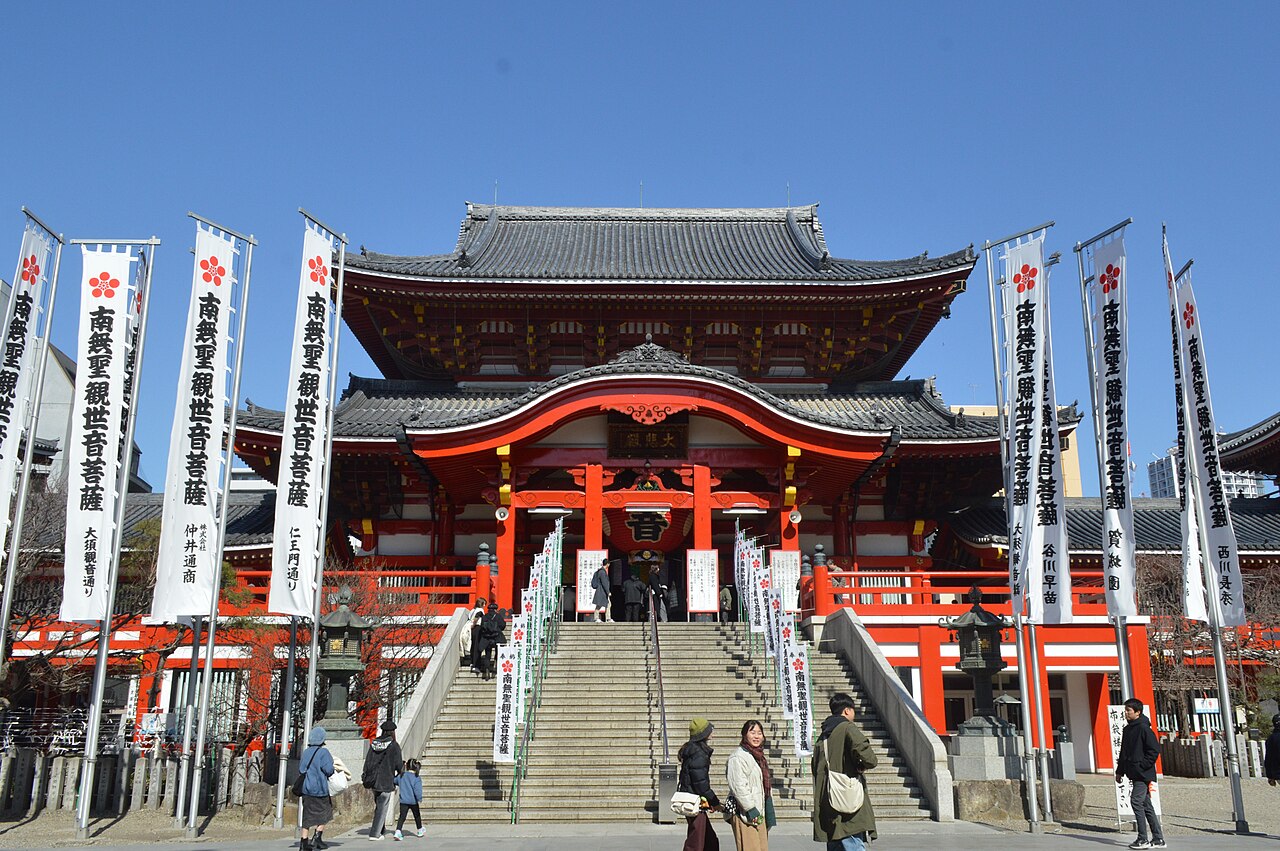
The temple belongs to the Soto Zen school and, like much of central Nagoya, was rebuilt after wartime destruction; the current halls are modern. What it lacks in ancient fabric it makes up for in atmosphere and story, and its location deep in the covered Osu arcades makes it one of the most accessible temples in the city. You can pray at the main hall, watch the karakuri show, and be back among the ramen shops and vintage stores within minutes.
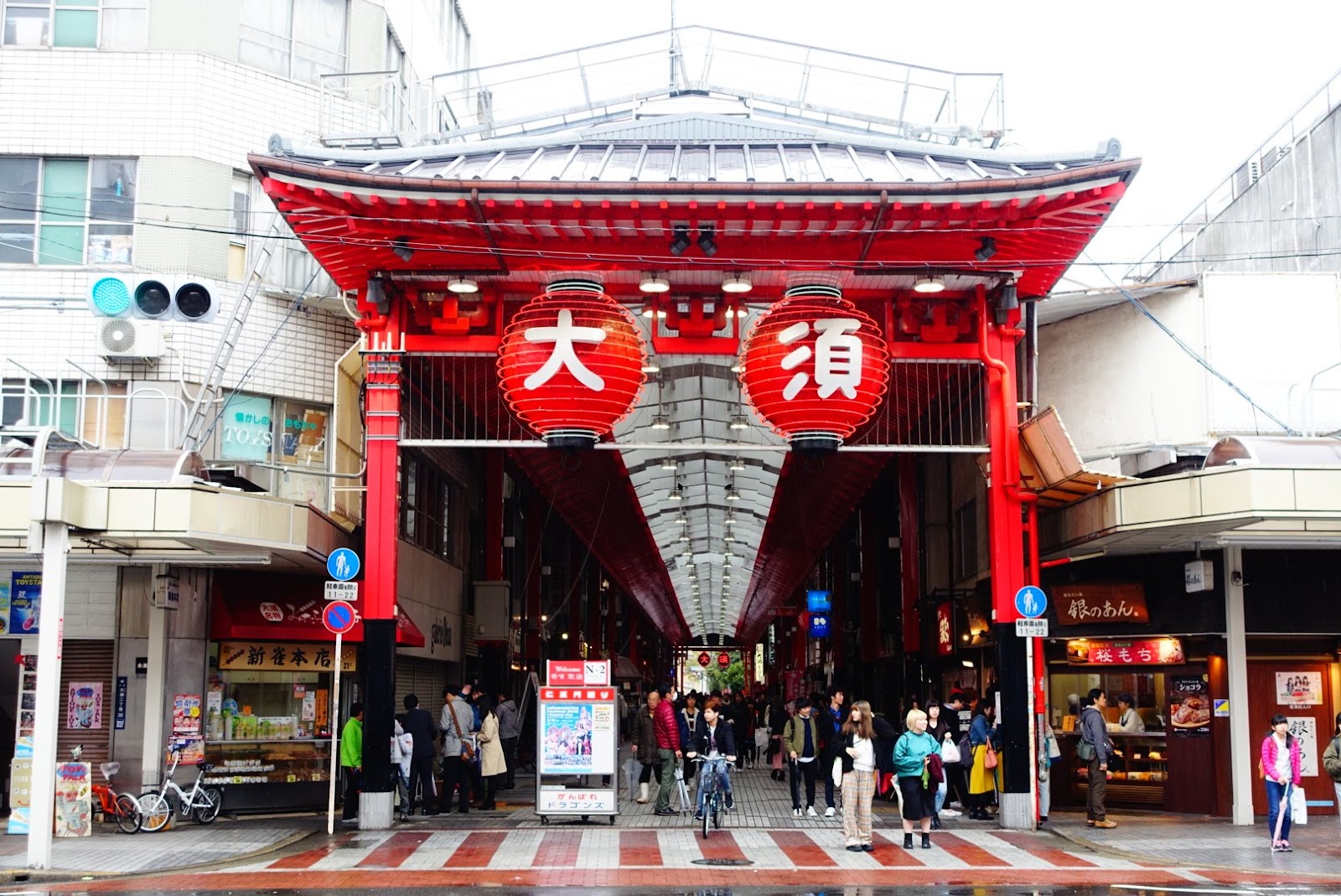
The visiting experience is short, engaging and best woven into a wider exploration of Osu. The district around the temple is a riotous mix of the sacred and the commercial, where centuries-old shrines rub shoulders with anime shops, secondhand boutiques and international restaurants. Banshoji anchors this happy chaos with a genuine link to one of the towering figures of Japanese history.
Getting there is effortless. Kamimaezu Station, an interchange between the Meijo and Tsurumai subway lines, is about five minutes' walk away, and Osu Kannon Station is a similar distance on the other side. The grounds are flat, paved and fully accessible, and admission is free.
For travellers fascinated by the Sengoku era of warring states, Banshoji offers a rare chance to stand where its most electrifying character once caused a scandal, and to watch that very moment brought back to life by clockwork. It is history with a wink, in the middle of Nagoya's most entertaining neighbourhood.
A local's tip
A modern mechanical karakuri clock re-enacts the life of Oda Nobunaga several times a day in the courtyard; the temple was founded by the Oda family and Nobunaga is said to have famously hurled incense at his father's funeral here.
Best time to visit
On the hour to catch the karakuri puppet show
Getting there
From Kamimaezu Station on the Meijo or Tsurumai subway lines, walk about five minutes into the Osu district; the temple stands amid the shopping arcades.
Good to know
- Wi-Fi
- Shopping
- Restrooms
Plan the whole trip offline
Banshoji Temple is one of many places in the Real Japan app — with turn-by-turn directions, nearby spots and full offline maps you can use with no signal.