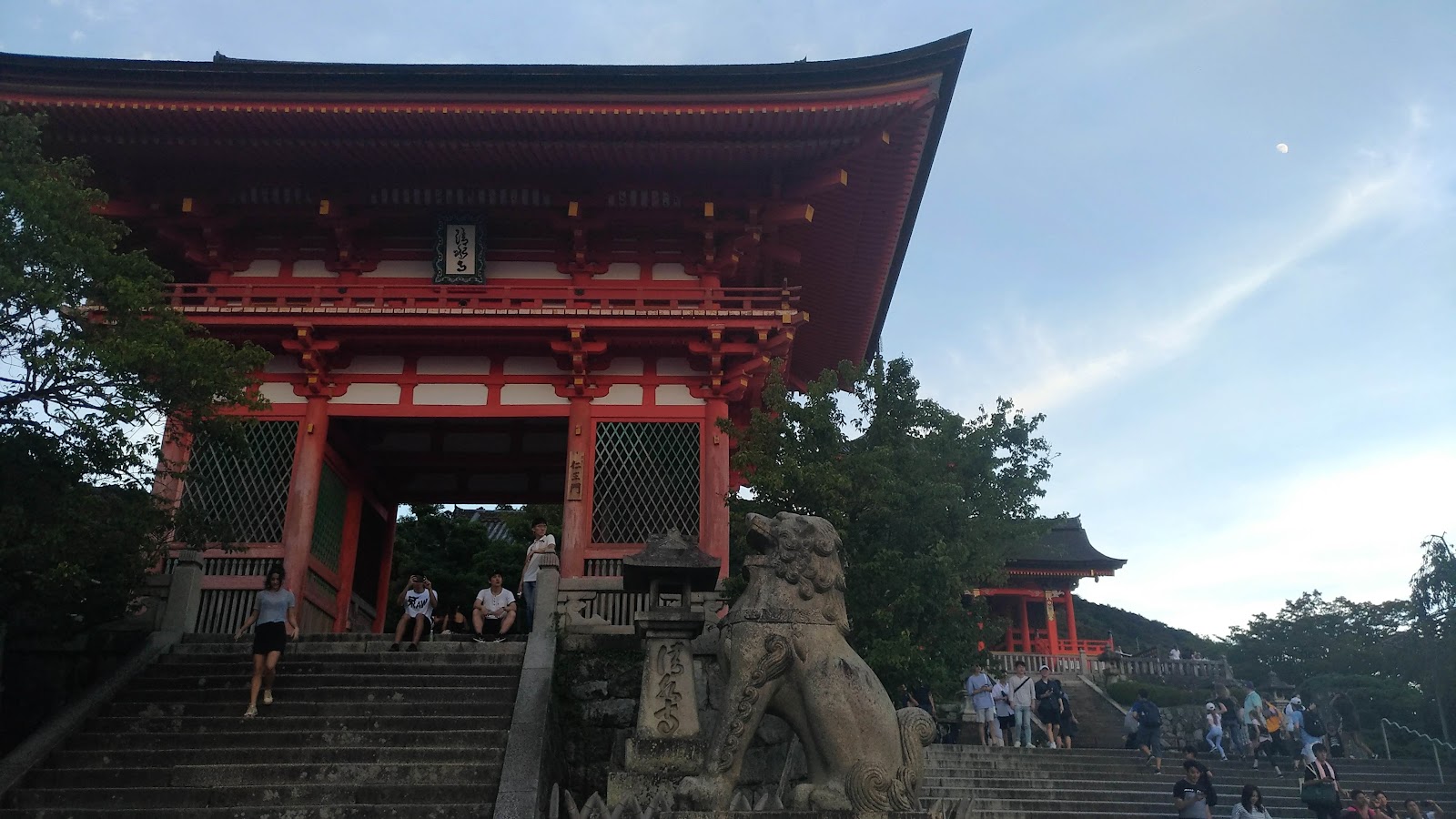
A hillside Shingon temple with one of Nagasaki's oldest surviving halls, offering quiet grounds and rooftop views.
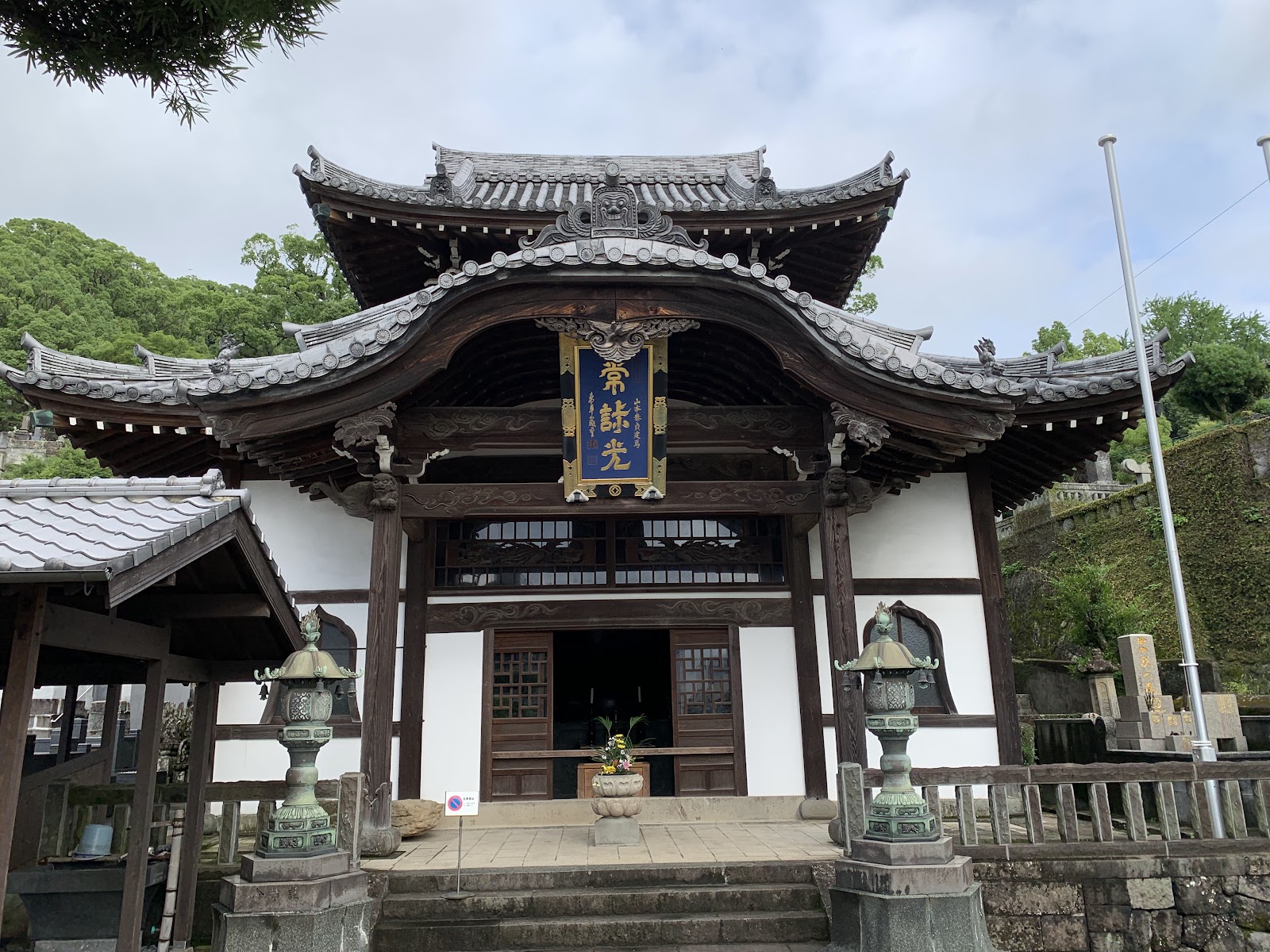
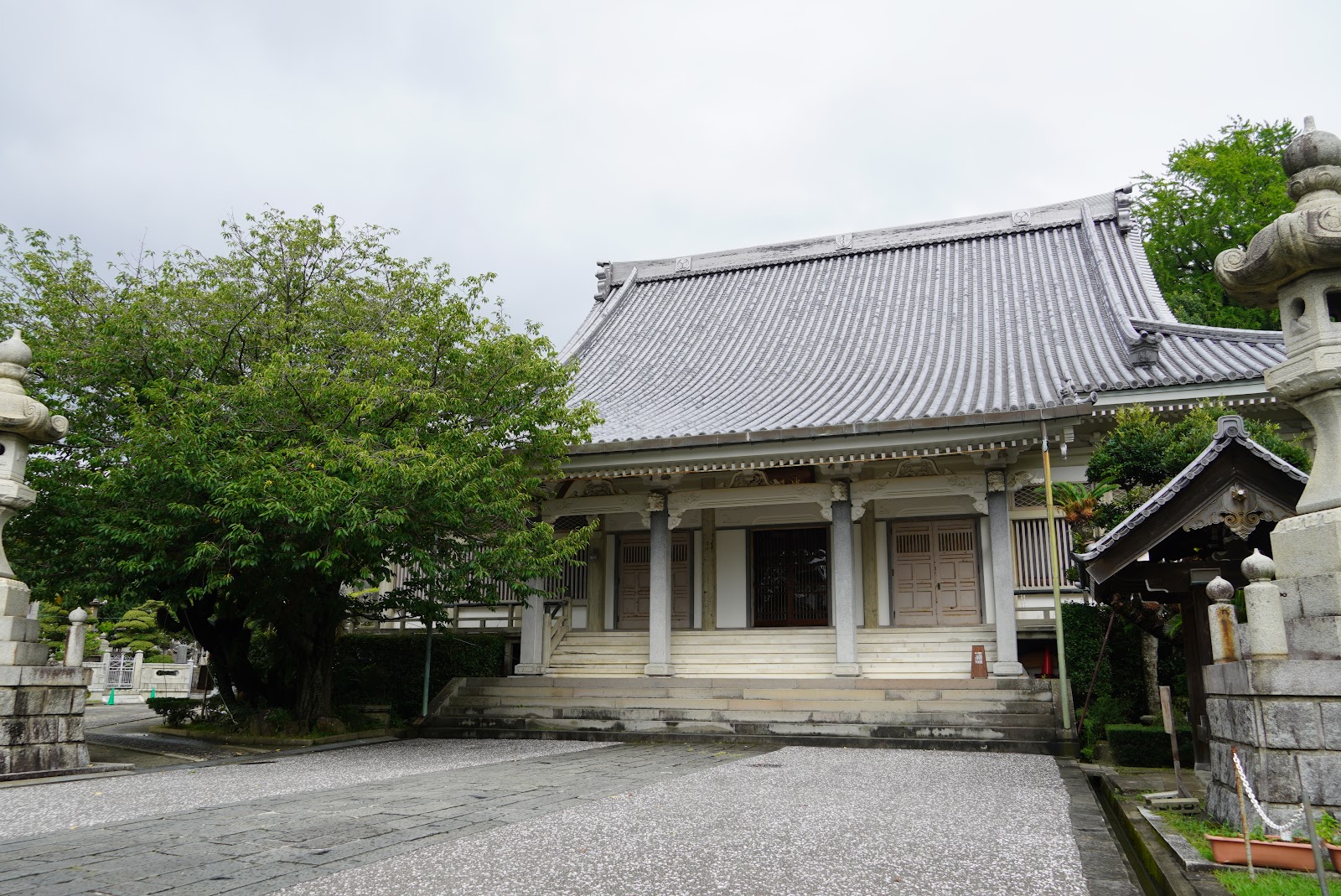
Nagasaki's Kiyomizu-dera is a historic Shingon Buddhist temple set on the hillside within the city's Teramachi district, sharing its name with the far more famous temple in Kyoto but offering a quieter, more intimate experience. Notable for preserving one of the oldest surviving temple buildings in Nagasaki, it rewards visitors who climb its steps with weathered old architecture, a peaceful atmosphere and pleasant views over the rooftops of the city.
The temple was founded in the early seventeenth century, during the great expansion of Buddhist institutions that shaped Nagasaki as it grew into Japan's principal international port. Belonging to the Shingon school of esoteric Buddhism, it enshrines Kannon, the bodhisattva of compassion, and like the other temples of Teramachi it played a part in the religious registration system through which the shogunate monitored and suppressed Christianity. Over the following centuries Nagasaki suffered repeated fires, typhoons and, in 1945, the atomic bombing, and much of the city's older fabric was lost. Kiyomizu-dera is significant because its main hall survived comparatively intact, making it a rare example of genuinely old temple architecture in a city that has had to rebuild so much.
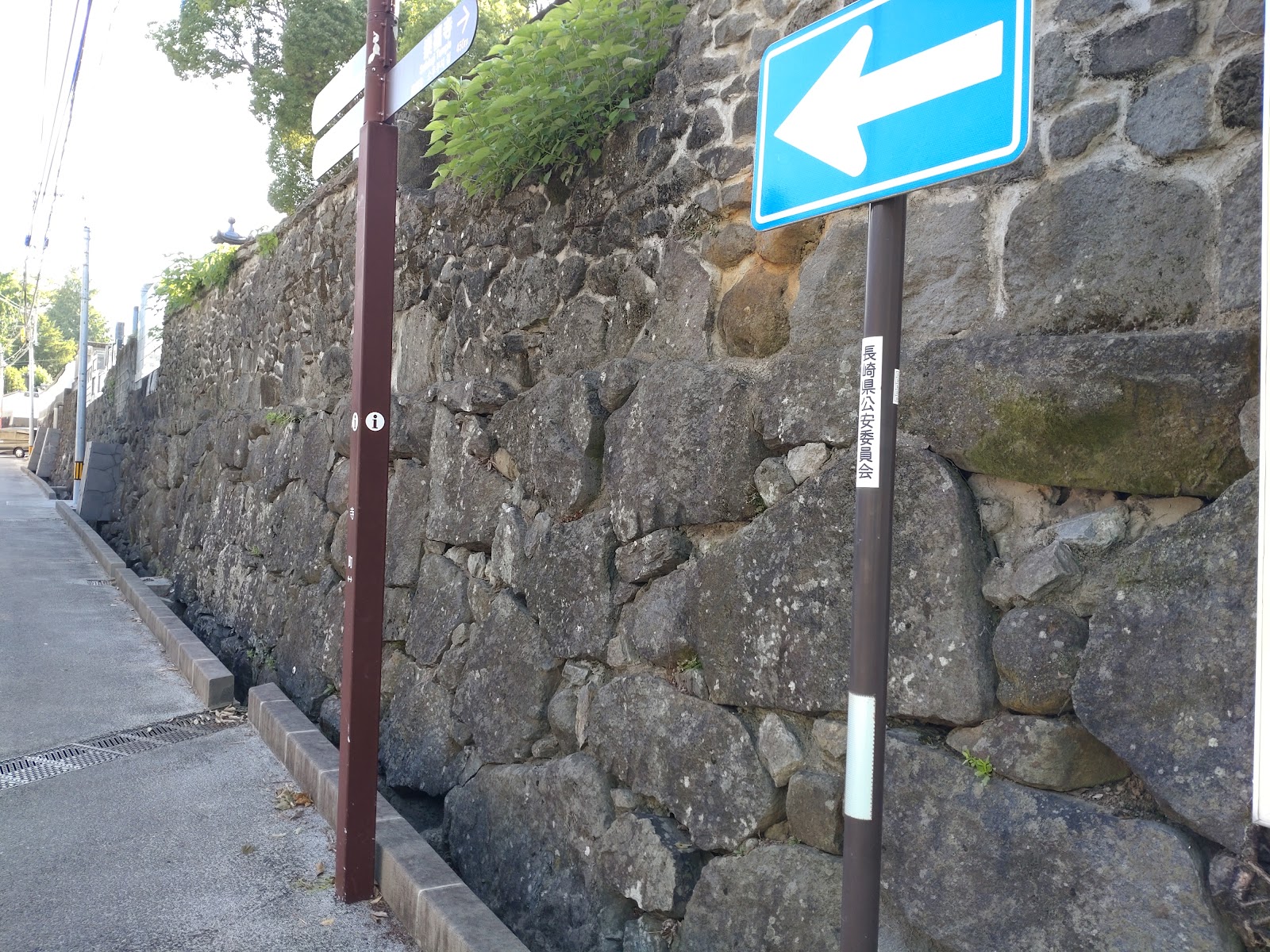
Approaching the temple involves a short climb up the stepped lanes of the hillside temple quarter, past stone walls, lanterns and the gates of neighbouring temples. The main hall, with its aged, dark timber and broad roof, stands as a tangible link to the Edo-period city; students of architecture and history value the chance to see materials and construction that predate the many reconstructions elsewhere. The grounds are modest but atmospheric, shaded by trees that blossom in spring and colour in autumn, and quieter corners open onto views across the tiled roofs toward the harbour and hills.
Beyond its architectural interest, the temple retains the calm of a working place of worship, its statues, incense and small rituals continuing much as they have for generations. Because it sees fewer visitors than the city's headline sights, it offers a genuine sense of retreat within easy reach of the centre — a place to catch your breath and absorb the layered history of a city shaped by trade, faith and hardship.
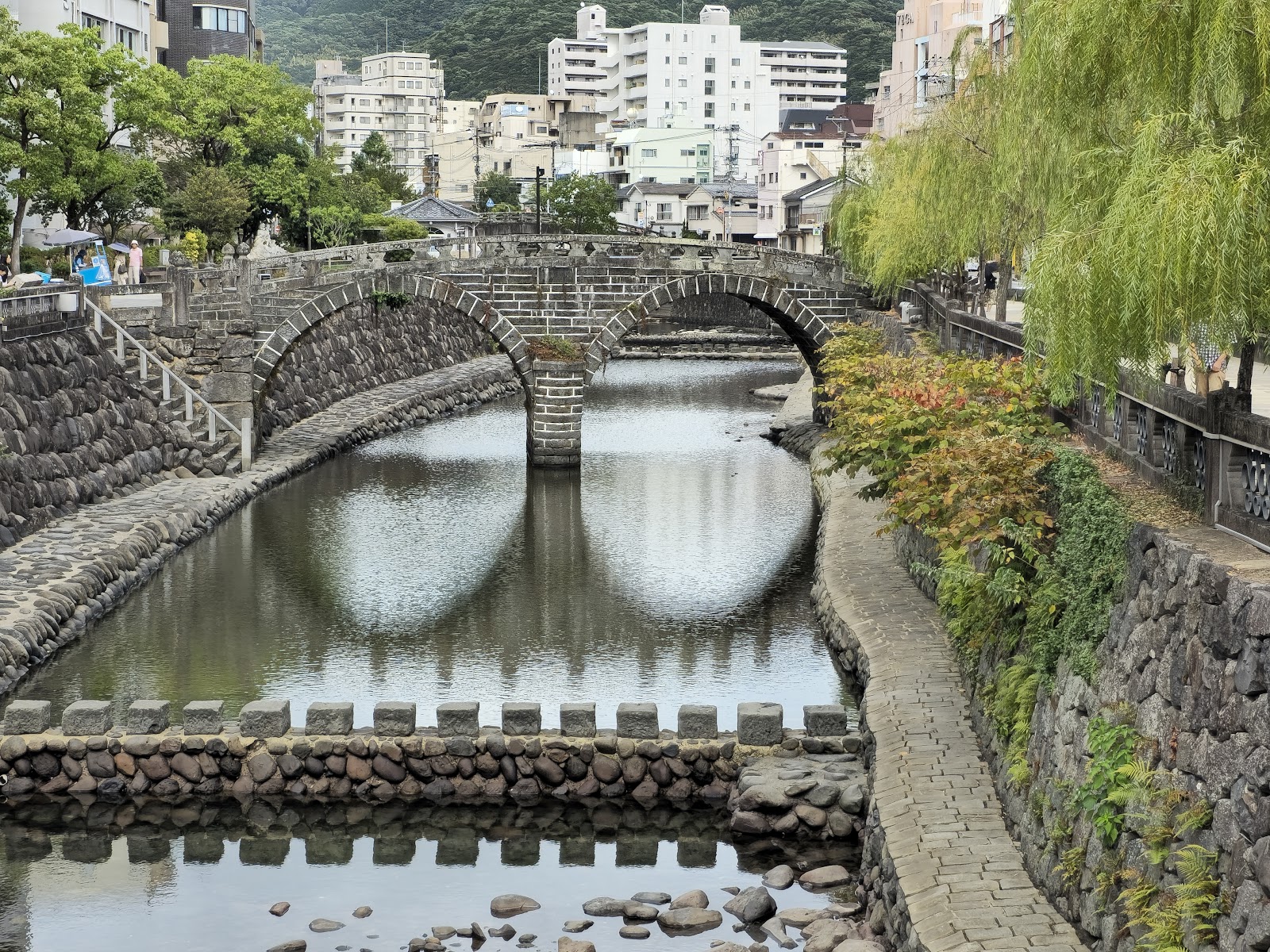
For visitors, Kiyomizu-dera combines well with a walking tour of Teramachi and the temples of the eastern hillside, including Kotaiji and Daionji, and with the celebrated stone bridges of the Nakashima River below. The grounds are generally open through the day and free to enter. The approach involves steps and a modest slope, so comfortable shoes are helpful, but the climb is short and the views a fair reward. To reach it, take a tram to Shokakuji-shita and walk about eight minutes up into the temple district. Old, tranquil and quietly scenic, Nagasaki's Kiyomizu-dera is a satisfying find for travellers drawn to the city's Buddhist heritage and surviving historic architecture.
A local's tip
This is one of the oldest surviving temple buildings in Nagasaki; the Shingon temple's main hall escaped much of the city's fire and war damage, so look closely at its aged timber.
Best time to visit
Daytime; the climb rewards with hillside views
Getting there
From central Nagasaki take a tram to Shokakuji-shita, then walk about 8 minutes and climb the steps into the Teramachi hillside temple district.
Good to know
- Restrooms
- Viewpoint
Plan the whole trip offline
Nagasaki Kiyomizu-dera is one of many places in the Real Japan app — with turn-by-turn directions, nearby spots and full offline maps you can use with no signal.