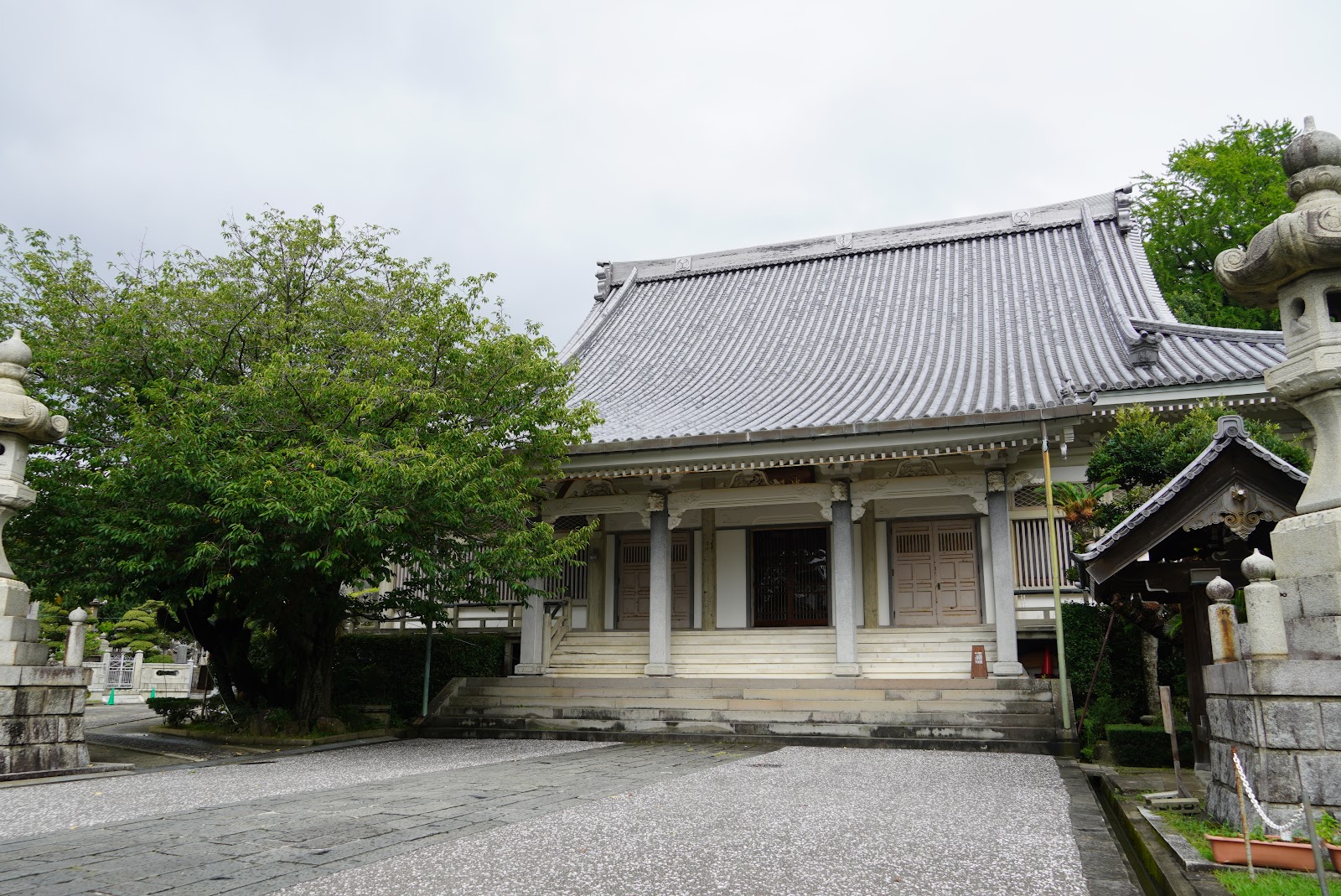
A leading Jodo-sect temple of Teramachi, rich in cultural treasures and historic graves on the hillside above old Nagasaki.
Daionji is one of the most important temples of Nagasaki's Teramachi district, the long row of Buddhist temples that lines the eastern hillside above the historic city. A major temple of the Jodo (Pure Land) sect, it has served the people of Nagasaki since the early seventeenth century and preserves handsome halls, notable cultural properties and a peaceful hillside setting that make it a worthy stop on any tour of the temple town.
Founded in the 1610s, Daionji rose to prominence during the Edo period, when Nagasaki's role as Japan's gateway to foreign trade made it a wealthy and cosmopolitan city, and when the shogunate's suppression of Christianity gave Buddhist temples a central place in civic life. As one of Teramachi's principal Jodo temples, it became a spiritual home for many townspeople and officials, and the graves of notable historical figures — merchants, officials and cultural personalities connected with Nagasaki's international story — can be found within its grounds. Over the centuries it accumulated a rich store of religious art and documents, several of which are recognised as important cultural properties.
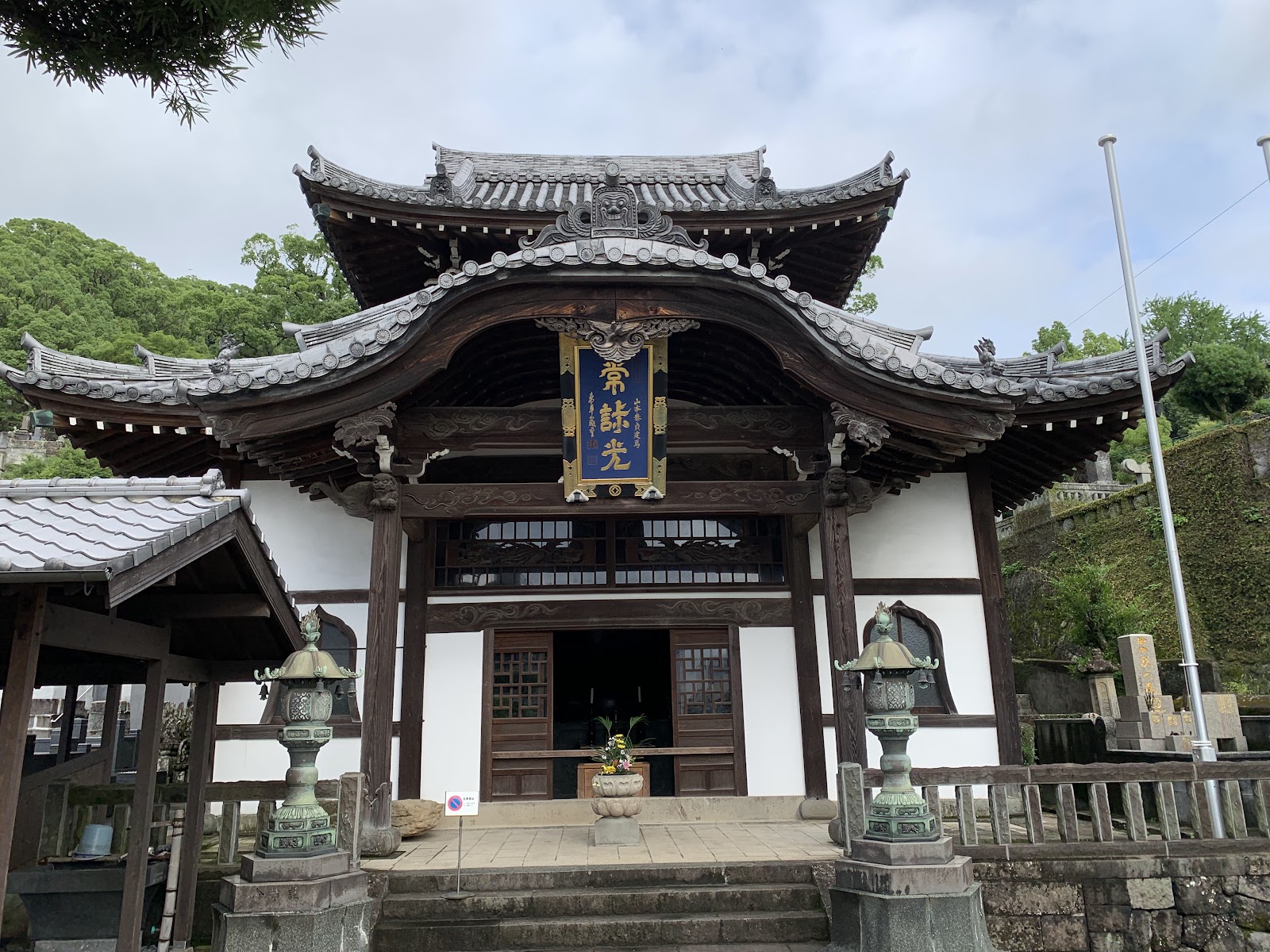
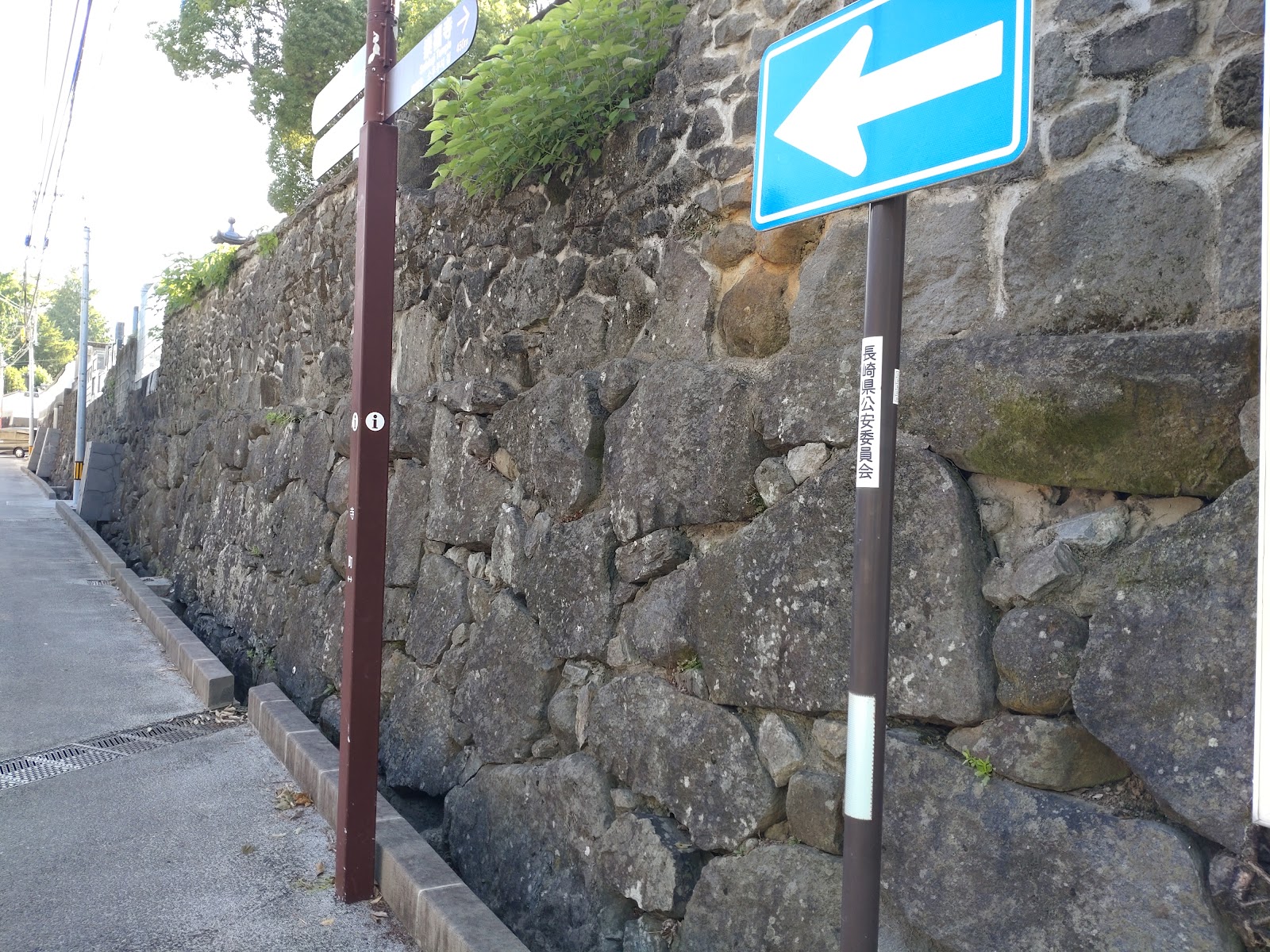
The temple is reached through the evocative lanes of Teramachi, past stone walls, mossy steps and the gates of neighbouring temples. Daionji's main hall and associated buildings show the dignified architecture of an established sect temple, with broad tiled roofs and dark timber facing the hillside. Terraced grounds and an old cemetery climb the slope behind, shaded by trees that colour beautifully in autumn, and quieter corners offer views over the rooftops of the city below. Like others in the district, Daionji has endured fires, storms and the passage of time, and its careful upkeep reflects the enduring devotion of its community.
What gives Daionji its particular interest is the combination of living faith and tangible history. It remains an active temple, with regular services and funerary rites, while also functioning as a repository of Nagasaki's past — its treasures and graves linking the visitor to the merchants, believers and officials who shaped one of Japan's most outward-looking cities. For those interested in the layers of religion, culture and trade that define Nagasaki, it offers a rewarding, contemplative counterpoint to the more famous Chinese temples and Christian sites.
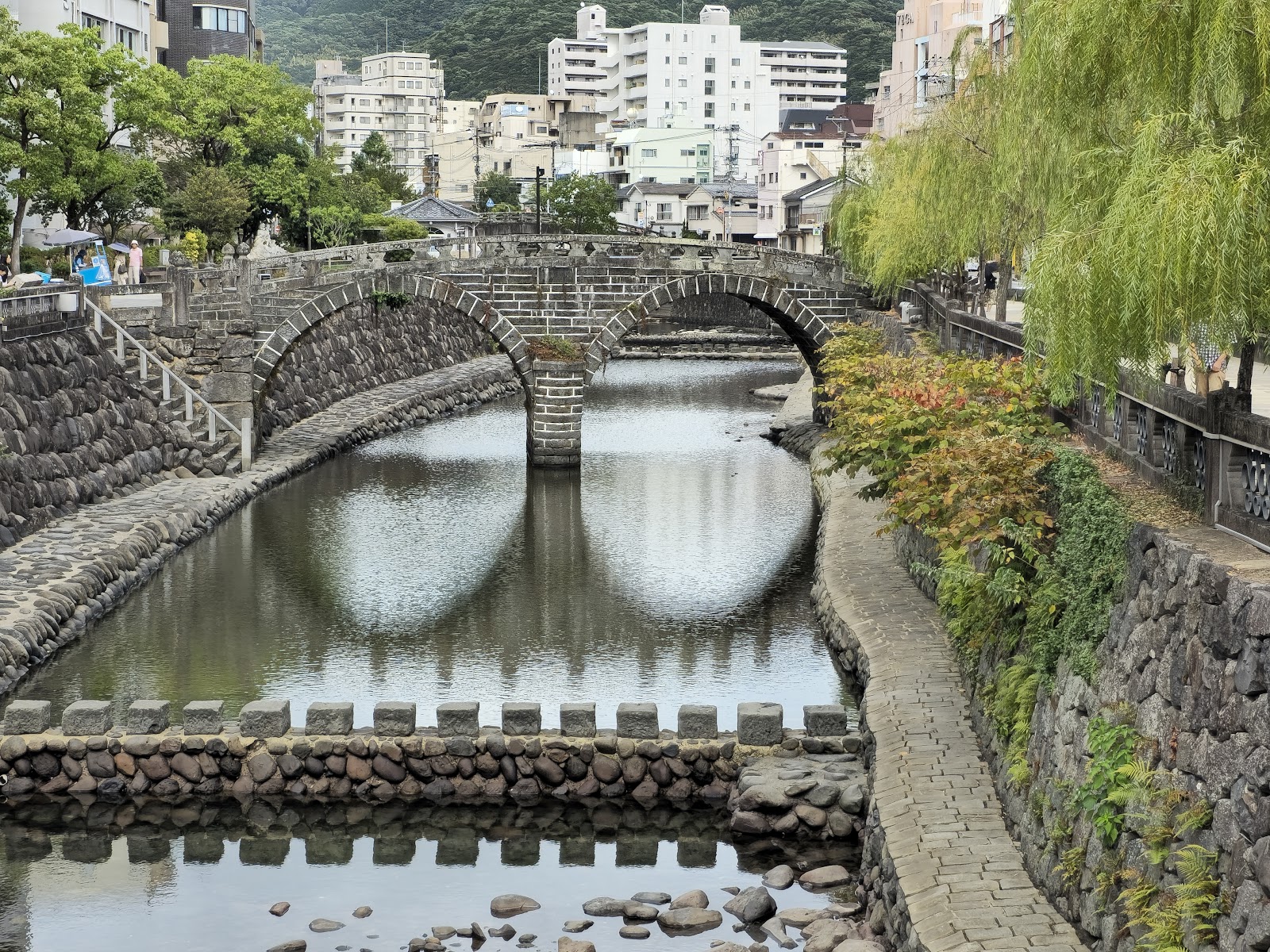
For visitors, Daionji fits neatly into a walking route through Teramachi, easily paired with Kotaiji, the atmospheric temple lanes, and the celebrated stone bridges of the Nakashima River such as Megane Bridge. The grounds are generally open through the day and free to enter, though access to specific halls and treasures may depend on temple activities, so it is worth enquiring at the office. Comfortable shoes help on the steps and slopes. To reach it, take a tram to Shokakuji-shita and walk about seven minutes into the temple quarter. Historic, cultured and quietly dignified, Daionji is a fine window onto the deep Buddhist roots of cosmopolitan Nagasaki.
A local's tip
Daionji holds several important cultural properties and historic graves; ask at the temple office if the main hall's treasures are on view, and enjoy the calm terraced grounds.
Best time to visit
Daytime; combine with a Teramachi temple walk
Getting there
From central Nagasaki take a tram to Shokakuji-shita, then walk about 7 minutes into the Teramachi temple district on the eastern hillside.
Good to know
- Cemetery
- Restrooms
Plan the whole trip offline
Daionji Temple is one of many places in the Real Japan app — with turn-by-turn directions, nearby spots and full offline maps you can use with no signal.