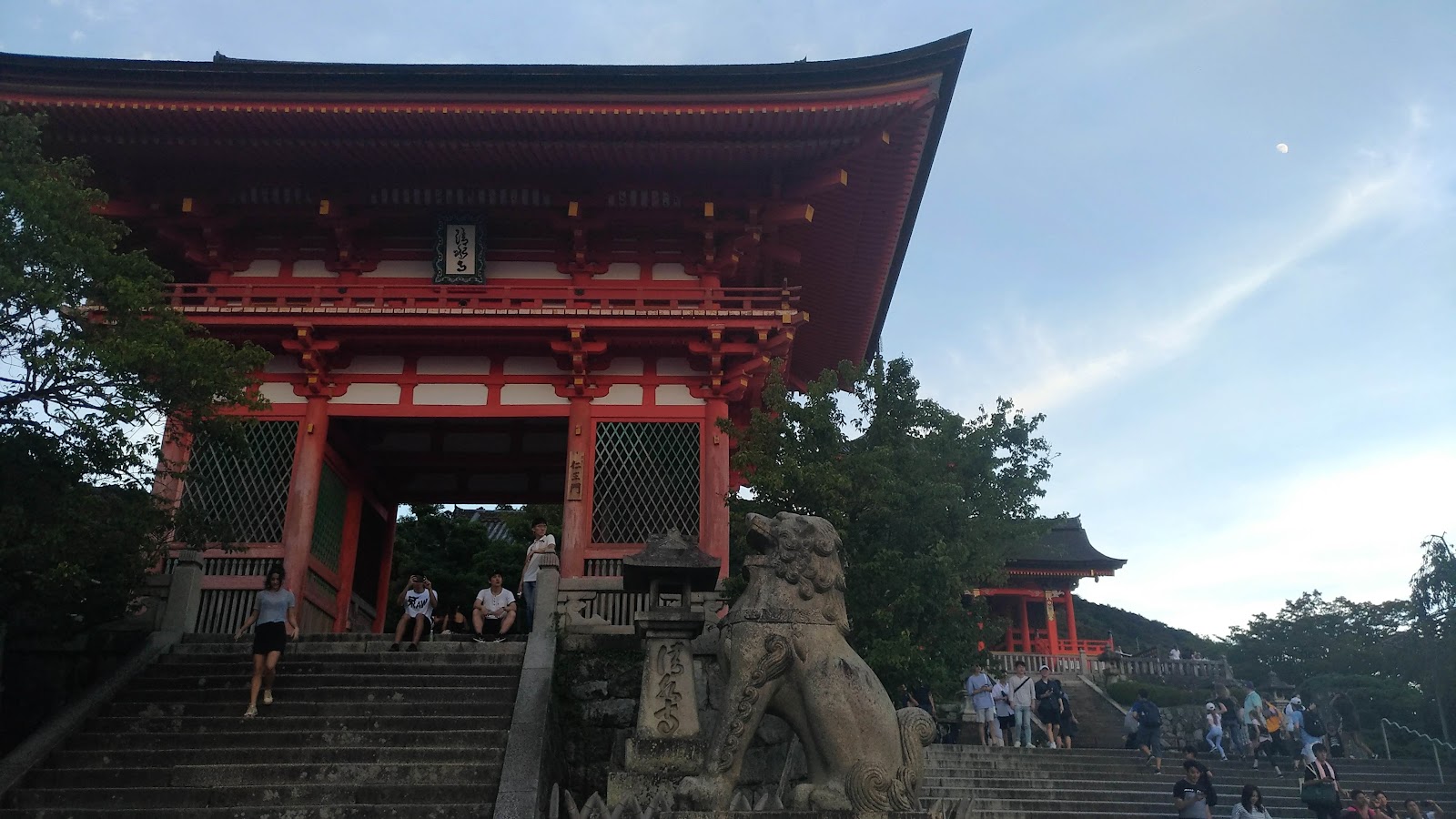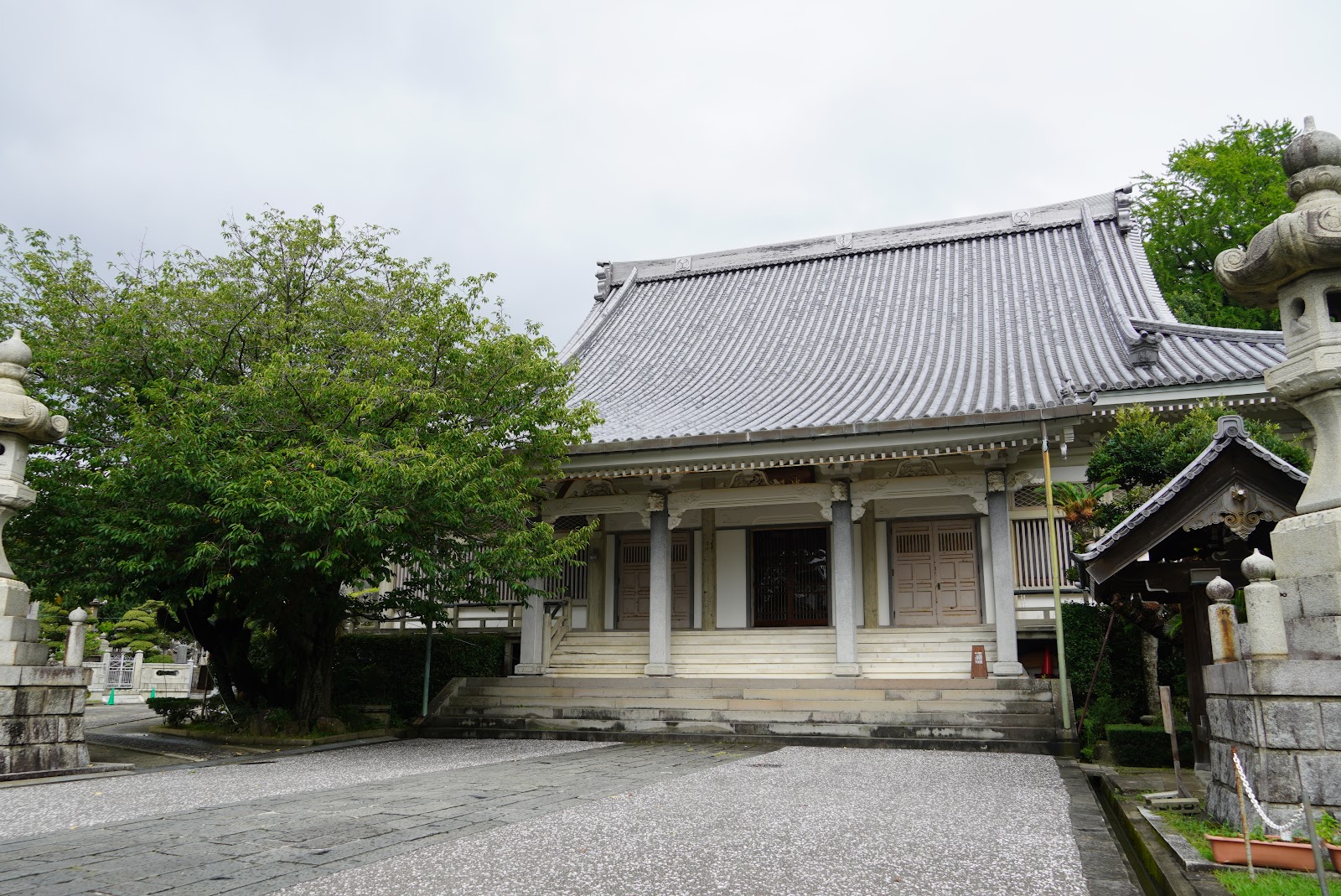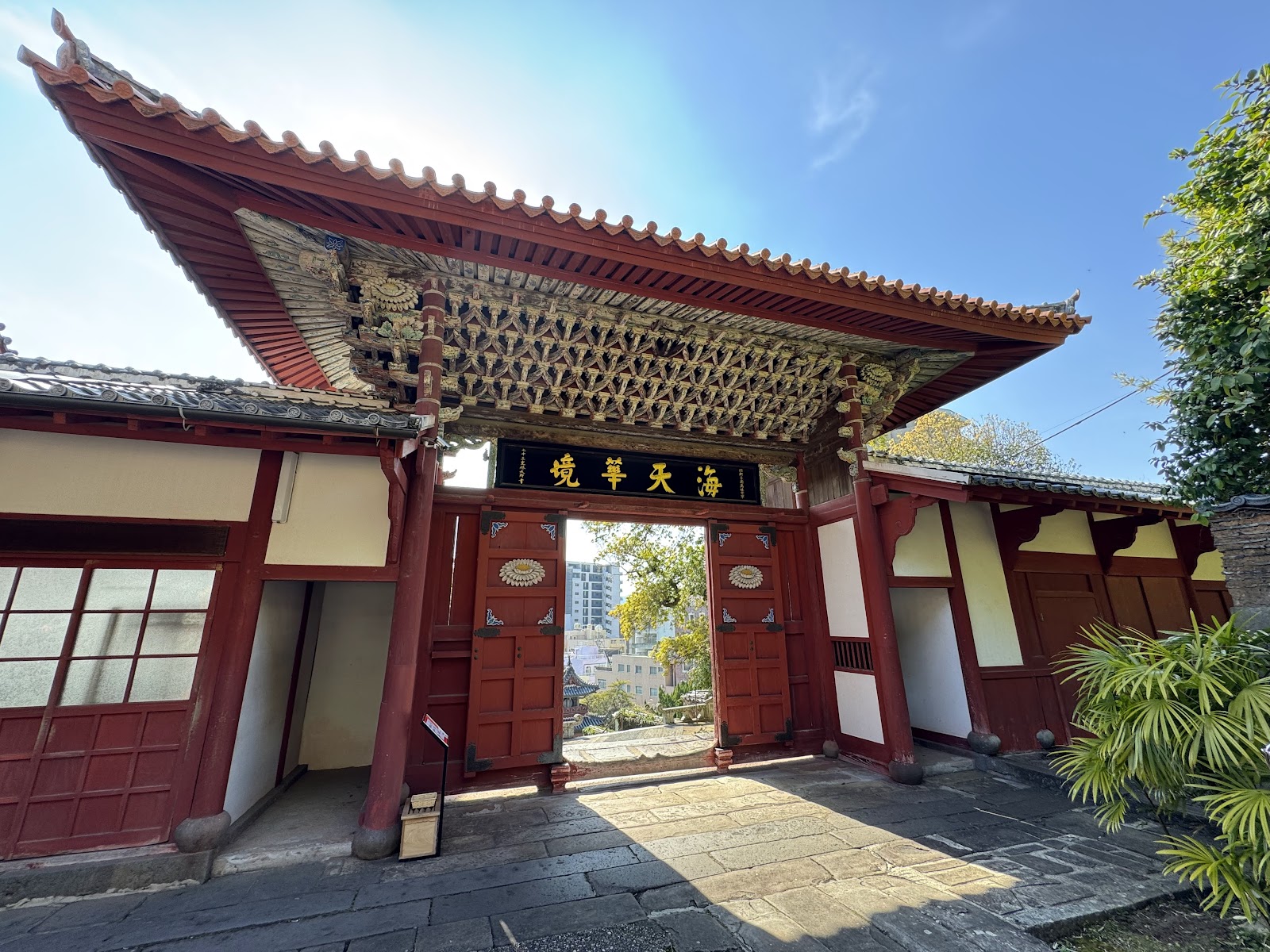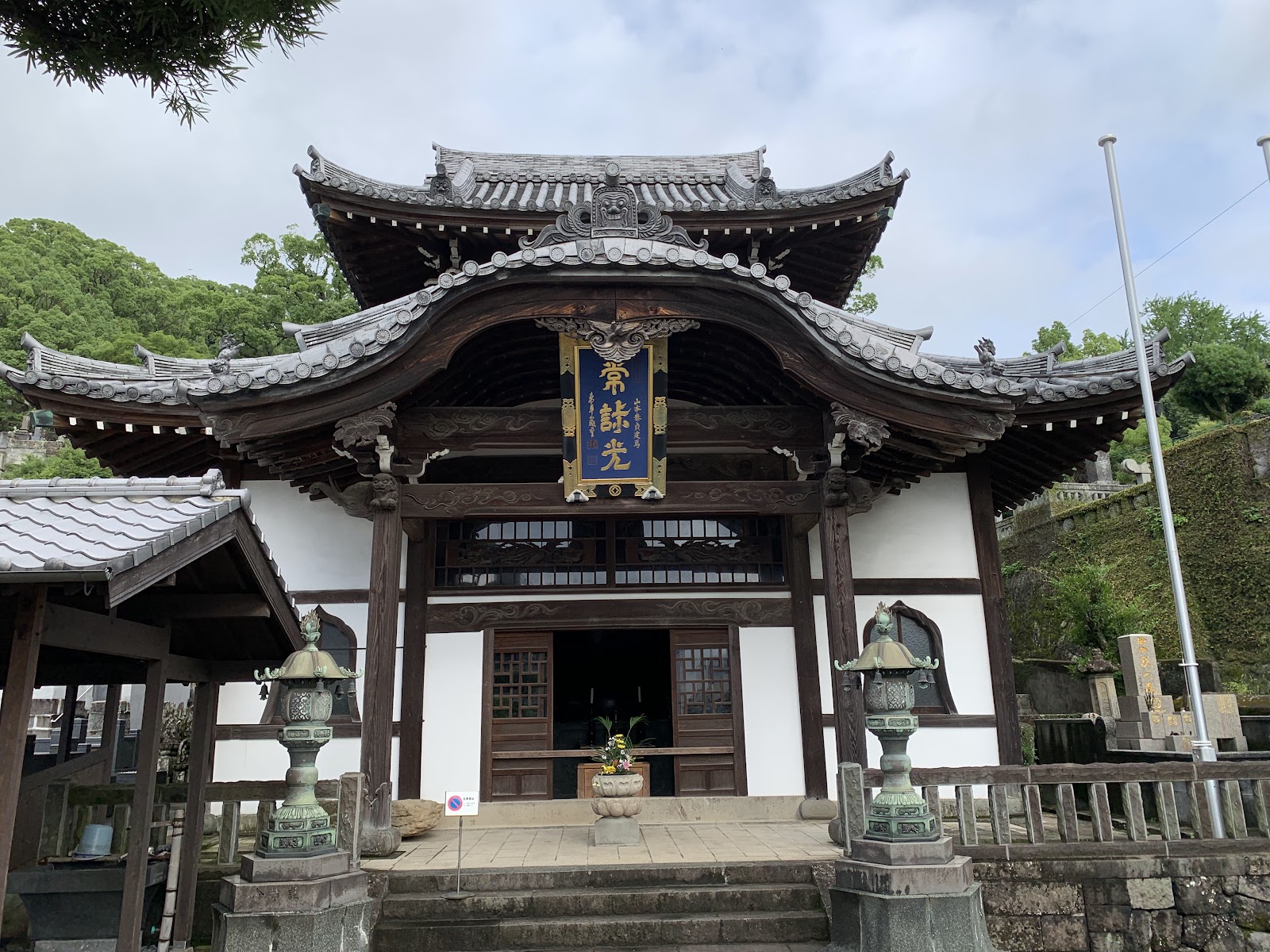
A historic Soto Zen temple in the Teramachi district, with handsome halls and a tranquil hillside cemetery above the city.
Kotaiji is one of the principal temples of Nagasaki's Teramachi, the 'temple town' district where a long line of Buddhist temples climbs the eastern hillside above the old city. A stately Soto Zen establishment with a history stretching back to the early Edo period, it offers handsome traditional architecture, a peaceful atmosphere and a hillside cemetery whose upper terraces reward visitors with fine views over Nagasaki's rooftops.
The temple was founded in the early seventeenth century, part of the great flourishing of Buddhist institutions that accompanied Nagasaki's growth as a trading port. When the shogunate cracked down on Christianity, temples like Kotaiji took on added importance: every household was required to register with a Buddhist temple as proof it was not Christian, and the Teramachi temples became pillars of religious and social life. Belonging to the Soto school, one of Japan's largest Zen sects, Kotaiji stood alongside its neighbours as a centre of meditation, funerary rites and community devotion.
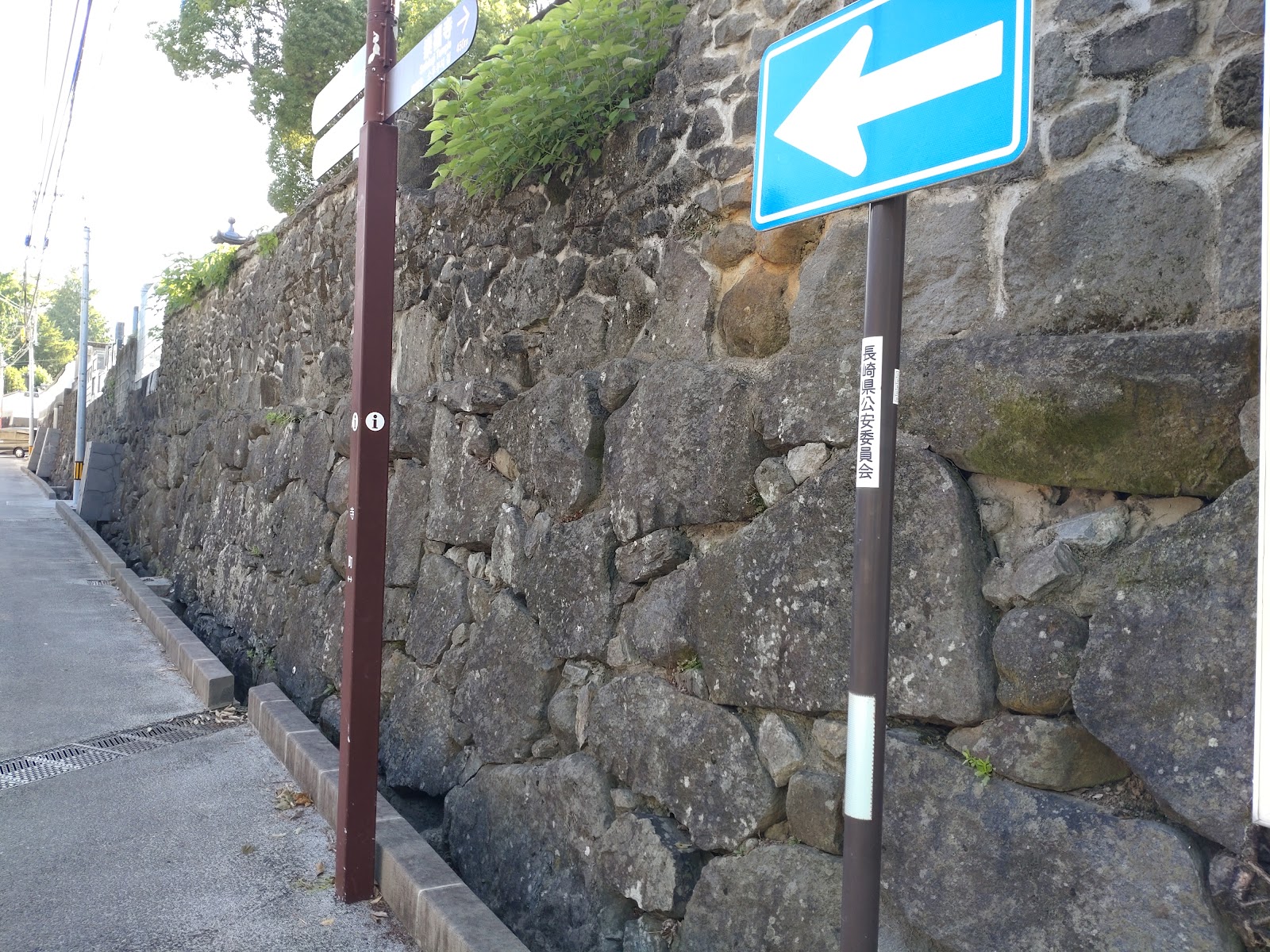
The temple grounds are approached through the atmospheric lanes of Teramachi, where temple walls, stone steps and old trees create a contemplative townscape quite different from the busy waterfront and shopping arcades below. Kotaiji's main hall and subsidiary buildings display the restrained elegance of Zen architecture, their dark timber and tiled roofs set against the green hillside. Like many of the district's temples, it suffered damage over the centuries — from fire, storms and the upheavals of the modern era — but has been repaired and maintained as a working temple, its rituals continuing to this day.
Behind and above the halls climbs the cemetery, its ranks of weathered gravestones ascending the slope in terraces shaded by trees. Wandering up through it, past the memorials of generations of Nagasaki families, brings you to quiet vantage points that look out over the tiled roofs and hills of the city — a serene, slightly melancholy scene especially beautiful in the soft light of late afternoon or when autumn colours touch the trees. These hillside cemeteries are a characteristic feature of Teramachi and part of what gives the district its distinctive, layered beauty.
For visitors, Kotaiji is best enjoyed as part of a walk through the Teramachi temple district, easily combined with Daionji, the nearby stone bridges of the Nakashima River including the famous Megane (Spectacles) Bridge, and the larger Chinese temples of Sofukuji and Kofukuji. The grounds are generally open through the day and free to enter. Comfortable shoes help with the steps and slopes. To get there, take a tram to Shokakuji-shita and walk about six minutes up into the temple quarter. Quiet, historic and gently scenic, Kotaiji offers a restful glimpse of the deep Buddhist heritage that underlies cosmopolitan Nagasaki.
A local's tip
Climb up behind the temple to its atmospheric hillside cemetery for quiet views over the rooftops of Nagasaki, especially fine in the late-afternoon light.
Best time to visit
Daytime; lovely in autumn
Getting there
From central Nagasaki take a tram to Shokakuji-shita, then walk about 6 minutes into the Teramachi temple district on the eastern hillside.
Good to know
- Cemetery
- Restrooms
Plan the whole trip offline
Kotaiji Temple is one of many places in the Real Japan app — with turn-by-turn directions, nearby spots and full offline maps you can use with no signal.