One of Gokayama's oldest gassho houses, preserving saltpetre-making history and the region's ancient folk songs.
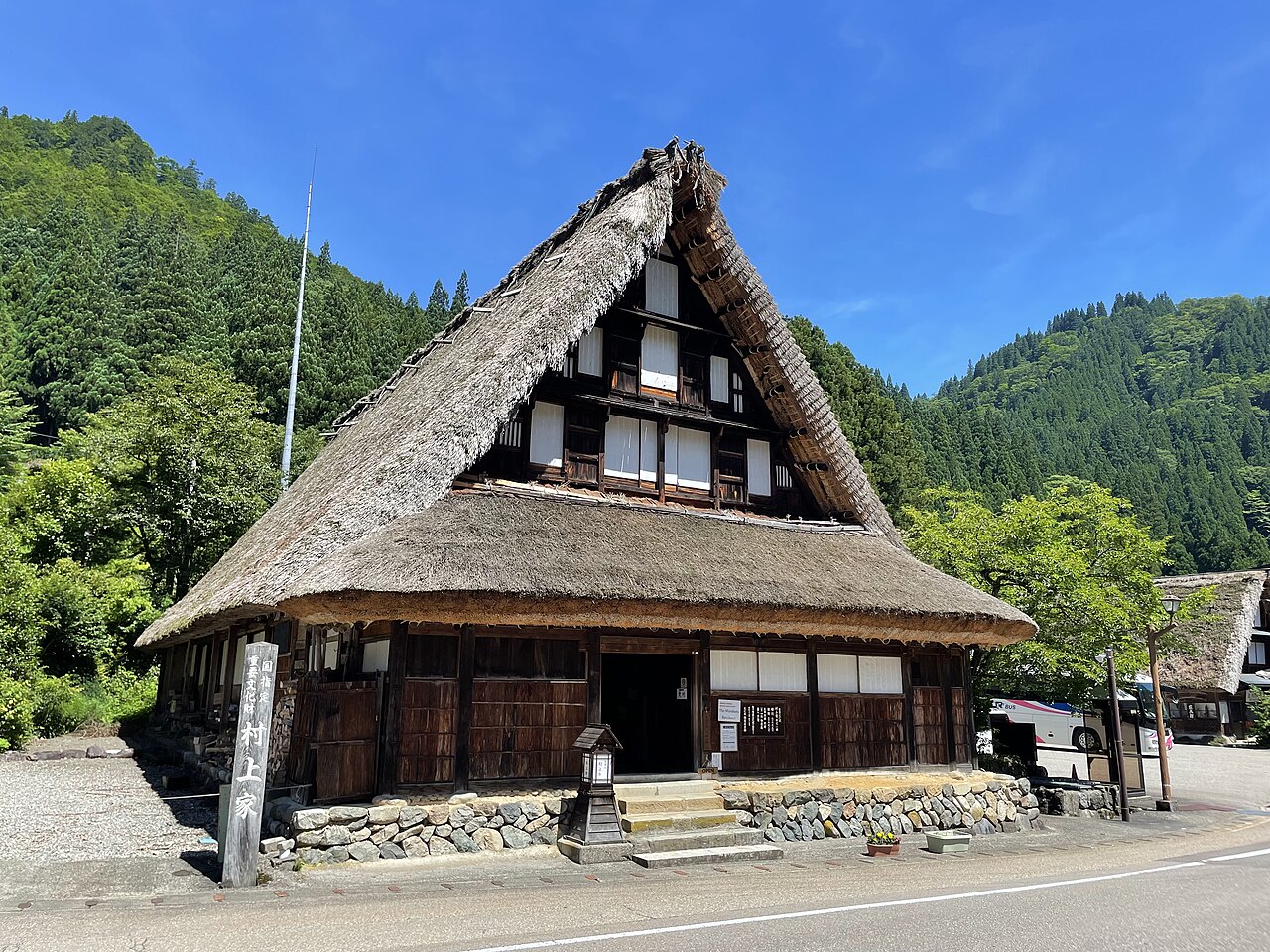
The Murakami House is one of the oldest and most storied gassho-zukuri farmhouses in the Gokayama valley, a beautifully preserved building in the hamlet of Kaminashi that combines superb traditional architecture with a living connection to the region's folk culture. Within the UNESCO World Heritage area of Shirakawa-go and Gokayama, it is among the most rewarding houses to enter, not least because a visit here often comes with a personal welcome from its custodian.
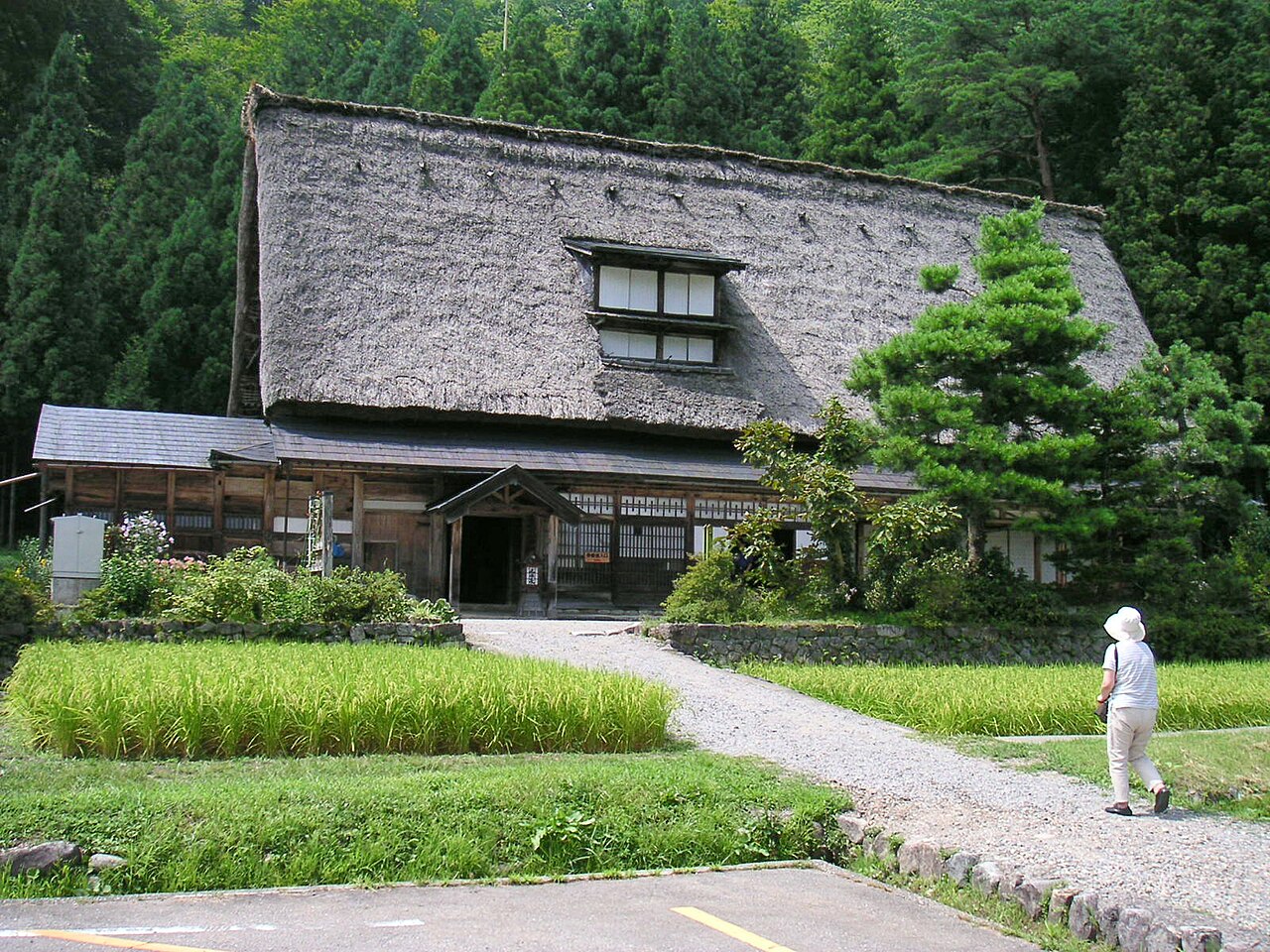
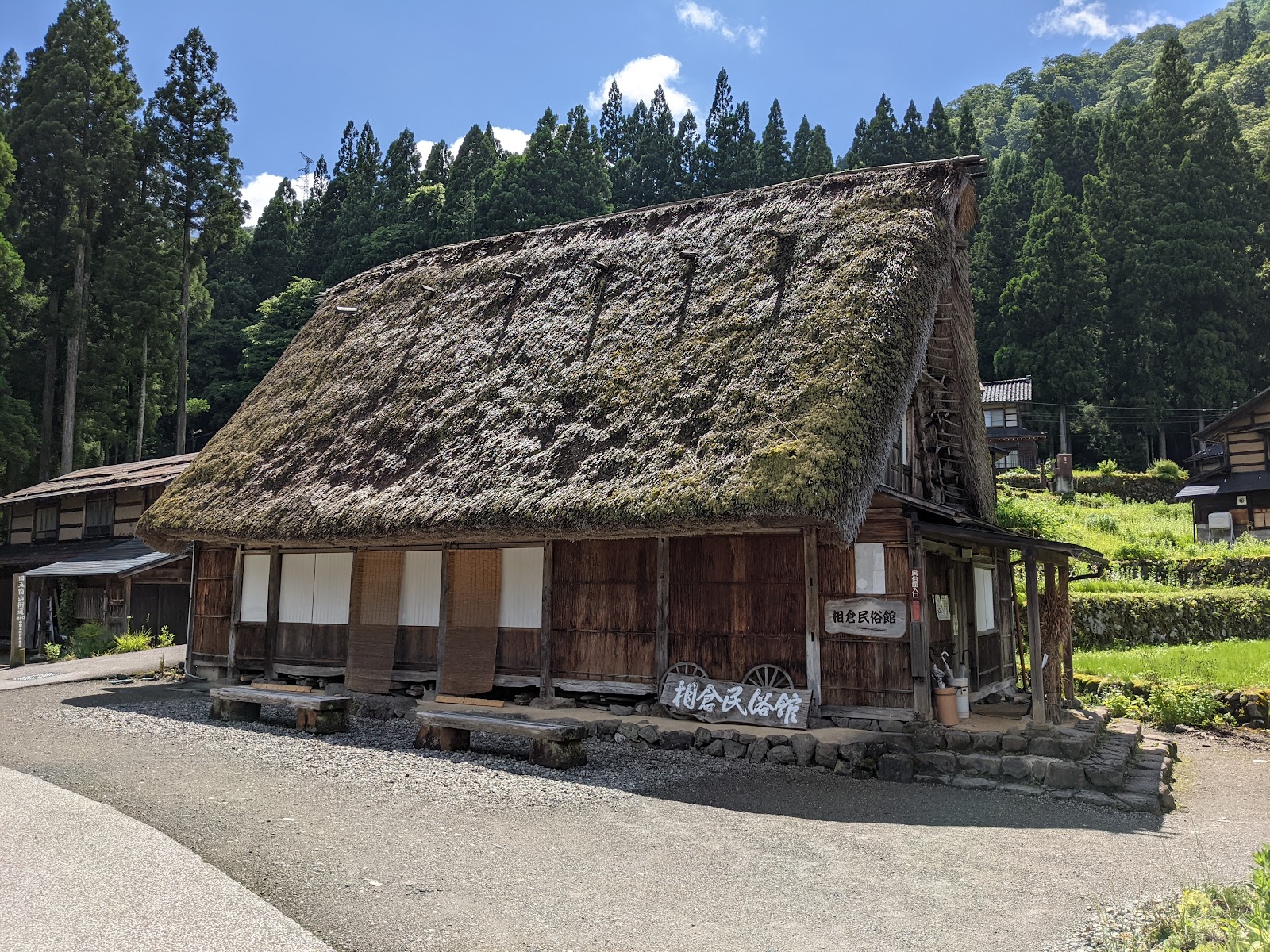
The house is thought to date, in its origins, to the late 16th or early 17th century, making it one of the venerable survivors of the valley. Built in the gassho-zukuri style — the name means 'praying hands,' after the steeply angled thatched roof resembling two palms joined together — it embodies the ingenious response of Gokayama's people to their environment. The sharp pitch of the roof sheds the enormous snowfalls of this remote mountain valley, while the great cavity beneath the thatch provided floors for working and storage. The massive timber frame is lashed together with rope and flexible withies rather than nails, so that it can flex rather than break under the weight of snow and the force of mountain winds.
Like other Gokayama households, the Murakami family's life was bound up with the special industries that sustained the isolated valley: sericulture, the raising of silkworms in the roof spaces, and above all the manufacture of saltpetre, the key ingredient of gunpowder, produced under the floors of the houses and supplied to the powerful Kaga domain that governed the region. Inside the house, displays of tools, documents and everyday objects explain these trades, and the smoke-darkened beams overhead testify to centuries of hearth fires whose rising smoke has cured and preserved the structure.
What makes the Murakami House especially memorable is its custodianship. The owner has long welcomed visitors personally, often lighting the sunken irori hearth and, on occasion, performing the Kokiriko — a local folk dance accompanied by the clattering of the sasara, a distinctive instrument made of many small wooden slats, set to what is considered one of the oldest folk songs in Japan. To sit in the firelit main room of a centuries-old farmhouse and hear this ancient music is an experience quite unlike any conventional sightseeing.
Gokayama as a whole offers the beauty of Shirakawa-go with far fewer visitors. The hamlets of Kaminashi, Ainokura and Suganuma preserve clusters of gassho houses amid terraced fields and steep, forested slopes, gorgeous under autumn foliage and deep winter snow. Because the crowds are thin, the atmosphere is peaceful and authentic.
Getting there: the Murakami House lies in Kaminashi, reached by the World Heritage bus that threads the Gokayama valley from Shirakawa-go to the south and Johana to the north, just a few steps from the bus stop. It keeps daytime hours with occasional closures, and charges a small admission. Step inside, warm yourself by the hearth, and if you are lucky you will hear one of Japan's oldest songs in the place it was born.
A local's tip
The owner sometimes performs the local Kokiriko folk dance with its clattering bamboo instrument — one of Japan's oldest folk songs. Warm yourself at the hearth and ask.
Best time to visit
Any season; ask about the folk-song performance
Getting there
In the Kaminashi hamlet of Gokayama, a few steps from the World Heritage bus stop, reached from Shirakawa-go or Johana.
Good to know
- Restrooms
- Folk performance
- Ticketed interior
Plan the whole trip offline
Murakami House (Gokayama) is one of many places in the Real Japan app — with turn-by-turn directions, nearby spots and full offline maps you can use with no signal.