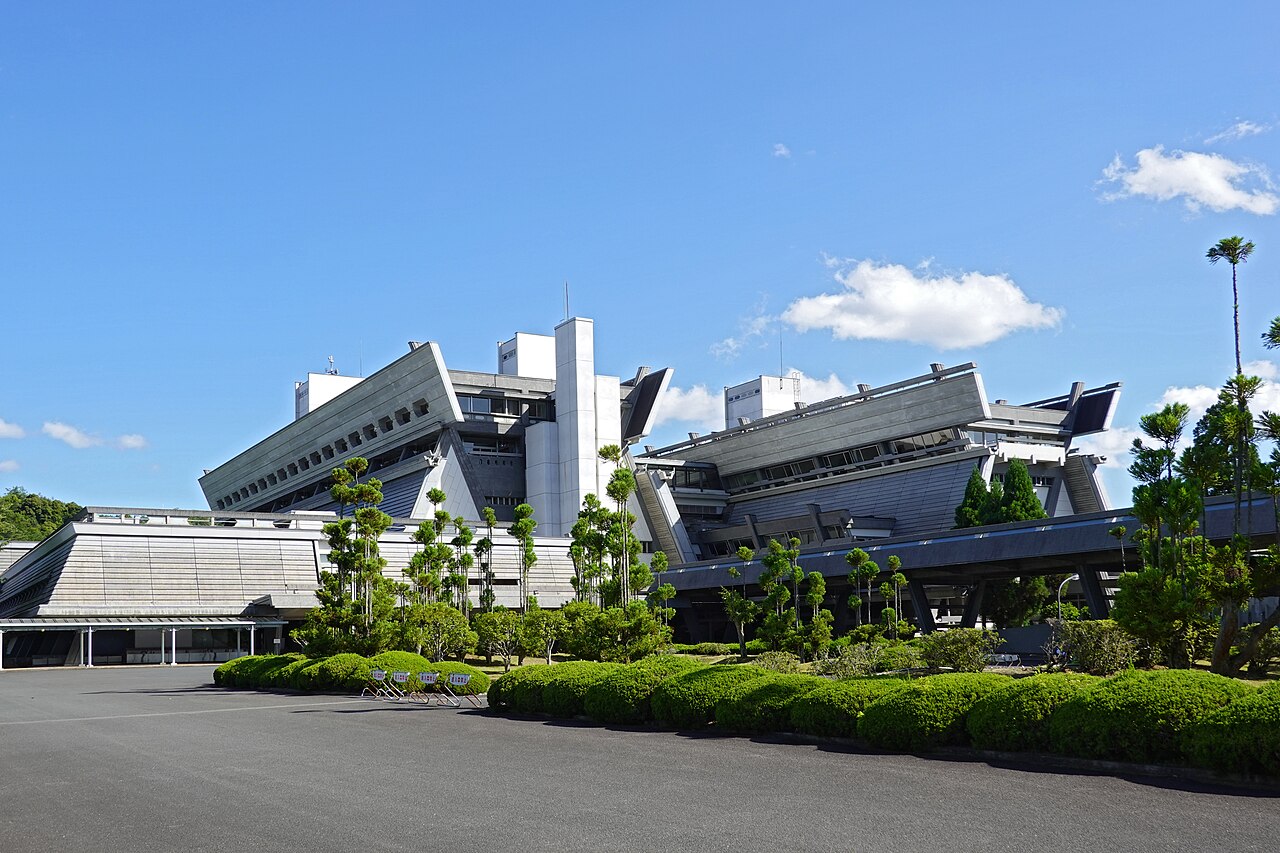
Japan’s first purpose-built international conference hall—a dramatic 1966 modernist landmark, and birthplace of the Kyoto Protocol.
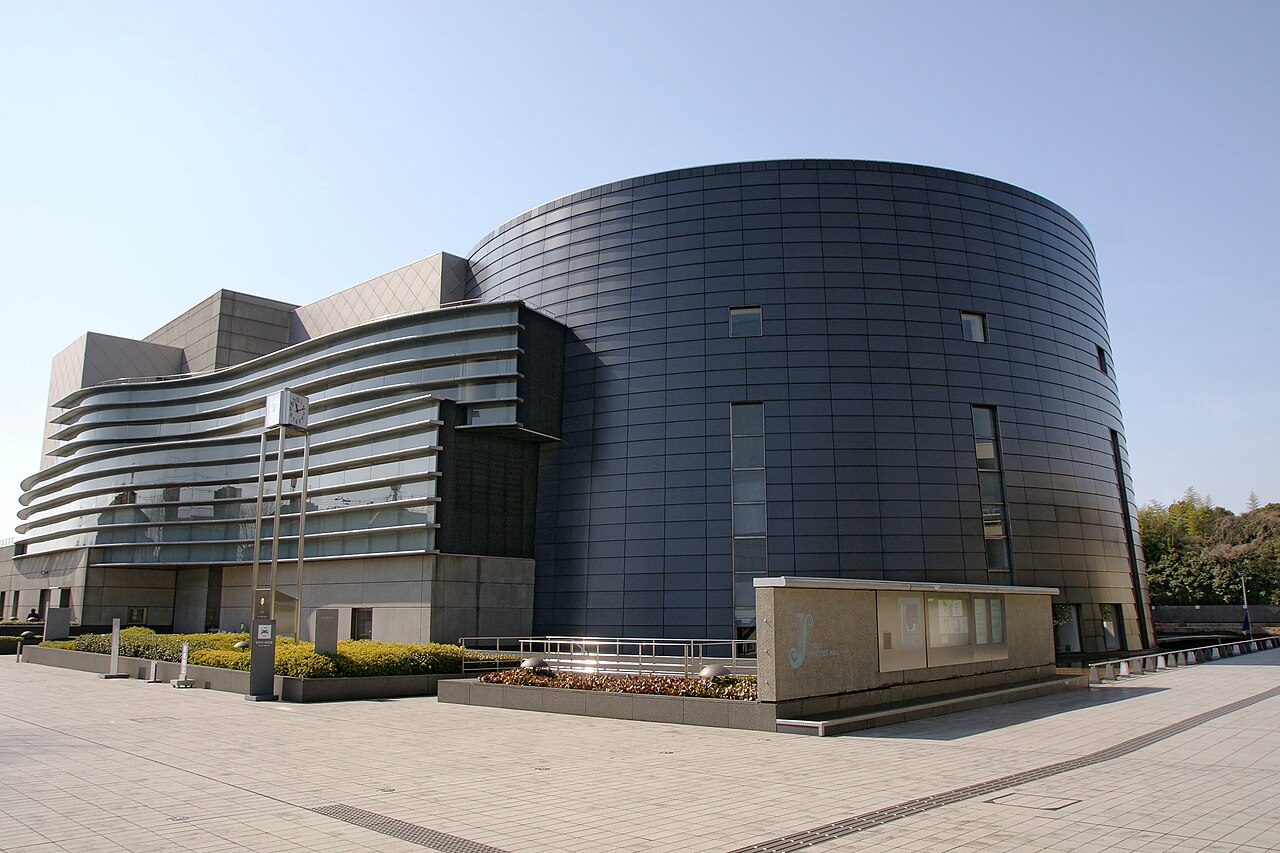
The Kyoto International Conference Center, usually shortened to ICC Kyoto, is a monument of Japanese modernist architecture that most temple-focused visitors never see—which is exactly why it rewards the curious. Completed in 1966, it was Japan’s first purpose-built international conference facility, the product of a national design competition won by the architect Sachio Otani. Its bold, geometric silhouette, with massive trapezoidal concrete forms leaning toward and away from one another, was a deliberate statement of post-war Japanese confidence and ambition on the world stage.
Architecturally, the building belongs to the same heroic concrete lineage as Kenzo Tange’s great works, blending the raw, sculptural forms of mid-century Brutalism with proportions and motifs that quietly nod to traditional Japanese timber construction. The angled walls are said to evoke the steep gassho-zukuri farmhouse roofs of rural Japan, translated into monumental concrete. Seen from the surrounding garden, the structure looks less like an office block than a piece of land art—severe, symmetrical and unmistakably of its era.
The centre earned a permanent place in world history in December 1997, when it hosted the third Conference of the Parties to the UN climate convention. The landmark agreement negotiated within its halls became known as the Kyoto Protocol, the first binding international treaty to commit developed nations to reducing greenhouse-gas emissions. Standing in the very building where that accord was signed lends the visit a resonance beyond architecture, and the centre continues to host major global summits and academic congresses.
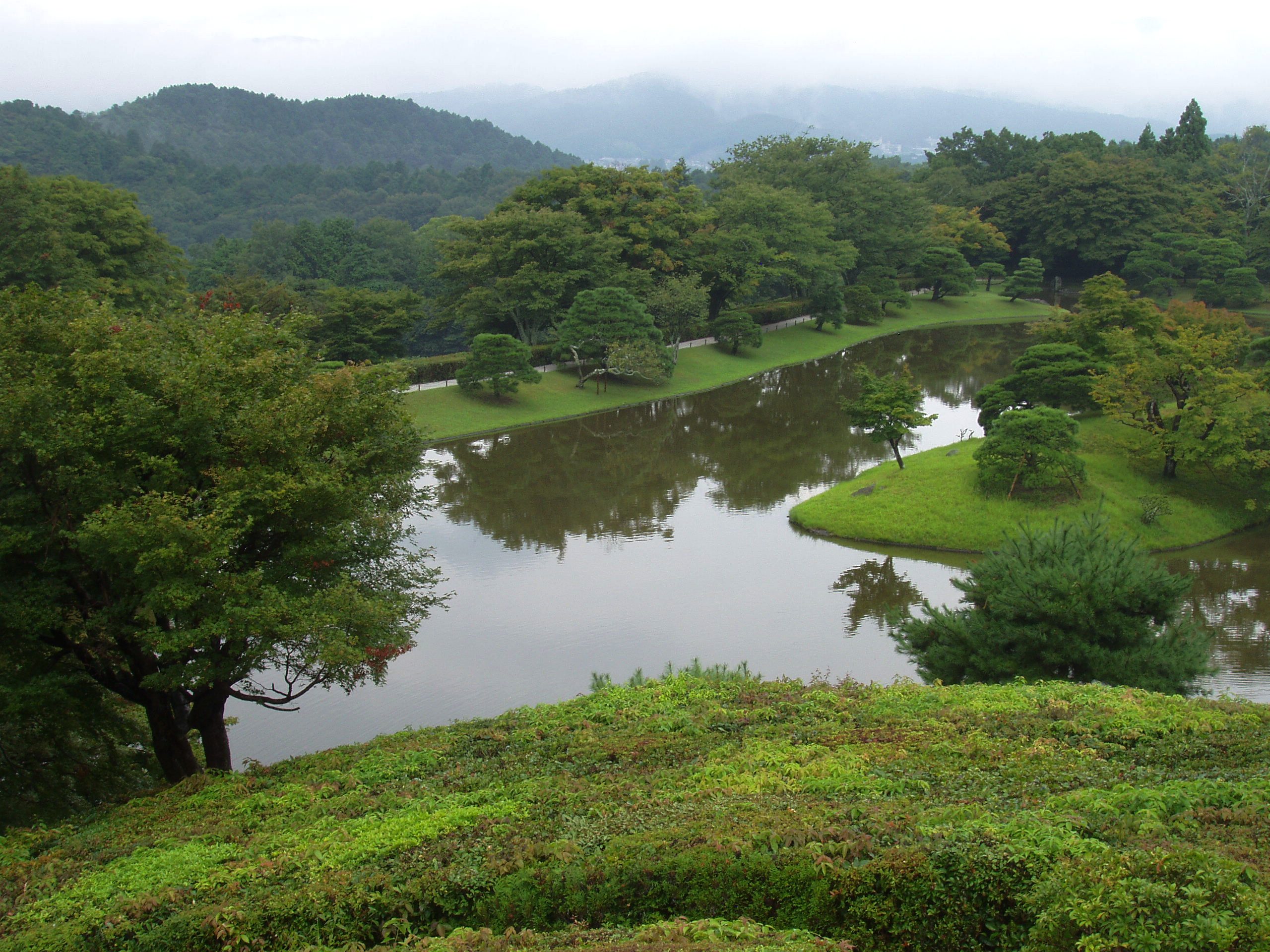
For a casual visitor the interior is generally accessible only during events or arranged tours, but the grounds are the real draw and are open to the public. Behind the building lies a beautifully maintained Japanese garden with a large pond, a traditional teahouse and manicured plantings that soften the concrete geometry. The contrast—uncompromising modernist mass reflected in a still, classical garden pond—is the whole experience in miniature, and it is especially photogenic when the maples turn crimson in autumn or the cherries bloom in spring.
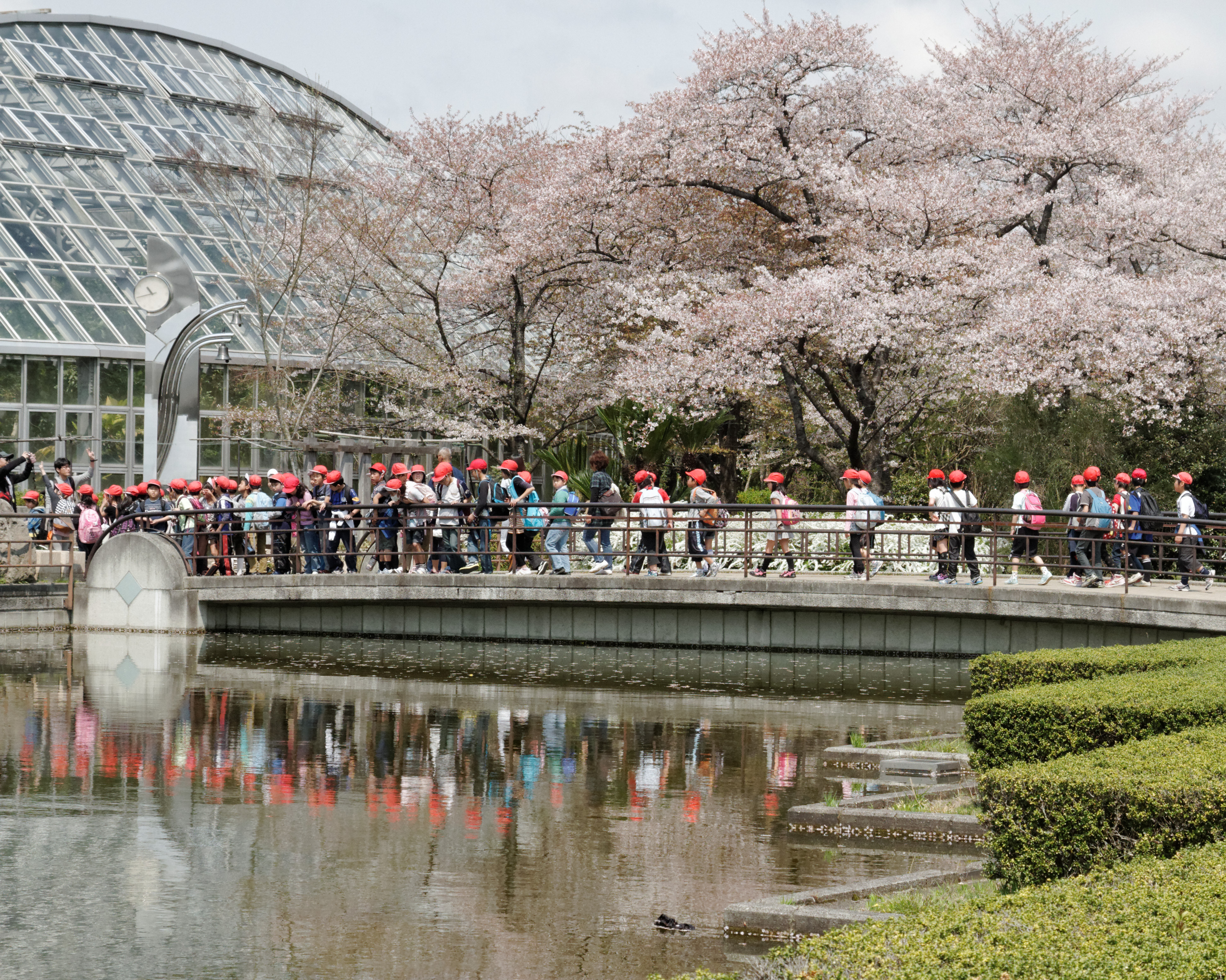
Because the centre sits at Kokusaikaikan, the northern terminus of the Karasuma subway line, it is also a convenient jumping-off point for the mountains of northern Kyoto—Kurama, Kibune and the Takaragaike park just across the road, whose own pond and walking trails extend the greenery. Many visitors combine a look at the building with a stroll around Takaragaike.
This is not a headline sight, and travelers on a tight temple itinerary may skip it. But for anyone interested in modern architecture, post-war Japanese design or the history of climate diplomacy, ICC Kyoto is a quietly extraordinary stop—free to approach, easy to reach at the end of the subway line, and a reminder that Kyoto’s story did not stop in the age of emperors and shoguns.
A local's tip
The Japanese garden and pond behind the building are freely accessible and gorgeous in autumn; this is also the birthplace of the Kyoto Protocol on climate change.
Best time to visit
Autumn for the garden foliage
Getting there
Ride the Karasuma subway line to its northern terminus, Kokusaikaikan Station, and walk about five minutes.
Good to know
- Cafe
- Garden
- Restrooms
Plan the whole trip offline
Kyoto International Conference Center is one of many places in the Real Japan app — with turn-by-turn directions, nearby spots and full offline maps you can use with no signal.