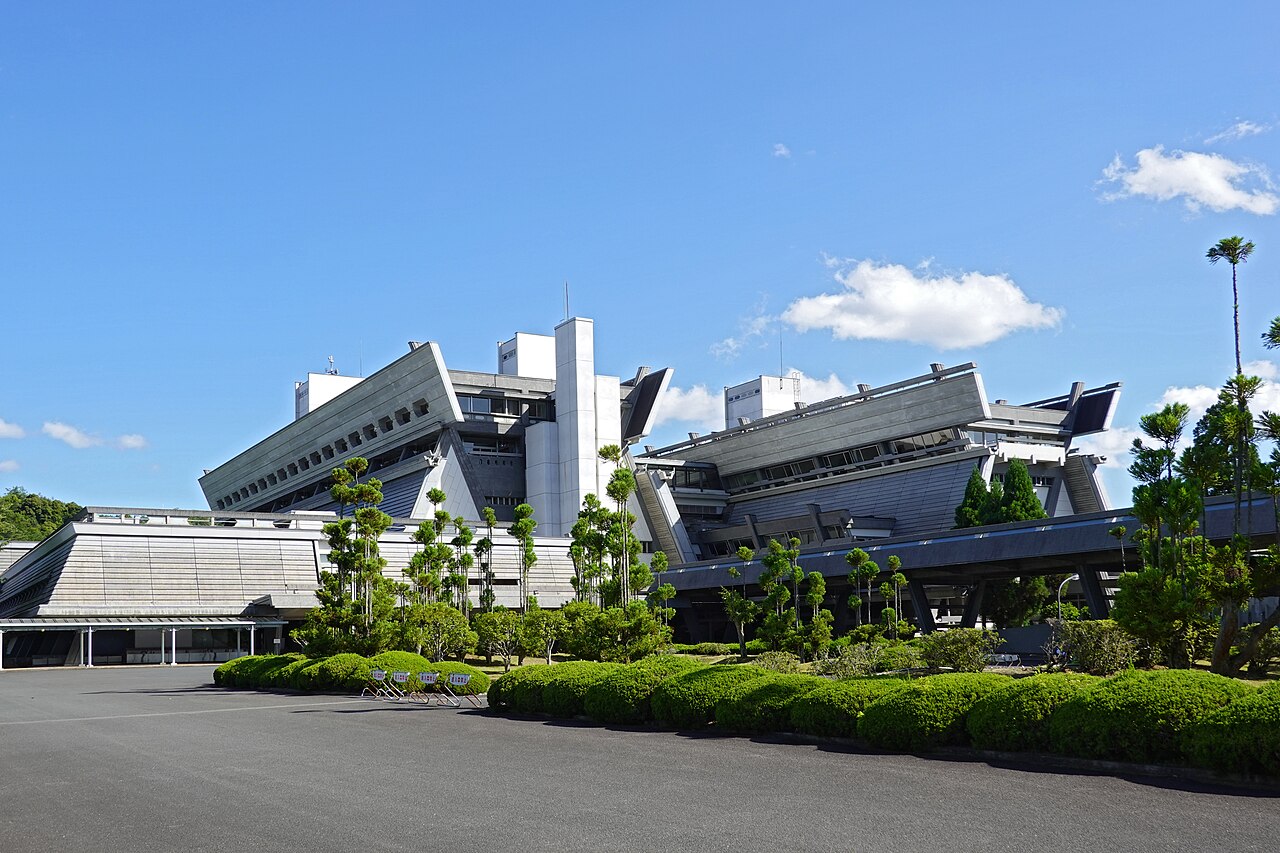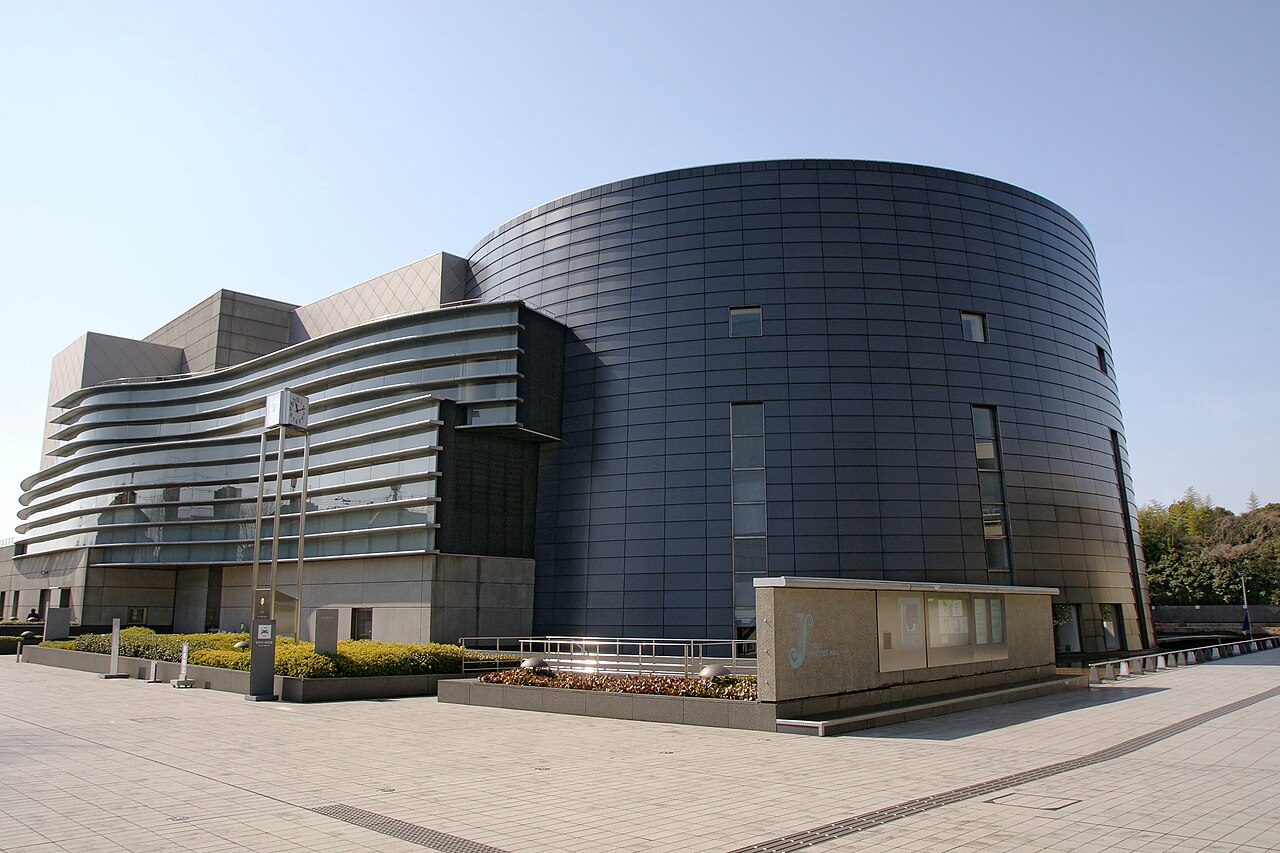
Arata Isozaki's 1995 concert hall in northern Kyoto, a spiral-fronted temple to music with a grand pipe organ.
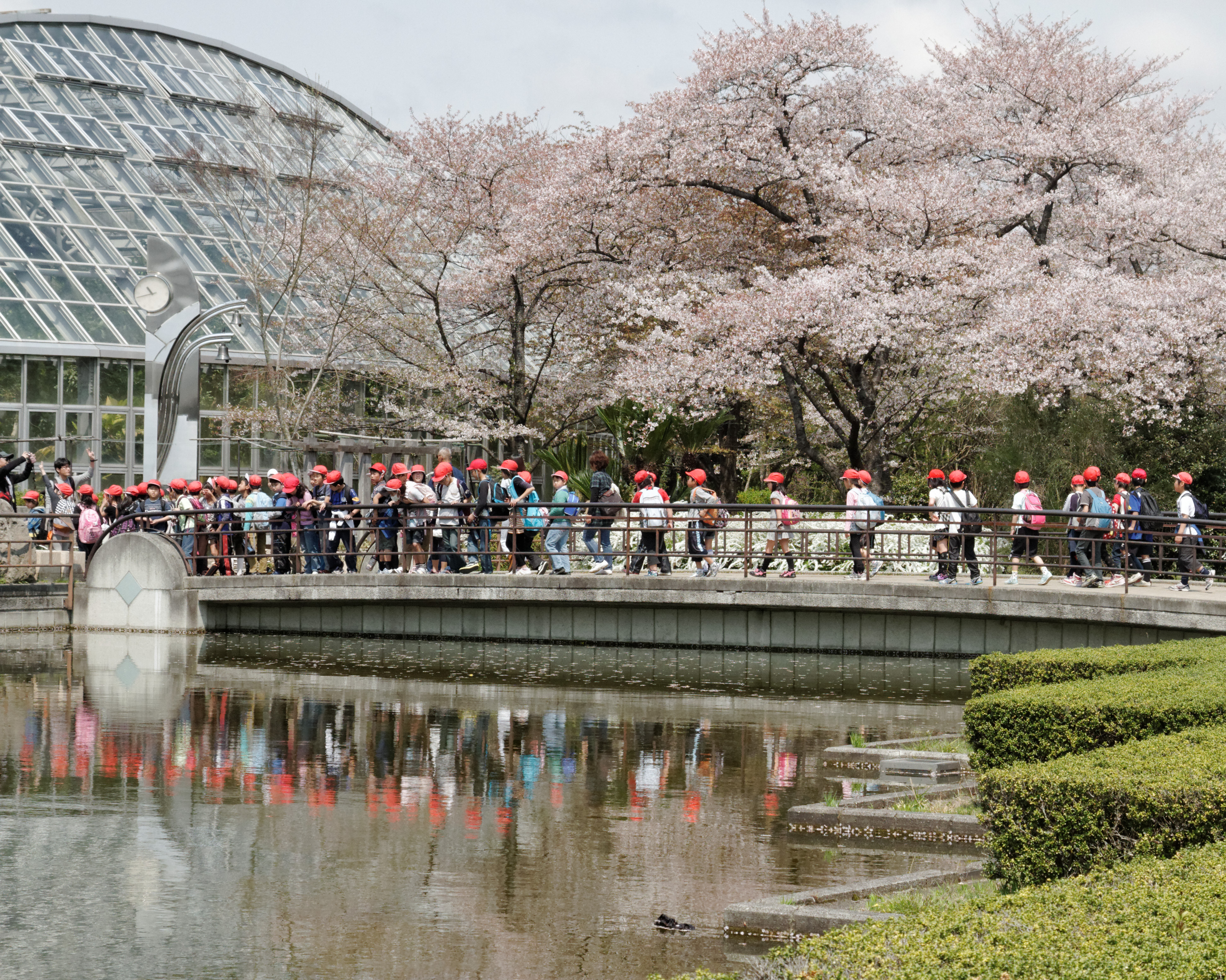
Music lovers and architecture enthusiasts converge on the Kyoto Concert Hall, a striking modern building that opened in 1995 as part of the city's 1,200th anniversary celebrations. It was designed by Arata Isozaki, one of Japan's most influential postwar architects and a Pritzker Prize laureate, and it shows his taste for bold geometry married to careful acoustic science. Set in the leafy Kitayama district in the north of the city, directly across from the Kyoto Botanical Garden, it offers a very different Kyoto from the temple-lined lanes of the east, a Kyoto that commissions world-class contemporary culture.
Isozaki's design is immediately memorable. Visitors approach through a dramatic spiralling ramp that curls upward into the building, an architectural overture that slows and elevates you before you reach the music. Inside, the complex holds two performance spaces. The Grand Hall is a 1,833-seat vineyard-style auditorium, its terraced seating wrapping around the stage so that no listener sits far from the players, crowned by a magnificent pipe organ of some 90 ranks that ranks among the finest in western Japan. The smaller Ensemble Hall Murata, a hexagonal chamber-music room, is prized for its intimacy and warm acoustics.
The hall is the home of the Kyoto Symphony Orchestra, the only municipally run professional orchestra in Japan, and its calendar runs from full symphonic programmes and organ recitals to chamber concerts, contemporary premieres and family events. The acoustics were tuned with great care, and regular concertgoers rate the sound among the best in the Kansai region. For travellers, catching a performance here is a chance to experience Kyoto as a living cultural capital rather than a museum of the past, and tickets are often more affordable and easier to obtain than at comparable halls in Tokyo.
Even outside concert hours the building rewards a look. Isozaki treated the exterior and foyer as sculpture, with the signature spiral, clean modernist volumes and thoughtful use of light, and the surrounding Kitayama neighbourhood is one of the city's most stylish, dotted with cafés, boutiques and the greenery of the botanical garden. Combining an afternoon in the gardens with an evening concert makes for an unusually well-rounded day.
Access could hardly be simpler: Kitayama subway station sits almost at the door, one minute away on the Karasuma line that runs straight from Kyoto Station. Because it is a subway rather than a JR line, a rail pass does not apply, but an IC card taps you there in about fifteen minutes. Check the programme in advance and book ahead for popular concerts; the hall's website lists English-friendly performances. Whether you come for the music, the architecture or simply to see how modern Kyoto expresses itself, this quietly confident building is well worth the short trip north.
A local's tip
Even without a ticket you can admire Arata Isozaki's spiralling entrance ramp and, on concert days, hear the 90-rank pipe organ in the Grand Hall.
Best time to visit
Evenings for concerts; the Kitayama area is lovely in spring
Getting there
One minute from Kitayama Station on the Karasuma subway line, opposite the Kyoto Botanical Garden in the city's north.
Good to know
- Cafe
- Cloakroom
- Restrooms
- Accessible Seating
Plan the whole trip offline
Kyoto Concert Hall is one of many places in the Real Japan app — with turn-by-turn directions, nearby spots and full offline maps you can use with no signal.