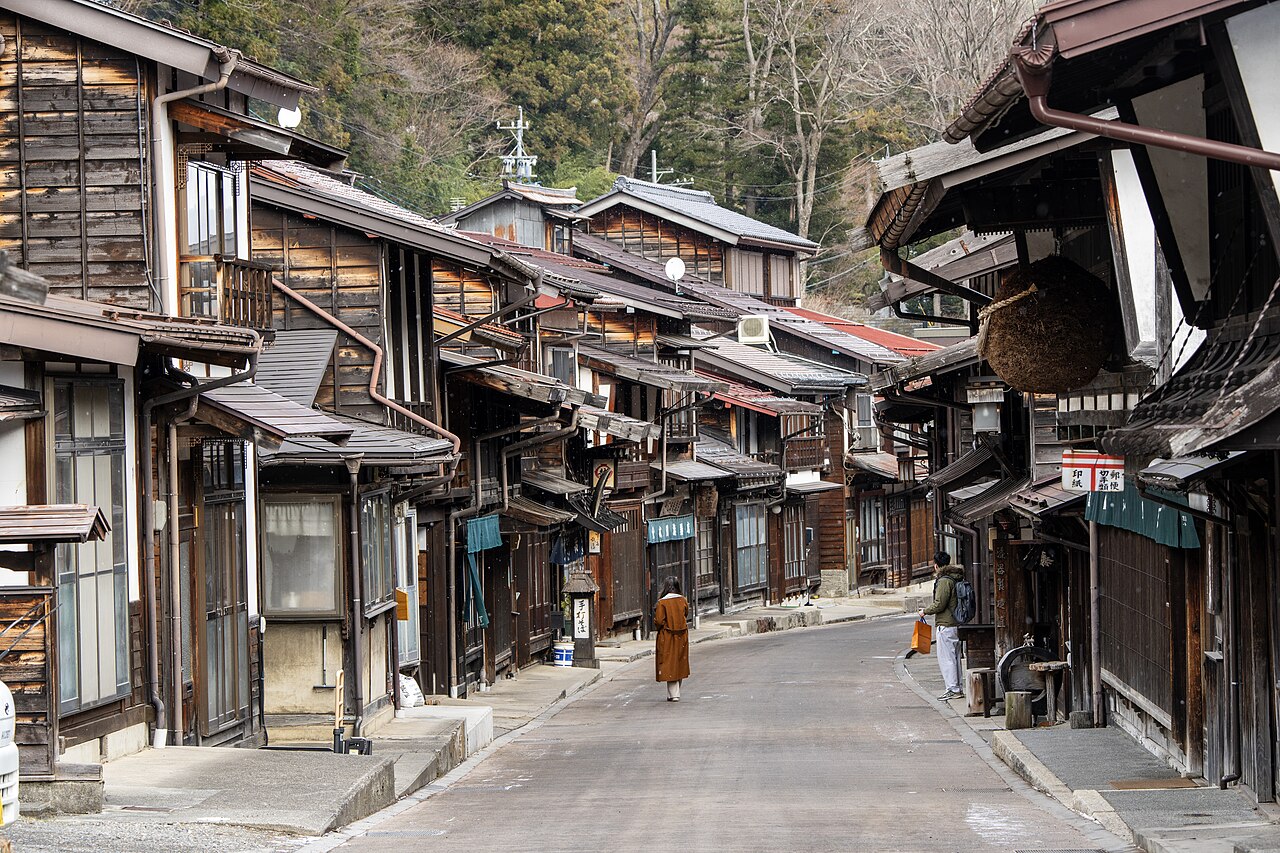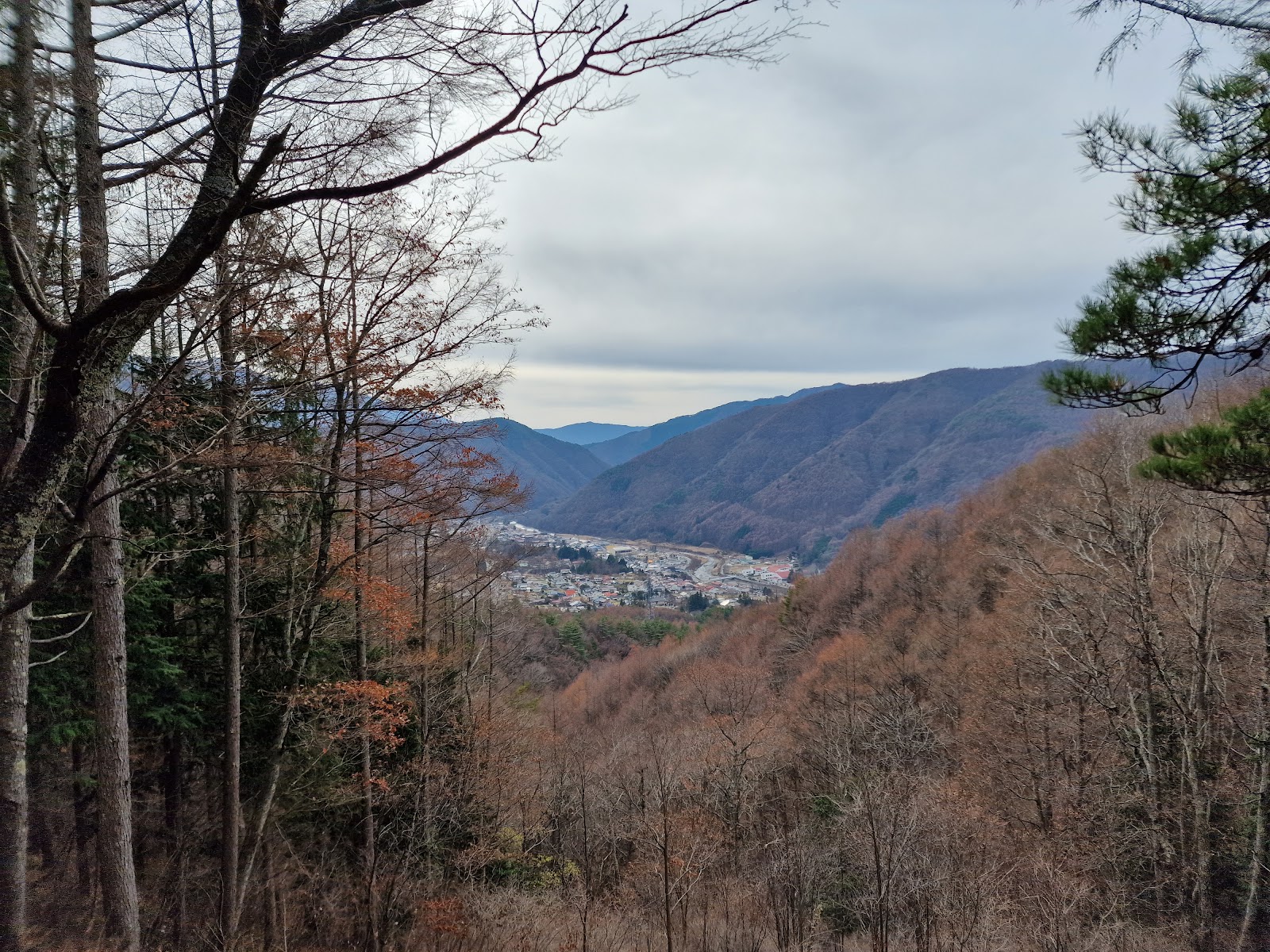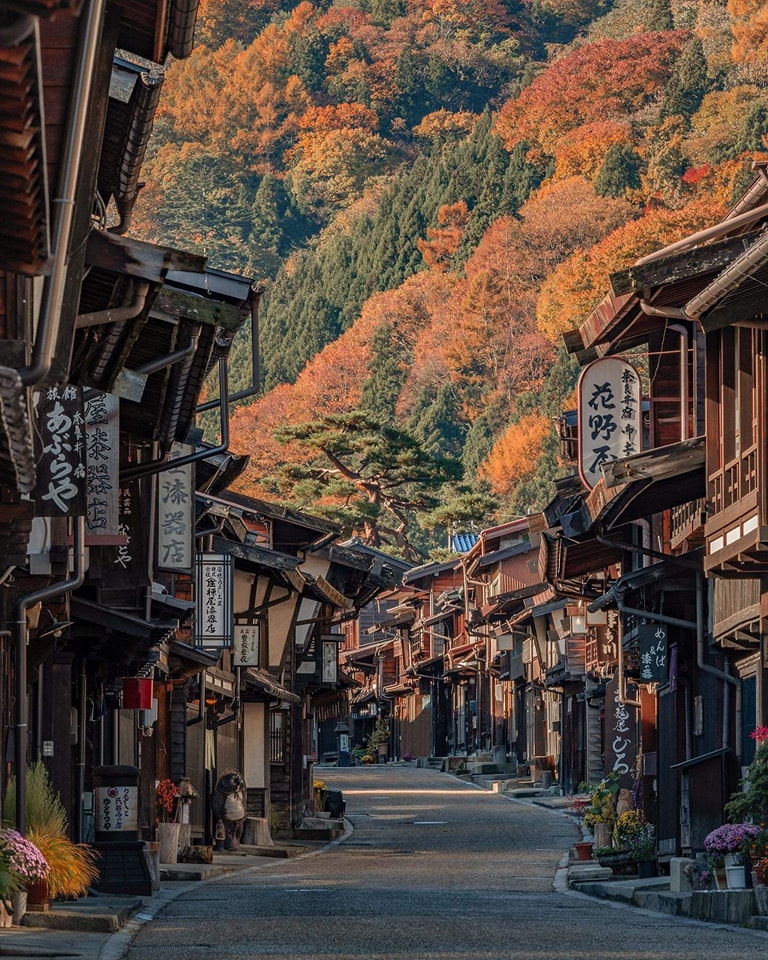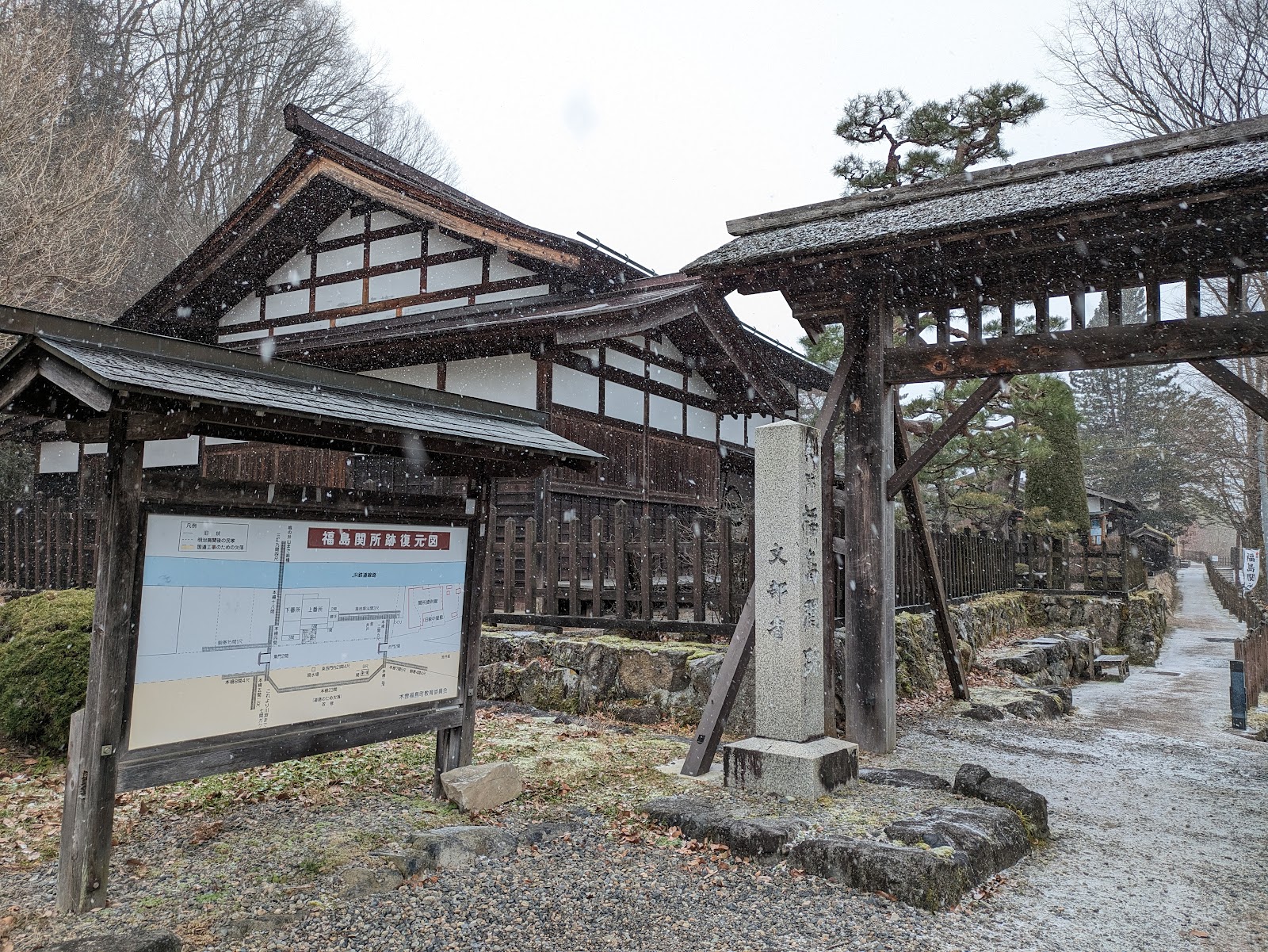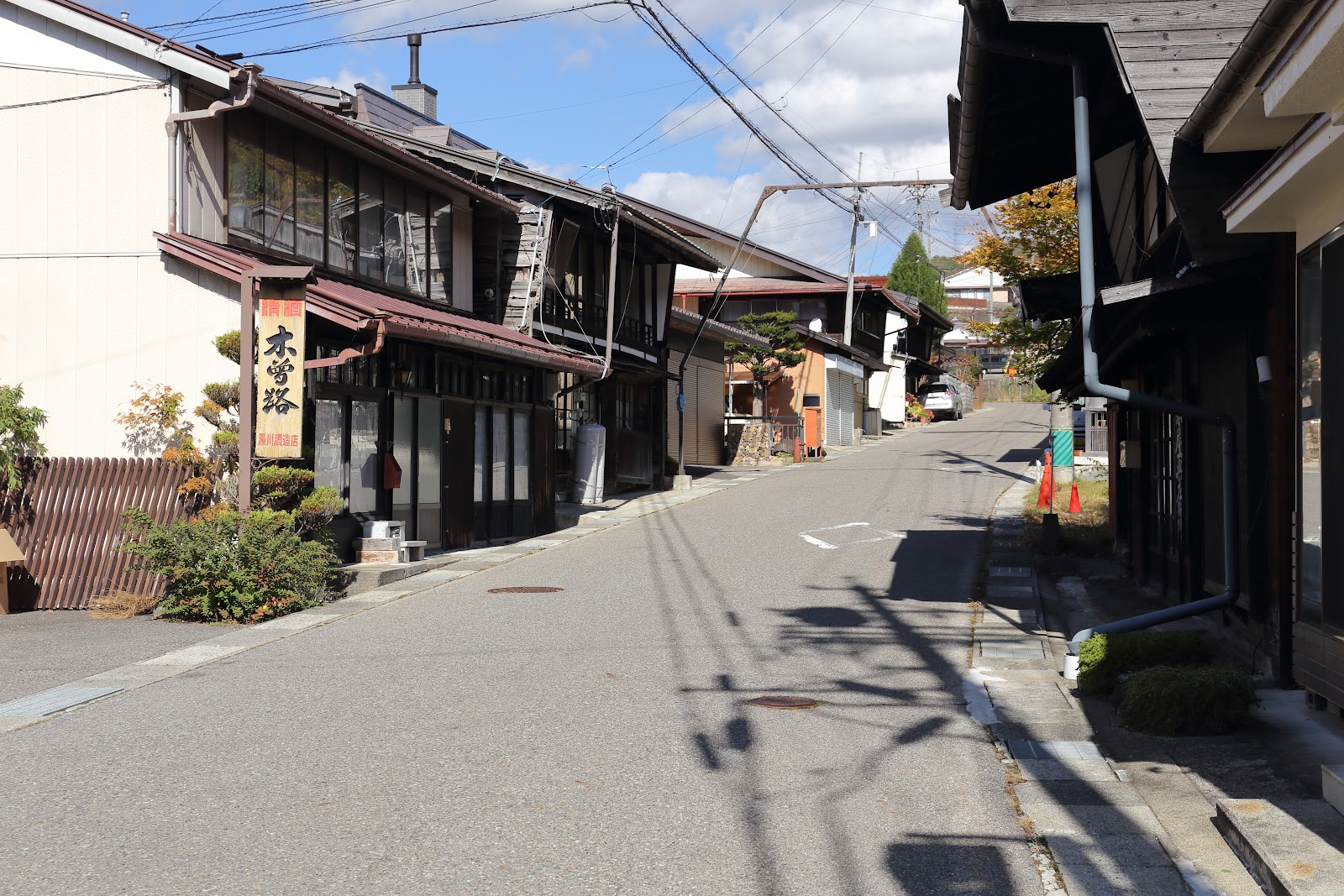
A quiet former Nakasendo post town at the foot of Torii Pass, once a bustling stop where travellers prepared to cross the mountains.
Yabuhara-juku is a quiet former post town in the upper Kiso Valley that once played an outsized role on the Nakasendo highway as the station at the foot of the Torii Pass. As the last stop before travellers faced the demanding climb over the pass toward Narai, Yabuhara was where they rested, resupplied and steeled themselves for the crossing — and where those coming the other way recovered afterward. Today it is a peaceful, workaday town that rewards visitors who value authenticity and history over polish.
The town's fortunes were tied entirely to the road and the pass. Because Torii Pass was one of the more difficult crossings on the Kiso section of the Nakasendo, Yabuhara prospered as a place of inns, teahouses and horse stables serving the constant flow of daimyo processions, merchants, pilgrims and porters. It was also known for producing fine combs and other lacquered wooden crafts, a trade shared with the wider Kiso region and its lacquer town of Hirasawa nearby. When the railway arrived and the old highway fell silent, Yabuhara settled into quiet obscurity, and much of its modest historic character survived.
Unlike the carefully curated streets of Tsumago and Magome, Yabuhara is a genuine, lived-in town, and its appeal is subtler: scattered old buildings, the layout of the former post station, and above all its role as a gateway to a superb historic walk. The preserved Nakasendo trail over Torii Pass begins here, climbing through cypress forest to the pass with its Ontake shrine and mountain view before descending to the beautifully preserved post town of Narai. This makes Yabuhara less a destination to linger in than a rewarding starting point for one of the Kiso Valley's best hikes.
The experience, then, is often about transit and history rather than sightseeing. Walkers arrive by train, explore the modest old town briefly, and set off over the pass; others simply appreciate a stop that feels untouched by tourism. For those interested in the full sweep of the Nakasendo, Yabuhara completes the picture between the lacquer town of Hirasawa, the post town of Narai and the pass that links them, showing how each settlement served a specific function along the great highway.
Seasonally, autumn cloaks the surrounding slopes in colour and spring brings fresh green; the town is a comfortable base or waypoint in any snow-free season, though the pass trail can be difficult in winter snow. Facilities are those of a small mountain town — a few shops, restrooms and simple eateries — so most visitors treat it as a hiking base rather than an overnight stop, with the polished lodging concentrated in Narai and Kiso-Fukushima.
Access is easy: JR Yabuhara Station on the Chuo Main Line is right in the town, with the Torii Pass trailhead close by and Narai just one stop away by train. For history-minded travellers walking the Nakasendo, Yabuhara-juku is the authentic, uncrowded beginning of a memorable mountain crossing.
A local's tip
Use Yabuhara as the launch point for the historic Torii Pass hike over to Narai rather than just passing through.
Best time to visit
Autumn; or as the start of the Torii Pass walk
Getting there
JR Yabuhara Station on the Chuo Main Line sits in the town; the old street and the trailhead for Torii Pass to Narai are close by.
Good to know
- Restrooms
- Trailhead
Plan the whole trip offline
Yabuhara-juku is one of many places in the Real Japan app — with turn-by-turn directions, nearby spots and full offline maps you can use with no signal.