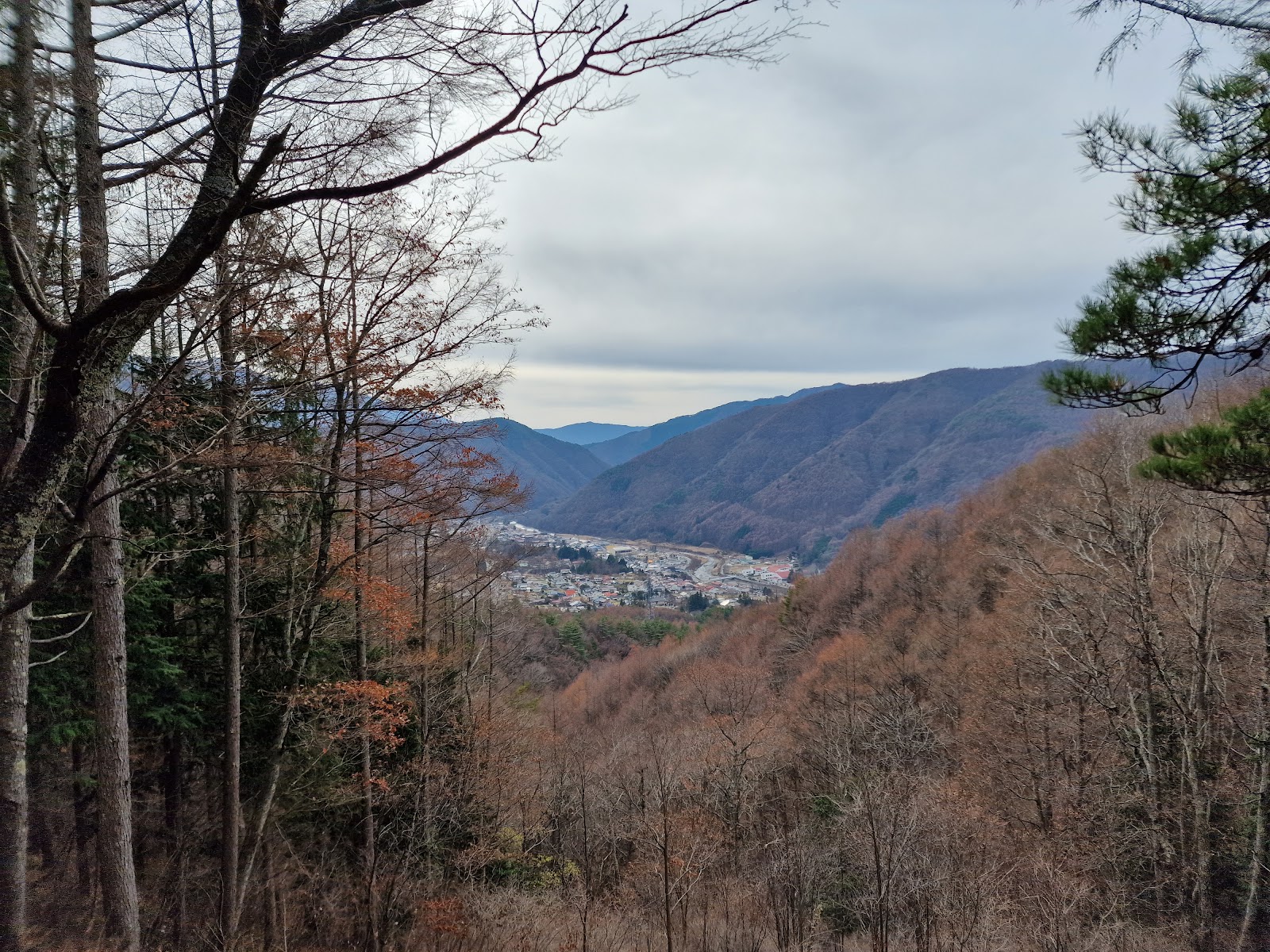
A historic pass on the old Nakasendo highway with a mountain shrine and a revered view of the sacred volcano Mount Ontake.
Torii Pass (Torii-toge) is one of the most storied crossings on the old Nakasendo highway, the Edo-era road that linked Kyoto and Edo through the mountains of the Kiso Valley. At around 1,197 metres, it separates the watersheds of the Kiso and Narai rivers and marks a place where travellers for centuries have paused — not only to rest, but to worship, for the pass offers a revered view of the sacred volcano Mount Ontake rising to the west.
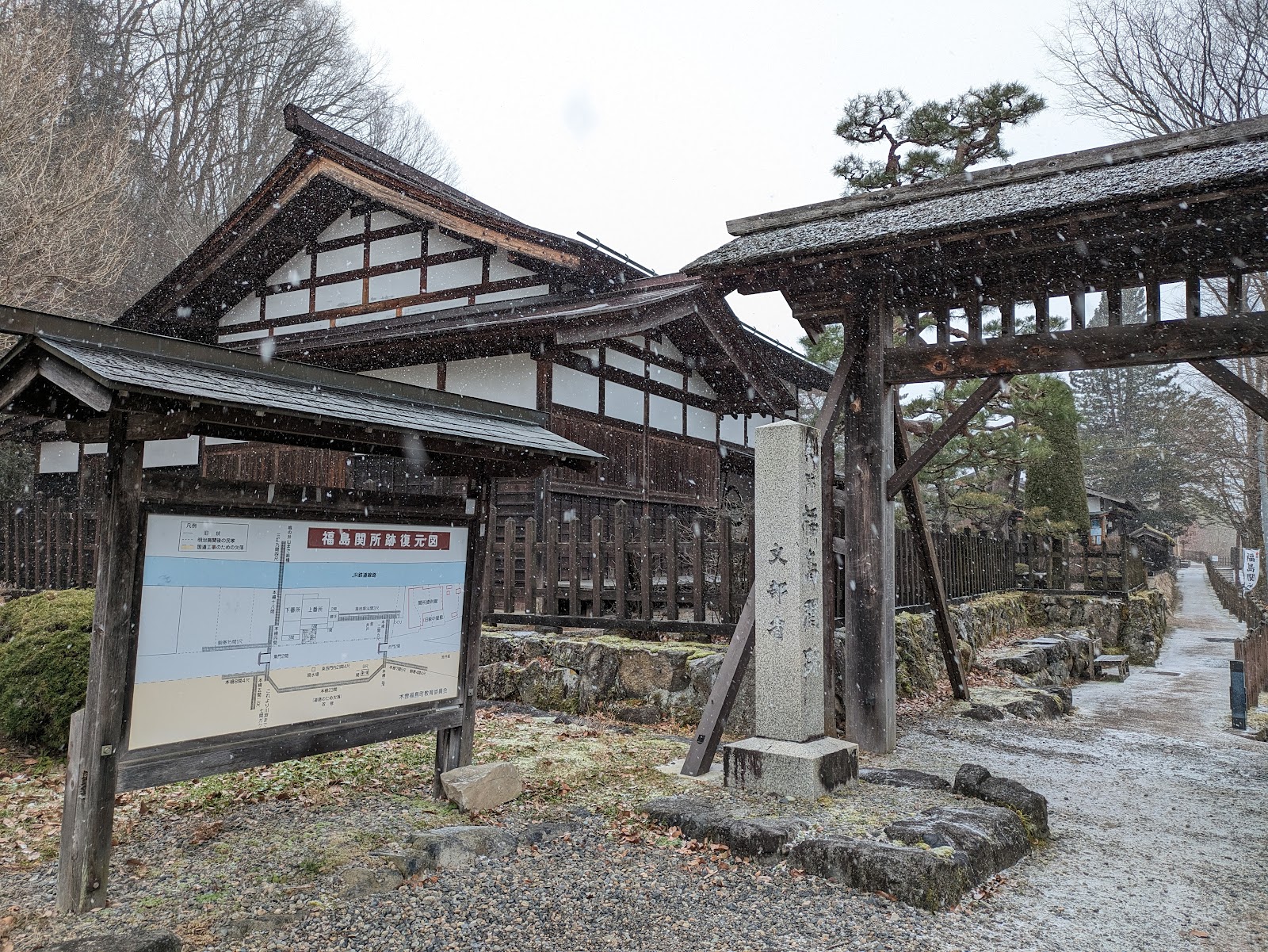
The pass takes its name from the torii gate that stands near its summit, dedicated to Ontake, the great sacred peak of the Kiso region and the object of a distinctive mountain-worship faith. Pilgrims and ordinary travellers alike would stop here to pray toward the volcano, and the small Ontake shrine at the pass, together with old stone monuments and worn statues along the path, gives the crossing a quietly spiritual atmosphere. On a clear day the view of Ontake's broad, often snow-streaked cone framed through the trees is the reward that has drawn people over this pass for generations.
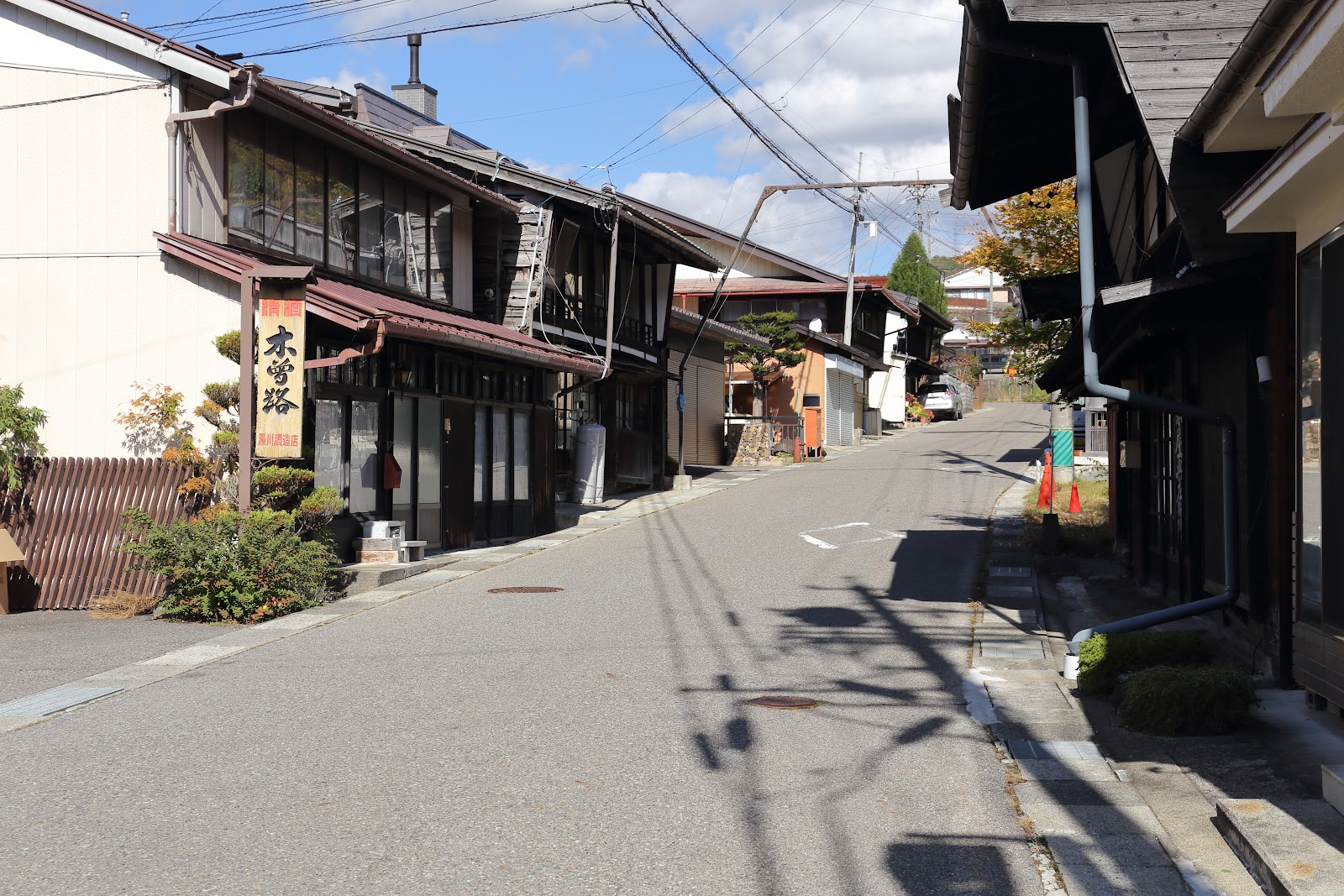
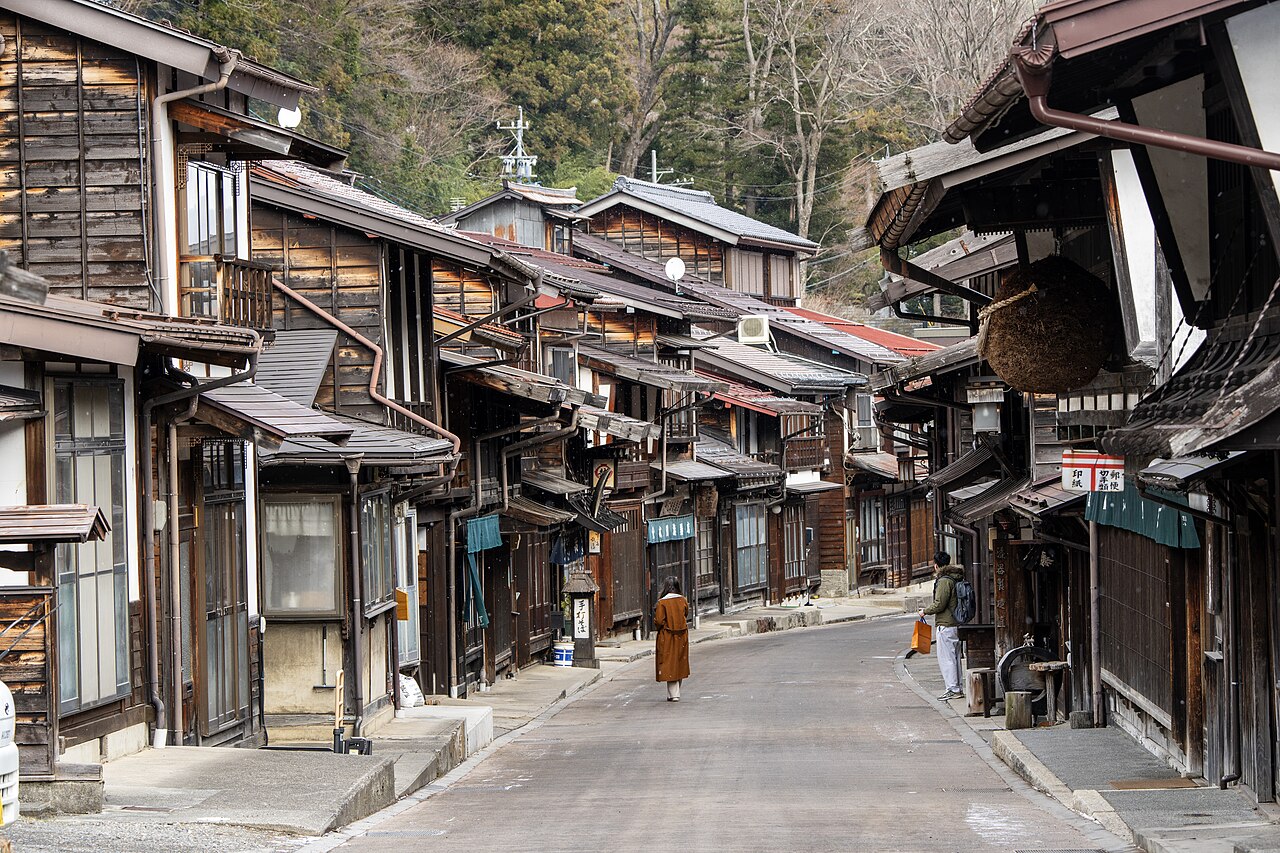
Walking Torii Pass is walking history. A preserved section of the Nakasendo climbs from the post town of Yabuhara over the pass and down to Narai, one of the best-preserved and most beautiful of all the Kiso post towns. The trail is a genuine mountain footpath — earthen and stony, with a real climb of a few hundred metres and some uneven, occasionally slippery sections — so it earns a moderate rating and calls for proper footwear, but it is well signposted and hugely rewarding. The full walk from Yabuhara Station over the pass to Narai takes roughly two to three hours.
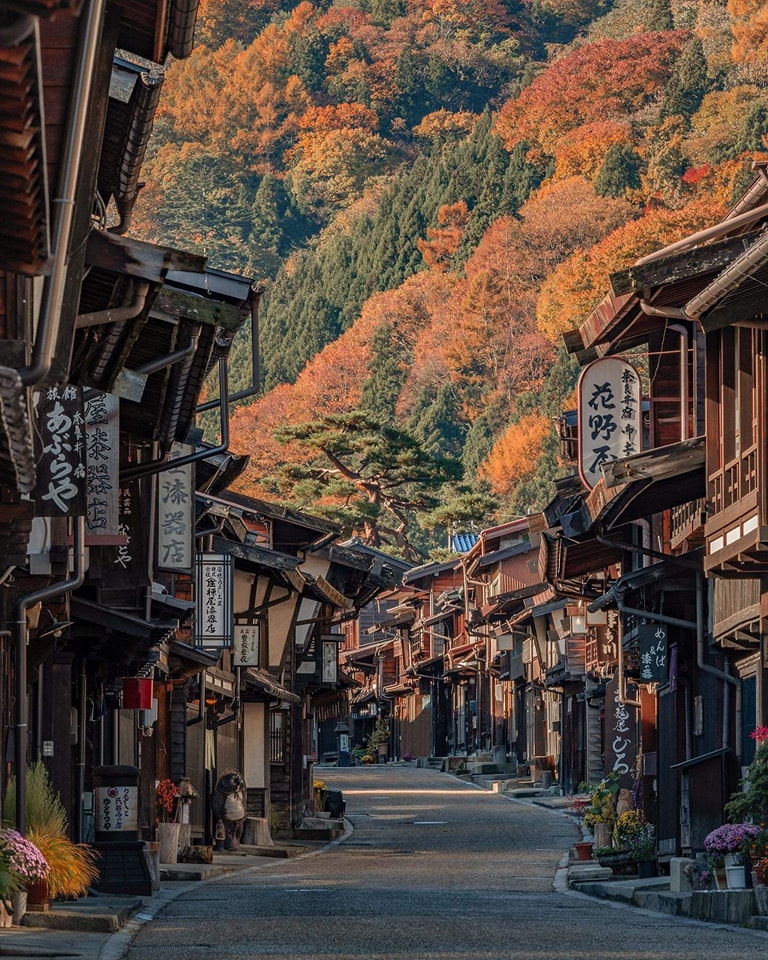
The experience combines forest hiking with layered history. The path threads through cypress and cedar woodland, passes the pass-top shrine and its Ontake viewpoint, and delivers you into the wooden streetscape of Narai, where you can rest, eat and explore a townscape little changed since the Edo period. Because it links two rail-served post towns, it is an ideal one-way day walk that needs no car and finishes with a train ride back.
Seasonally, autumn brings glorious foliage to the wooded slopes, spring offers fresh green, and summer provides a cool, shaded forest walk; clear, dry days give the best chance of the Ontake view. Winter can bring snow and ice to the path, making it harder and sometimes hazardous, so the comfortable season runs spring through late autumn.
Access is straightforward for a mountain crossing: JR Yabuhara and Narai stations sit at either end of the walk on the Chuo Main Line, so you can hike the historic route in one direction and return by train. For anyone wanting to experience the Nakasendo as its travellers did — with a sacred-mountain view and a preserved post town as the payoff — Torii Pass is one of the Kiso Valley's most rewarding walks.
A local's tip
Walk it from Yabuhara down to Narai to finish in one of the Kiso Valley's most beautiful post towns.
Best time to visit
Autumn for foliage; clear days for the Ontake view
Getting there
The historic Nakasendo path over Torii Pass climbs from Yabuhara Station toward Narai; the summit shrine and Ontake viewpoint are reached on foot.
Good to know
- Shrine
- Trail markers
Plan the whole trip offline
Torii Pass is one of many places in the Real Japan app — with turn-by-turn directions, nearby spots and full offline maps you can use with no signal.