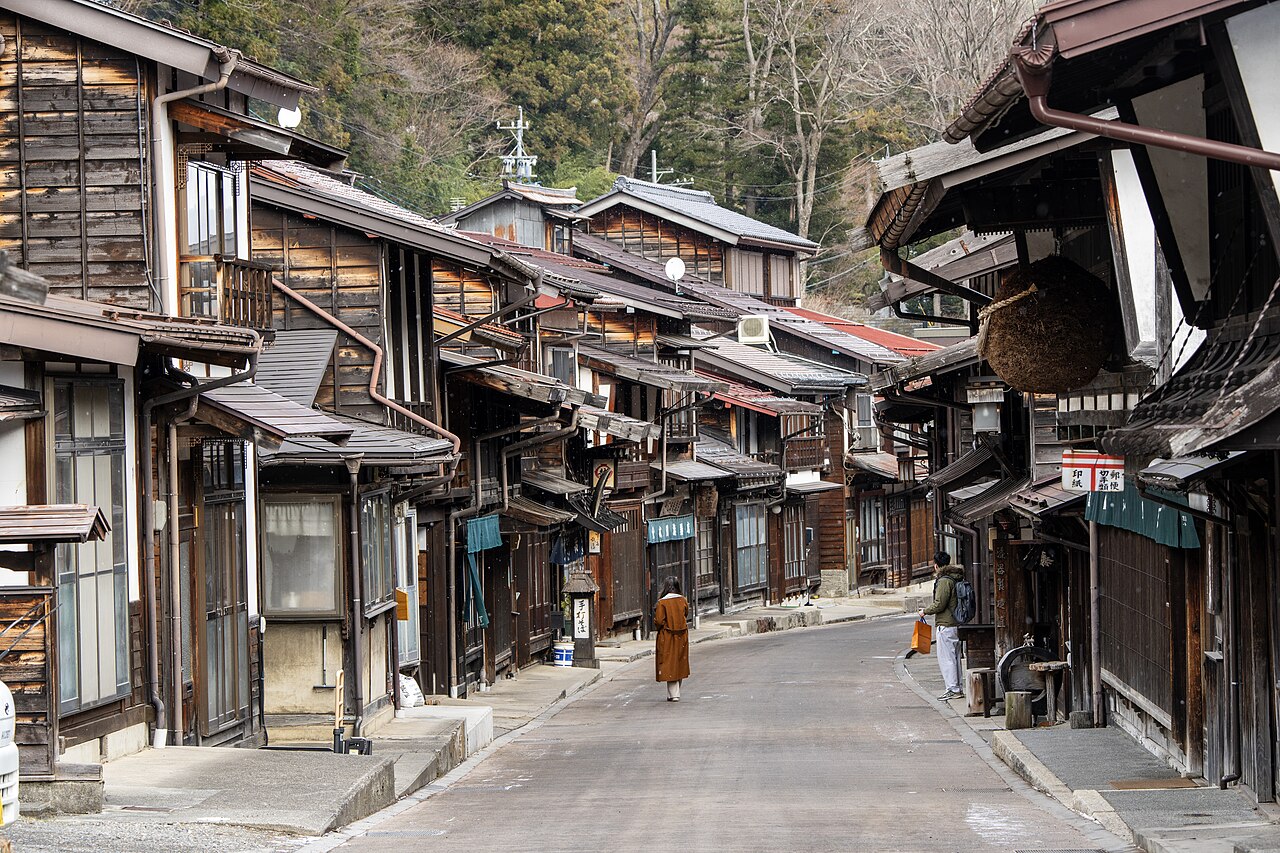
A beautifully preserved Edo-era post town on the old Nakasendo highway, lined with wooden merchant houses.
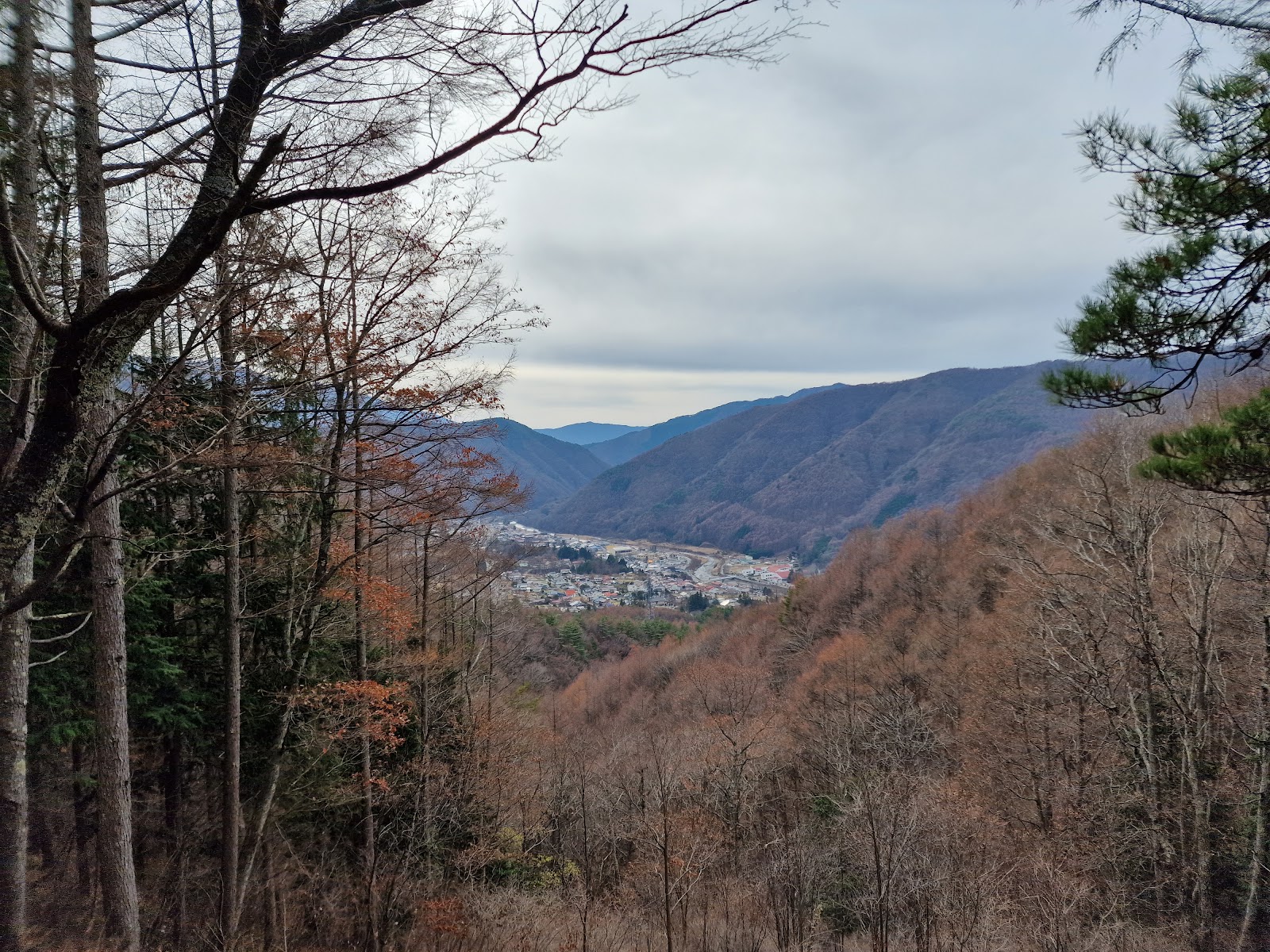
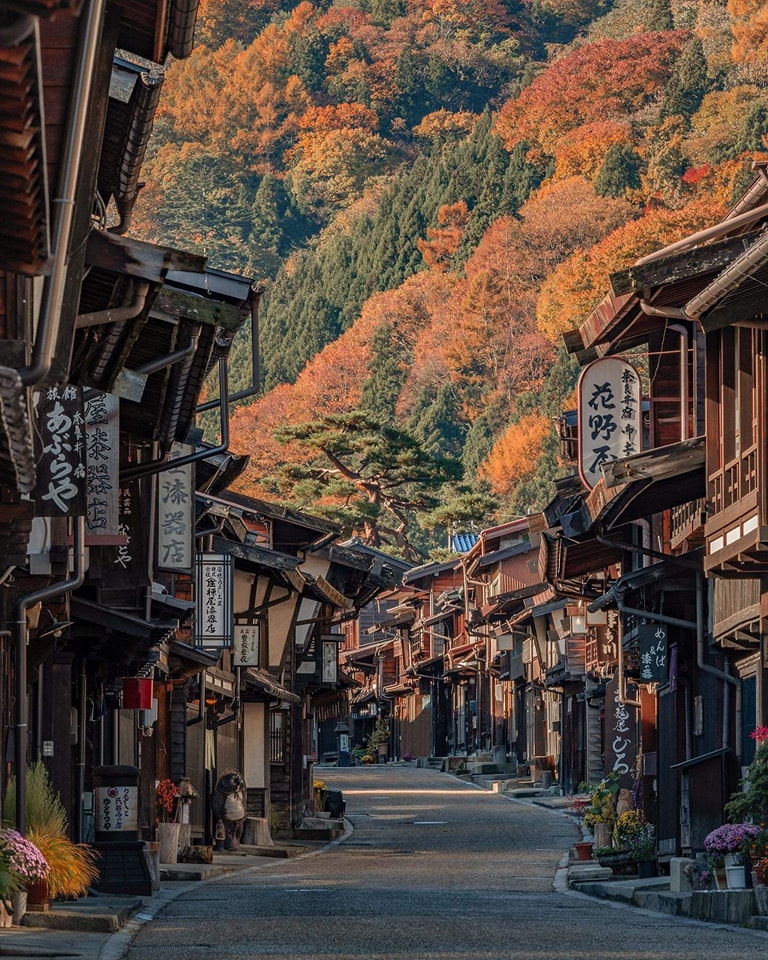
Narai-juku is one of the best-preserved post towns in Japan, a kilometre-long street of dark wooden buildings strung along the old Nakasendo, the inland highway that connected Edo (now Tokyo) with Kyoto during the Edo period. It was the 34th of the route's 69 post stations and the wealthiest of the eleven towns along the Kisoji, the stretch that wound through the steep, forested Kiso Valley. Travellers and porters crossing the difficult Torii Pass rested here, and the town grew so prosperous that it earned the nickname Narai Senken, or Narai of a Thousand Houses.
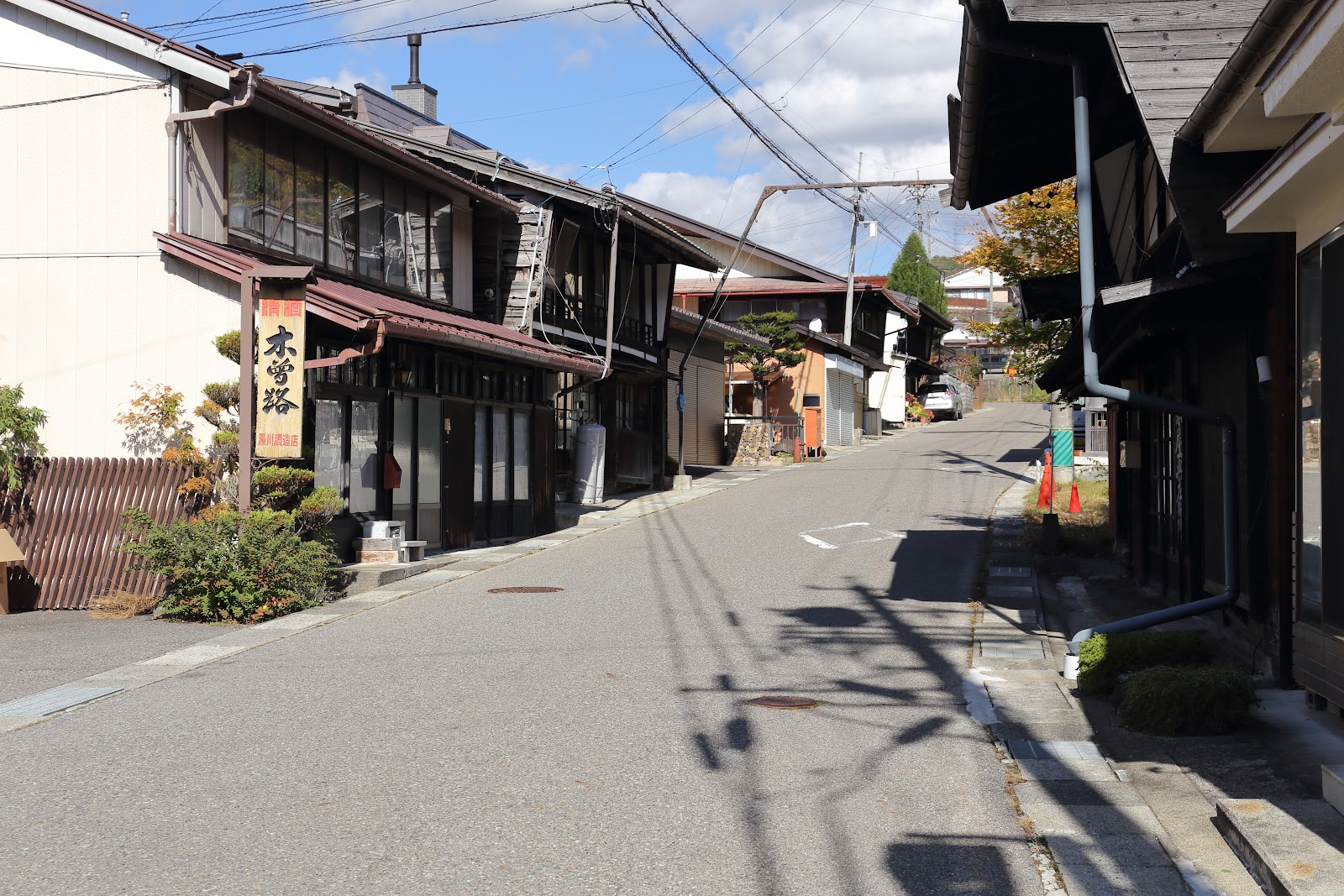
Walking the main street today feels like stepping back two centuries. The timber merchant houses, inns and shops present a continuous frontage of latticed windows, deep eaves and second storeys that overhang the street, built to shelter walkers from rain and snow. Many are still lived in, and a good number operate as small shops selling Kiso lacquerware and wooden combs, traditional crafts for which the valley has long been known, alongside cafes, sake breweries and family-run soba restaurants. Because there is no admission charge and the street is a living community rather than an open-air museum, the atmosphere is authentic and unhurried, especially early in the day before tour groups arrive.
The town's water supply is part of its character: several stone-lined public springs, or suido, still bubble along the street, once used by travellers and now a pleasant detail of the streetscape. At the southern end stands the Kiso-no-Ohashi, a graceful arched bridge built without central supports from great cypress beams, spanning the Narai River and framed in season by hydrangeas and maples. Scattered through and around the town are small temples and the Shizume Shrine, reached by stone steps at the edge of the settlement.
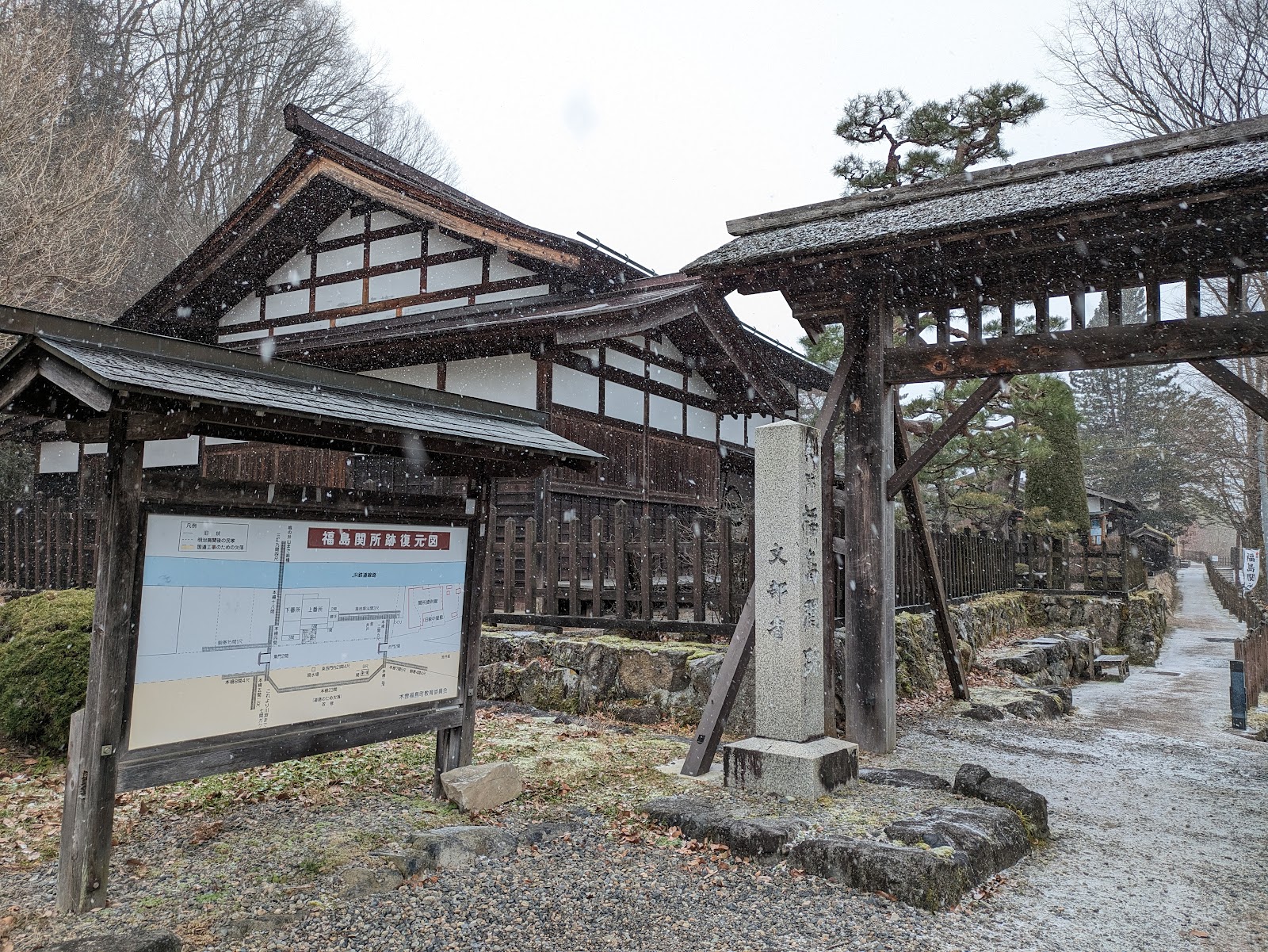
Narai's preservation owes much to a decision in the 1970s to protect the district as an Important Preservation District for Groups of Traditional Buildings, halting the modernisation that erased so many other post towns. The result is a rare, coherent stretch of Edo-period townscape that has featured in numerous films and dramas. It is quieter and less commercialised than the better-known Tsumago and Magome further south, and many walkers consider it the most atmospheric of all the Kiso post towns.
Getting here is easy: Narai has its own small station on the JR Chuo Line, just a short walk from the head of the historic street, and the journey from Matsumoto takes around an hour through mountain scenery. Two hours is enough to stroll the length of the town, browse the craft shops, sample Kiso soba or the grilled gohei-mochi rice skewers glazed with sweet miso, and walk out to the cypress bridge. For those with more time, staying overnight in one of the historic inns lets you experience the street after the day visitors leave, when lantern light and silence restore something close to its Edo-period stillness.
A local's tip
Stay for lunch to try Kiso soba and the local gohei-mochi rice skewers, and walk to the moss-covered Kiso-no-Ohashi cypress bridge just south of the town.
Best time to visit
Morning on a weekday; June for the Ajisai season
Getting there
Take the JR Chuo Line south from Matsumoto to Narai Station, about 45 minutes to an hour. The preserved street begins a few steps from the small station.
Good to know
- Cafes
- Shops
- Restrooms
Plan the whole trip offline
Narai-juku is one of many places in the Real Japan app — with turn-by-turn directions, nearby spots and full offline maps you can use with no signal.