A vast mountaintop sculpture park at 2,000 m, where 350+ artworks stand against sweeping Japan Alps views.
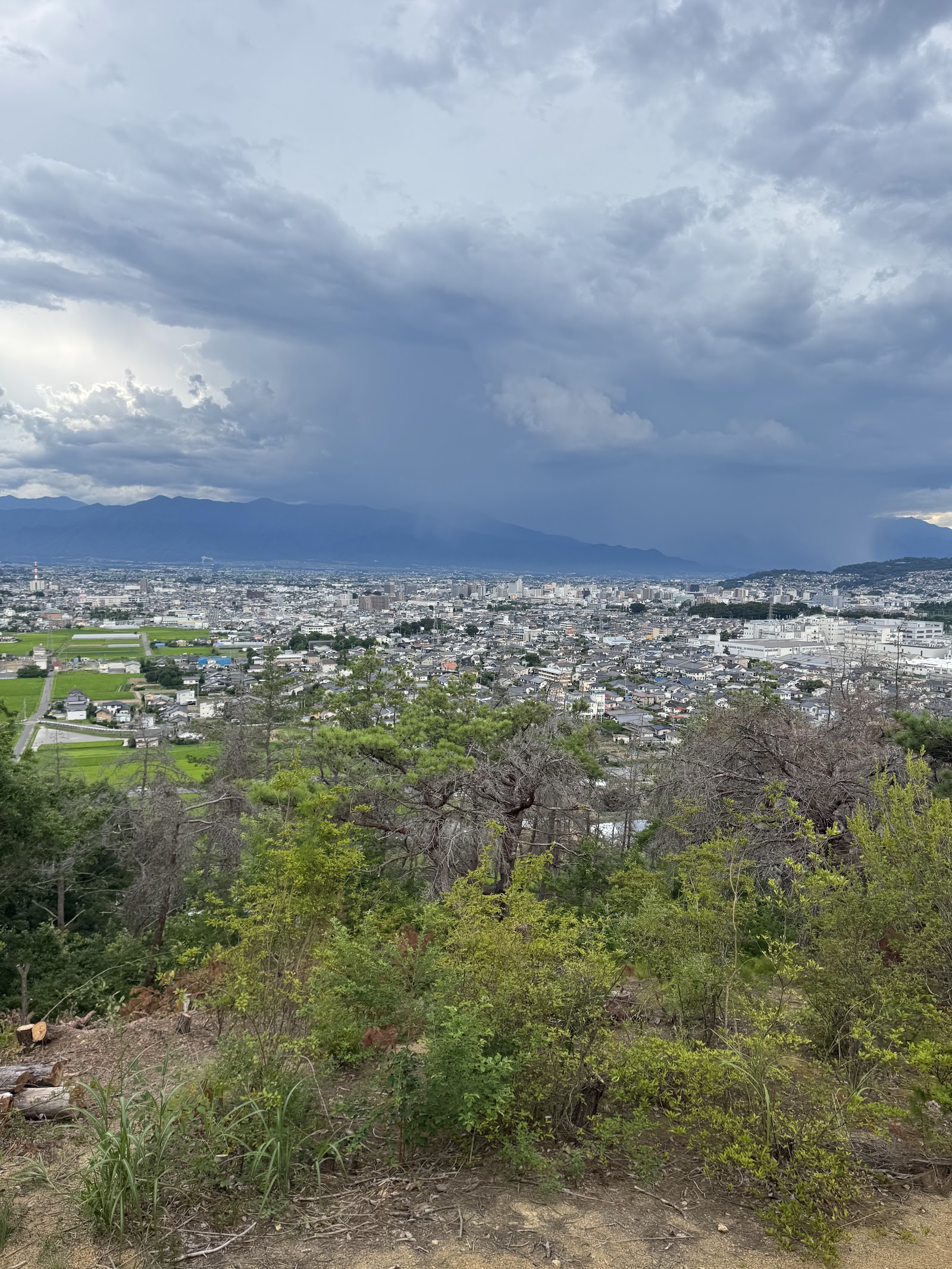
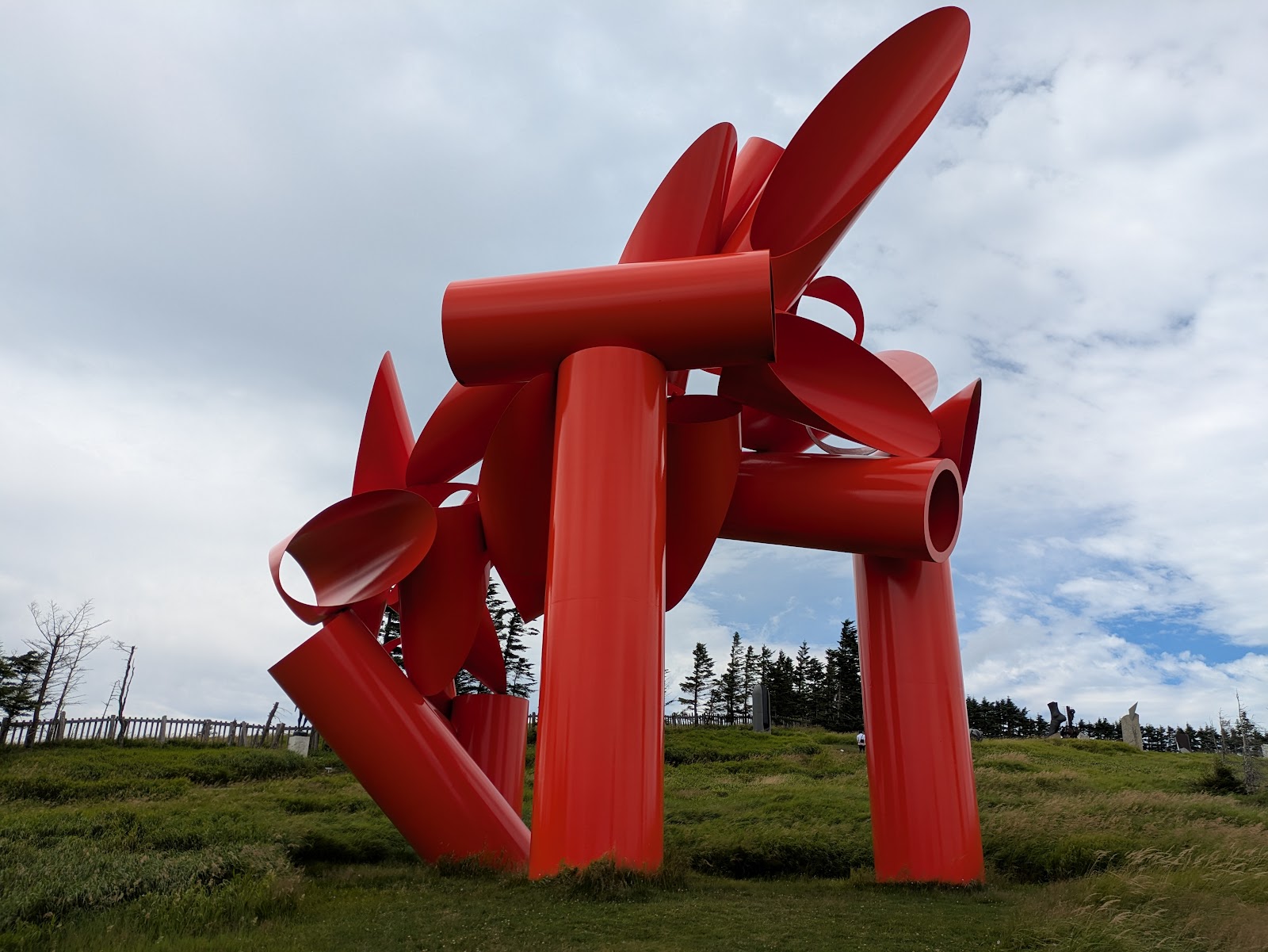
The Utsukushigahara Open-Air Museum is one of Japan's most spectacularly sited art spaces — a sprawling sculpture park perched at around 2,000 meters on the Utsukushigahara plateau, high above Matsumoto on one of the largest and highest tablelands in the country. Here, more than 350 sculptures stand scattered across grassy highland, framed by a 360-degree panorama that takes in the Northern Japan Alps, the central Nagano plains and, on clear days, distant peaks in every direction. The combination of monumental art and immense landscape is unforgettable.
Opened in 1981 as a mountain counterpart to the famous Hakone Open-Air Museum, the park gathers modern and contemporary sculpture from Japanese and international artists and sets it loose in the open air. Walking the grounds is a journey through a "down-the-rabbit-hole" collection of forms — abstract steel, figurative bronze, playful and monumental pieces alike — each recontextualized by the sky, the wind and the ever-changing mountain light behind it. Wind genuinely shapes the experience: it moves kinetic works, and fog can roll through in minutes, wrapping the sculptures in cloud and transforming the whole park into something dreamlike.
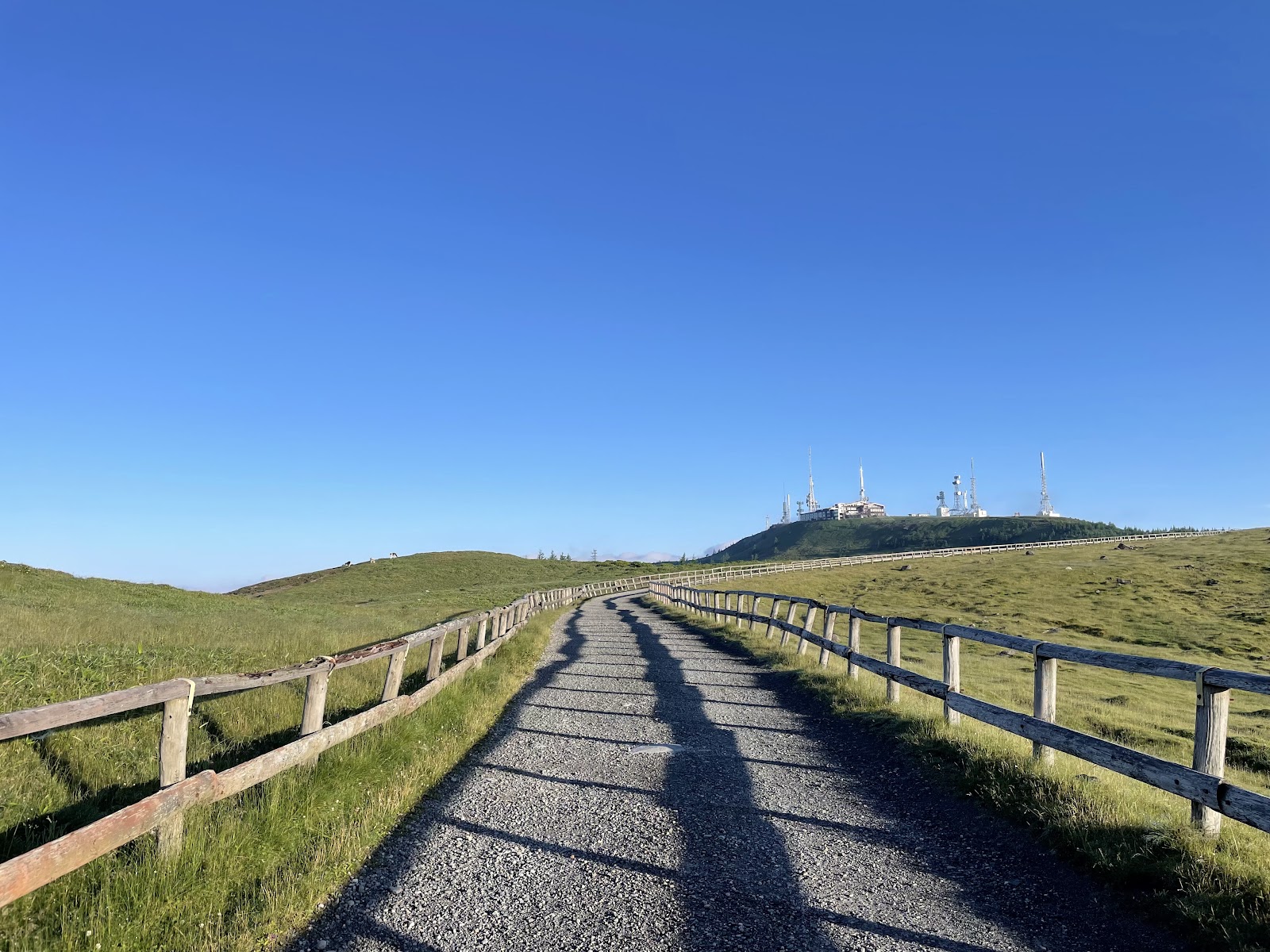
The setting is as much the attraction as the art. At this altitude the temperature runs about ten degrees cooler than the valley floor, and the highland is a place of alpine grasses, grazing land and huge open skies. Visitors come as much for the walk and the views as for the sculpture, and the museum is designed to be experienced on foot over a couple of hours, with paths winding between the works. There is a cafe and rest facilities on site.
Because of its extreme elevation and exposure, the museum is strictly seasonal: it opens from late April to mid-November and closes entirely through the deep-snow winter, when the plateau becomes inaccessible. Even in high summer the air is cool and the weather can turn quickly, so warm, windproof clothing and sturdy shoes are essential — the reward for coming prepared is the extraordinary sight of monumental art standing against alpine mist or brilliant highland sun. Autumn brings golden grasses and clear, crisp views.
Getting there requires effort, which keeps the crowds manageable. The site sits east of Matsumoto atop the plateau, reached by car along the mountain road (often combined with the scenic Utsukushigahara Skyline drive) or by seasonal bus; there is no train to the top. Admission is around 1,000 yen. Allow at least two hours to do the grounds justice, and ideally pick a clear day for the views. For travelers willing to climb into the mountains, Utsukushigahara offers a rare fusion of contemporary art, hiking and one of the grandest panoramas in central Japan — a genuine highlight of the Matsumoto region.
A local's tip
Dress warmly even in summer — it's 10 degrees cooler than the valley, and fog can roll in fast; the sculptures against mist are hauntingly beautiful.
Best time to visit
Late spring to autumn (closed in winter)
Getting there
High on the Utsukushigahara plateau east of Matsumoto; reach it by car via the mountain road, or by seasonal bus, as the site sits at around 2,000 m elevation.
Good to know
- Cafe
- Parking
- Restrooms
Plan the whole trip offline
Utsukushigahara Open-Air Museum is one of many places in the Real Japan app — with turn-by-turn directions, nearby spots and full offline maps you can use with no signal.