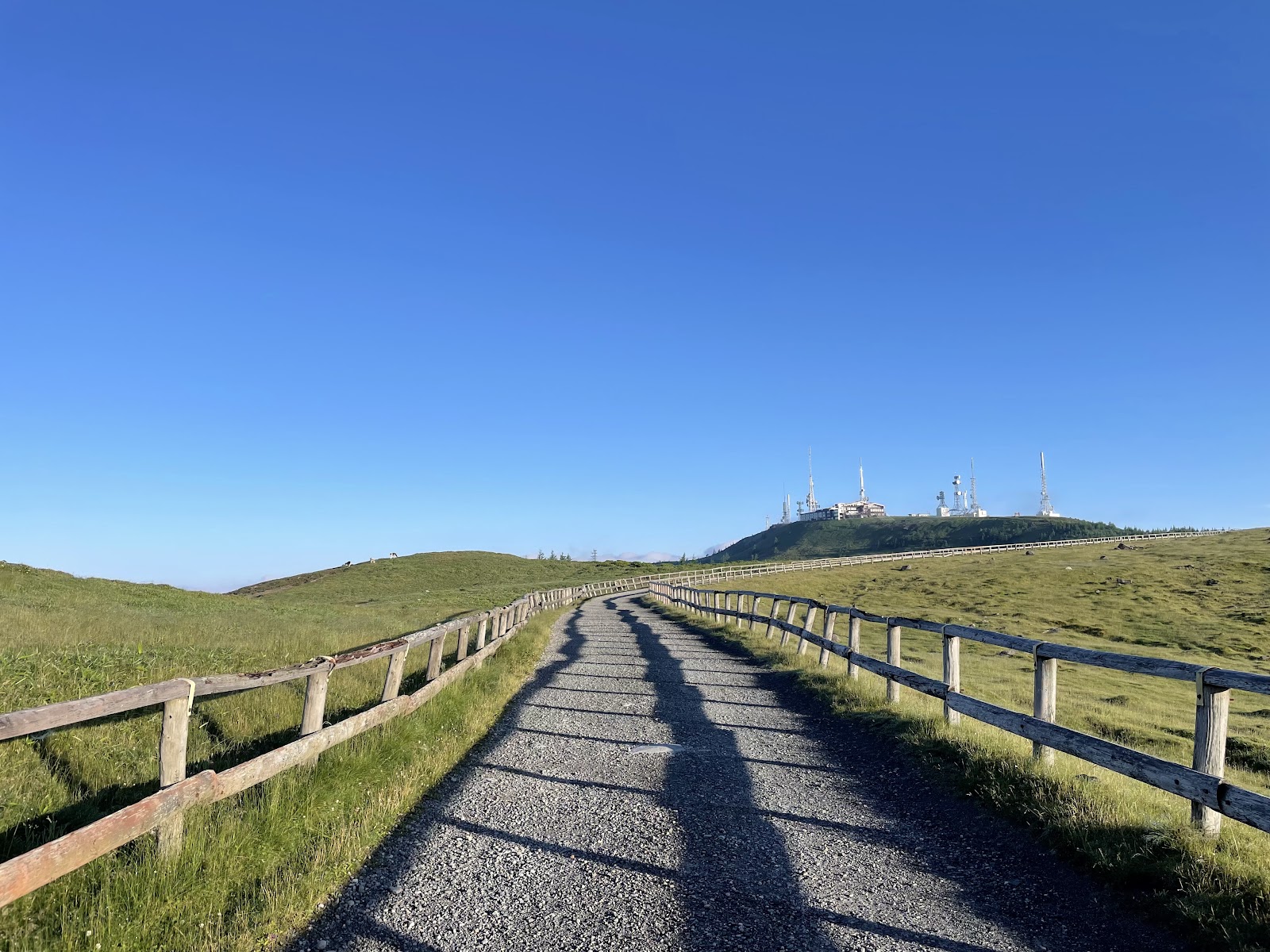
A 2,000 m grassland plateau with 360-degree alpine panoramas, grazing cattle and the iconic Ougatou viewpoint.
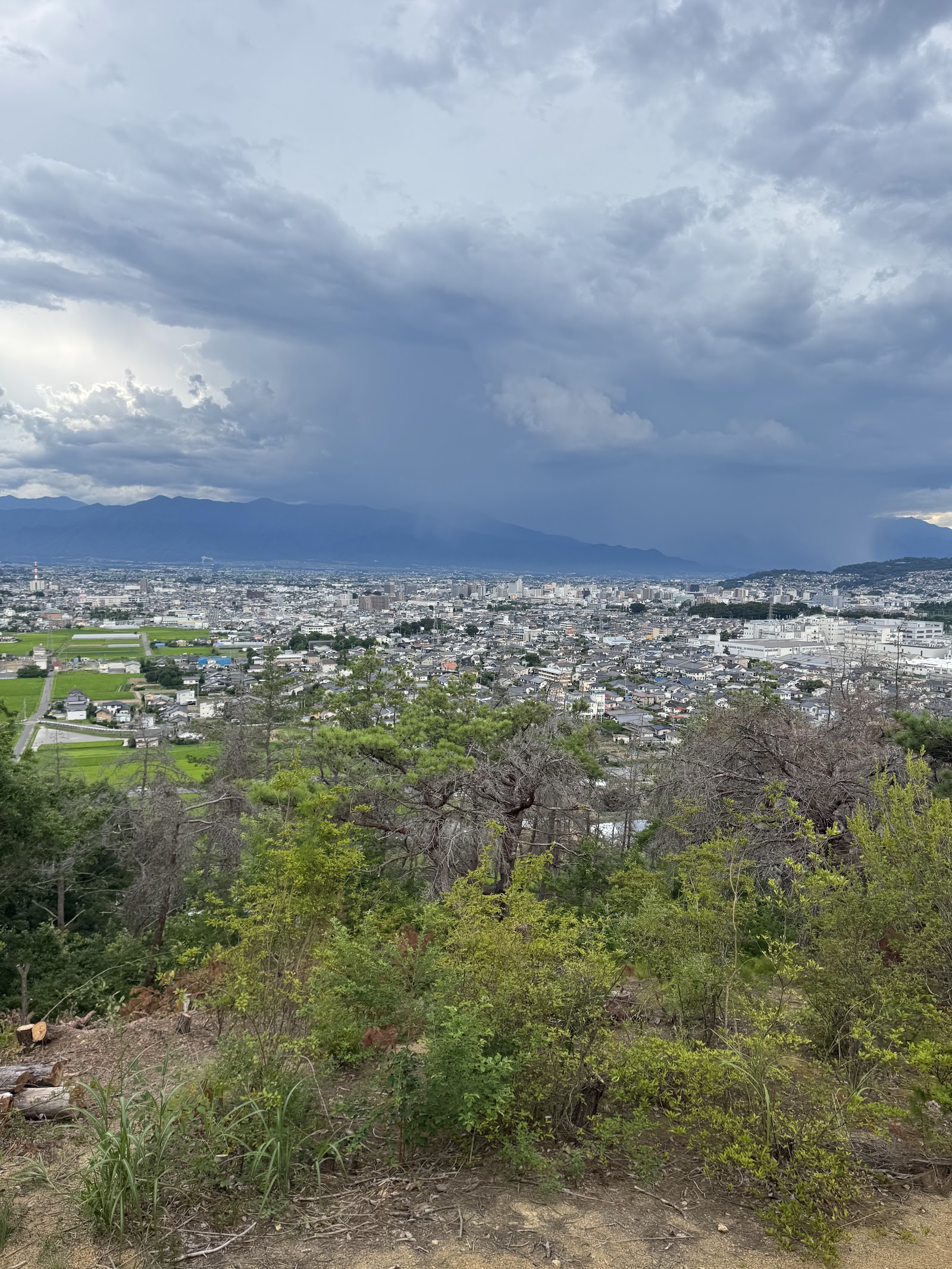
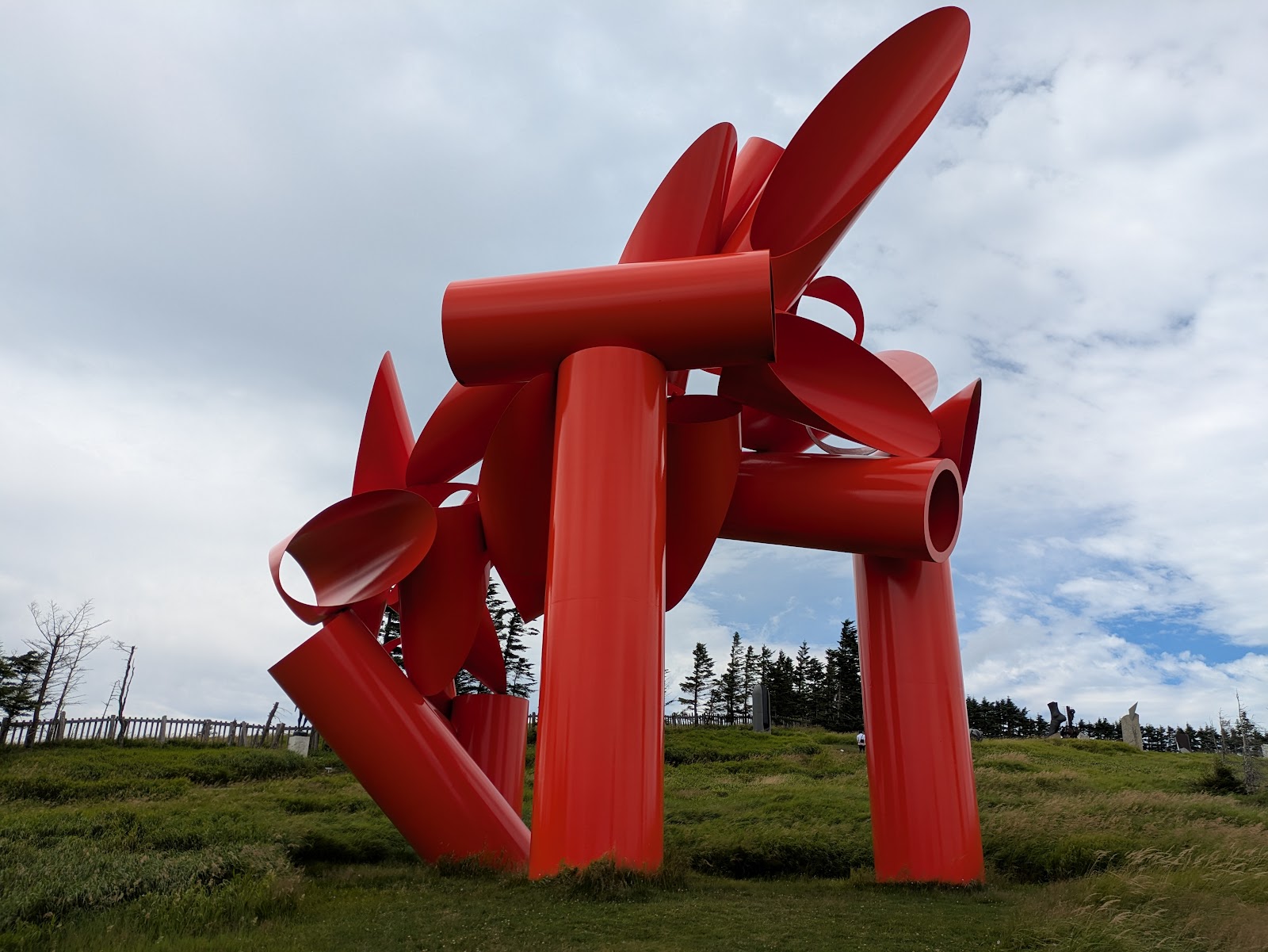
Utsukushigahara, whose name literally means 'the beautiful plain,' is one of central Japan's great highland plateaus, a rolling grassland ridge sitting at around 2,000 metres above sea level on the boundary of Matsumoto, Ueda and Nagawa. Formed by ancient volcanic activity and shaped over centuries by grazing, it is a rare expanse of open sky in a country of steep, forested mountains, and on a clear day the reward is one of the widest panoramas in the Japanese Alps.\n\nThe classic viewpoint is Ougatou, the plateau's highest point at 2,034 metres, marked by a small shrine and a cluster of transmission towers. From here the eye sweeps across the entire Northern Japan Alps, from the jagged Hotaka range to Yarigatake's spear-like summit, then round to the Central and Southern Alps, the Yatsugatake massif and, when the air is exceptionally clear, the distant cone of Mt. Fuji. Few places in Japan let you see so many famous peaks in a single turn of the head.\n\nIn summer the plateau is a working pasture: dairy cattle graze among alpine wildflowers, and the Utsukushigahara Kogen Bijutsukan (an open-air sculpture museum) dots the ridgeline with modern art set against the mountains. Gentle walking trails link the museum, the Oou pasture and Ougatou, making this an unusually accessible high-altitude landscape suitable for families and casual walkers, not just seasoned hikers. Autumn brings golden grasses and crisp visibility, the best season for photography.\n\nThe most magical experience is arriving before sunrise. Because Utsukushigahara rises abruptly above the valleys, it often floats above a 'sea of clouds' at dawn, the white sea broken only by island peaks catching the first pink light. Photographers gather at Ougatou for this phenomenon, most common on still mornings after a cool, humid night in autumn.\n\nGetting there is part of the appeal. From Matsumoto the Utsukushigahara Skyline climbs in tight switchbacks to the ridge, while from the Ueda side the Venus Line and Utsukushigahara Kogen roads connect it to Kirigamine and the wider highland network. Note that the access roads are strictly seasonal: they close through winter and typically reopen in late April, so plan a visit between late spring and autumn. There are car parks near the museum and at the pasture, plus seasonal buses from Matsumoto.\n\nDress warmly whatever the season, as the plateau is markedly cooler and windier than the valley floor, and bring water and sun protection because there is little shade. Whether you come for the sunrise clouds, the summer wildflowers or simply the sensation of standing on an open roof of grass with the Alps all around, Utsukushigahara delivers a big-sky experience that feels a world away from the cities below.
A local's tip
Arrive before dawn on a clear autumn morning: the plateau frequently floats above a 'sea of clouds' (unkai) with the Northern Alps and even Mt. Fuji ranged along the horizon.
Best time to visit
Late June to October, early morning for a sea of clouds
Getting there
From Matsumoto Station, drive about 60 minutes up the Utsukushigahara Skyline, or take a seasonal Alpico bus toward Utsukushigahara Kogen Bijutsukan. In winter the mountain roads close.
Good to know
- Cafe
- Parking
- Restrooms
Plan the whole trip offline
Utsukushigahara Highland is one of many places in the Real Japan app — with turn-by-turn directions, nearby spots and full offline maps you can use with no signal.