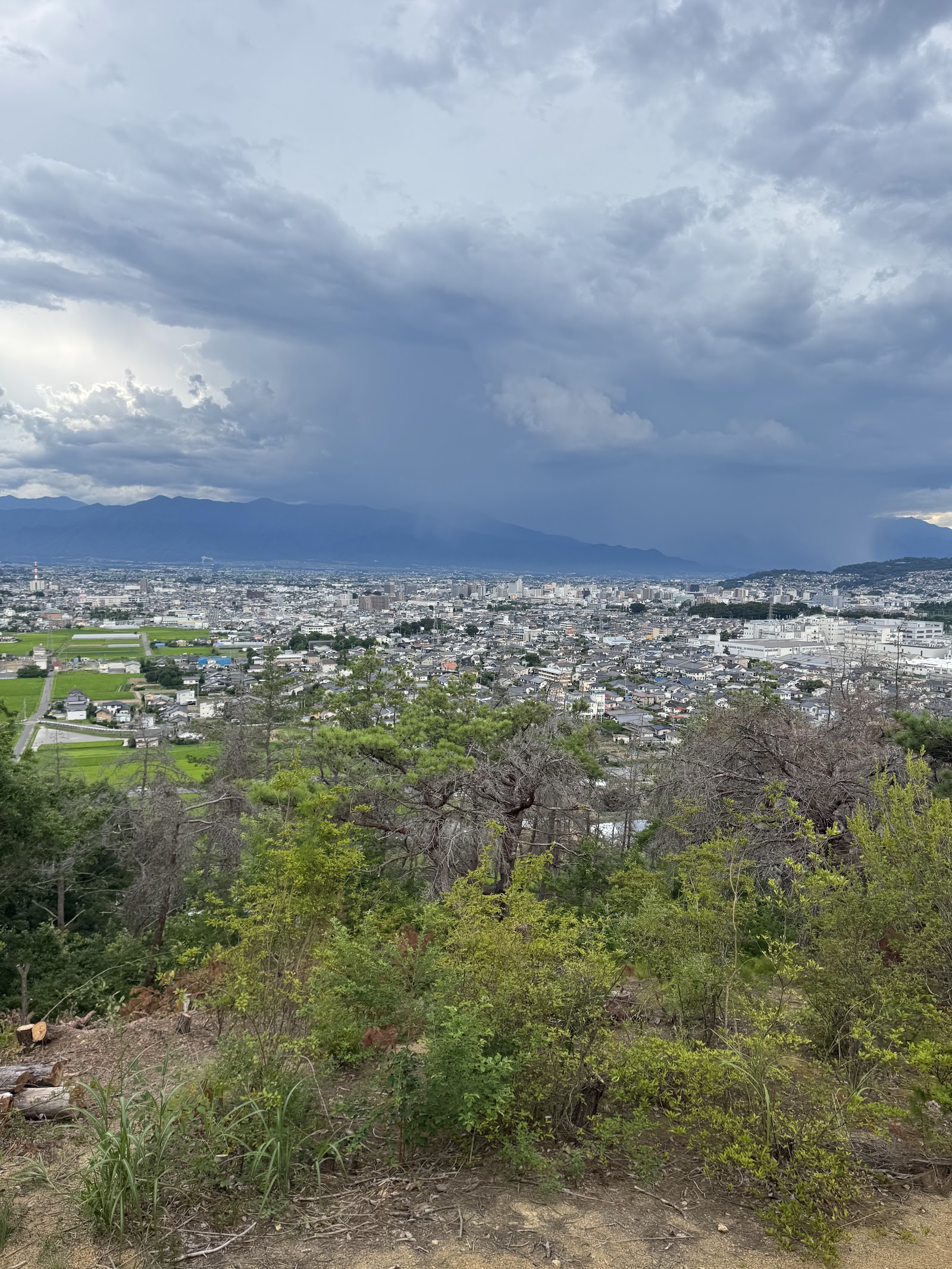
The highest lookout on the Utsukushigahara plateau, with a 360-degree panorama of the Alps, Yatsugatake and distant Mount Fuji.
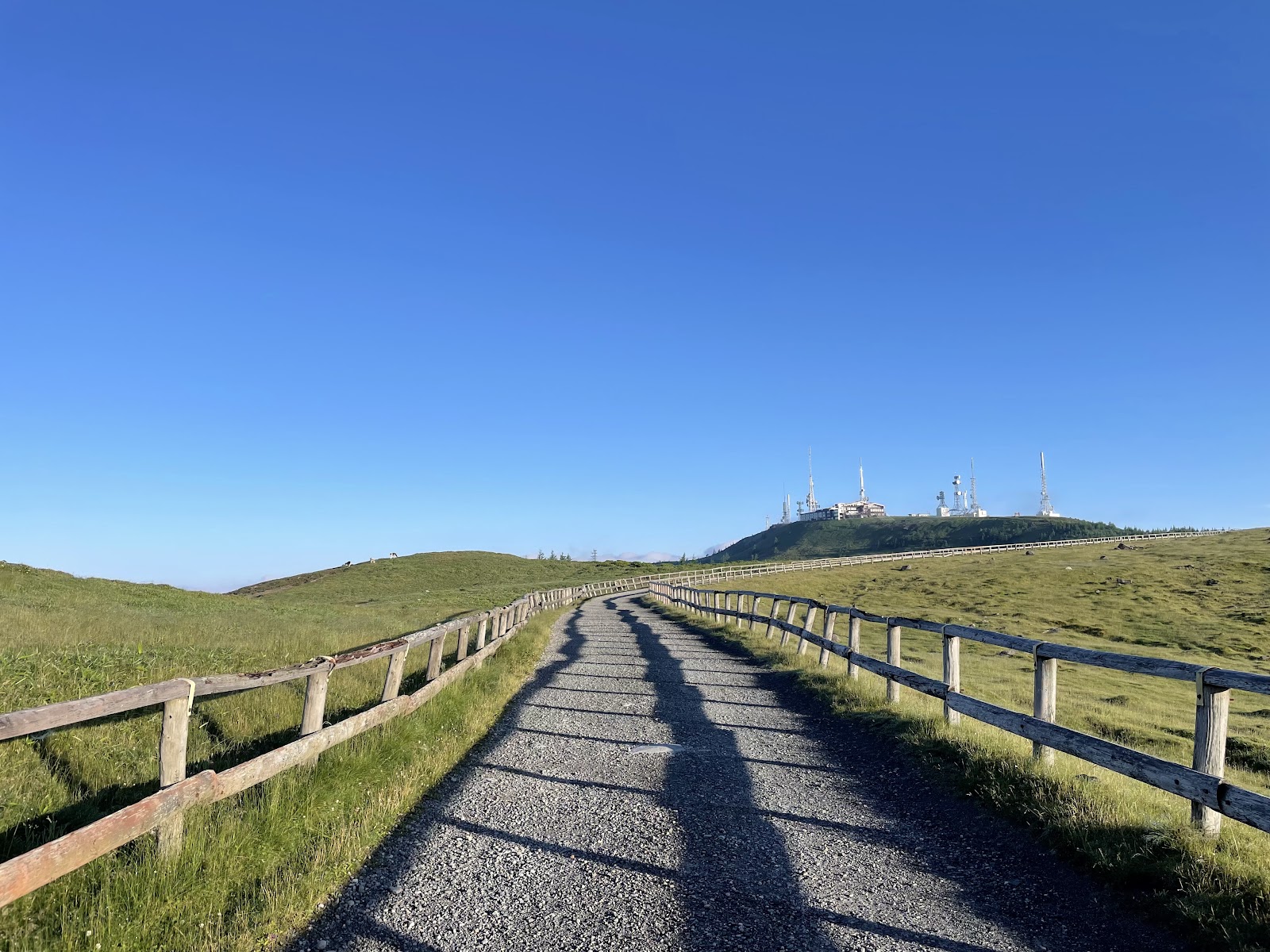
Ushibuse-yama Observatory sits at the highest point of the Utsukushigahara plateau, a grassy tableland high above Matsumoto whose name means "beautiful field." At just over 2,000 metres, the observatory commands a breathtaking 360-degree panorama: the serrated Northern Japan Alps to the west, the Yatsugatake volcanoes and Central Alps to the south, and, on clear days, Mount Fuji floating far to the southeast. It is the crowning viewpoint of one of central Japan's most scenic highland drives.
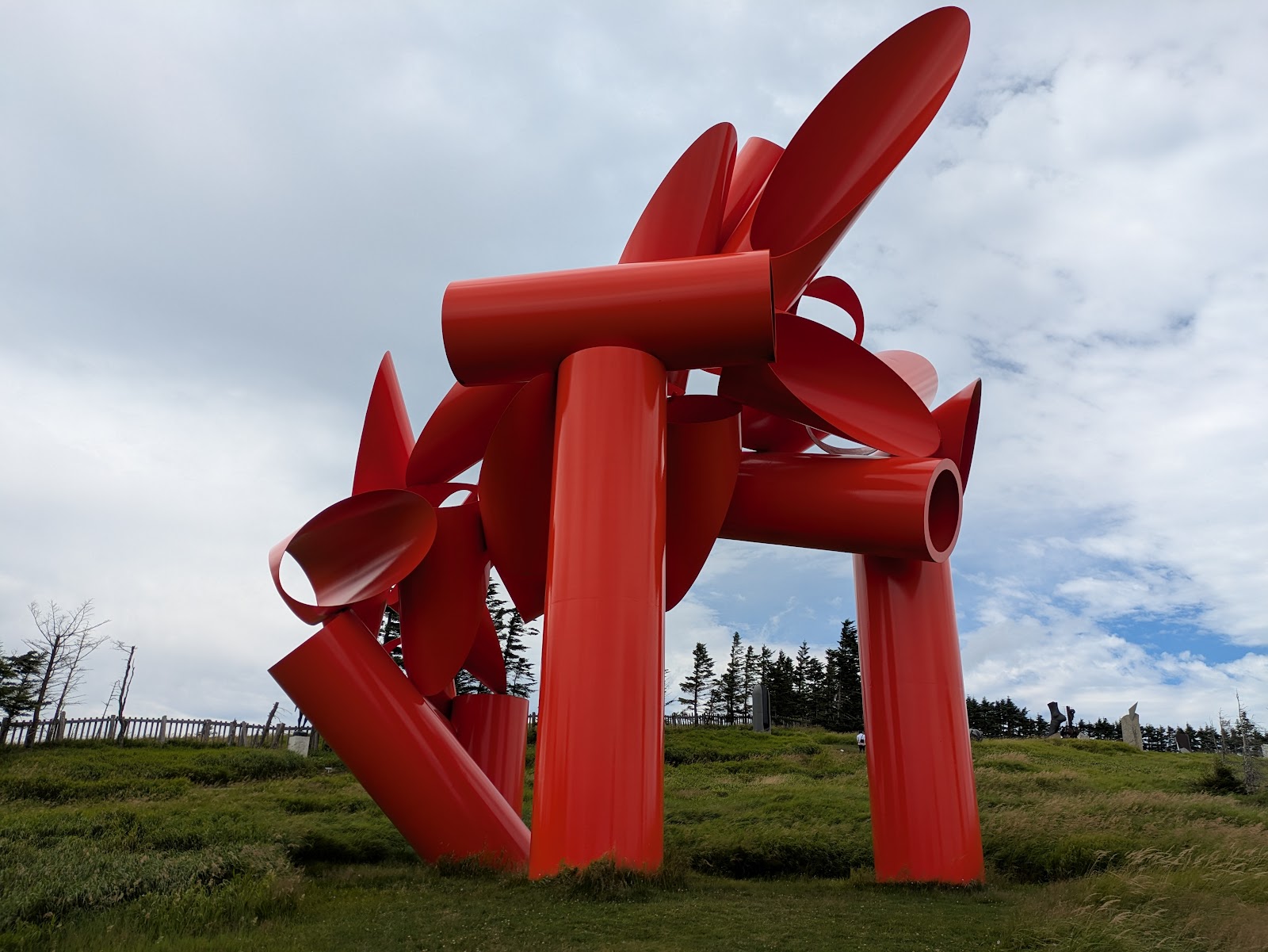
Utsukushigahara is an unusual landscape for Japan — a wide, open, treeless plateau grazed by cattle in summer, more reminiscent of an alpine pasture in Europe than the forested mountains that dominate the archipelago. This openness is exactly what gives Ushibuse-yama its extraordinary views: with no trees or ridgelines to block the eye, the whole sweep of central Honshu's great mountain ranges lays itself out around you. The plateau is also studded with cultural touches, from the summer grazing herds and their cowbells to a mountaintop shrine and the famous Utsukushigahara Open-Air Museum, whose modern sculptures dot the grassland nearby.
Reaching the observatory is easy by highland standards. The plateau is served by the scenic Utsukushigahara Skyline and the connecting Venus Line, celebrated driving routes that wind up from Matsumoto and across the highlands; from the parking areas near the summit, a short, gentle walk on grassy paths brings you to the lookout. This makes the sweeping panorama accessible to almost anyone, not just hikers, and the plateau's network of easy trails invites longer strolls across the meadows.
The visiting experience is one of light, wind and enormous space. By day the grasslands ripple in the breeze under a huge sky; at dawn and dusk the light rakes across the plateau and the distant peaks glow. Cattle graze placidly, paragliders sometimes launch from the slopes, and the cool, clean highland air is a relief from the summer heat of the valleys below. Photographers prize the clear, layered mountain silhouettes, and the combination of natural panorama and open-air art makes for a distinctive day out.
Season matters greatly. The highland roads are open only from around late April to mid-November; in winter deep snow closes them entirely. Summer is the classic time, when the meadows are green, the air is cool and the grazing cattle complete the pastoral scene; clear autumn days bring the sharpest long-distance views, including the best chances of spotting Fuji. Because of the altitude and exposure, it can be cold and windy even in midsummer, so a warm layer is always sensible.
Utsukushigahara is most easily explored by car along the Venus Line from Matsumoto, with the observatory a short walk from the road; seasonal buses also serve the plateau. Combine Ushibuse-yama with the open-air museum and a walk among the grazing herds, and you have one of the most memorable and accessible highland panoramas in the Japanese Alps.
A local's tip
Pair it with the Utsukushigahara Open-Air Museum and the plateau's grazing cattle for a classic highland day.
Best time to visit
Clear days for Alps panoramas; summer for cool highland air
Getting there
Reached via the Utsukushigahara Skyline / Venus Line mountain roads from Matsumoto; a short walk from the parking area leads to the observatory.
Good to know
- Parking
- Restrooms
Plan the whole trip offline
Ushibuse-yama Observatory is one of many places in the Real Japan app — with turn-by-turn directions, nearby spots and full offline maps you can use with no signal.