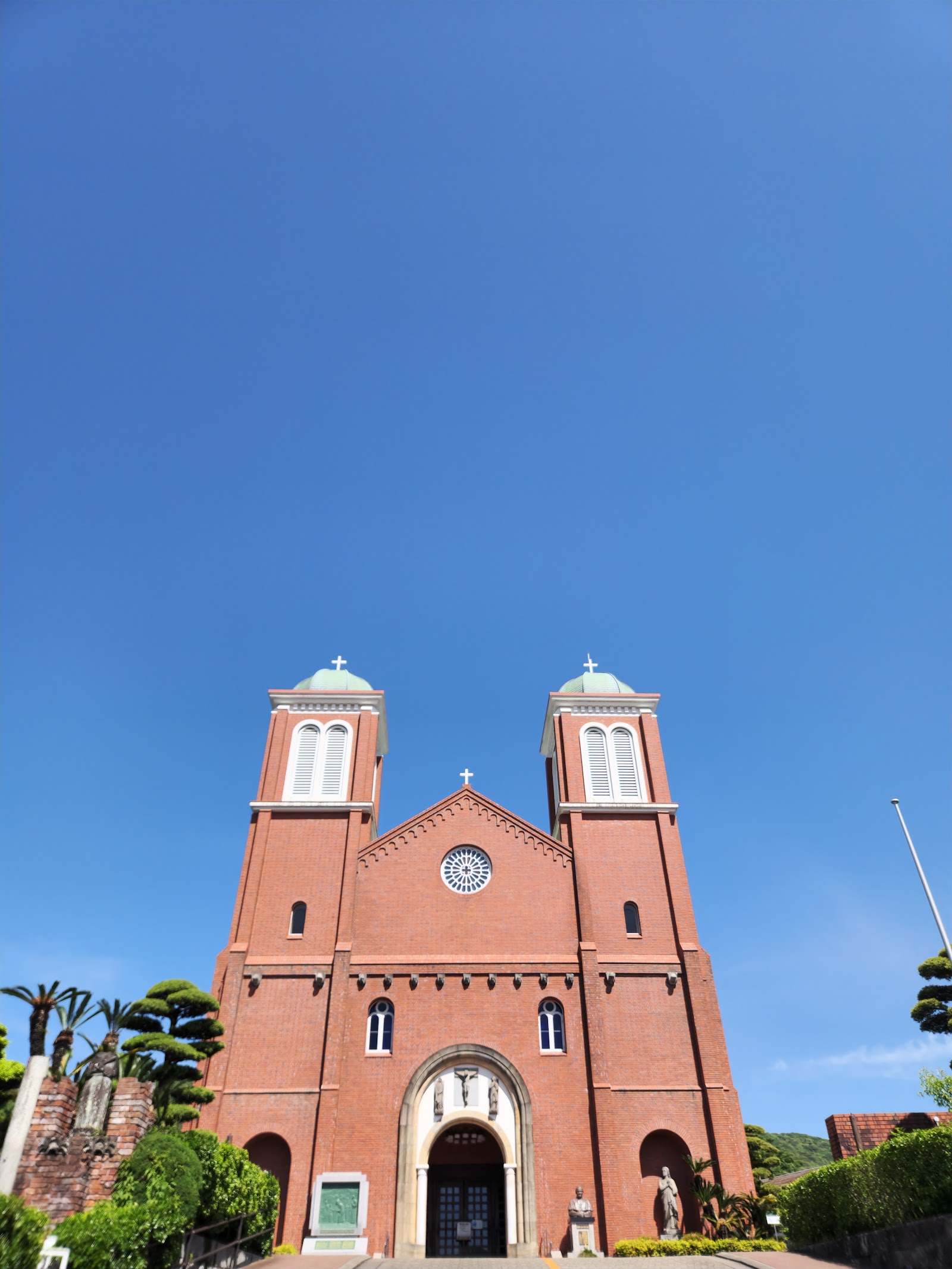
A rebuilt Catholic cathedral near ground zero, symbol of Nagasaki's hidden Christian history and postwar resilience.
Urakami Cathedral (Urakami Tenshudo) stands on a hill in northern Nagasaki, close to the hypocentre of the 1945 atomic bombing, and its story binds together two of the city's defining threads: its extraordinary Christian heritage and its experience of nuclear devastation. Though the present building is a postwar reconstruction, it remains one of Nagasaki's most moving and significant sites, a symbol of faith that survived both centuries of persecution and the atomic bomb.
The cathedral's roots lie in the astonishing history of the Urakami district's "Hidden Christians." After Christianity was banned in the early seventeenth century and its followers brutally suppressed, communities in and around Urakami secretly kept the faith for some two hundred and fifty years, passing it down in hiding without priests or churches. When the ban was finally lifted in the Meiji era, these long-concealed believers emerged, and the Urakami community set about building a great church. Constructed painstakingly over three decades and completed in 1925, the original red-brick Romanesque cathedral was the largest Catholic church in East Asia, a triumphant monument to a faith that had refused to die.
That triumph was shattered on 9 August 1945. The atomic bomb detonated just a few hundred metres away, and the cathedral, then crowded near the season of a major feast, was almost completely destroyed, killing those inside and countless parishioners across the district. The ruined walls and shattered statues became one of the enduring images of the bombing. After the war, amid debate over whether to preserve the ruins as a permanent memorial, the community chose to rebuild, and a new cathedral rose on the site in 1959, later refaced in brick to echo the original.
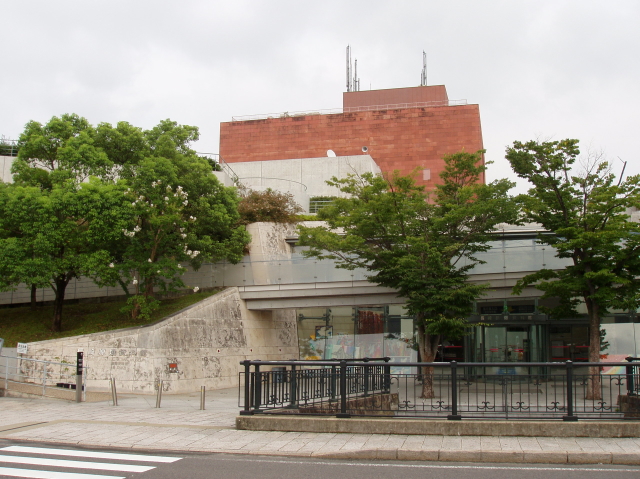
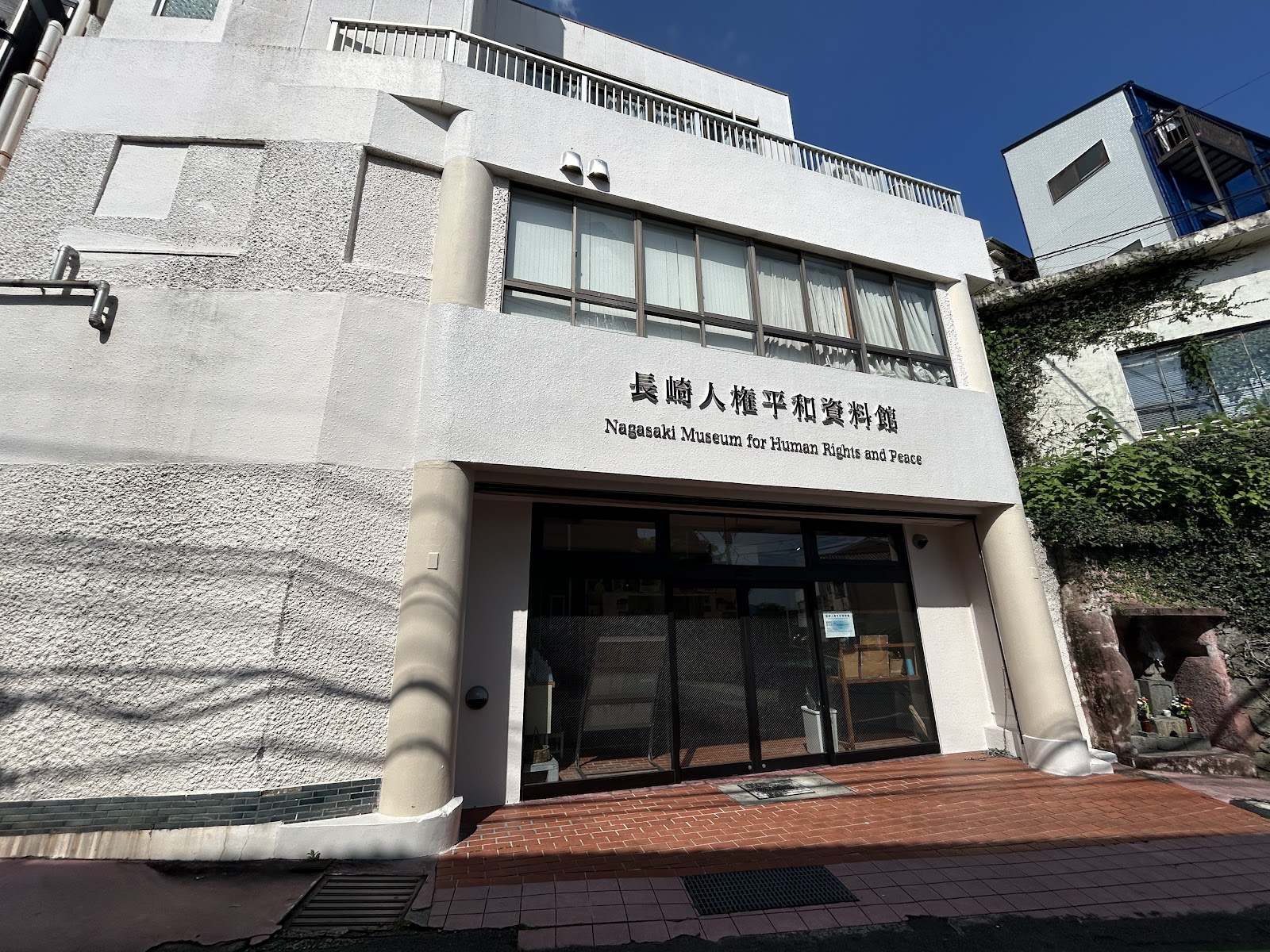
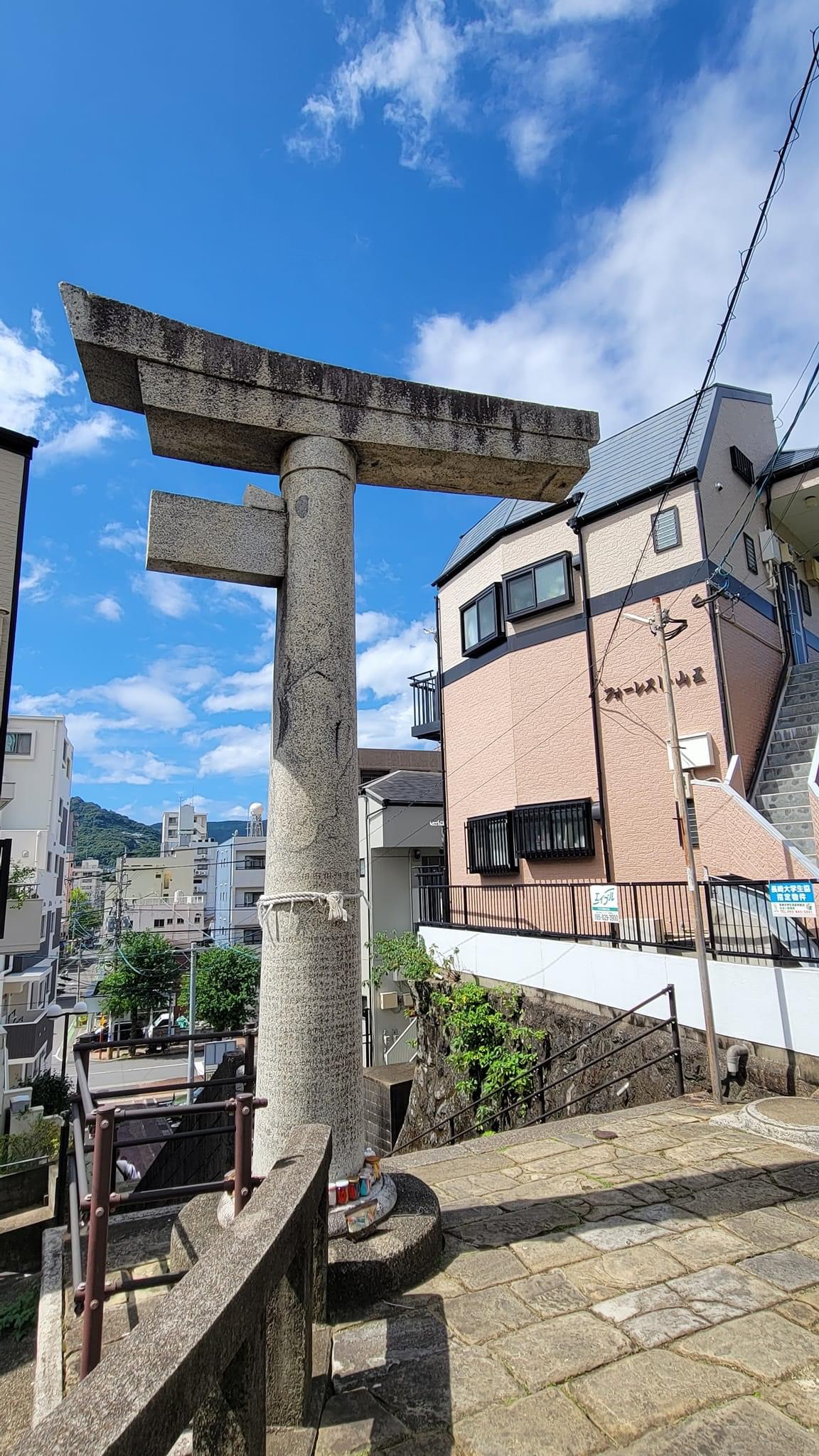
Today the reconstructed cathedral is an active place of worship as well as a site of memory. Around and near it, poignant relics survive: fragments of the original walls, and fire-blackened stone statues of saints, their features seared and scarred by the blast, some displayed in the grounds and others at the nearby Atomic Bomb Museum. A famous bomb-damaged bell and the wooden head of a Madonna statue recovered from the ruins are especially revered. These objects give the site a raw, physical connection to the events of 1945 that photographs cannot convey.
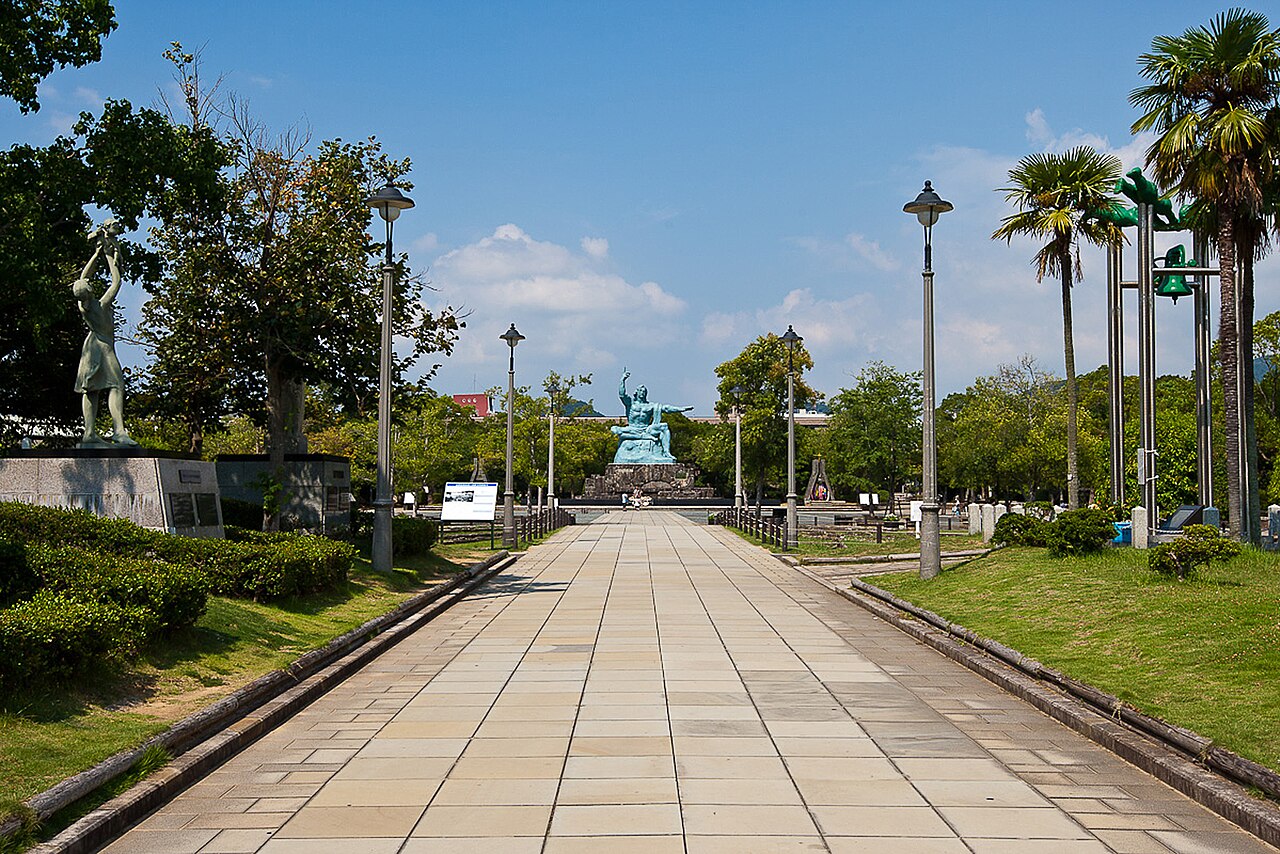
Because it sits so close to the Peace Park, the Atomic Bomb Museum and the hypocentre monument, Urakami Cathedral fits naturally into a visit focused on Nagasaki's atomic history, adding a spiritual dimension to that sobering circuit. Visitors are welcome to enter respectfully when services are not in progress, and the calm interior invites reflection.
Easily reached by tram to the Matsuyama-machi area followed by a short uphill walk, the cathedral asks for around forty-five minutes, more if you linger over the relics. Together, its hidden-Christian past and its atomic-bomb ordeal make Urakami Cathedral a powerful emblem of endurance and rebirth.
A local's tip
Look for the scorched stone statues and fragments of the original cathedral preserved in the grounds and at the nearby museum — physical relics of how close the bomb detonated to this church.
Best time to visit
Any time; pair with the nearby Peace Park
Getting there
Take a Nagasaki tram to Matsuyama-machi, near the Peace Park and Atomic Bomb Museum, then walk about eight minutes uphill to the cathedral.
Good to know
- Parking
- Restrooms
Plan the whole trip offline
Urakami Cathedral is one of many places in the Real Japan app — with turn-by-turn directions, nearby spots and full offline maps you can use with no signal.