A shrine whose surviving half torii and blast-scarred camphor trees stand as haunting memorials to the 1945 atomic bombing.
Sanno Shrine is one of Nagasaki's most moving sites, a modest neighbourhood shrine transformed by history into a powerful memorial to the atomic bombing of 9 August 1945. Standing in the Sakamoto district below Urakami, less than a kilometre from the hypocentre of the blast, the shrine bears wounds that speak more eloquently than any monument, and a visit here connects the visitor directly to the city's darkest day and its extraordinary capacity for endurance.
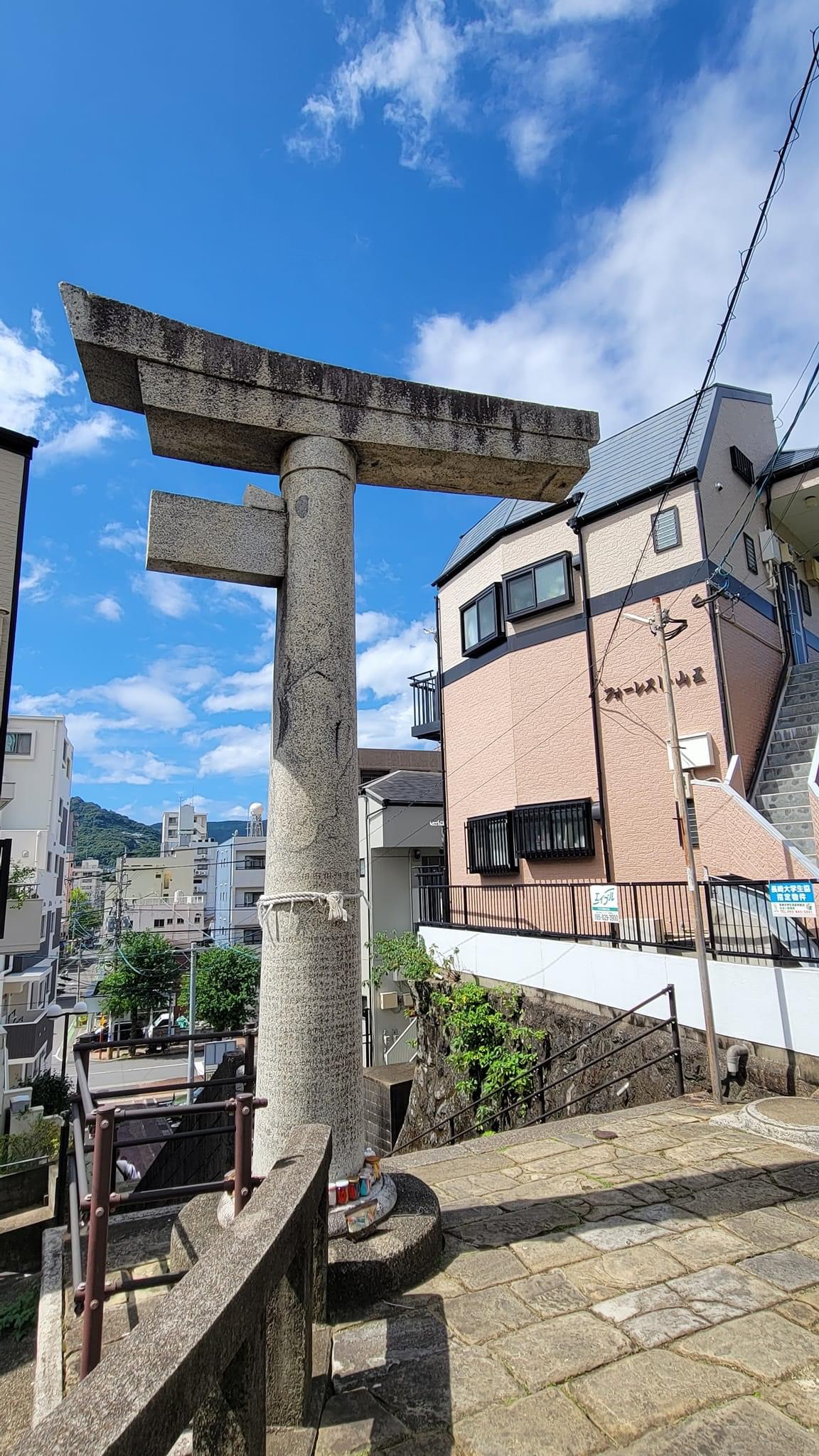
The shrine's most famous feature is its one-legged torii, the ichibashira torii. Before the bomb, a stone torii gate marked the approach; the explosion sheared away one half of it, leaving a single pillar and half the crossbeam still standing at the entrance, improbably upright amid the devastation. The surviving half was left exactly as the blast left it, and today it stands as a stark, unforgettable emblem of the moment the city was destroyed. The fallen portion lies nearby, a silent companion to the standing stone.
Equally affecting are the shrine's two great camphor trees. Estimated to be several centuries old, they were seared and stripped bare by the heat and shockwave, their trunks charred and hollowed. For a time they were believed to be dead. Yet within months they put out fresh green shoots, and in the decades since they have grown into towering, vigorous trees, embraced by the people of Nagasaki as living symbols of hope and renewal. They inspired songs and stories, and standing beneath their broad canopy, scars still visible in the bark, is a quietly overwhelming experience.
Sanno Shrine itself was rebuilt after the war and continues to function as a place of worship for the local community, its everyday rituals carrying on beside the relics of catastrophe. This coexistence of ordinary devotion and extraordinary memory gives the site its particular character: it is neither a formal museum nor a grand monument, but a lived-in sacred place that happens to hold some of the most eloquent physical testimony to the bombing anywhere in the city.
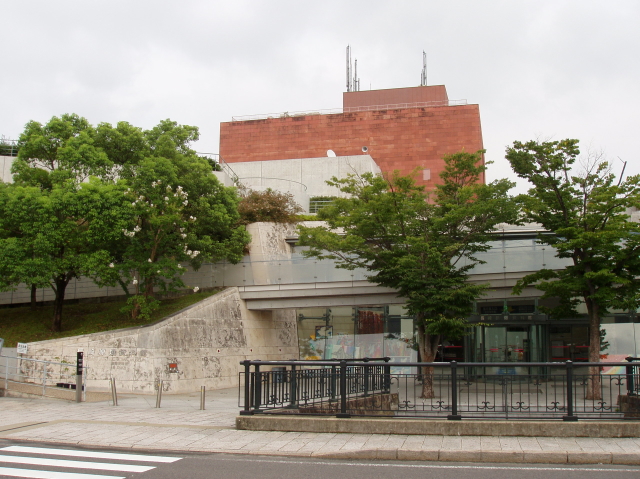
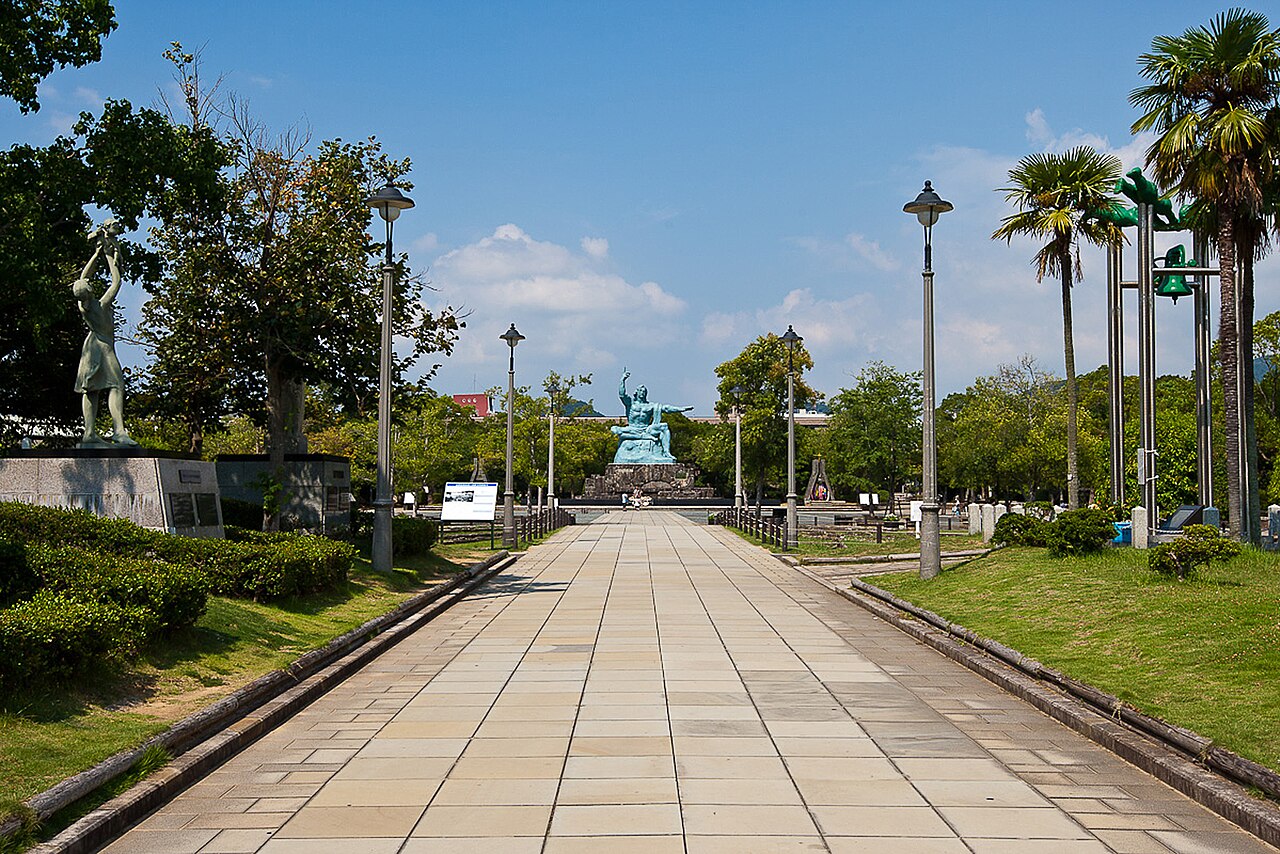
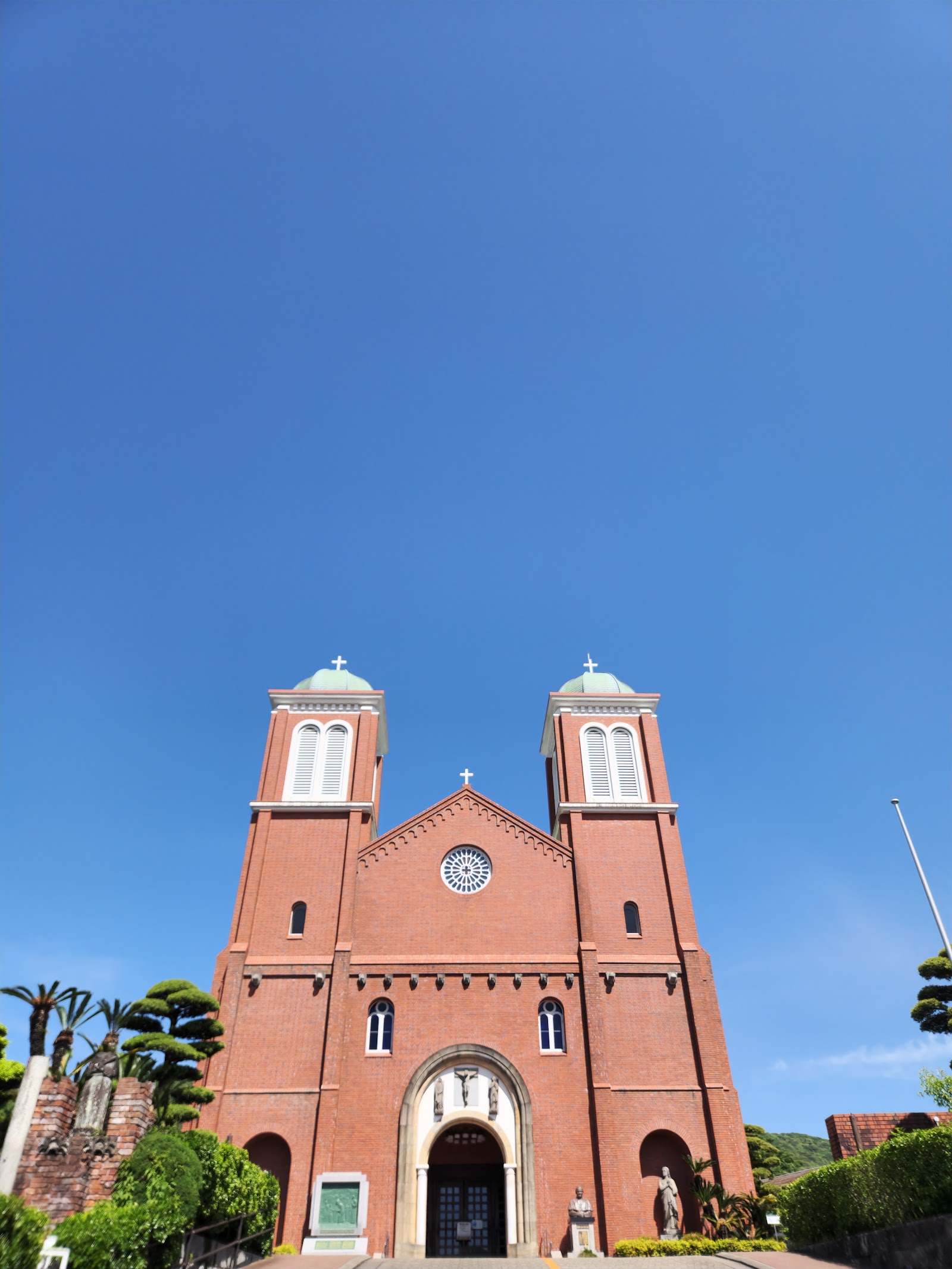
For visitors, the shrine pairs naturally with the other Urakami-area memorials — the Peace Park, the Hypocenter Cenotaph, the Atomic Bomb Museum and Urakami Cathedral are all within walking or short tram distance — allowing a coherent, reflective route through the events of 1945. The grounds are open at all times and free to enter, and information boards explain the significance of the torii and the trees. To reach the shrine, take a tram to the Sakamoto-machi stop and walk about eight minutes uphill toward Sakamoto. Come quietly and unhurried; Sanno Shrine asks not to be photographed and forgotten but to be understood, a small sacred grove where the scars of history and the resilience of nature and faith stand together.
A local's tip
Look for the two enormous camphor trees beside the shrine — scorched by the atomic blast, they were thought dead but sprouted new leaves and are now cherished symbols of survival.
Best time to visit
Daytime; combine with the Peace Park nearby
Getting there
From central Nagasaki take a tram to Sakamoto-machi, then walk about 8 minutes uphill toward Sakamoto. The shrine lies below the Urakami district.
Good to know
- Restrooms
- Information board
Plan the whole trip offline
Sanno Shrine (One-Legged Torii) is one of many places in the Real Japan app — with turn-by-turn directions, nearby spots and full offline maps you can use with no signal.