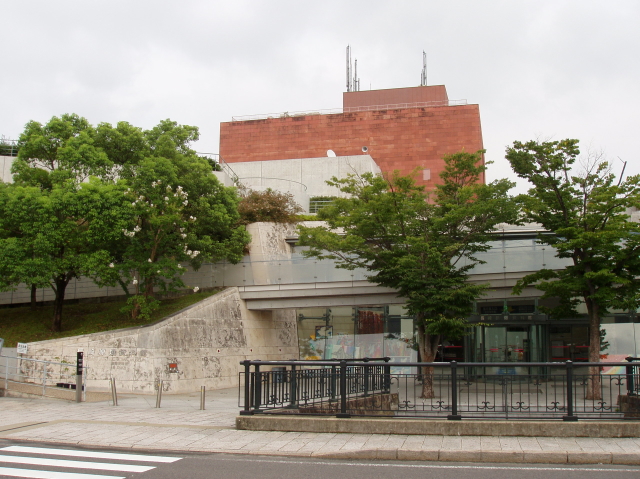
A powerful museum documenting the 1945 atomic bombing of Nagasaki, its victims and the case for nuclear abolition.
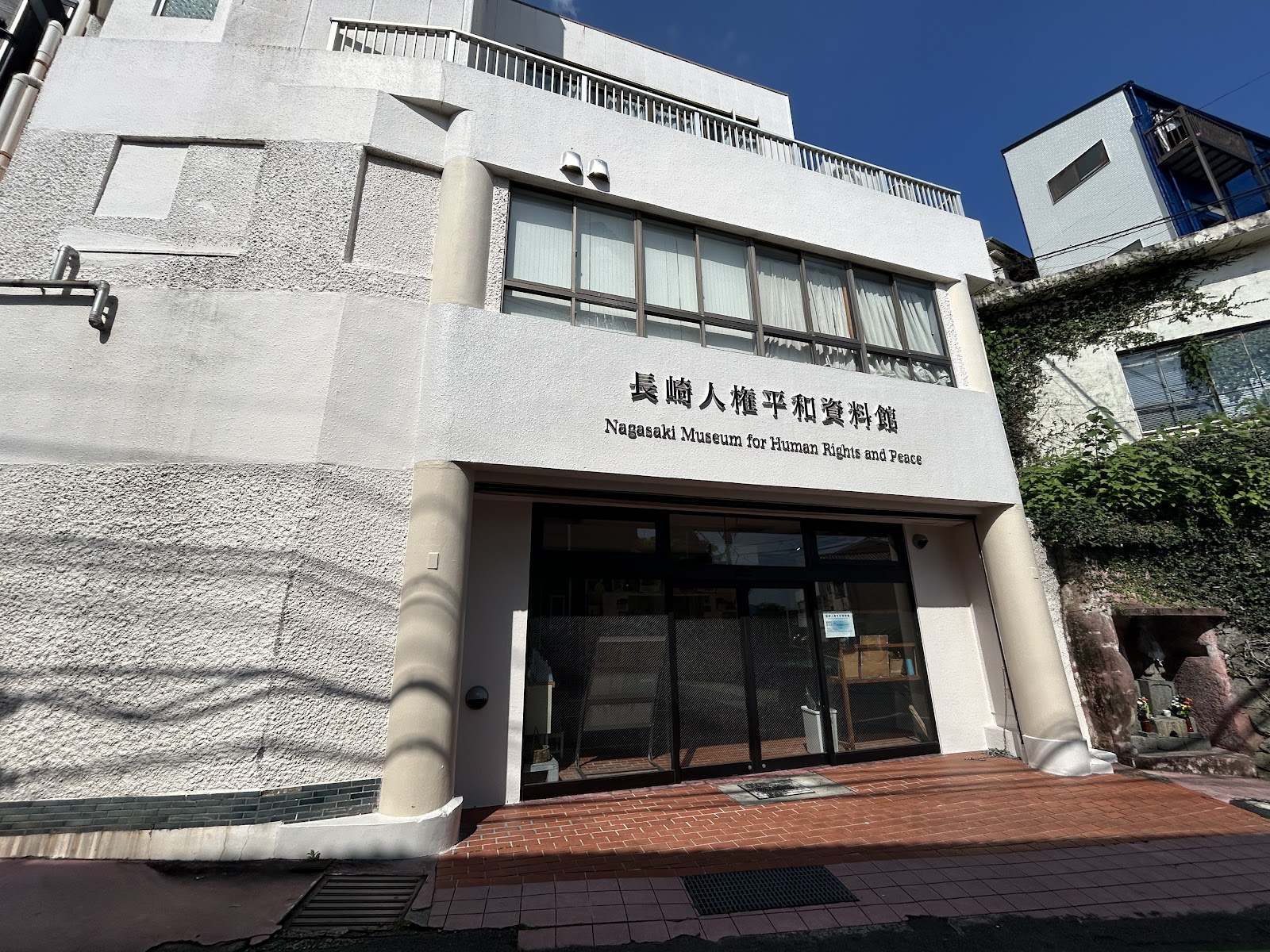
The Nagasaki Atomic Bomb Museum stands beside the Peace Park, a short distance from the point where an atomic bomb detonated over the city on 9 August 1945, and it bears unflinching witness to what happened that day and in the years that followed. Rebuilt and expanded in the mid-1990s, the museum guides visitors through the events, the human suffering and the wider history of nuclear weapons, all in service of a single, urgent message: that such devastation must never be repeated.
The exhibition begins by evoking Nagasaki before the bomb, a bustling port and industrial city with a uniquely international heritage. It then confronts the moment of the explosion and its immediate aftermath through a harrowing collection of artefacts, photographs and testimony. Among the most affecting objects are a wall clock stopped forever at 11:02, the exact time of the blast, melted bottles and roof tiles, scorched clothing, and the twisted remains of everyday life. Charred school lunchboxes, deformed rosaries and the personal belongings of victims make the abstract scale of the tragedy painfully concrete and individual.
Beyond the physical destruction, the museum documents the terrible medical legacy of the bomb: the burns, the radiation sickness and the long shadow of illness that followed survivors, known as hibakusha, for the rest of their lives. Video testimonies allow survivors to tell their own stories, and displays explain the science of nuclear weapons and the geopolitics that led to their use. The final sections broaden into the history of the nuclear arms race and the global movement for disarmament, turning private grief into a universal appeal.
The experience is sombre and emotionally demanding, and many visitors find it deeply moving, even overwhelming. The museum is thoughtfully laid out and fully accessible, with lifts and clear multilingual signage and audio guides, and most people spend around ninety minutes moving through the exhibits. It is suitable for older children and adults, though the content is graphic in places and parents should use judgement with younger ones. A cafe and shop are on site.
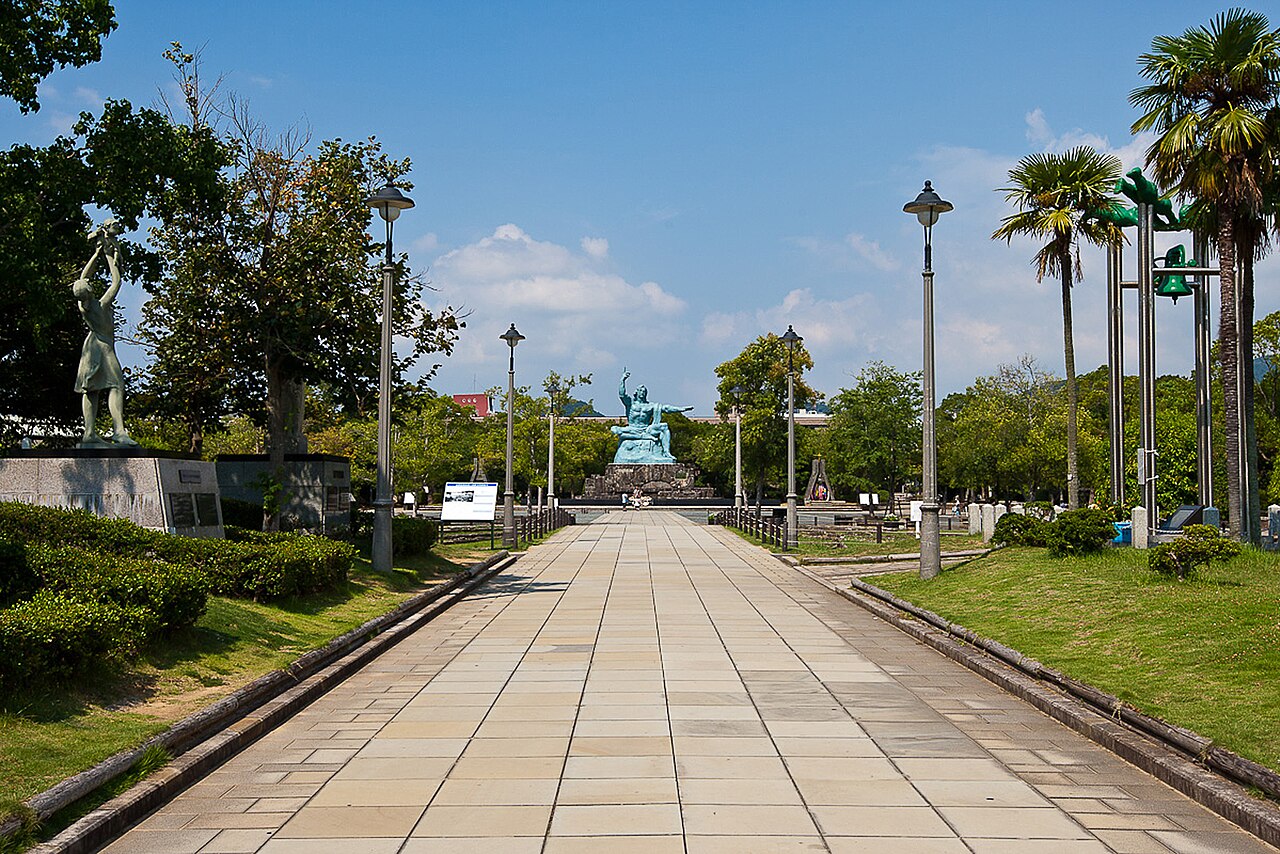
Adjacent to the museum stands the National Peace Memorial Hall for the Atomic Bomb Victims, a separate and freely accessible space designed not for exhibits but for quiet mourning. Its calm hall of light, water and glass, inscribed with the names of the dead, offers a place to sit in silence after the intensity of the museum. Together with the nearby Hypocenter Park and the Peace Park above, these sites form Nagasaki's core memorial district, and most visitors experience them in sequence.
A notable point is the museum's forward-looking purpose. Rather than dwelling solely on victimhood, it channels the memory of the bombing into an active plea that Nagasaki remain the last city ever to suffer a nuclear attack. This message of prevention and hope, voiced by a city that has known the worst, gives the museum a moral clarity that resonates far beyond Japan.
The best time to visit is the morning, leaving time to continue to the Peace Park and Hypocenter afterward. Take tram line 1 or 3 to Hamaguchi-machi and walk about five minutes. A visit is difficult but profoundly worthwhile, a reminder of history's gravest lessons and an experience that few leave unchanged.
A local's tip
Allow time for the adjoining National Peace Memorial Hall next door, a serene, free space of light and water built specifically for quiet mourning rather than exhibits.
Best time to visit
Morning, allowing time to continue to the adjacent Peace Park
Getting there
Take Nagasaki tram line 1 or 3 to Hamaguchi-machi, then walk about five minutes uphill to the museum entrance.
Good to know
- Cafe
- Lockers
- Gift shop
- Restrooms
Plan the whole trip offline
Nagasaki Atomic Bomb Museum is one of many places in the Real Japan app — with turn-by-turn directions, nearby spots and full offline maps you can use with no signal.