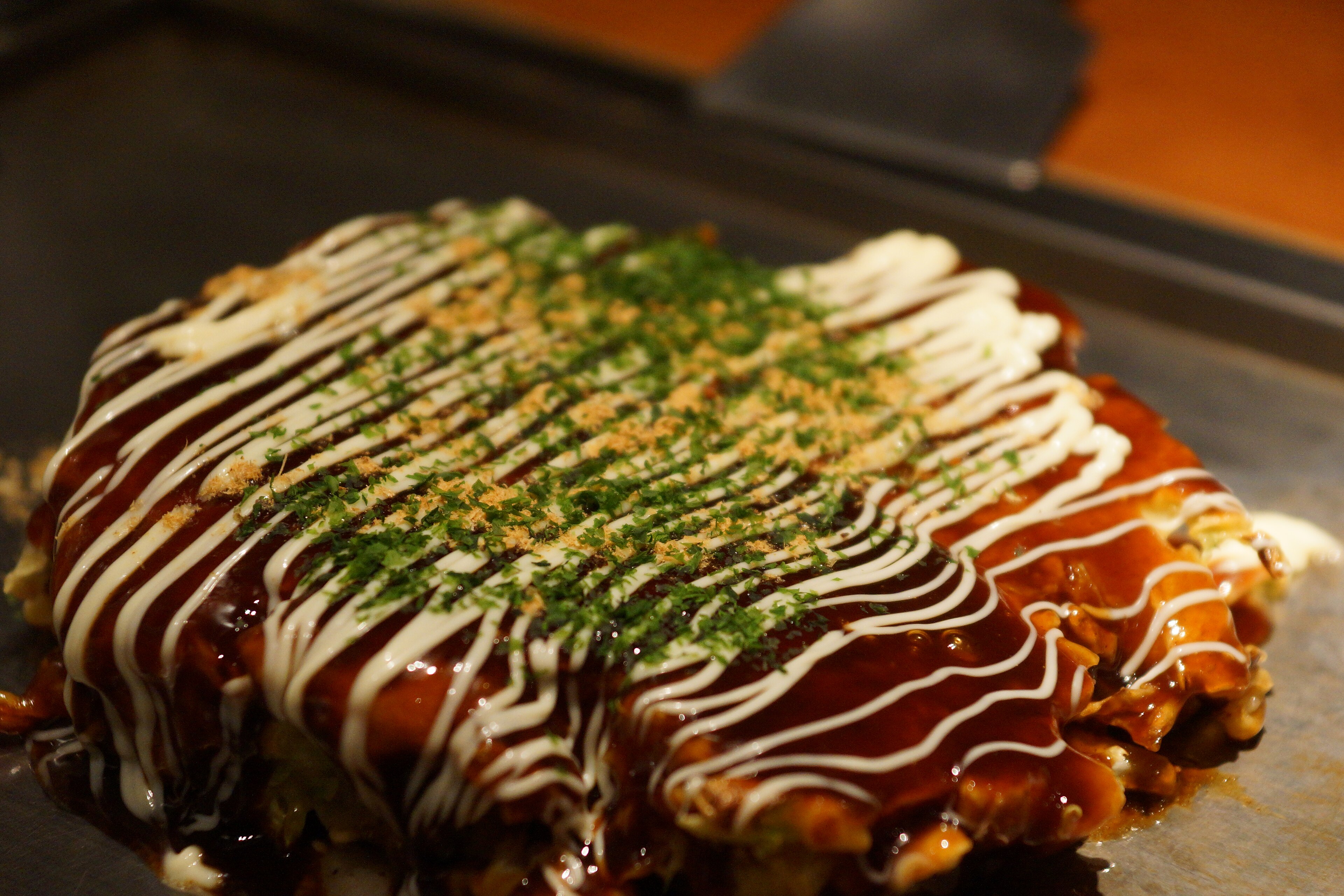
A street of some 70 restaurants on Tsukishima island devoted to monjayaki, Tokyo's gooey, cook-it-yourself griddle dish.
Tsukishima Monja Street, running along the covered Nishinaka-dori shopping arcade on the reclaimed island of Tsukishima in Tokyo's Chuo ward, is the undisputed home of monjayaki, one of the capital's most distinctive and beloved local dishes. Along this single street and its side lanes cluster some 70 restaurants dedicated almost entirely to the dish, making it a compulsory pilgrimage for anyone wanting to eat like a Tokyoite rather than a tourist.
Monjayaki is a close cousin of the better-known Osaka okonomiyaki, but far runnier and, to its devotees, far more fun. A thin, savoury batter loaded with ingredients such as cabbage, seafood, mentaiko cod roe, mochi rice cakes, cheese, corn and more is cooked by the diners themselves on a large iron griddle, or teppan, set into the table. The dish inspires genuine regional rivalry: residents of Tokyo and Osaka happily argue over whether monja or okonomiyaki is superior, and trying it here is the best way to form your own opinion.
The ritual of cooking is a large part of the appeal. You first fry the solid ingredients on the hot griddle, then use them to build a low circular wall, or ring, into which you pour the loose batter to bubble and thicken. Once it has cooked down to a gooey, caramelised consistency, you scrape it up in small portions with a tiny metal spatula called a hera and eat it straight off the griddle, prizing the crispy browned scrapings from the edge, the okoge, most of all. First-timers need not worry: staff at most restaurants are happy to demonstrate, and picture menus make ordering easy.
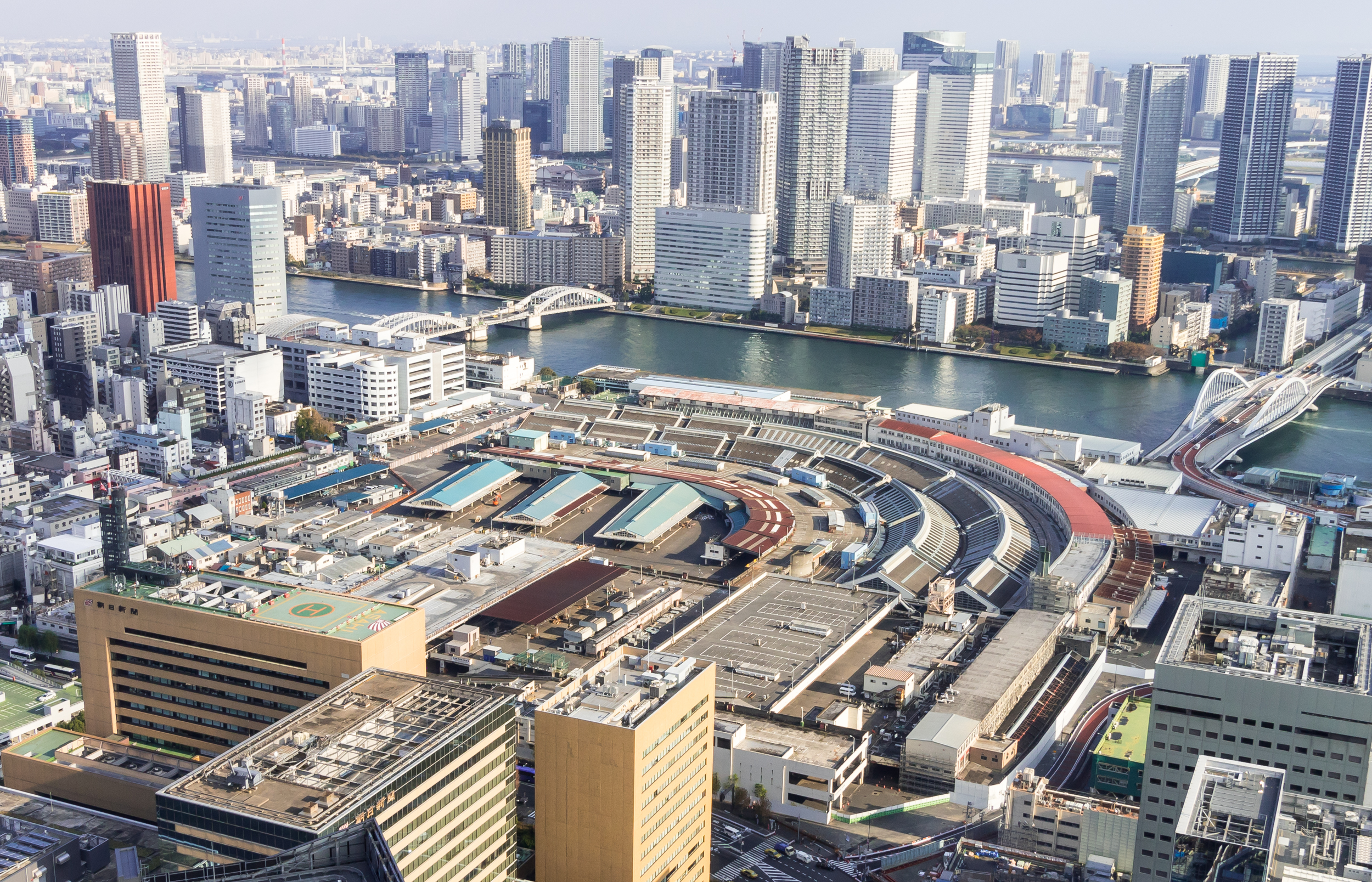
Tsukishima itself adds to the experience. The island was created on reclaimed land in the late 19th century and retains a nostalgic, down-to-earth neighbourhood feel quite unlike the glossy districts across the water, with the covered arcade, old shopfronts and a friendly local atmosphere. Monjayaki took root here in the postwar decades and grew into the concentrated food street you see today, its lanes strung with signs and the warm smell of griddled batter drifting out of every doorway.
Eating monja is inexpensive and sociable, ideal for groups gathered around a shared griddle, with most individual monja costing well under 1500 yen and restaurants offering endless combinations of toppings. Many places also serve okonomiyaki and yakisoba on the same griddle, so a table can mix and match. Portions are modest, so ordering several between a group and cooking them one after another is the local way.
The street is busiest on weekends and holidays, when queues can form at the most famous restaurants, so a weekday lunch or early evening visit is more relaxed. It is a short walk from Tsukishima Station on the Toei Oedo and Tokyo Metro Yurakucho lines, only a stop or two from Ginza, and pairs well with a stroll around the atmospheric old island or across to the nearby Tsukiji Outer Market. Come hungry, embrace the hands-on cooking, and enjoy a genuinely local Tokyo food tradition that most visitors never discover.
A local's tip
If it is your first time, order a classic mentaiko-mochi (spicy cod roe and rice cake) monja and let the staff show you how to build the retaining ring and cook it on the griddle; the crispy scrapings from the edge, called okoge, are the best part.
Best time to visit
Lunch or early evening; weekdays are quieter than weekends
Getting there
A two-minute walk from Tsukishima Station on the Toei Oedo and Tokyo Metro Yurakucho lines; take exit 7 and the covered shopping street of Nishinaka-dori is directly ahead. From Ginza it is a short one or two-stop subway ride.
Good to know
- Wi-Fi
- Restrooms
Plan the whole trip offline
Tsukishima Monja Street is one of many places in the Real Japan app — with turn-by-turn directions, nearby spots and full offline maps you can use with no signal.