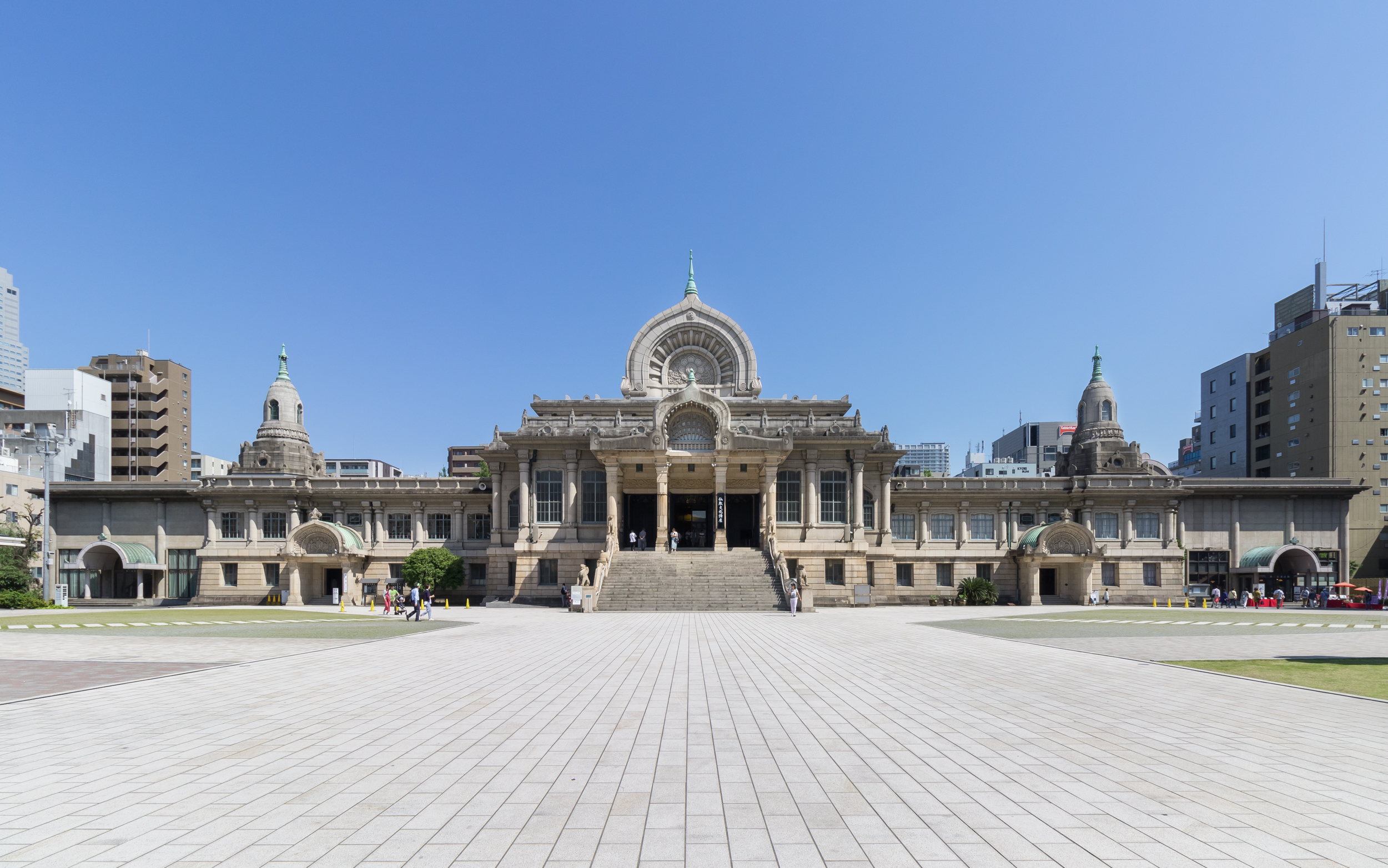
A astonishing Indian-inspired Buddhist temple of stone domes and stained glass beside Tsukiji market.
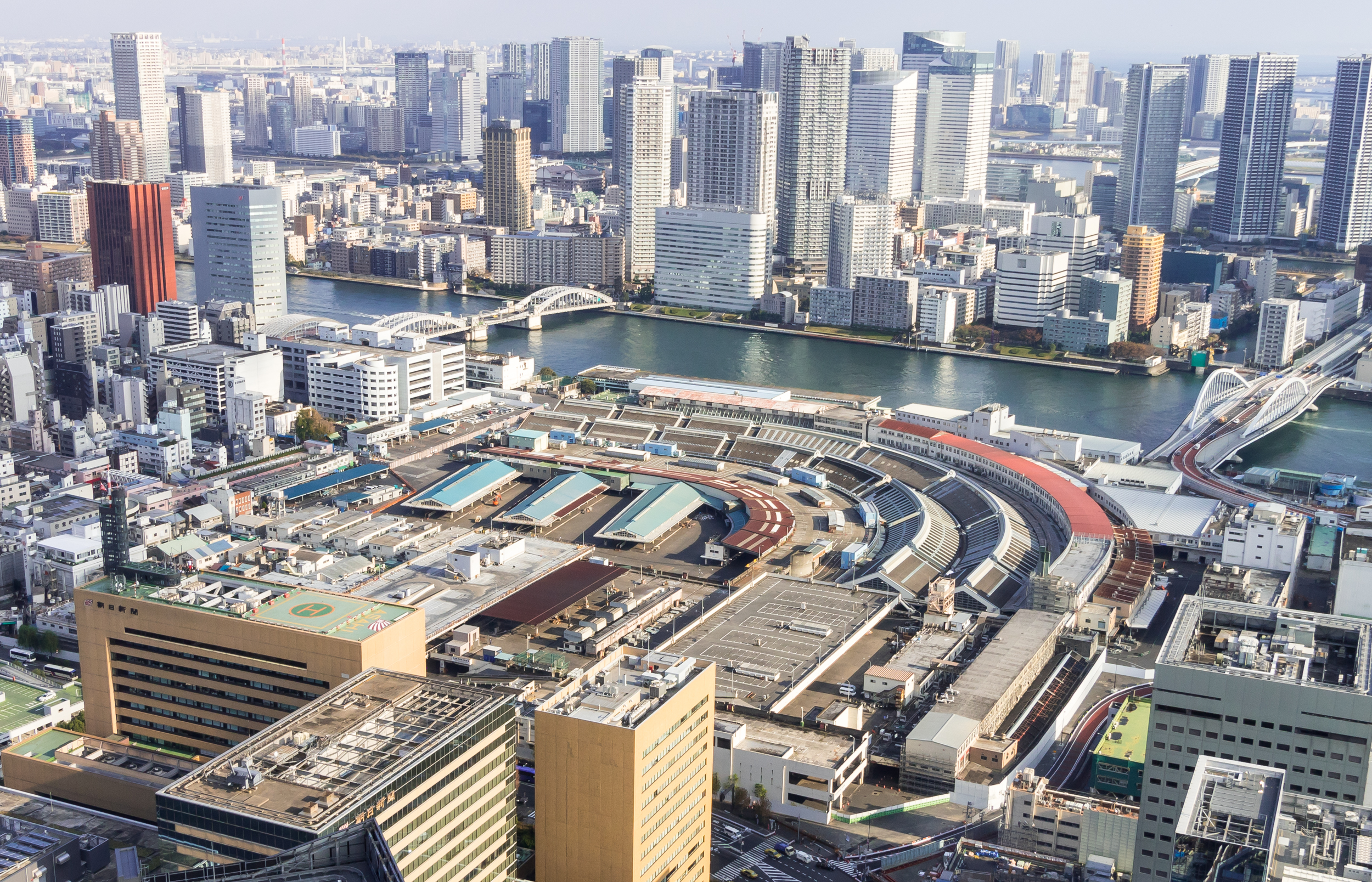
Few buildings surprise first-time visitors as much as Tsukiji Hongan-ji. Expecting the timber-and-tile silhouette of a typical Japanese temple, they instead find a monumental hall of pale stone, crowned with domes and carved with lotus flowers, elephants, lions and mythical beasts — a Buddhist temple that looks as though it belongs on the ancient trade routes of South Asia. It is one of Tokyo's most striking and unexpected pieces of architecture, and it sits just a minute's walk from the food stalls of the Tsukiji Outer Market.
The temple belongs to the Jōdo Shinshū Hongan-ji sect and traces its founding to 1617, when it stood elsewhere in the city. Destroyed in the great Meireki fire of 1657, it was rebuilt on newly reclaimed land — the "Tsukiji," or built-up ground, that gives the district its name. That hall, in turn, was lost in the fires following the 1923 Great Kantō Earthquake. For the reconstruction the temple turned to the pioneering architect Itō Chūta, a scholar of Asian architecture who believed Japanese Buddhism should reconnect with its Indian roots. Completed in 1934 in stone and concrete, his design draws on ancient Indian and broader Asian Buddhist forms, and the result — now an Important Cultural Property — is unlike anything else in Japan.
The surprises continue inside. Beyond the great doors, the main hall opens into a vast, hushed space centred on a gilded altar enshrining Amida Buddha, lit by stained-glass windows and — most unexpectedly of all — presided over by a large German-built pipe organ, installed so that Buddhist services and public concerts alike can fill the hall with music. Free lunchtime organ recitals are held monthly, an experience found in no other Tokyo temple. Look up to catch the blend of lotus motifs, Art Deco detailing and animal carvings that reward a slow circuit.
Modern Tsukiji Hongan-ji leans warmly into hospitality. A stylish café and bookshop occupy an annexe, and the café's celebrated "18-item breakfast" — a tray of small dishes said to reflect the 48 vows of Amida Buddha, pared to eighteen — has become a minor local sensation, drawing queues of Tokyoites who come as much to eat as to pray. It makes the temple an easy, comfortable stop for travellers of any faith or none.
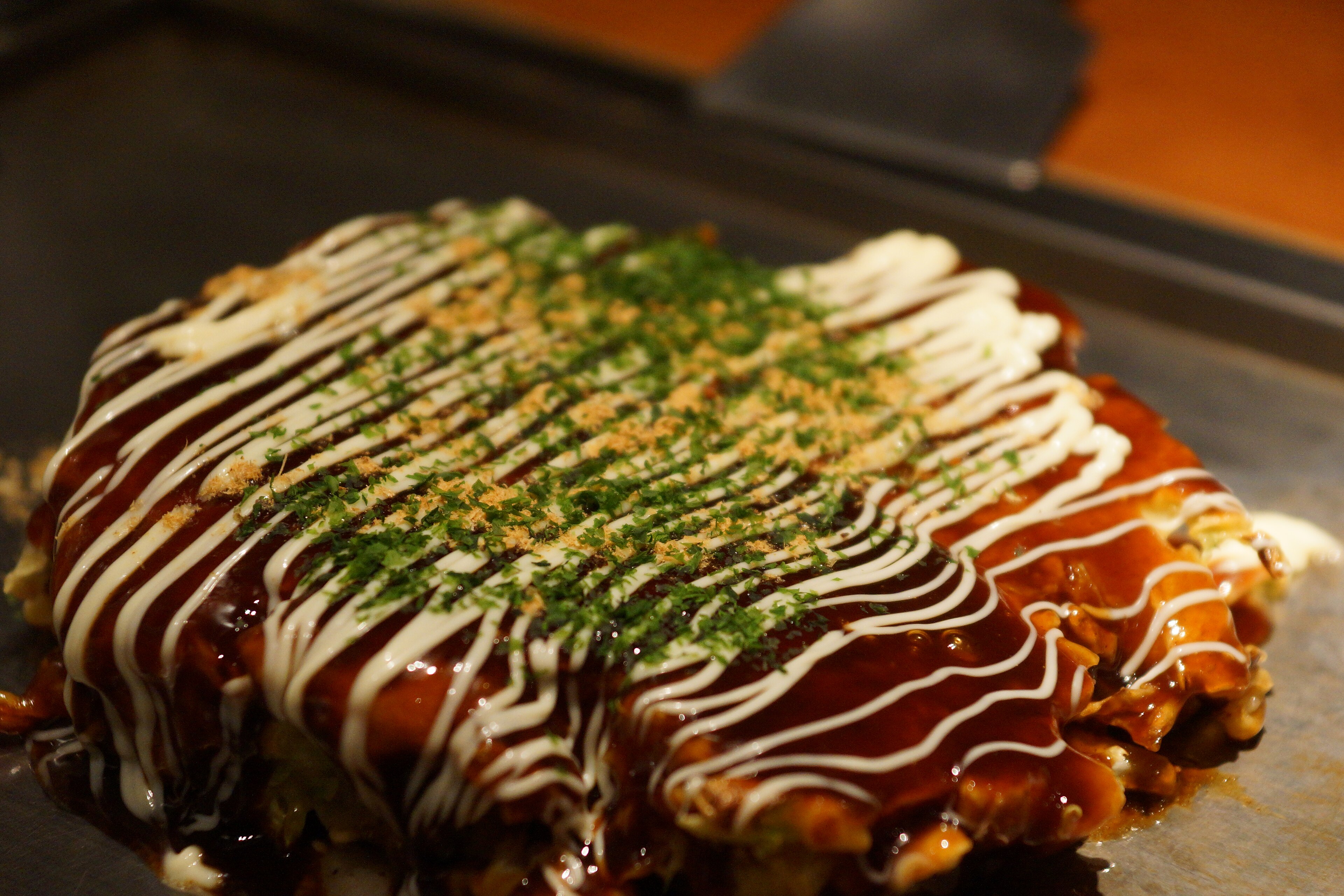
The visiting experience is calm, free and refreshingly accessible: the hall is entered at ground level with ramps, the interior is spacious and open to all, and photography is generally permitted. Because the outer market next door is busiest in the morning, the ideal plan is an early sushi or tamagoyaki breakfast among the stalls followed by the quiet grandeur of the temple.
Getting there could hardly be simpler — Tsukiji Station on the Hibiya Line is one minute away, and Tsukijishijō on the Ōedo Line is close by. For anyone curious about how Japanese Buddhism reimagined itself in the modern age, Tsukiji Hongan-ji is essential and unforgettable.
A local's tip
Have breakfast at the Tsukiji Outer Market next door, then step into the temple cafe for the '18-item breakfast' set — a hidden local favourite inside a South Asian-styled Buddhist hall.
Best time to visit
Morning, paired with the Tsukiji Outer Market
Getting there
One minute from Tsukiji Station (exit 1) on the Hibiya Line, or a short walk from Tsukijishijo Station on the Oedo Line.
Good to know
- Cafe
- Bookshop
- Restrooms
- Organ concerts
Plan the whole trip offline
Tsukiji Hongan-ji is one of many places in the Real Japan app — with turn-by-turn directions, nearby spots and full offline maps you can use with no signal.