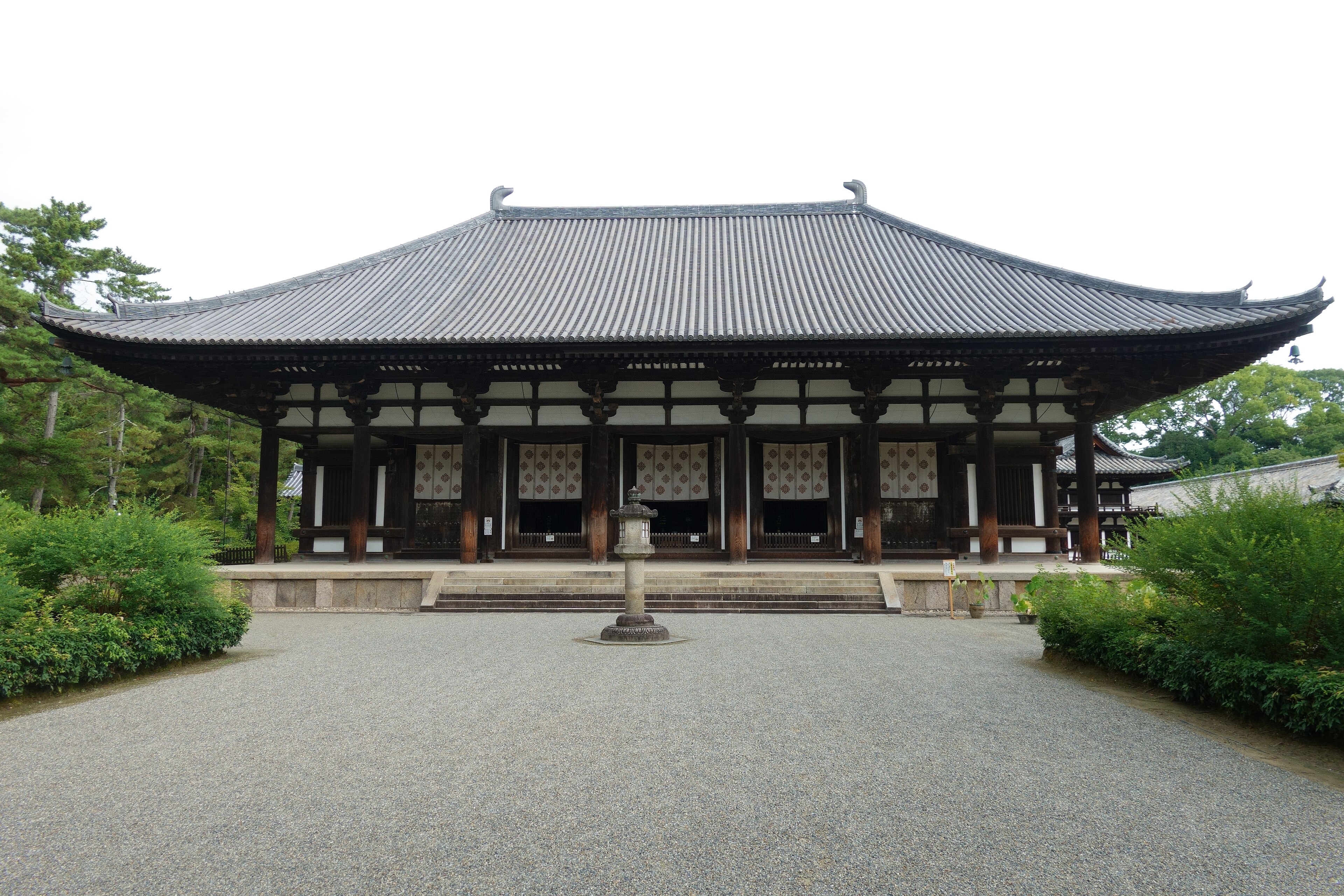
The serene temple founded by the blind Chinese monk Ganjin, whose Golden Hall is the archetype of classical Japanese design.
Toshodai-ji is a temple of profound calm in the Nishinokyo district, and behind its serenity lies one of the great human stories of early Japan. It was founded in 759 by Ganjin (Jianzhen in Chinese), a revered Tang-dynasty monk from China who was invited to Japan to establish a proper system of Buddhist ordination. Ganjin's journey was heroic: he attempted the sea crossing five times over more than a decade, suffering shipwreck and losing his eyesight along the way, and only on the sixth attempt did he finally reach Japan. When the court granted him land in Nara, he built Toshodai-ji as the headquarters of the Risshu (Vinaya) sect, devoted to monastic discipline.
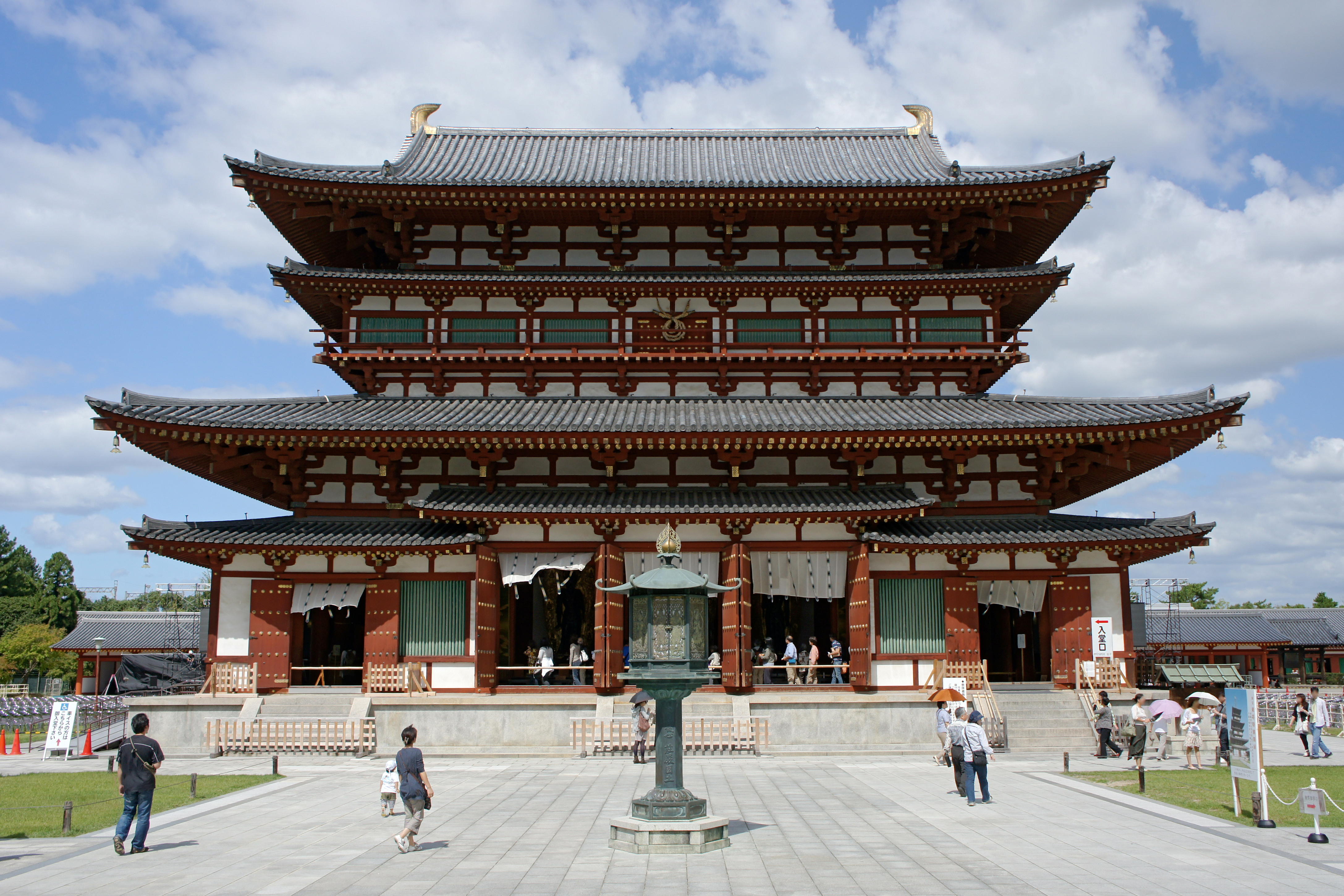
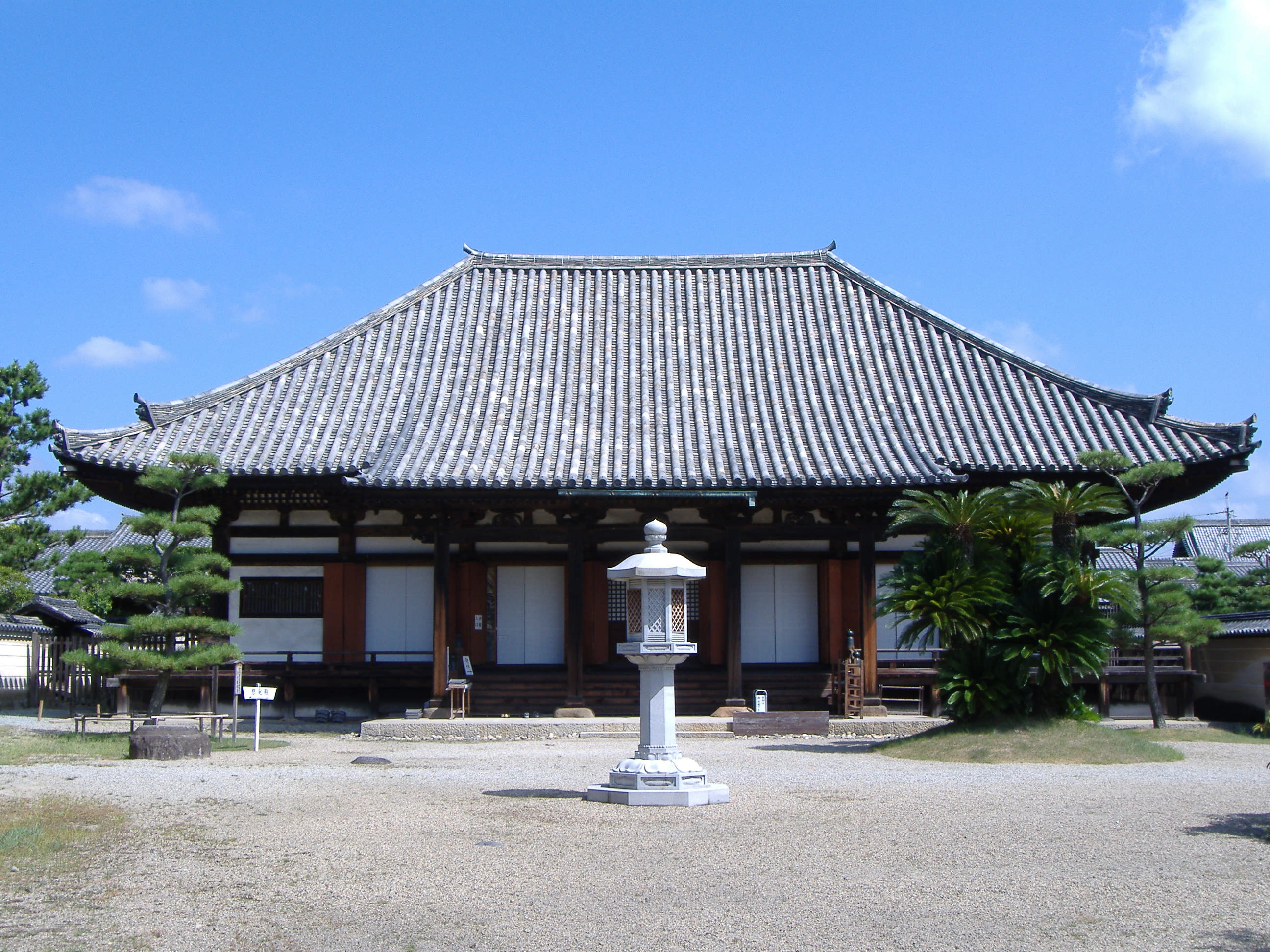
The temple's crowning glory is its Kondo, or Golden Hall, a National Treasure and one of the most admired buildings in all of Japan. Its single-story hipped roof spreads over a facade seven bays wide, fronted by eight massive fluted columns that give it a Parthenon-like poise. Architectural historians regard it as the definitive example of the classical style, the standard against which later temple halls are measured, and simply standing at the end of its approach path, taking in the deep eaves and unhurried proportions, is the essence of a visit here. Inside sit three colossal dry-lacquer statues from the eighth century, including a thousand-armed Kannon, their scale and antiquity genuinely awe-inspiring.
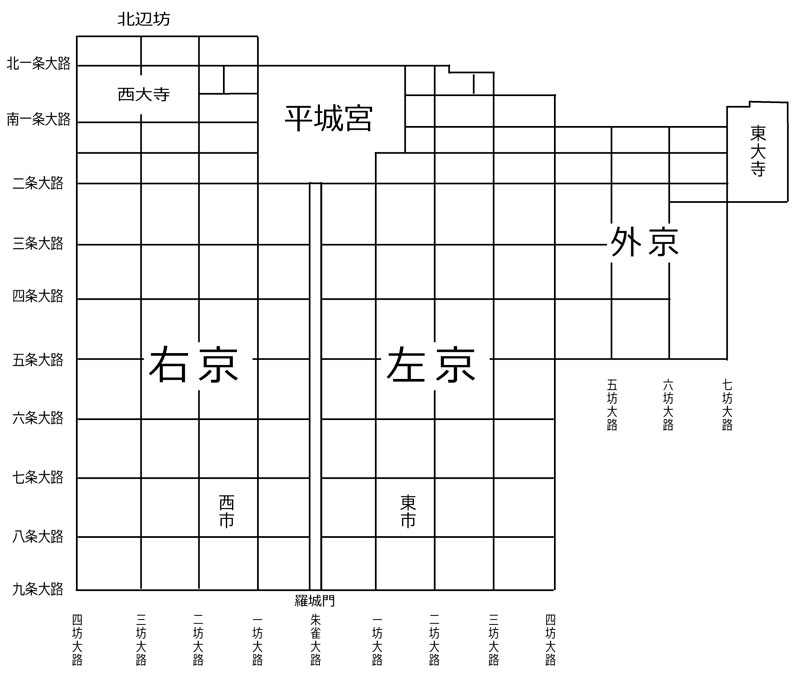
Beyond the Golden Hall, the Lecture Hall (Kodo) is itself a rare survivor, having been moved here from the Nara imperial palace, making it the only building that still shows what the vanished palace architecture of Heijo-kyo looked like. Deeper in the tranquil, tree-shaded grounds lies the moss-covered grave of Ganjin himself, a quiet place of pilgrimage. In the Miei-do hall, a famous seated portrait statue of the blind master, Japan's oldest surviving portrait sculpture, is displayed to the public only a few days each June, when lotus flowers, said to have descended from plants Ganjin brought from China, bloom around the precinct.
Toshodai-ji is inscribed as part of the Historic Monuments of Ancient Nara UNESCO World Heritage Site. It is markedly quieter than the temples of Nara Park, and its gravel courtyards, ancient pines and understated halls reward slow, unhurried walking. There is a meditative quality here that many visitors find they prefer to the busier headline sights.
The temple pairs perfectly with Yakushi-ji, its great neighbour just ten minutes' walk to the south, and the two are almost always seen together on a half-day loop through Nishinokyo. To reach it, take the Kintetsu Kashihara Line to Nishinokyo Station and walk about eight minutes north. As with Yakushi-ji, this is a Kintetsu rather than a JR line, so the trip is not covered by the Japan Rail Pass, but IC cards work smoothly and the fare from central Nara is small.
A local's tip
The Golden Hall's eight fluted front columns and the deep, calm proportions of its single-story roof are considered the archetype of classical Japanese temple design - stand back at the far end of the approach to feel the composure the architect intended.
Best time to visit
Morning; early June for the blooming lotus around the grounds
Getting there
An 8-minute walk north from Nishinokyo Station on the Kintetsu Kashihara Line, and about 10 minutes on foot from Yakushi-ji, so the two temples are almost always visited together.
Good to know
- Wi-Fi
- Restrooms
- Wheelchair access
Plan the whole trip offline
Toshodai-ji is one of many places in the Real Japan app — with turn-by-turn directions, nearby spots and full offline maps you can use with no signal.