The graceful former head convent of Japan's national nunneries, home to a National Treasure Kannon and a serene garden.
Hokke-ji is a temple of unusual grace and gentleness, set in a quiet neighbourhood northwest of central Nara near the vast archaeological site of the former Heijo Palace. It was founded in 745 by Empress Komyo, one of the most influential women of the Nara period, who converted her family mansion into a temple. Hokke-ji became the head of the kokubunniji, the national network of provincial convents that Empress Komyo and her husband Emperor Shomu established alongside the monasteries, making it in effect the leading nunnery of the entire country. It remains the head temple of the small Komyo sect, named in the empress's honour, and has kept its identity as a convent through the centuries.
The temple's greatest treasure is its principal image, a standing statue of the Juichimen Kannon, the Eleven-Headed Kannon of Compassion. Carved in the Heian period from a single block of wood, it is a designated National Treasure and, by tradition, is said to have been modelled on the beautiful features of Empress Komyo herself. The statue is a hidden image (hibutsu), revealed to visitors only during limited special viewing periods in spring and autumn, so travellers hoping to see it should check the temple's calendar before making the journey; catching it on display is a genuine highlight.
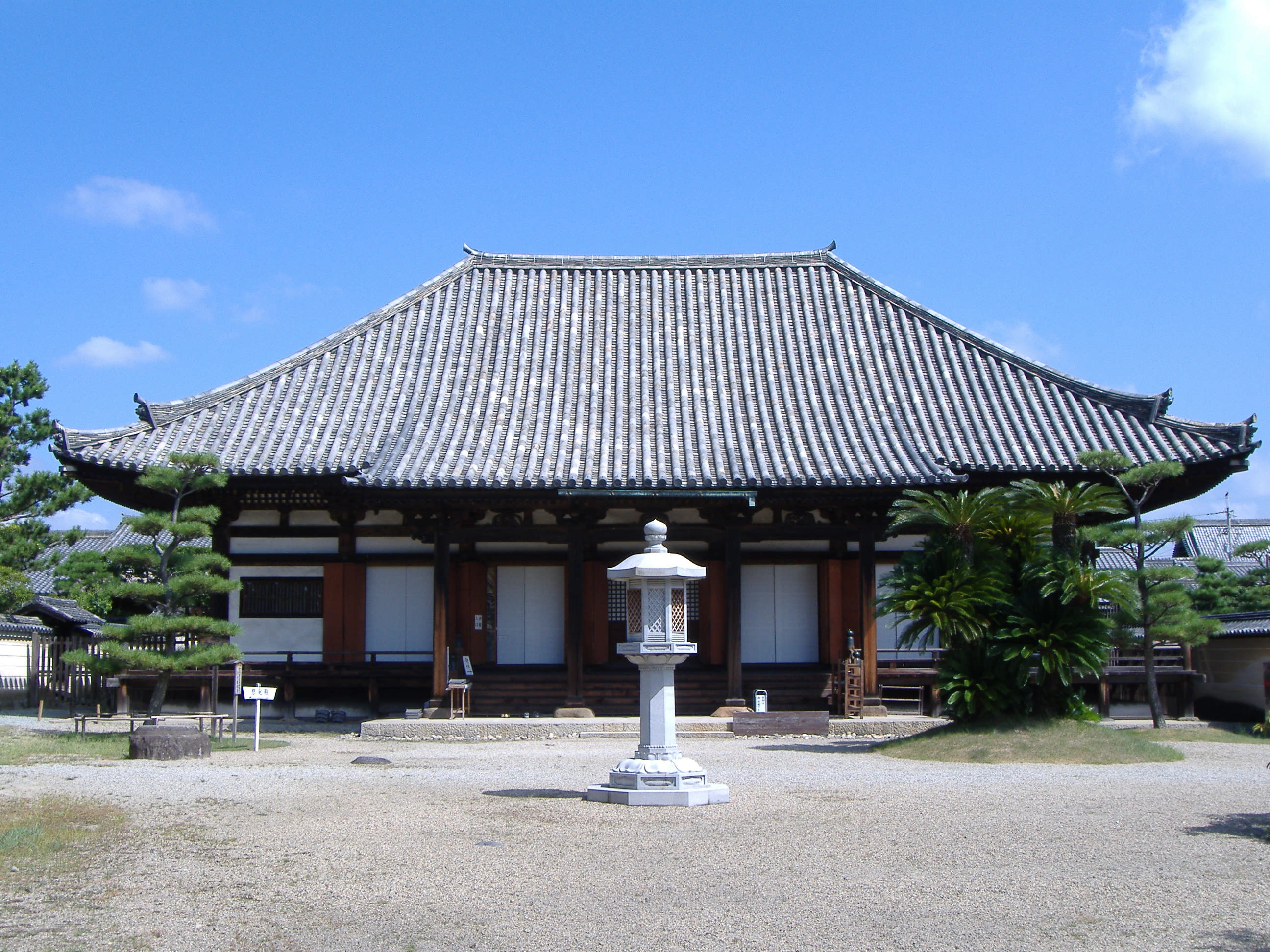
Even when the Kannon is closed to view, Hokke-ji rewards a visit. The compact grounds are beautifully kept, and the temple is celebrated for its karesansui and pond gardens, designated a National Place of Scenic Beauty, which shift with the seasons from cherry blossom and irises to autumn colour. There is a soft, feminine, contemplative atmosphere here, a legacy of nearly thirteen centuries as a community of nuns, that sets it apart from the grander monasteries. The Hon-do (main hall) is itself an Important Cultural Property, a dignified building of quiet proportion.
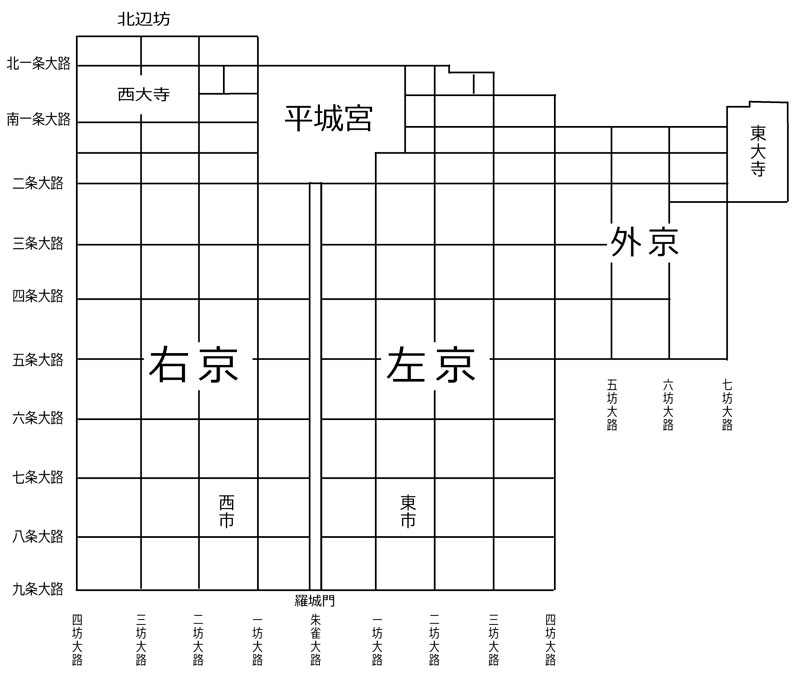
Because it sits off the main tourist trail, Hokke-ji sees relatively few foreign visitors, and you can often explore its garden and halls in near silence. The compound is small enough to enjoy fully in about 40 minutes, which makes it easy to combine with the neighbouring Heijo Palace Site, the enormous open field where Nara's imperial palace once stood and where the great Suzaku Gate and Daigokuden hall have been reconstructed. Together they make an absorbing half-day exploring the quieter, western side of the ancient capital.
To reach Hokke-ji, walk about 20 minutes from Shin-Omiya Station on the Kintetsu Nara Line, or take a bus from one of the central Nara stations to the Hokkeji stop nearby. It lies on a Kintetsu line and near local bus routes rather than a JR line, so the trip is not covered by the Japan Rail Pass, but fares are minor and IC cards are accepted throughout. For those drawn to Nara's history of remarkable women and to the calm of a working convent, Hokke-ji is a memorable and gentle discovery.
A local's tip
The temple's Eleven-Headed Kannon is a National Treasure shown only during limited spring and autumn openings - check the viewing calendar before you go, but even outside those dates the tranquil garden and the convent's gentle atmosphere reward the trip.
Best time to visit
Spring and early June, when the temple's garden and rare statue viewings align
Getting there
About a 20-minute walk from Shin-Omiya Station on the Kintetsu Nara Line, near the former Heijo Palace site northwest of central Nara. Buses from Nara stations also stop nearby at Hokkeji.
Good to know
- Restrooms
- Wheelchair access
Plan the whole trip offline
Hokke-ji is one of many places in the Real Japan app — with turn-by-turn directions, nearby spots and full offline maps you can use with no signal.