Acclaimed museum of the Ise-Shima fishing and ama diving culture, in award-winning timber halls near Toba.
The Toba Sea-Folk Museum, known in Japanese as the Umi no Hakubutsukan, is a quietly remarkable place that celebrates the maritime culture of the Ise-Shima coast — the fishers, the boat-builders and above all the ama, the women free-divers whose two-thousand-year tradition survives here more strongly than anywhere else in Japan. Tucked away in the village of Uramura on the scenic Pearl Road southeast of central Toba, it houses a vast ethnographic collection of more than 60,000 objects, over 6,000 of which are designated Important Tangible Folk Cultural Properties — one of the finest such holdings in the country.
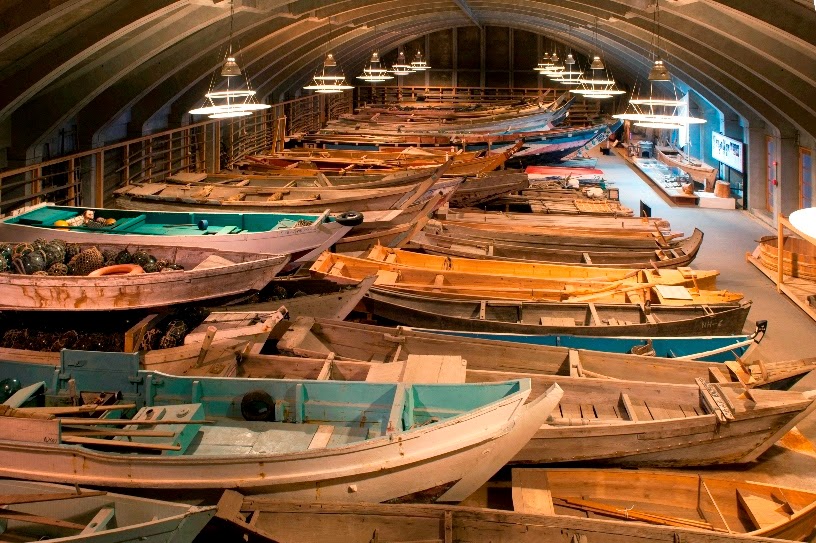
The exhibits document a way of life shaped entirely by the sea. There are traditional wooden fishing boats displayed in full, some large enough to walk around, along with nets, tackle, tools, festival objects and the equipment of the ama. The ama displays are the emotional core: photographs, garments and gear illustrate how these women have dived without breathing apparatus for shellfish, abalone and seaweed since ancient times, holding their breath for a minute or more and surfacing with the distinctive whistling isobue breath. The museum treats them not as a curiosity but as bearers of living heritage, and the honesty and depth of the presentation is deeply affecting.
Just as celebrated as the collection is the building that holds it. Designed by the acclaimed architect Hiroshi Naito and completed in the early 1990s, the museum's exhibition halls are widely regarded as masterpieces of modern Japanese wooden architecture, and have won major national architecture prizes. Long, low timber structures with soaring internal roofs of exposed cypress beams create a space that feels like a cathedral to the sea, built to withstand the salt air and to age gracefully with it. Architecture students and enthusiasts travel here specifically to experience the interiors, and the way natural light falls across the great wooden trusses is unforgettable.
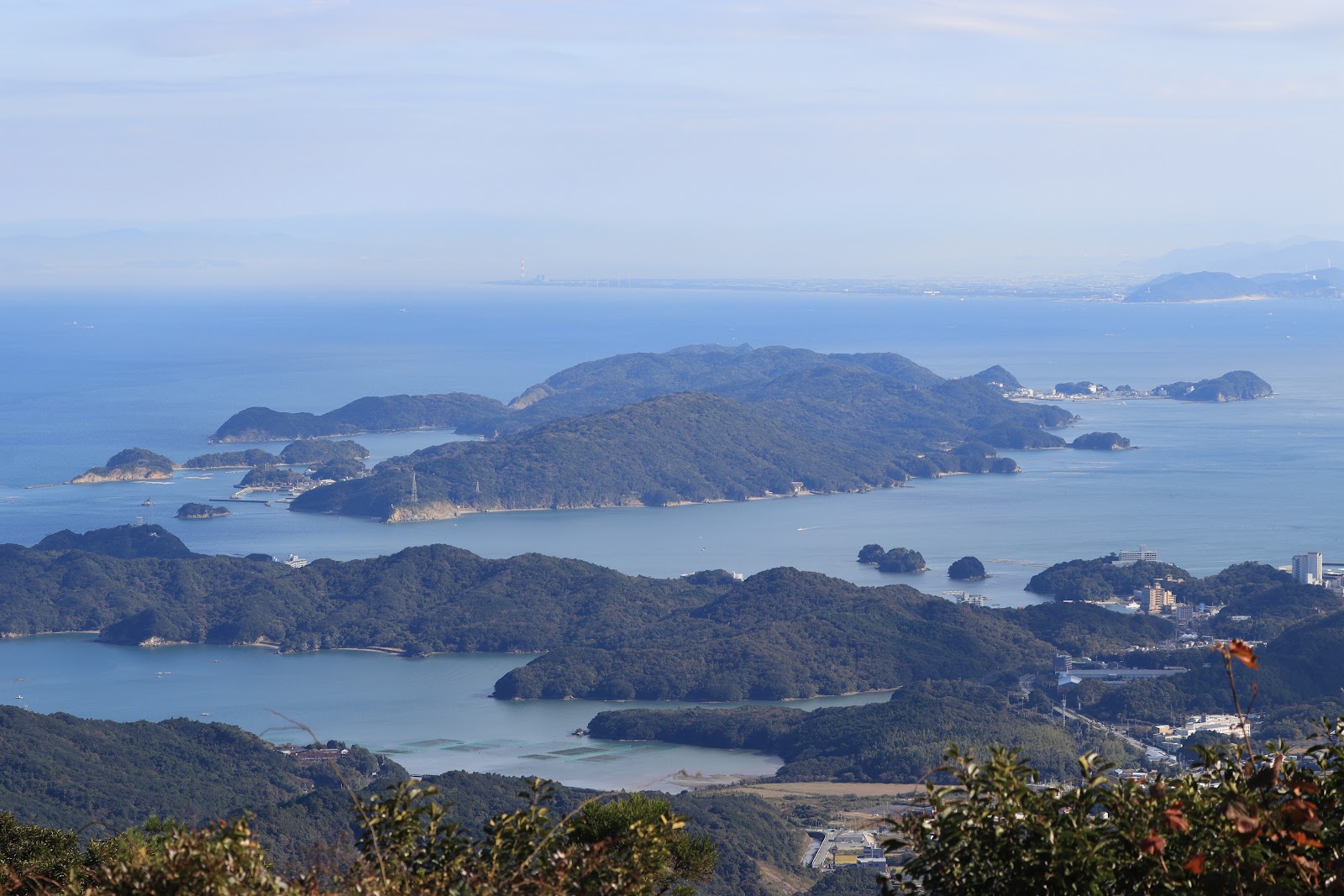
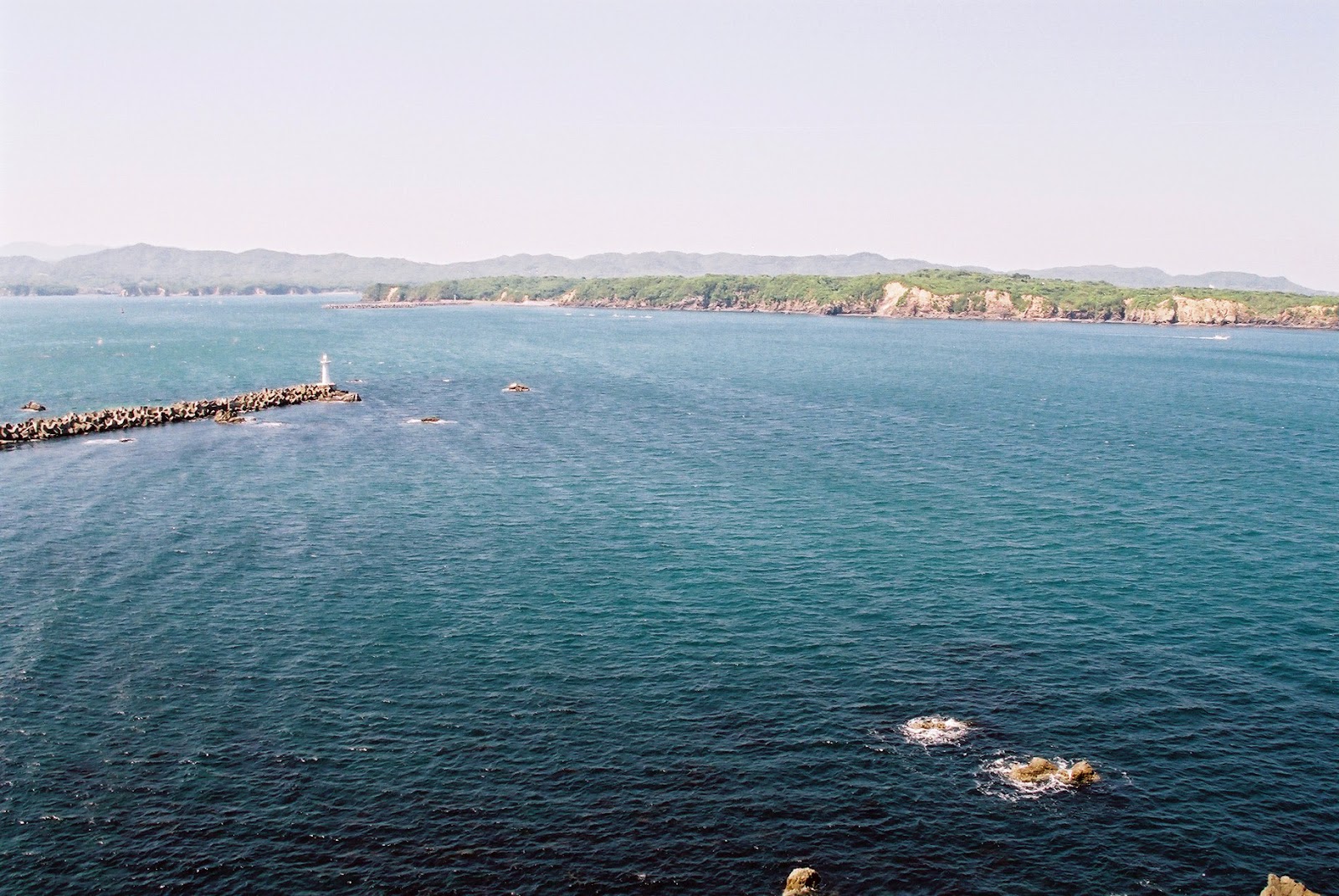
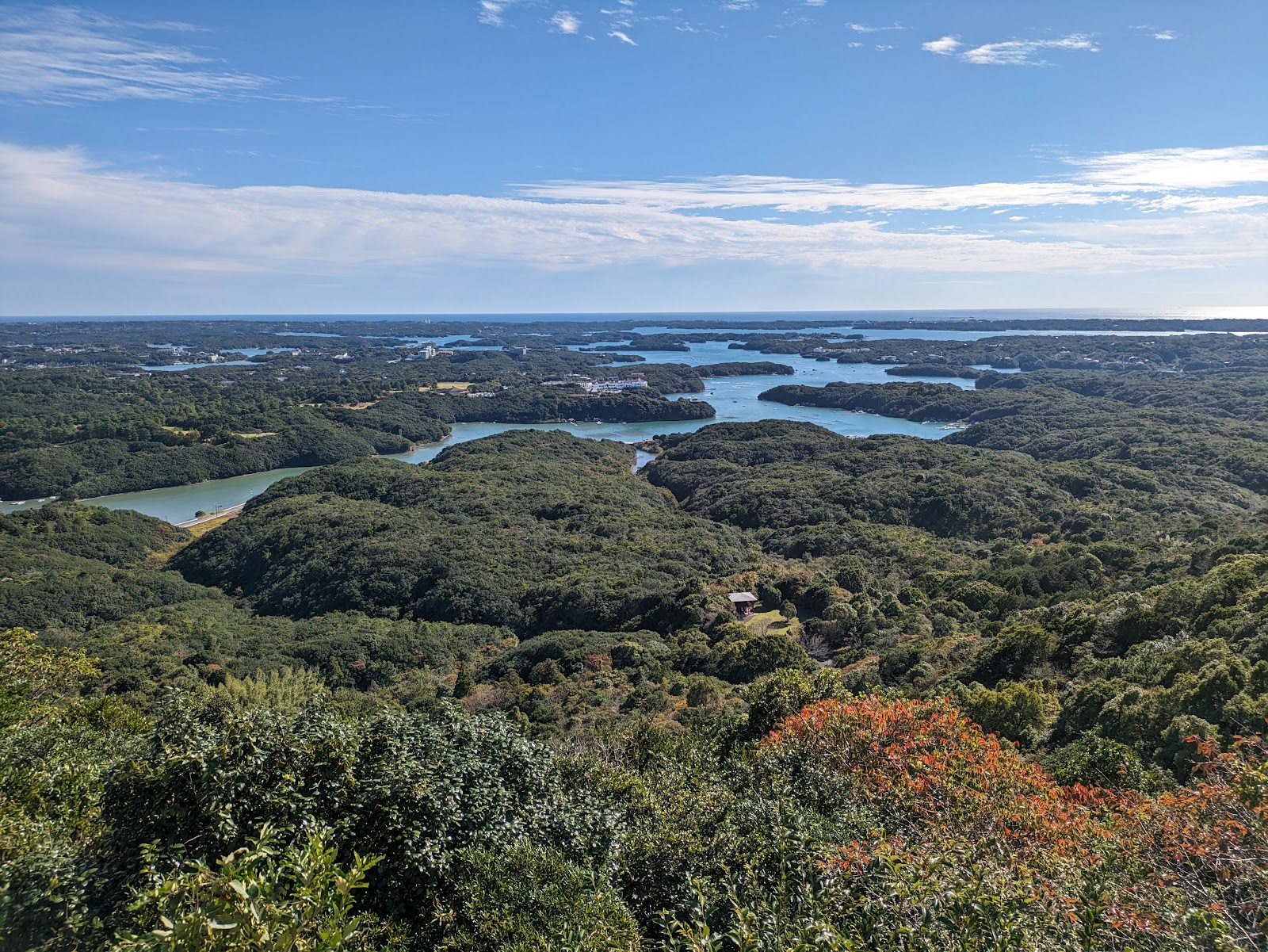
The setting adds to the appeal — a green, hilly stretch of coast away from the crowds, with a cafe and pleasant grounds. It is the kind of museum where you can lose a couple of unhurried hours and come away with a genuine understanding of the culture that shaped this coastline, rather than a checklist of famous objects.
The one caveat is access: the museum lies some distance from central Toba in Uramura, and public transport is infrequent, so most visitors come by car, roughly twenty minutes from Toba Station via the Pearl Road and the Onoura Bridge. If you are relying on buses, check the timetable carefully in advance. For those who make the effort, it is one of the most rewarding and atmospheric museums in the entire Ise-Shima region, combining serious cultural substance with architecture worth the journey in its own right. Allow about 90 minutes, and pair it with a drive along the Pearl Road for coastal views.
A local's tip
The award-winning timber halls by architect Hiroshi Naito are as celebrated as the collection — architecture pilgrims come just to see the cathedral-like wooden roof.
Best time to visit
A quiet weekday to enjoy the architecture
Getting there
In Uramura on the Pearl Road southeast of central Toba, near the Onoura Bridge; best reached by car (about 20 minutes from Toba Station) or infrequent local bus, so check timings.
Good to know
- Cafe
- Parking
- Restrooms
- English signage
Plan the whole trip offline
Toba Sea-Folk Museum is one of many places in the Real Japan app — with turn-by-turn directions, nearby spots and full offline maps you can use with no signal.