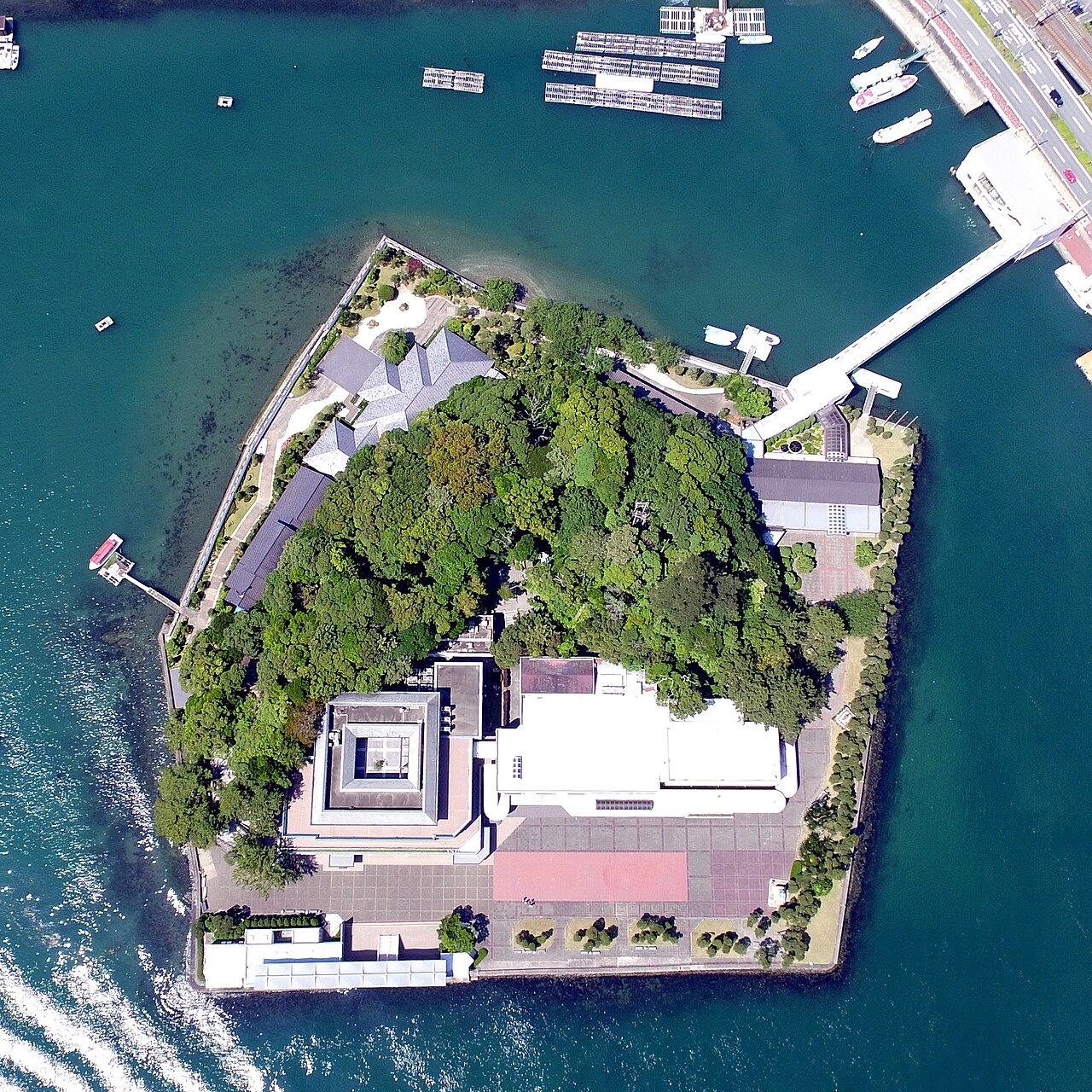
The island where the world's first cultured pearl was created, with a pearl museum and live ama diving shows.
Mikimoto Pearl Island is where the modern pearl industry was born, and it remains one of the most engaging attractions on the shores of Toba Bay. On this small island, once known as Ojima, an ambitious local entrepreneur named Mikimoto Kokichi succeeded in 1893 in producing the world's first cultured pearl, cracking a puzzle that had defeated jewellers for centuries and transforming pearls from an unimaginable luxury of chance into something that could be reliably farmed. The island, connected to the mainland by a short pedestrian bridge just steps from Toba Station, is now a museum and monument to that breakthrough and to the man who built a global empire from it.
The heart of the experience is the Pearl Museum, which explains in clear and genuinely fascinating detail how a cultured pearl is made: how a tiny nucleus is carefully implanted into an Akoya oyster, how the mollusc coats the irritant in layer upon layer of nacre over months and years, and how only a fraction emerge round and lustrous enough to sell. Displays walk through the sorting, grading, drilling and stringing of pearls, and the sheer labour and luck involved gives you a new respect for every strand. The museum's showpieces are extraordinary works of pearl art, including elaborate crowns, globes and models — the famous Liberty Bell replica and pagoda studded with thousands of pearls draw gasps.
Mikimoto himself is a compelling figure, a former noodle-shop owner and udon seller who became known as the Pearl King, presented his creations to royalty and world's fairs, and reputedly declared his ambition to adorn the necks of all the women of the world. The Mikimoto Memorial Hall tells his story with warmth and period photographs.
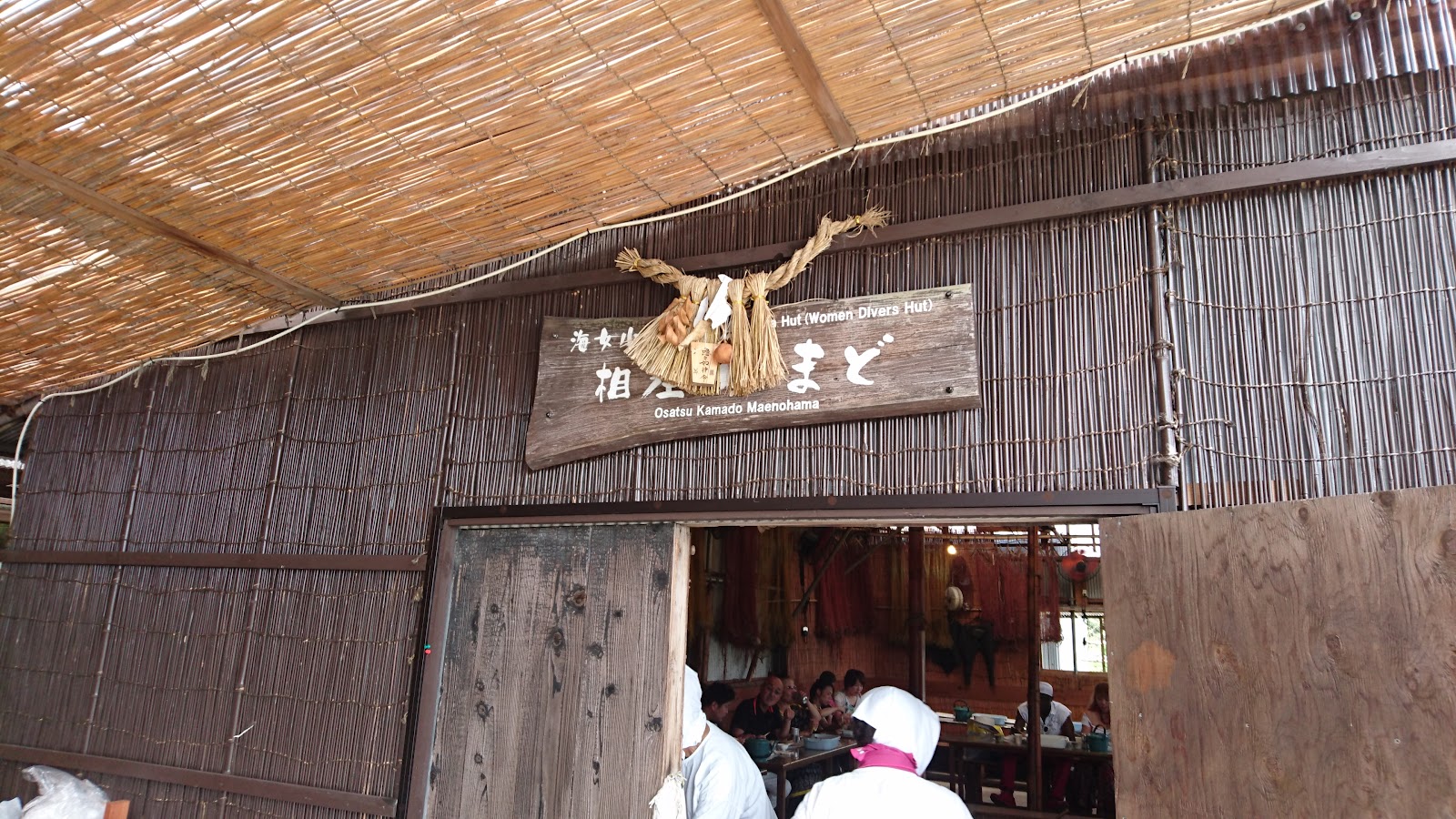
But for most visitors the unmissable highlight is the ama diving demonstration held several times daily in the bay beside the island. The ama are the traditional women free-divers of the Ise-Shima coast, who for centuries have plunged without air tanks to harvest shellfish and once gathered the oysters used in early pearl cultivation. Dressed in their traditional white garments, they demonstrate the breath-holding dives and the distinctive whistling isobue breath that has echoed along this coast for two thousand years. It is a living link to an endangered maritime culture, and watching it in the open sea is far more moving than any display case.
The island also has a restaurant with bay views, a large shop of Mikimoto pearls at every price point, and pleasant outdoor walkways looking across the water to Toba's islands. Allow around two hours, and time your arrival to coincide with a diving show. Reached in a five-minute walk from Toba Station on the Kintetsu and JR lines, and sitting right beside the celebrated Toba Aquarium, it makes an easy and rewarding centrepiece to a day on Toba Bay.
A local's tip
Check the daily schedule and arrive in time for the ama pearl-diving demonstration — the white-clad women divers plunging into the bay are the real highlight, not the shop.
Best time to visit
Time your visit to catch an ama diving demonstration
Getting there
A 5-minute walk from Toba Station across a short bridge that connects the small island to the mainland; the island sits right in Toba Bay beside the aquarium.
Good to know
- Shop
- Restrooms
- Restaurant
- English signage
Plan the whole trip offline
Mikimoto Pearl Island is one of many places in the Real Japan app — with turn-by-turn directions, nearby spots and full offline maps you can use with no signal.