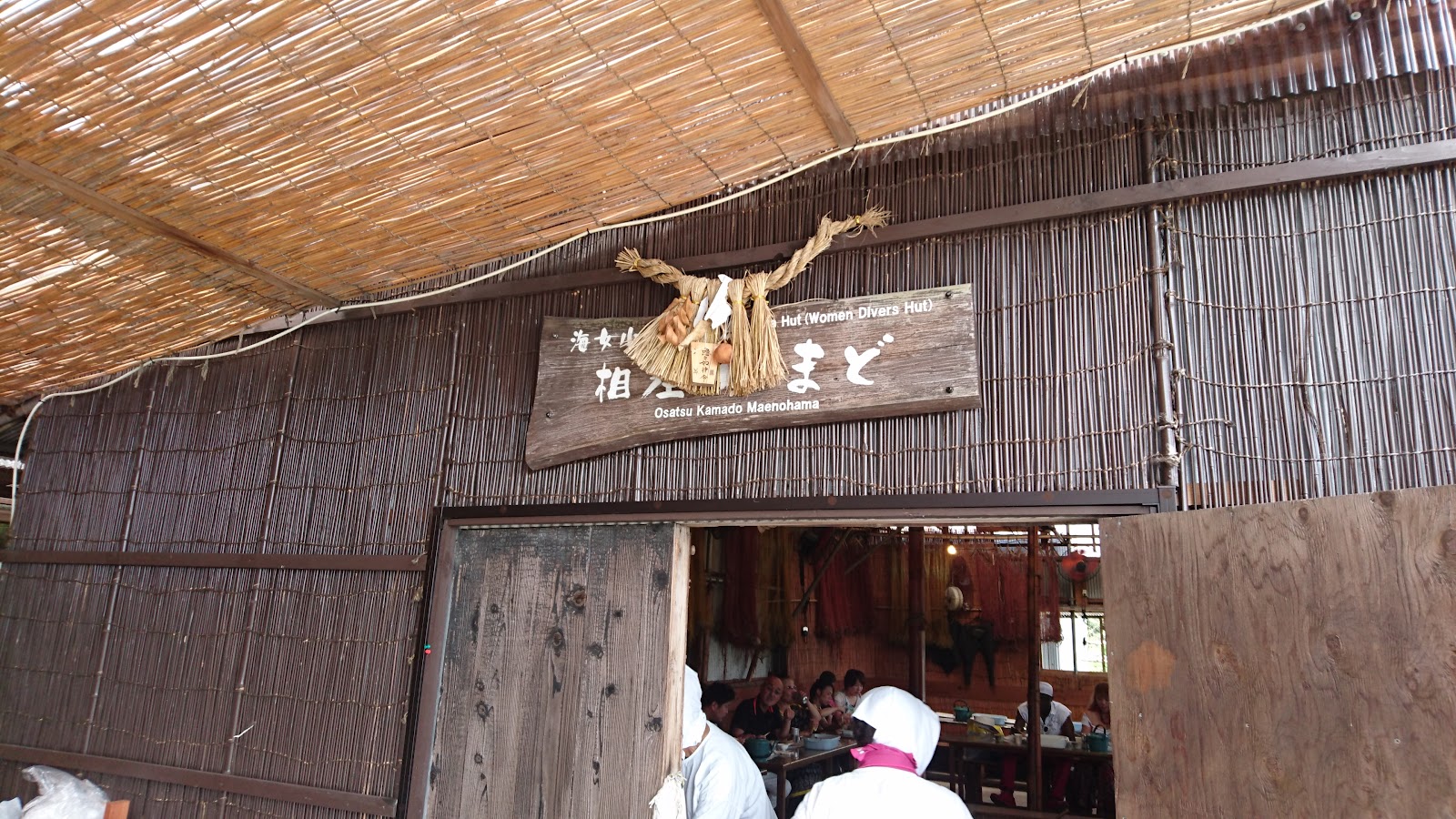
A traditional Toba fishing village and heartland of Japan's ama free-divers, where women still harvest shellfish and grill it in seaside huts.
Osatsu is a small fishing village on the Toba coast that holds an outsized place in Japanese culture as one of the country's greatest strongholds of ama, the traditional women free-divers. For well over a thousand years — some say two thousand — the women of this rugged shore have plunged without air tanks into the cold waters of the Pacific to gather abalone, turban shell, sea urchin and seaweed by hand. Visiting Osatsu is a chance to encounter a living heritage that is increasingly rare, and to eat some of the freshest seafood imaginable in the company of the divers themselves.
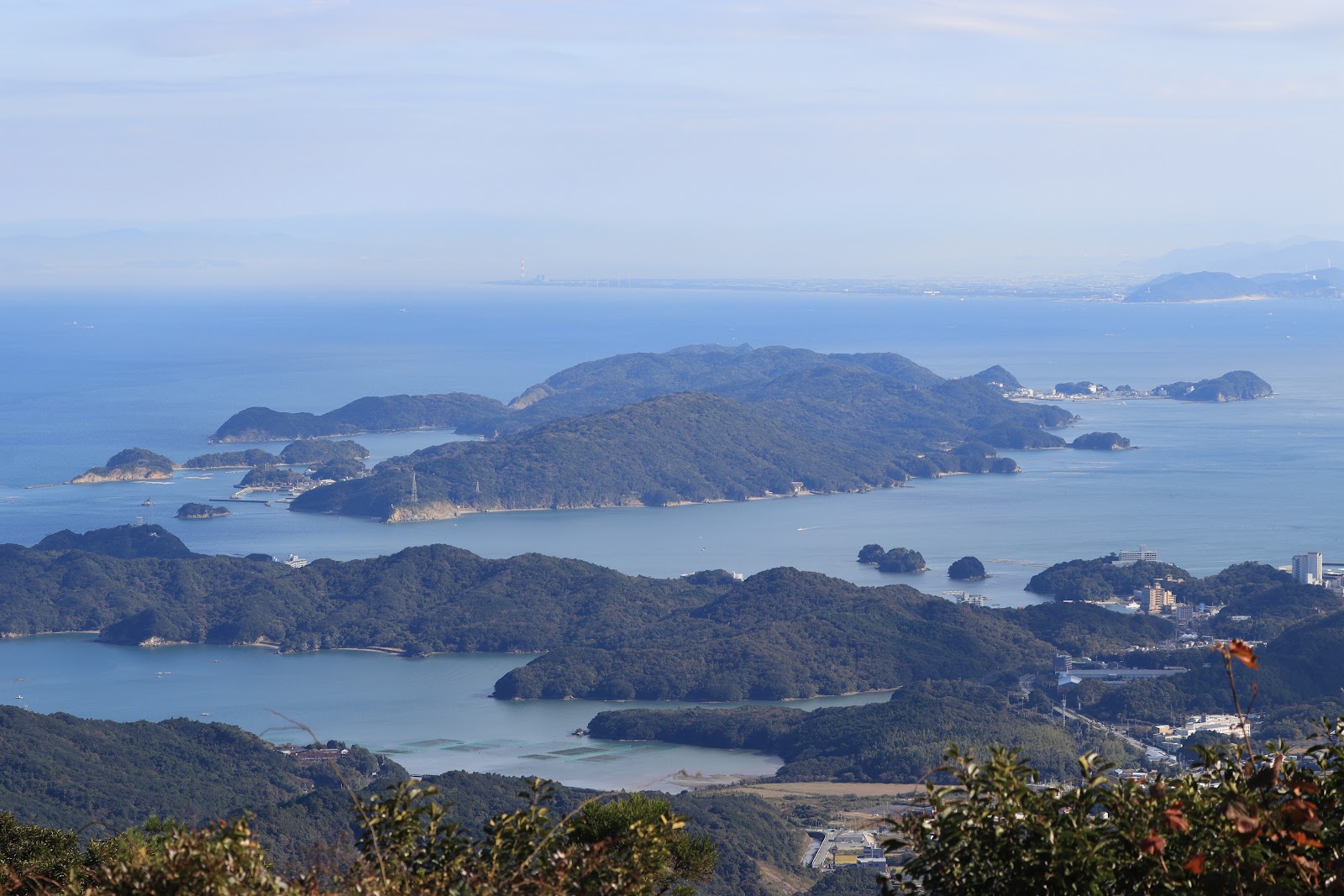
The village clusters along a sheltered inlet, a maze of narrow lanes, weathered wooden houses and boat sheds set against green headlands and the open sea. It is unpolished and genuinely working rather than prettified for tourists, and that is precisely its charm. Ama culture permeates daily life here: you may see wetsuits and diving floats drying outside homes, and the small Ishigami-san shrine, dedicated to a deity said to grant one wish to any woman who prays sincerely, draws visitors — especially female travellers — hoping for good fortune. The shrine's association with the ama and their prayers for safety at sea makes it a poignant, popular stop.
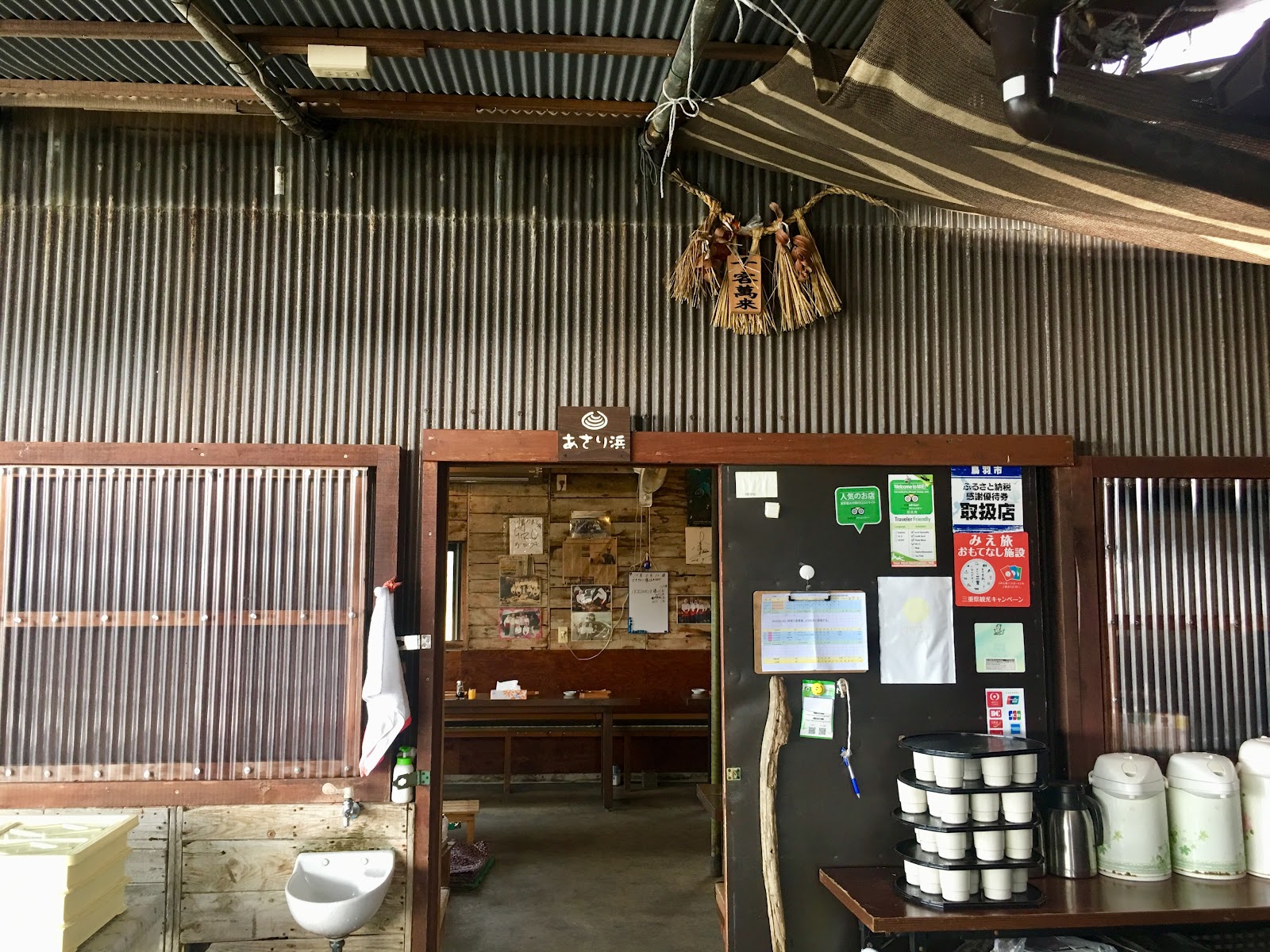
The centrepiece experience is a meal at an amagoya, an ama diver's hut. In these simple wooden shelters, once used by the women to warm themselves between dives, visitors sit around a charcoal hearth while the divers grill just-caught scallops, turban shells (sazae), squid, fish and, in season, prized abalone before your eyes. The food is superb, but the real gift is the conversation: the ama, often cheerful older women, share tales of the sea, the techniques of breath-hold diving, and a way of life passed down through generations of mothers and daughters. These meals are paid and generally require reservation, and they are the main reason travellers make the trip.
Osatsu's significance reaches beyond the plate. The ama tradition has shaped local religion, festivals and even the pearl industry that made nearby Toba famous, and it has been recognised as an important part of Japan's intangible cultural heritage. Spending a few hours here offers a rare, human-scale window into a coastal culture that machines and modern fishing have not replaced.
For visitors, planning is essential. Ama-hut meals must usually be booked in advance, often through local tourism operators, and the village itself is quiet, with limited services, so come for the experience rather than shopping or nightlife. Comfortable shoes help on the sloping lanes. To reach Osatsu, take a Kamome bus from Toba Station along the coast (around thirty to forty minutes), or drive. Authentic, remote and deeply memorable, Osatsu offers one of the most distinctive cultural encounters on the entire Ise-Shima coast.
A local's tip
Reserve a meal at an amagoya (ama diver's hut) to be grilled fresh shellfish over charcoal by the women divers themselves and hear their stories — it is the real reason to come.
Best time to visit
Midday for an ama-hut seafood lunch; book ahead
Getting there
From Toba Station take a Kamome bus toward Osatsu (about 30-40 minutes) to reach the fishing village on the Toba coast. Some visitors drive.
Good to know
- Parking
- Restrooms
- Ama hut dining
Plan the whole trip offline
Osatsu Ama Fishing Village is one of many places in the Real Japan app — with turn-by-turn directions, nearby spots and full offline maps you can use with no signal.