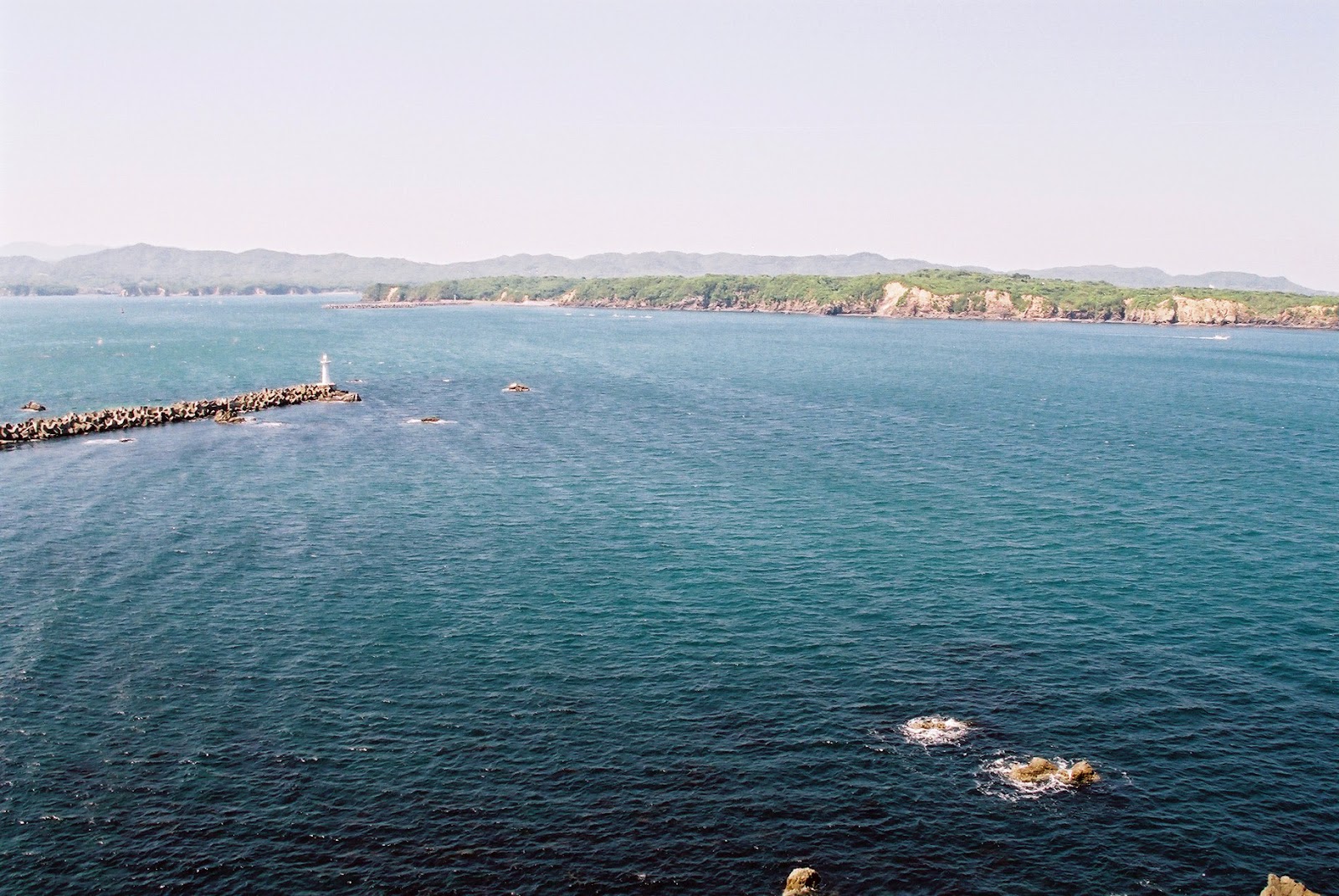
A rare climbable square lighthouse on a grassy cape at the mouth of Matoya Bay, with wide Pacific views.
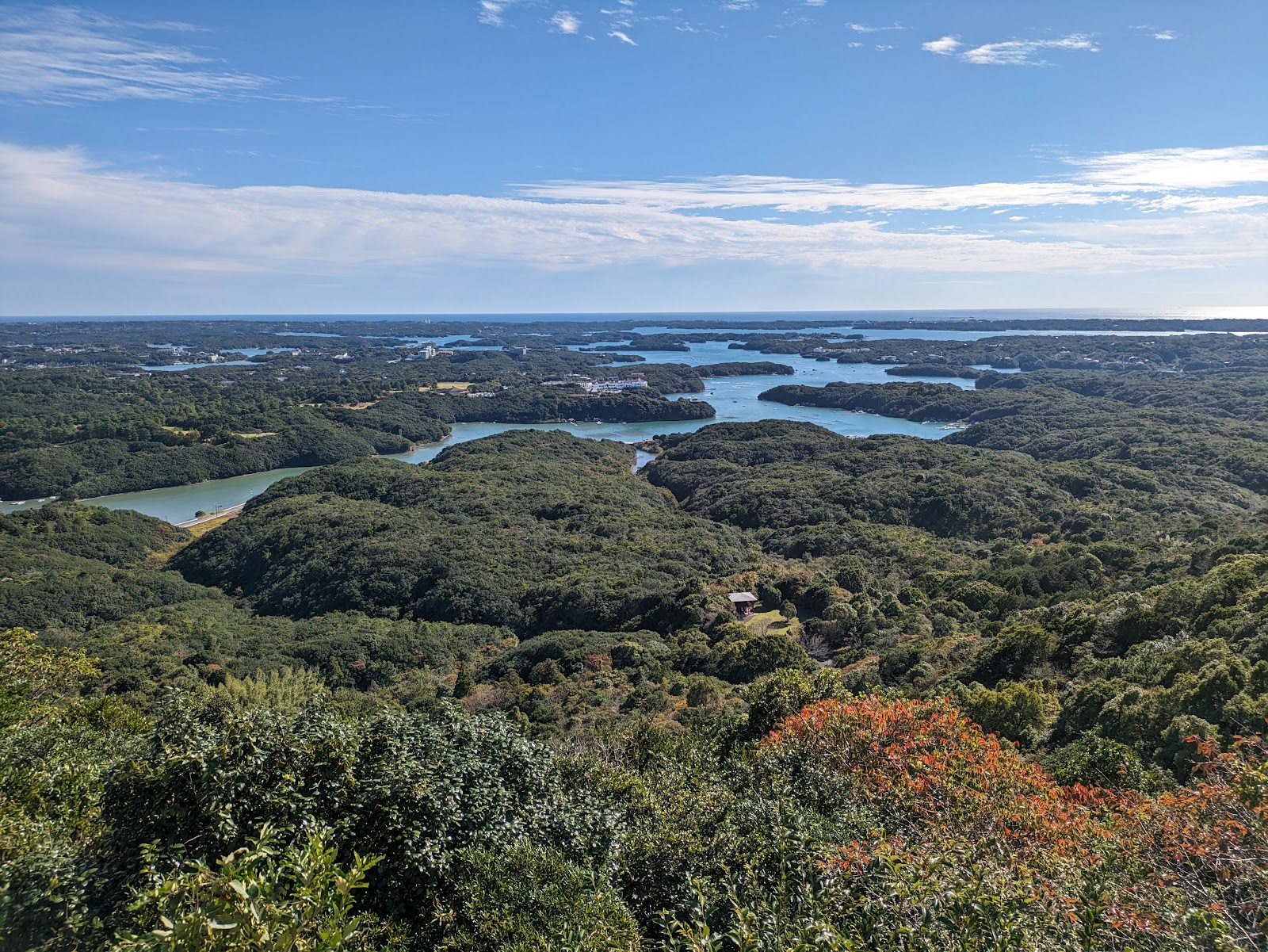
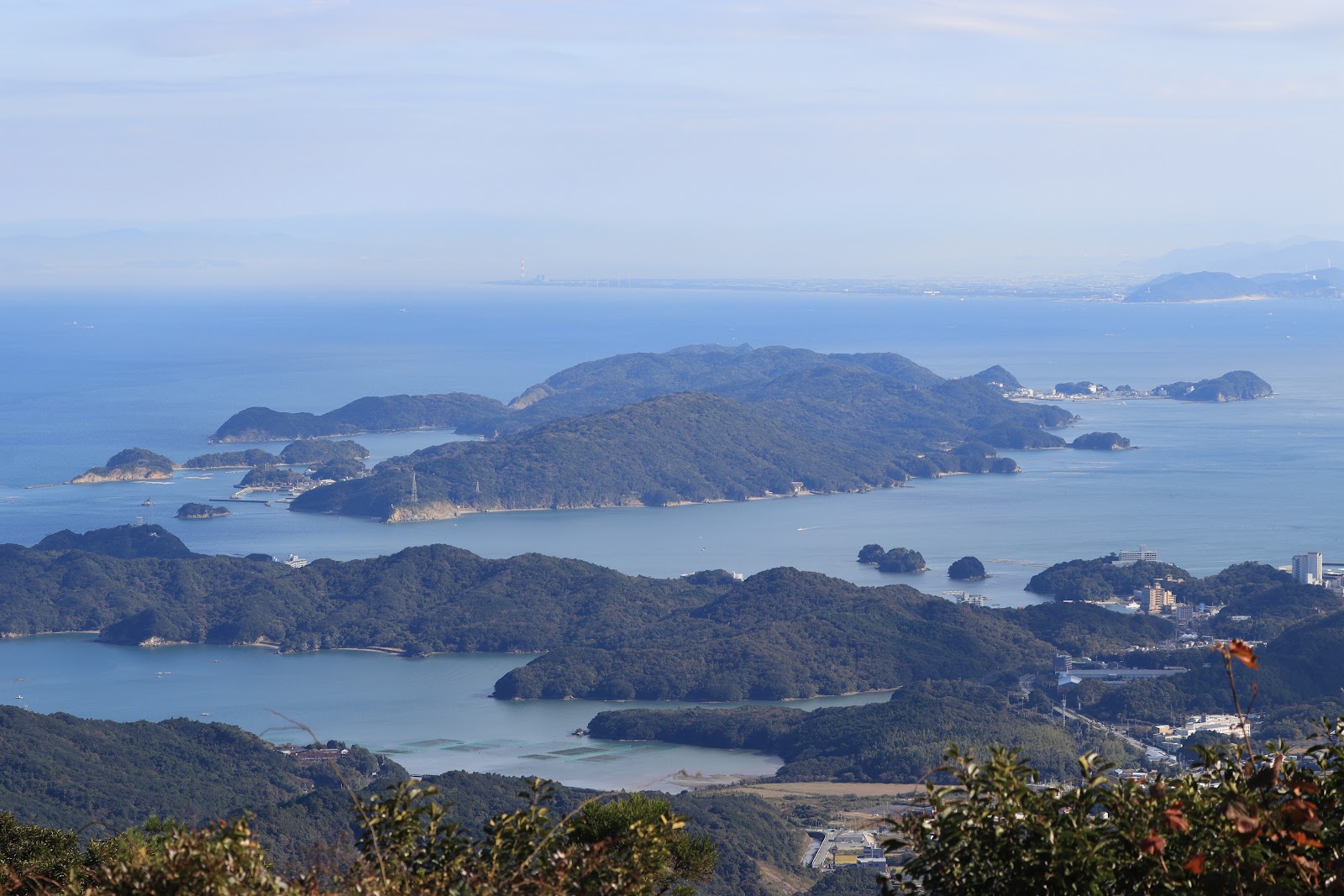
Anori Lighthouse occupies a breezy grassy headland at the northeastern corner of the Shima peninsula, guarding the entrance to Matoya Bay where it opens onto the Pacific. Distinctive for its unusual square, box-like tower — most Japanese lighthouses are round — it is also one of the select few that visitors are permitted to climb, and from its gallery unfolds a wide, open panorama across the mouth of the bay, the fishing harbour below, and the vast Pacific horizon. The setting, atop rolling green cliffs above the sea, is airy and expansive, a wonderful place to feel the wind and the immensity of the ocean.
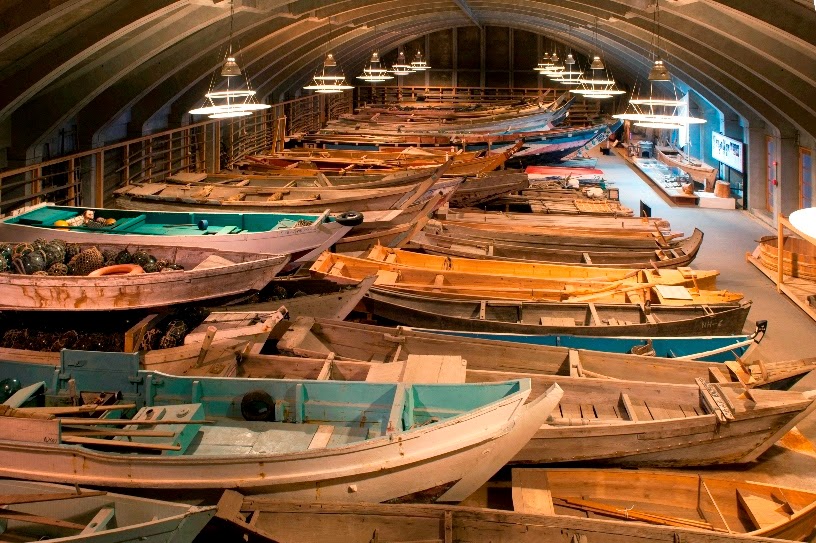
The present lighthouse dates from the postwar era, rebuilt in 1948 to replace an earlier light that had stood since the late nineteenth century, and it continues to guide the fishing boats of this rugged coast safely past the headland and into the shelter of Matoya Bay. The bay itself is celebrated for its oysters, cultivated in the calm inner waters, and the working life of the sea is everywhere apparent in the boats, nets and harbour below the cape.
Anori has a small but genuine place in Japanese cultural memory. The lighthouse and its keepers were the subject of the beloved 1957 film Times of Joy and Sorrow (Yorokobi mo Kanashimi mo Ikutoshitsuki), a sweeping drama following the life of a lighthouse-keeping couple across the decades, and Anori features among the lighthouses portrayed. This lends the site a nostalgic resonance for many Japanese visitors, and small displays nearby touch on the history of lighthouse keeping and the hard, isolated lives of the families who once tended these lonely lights.
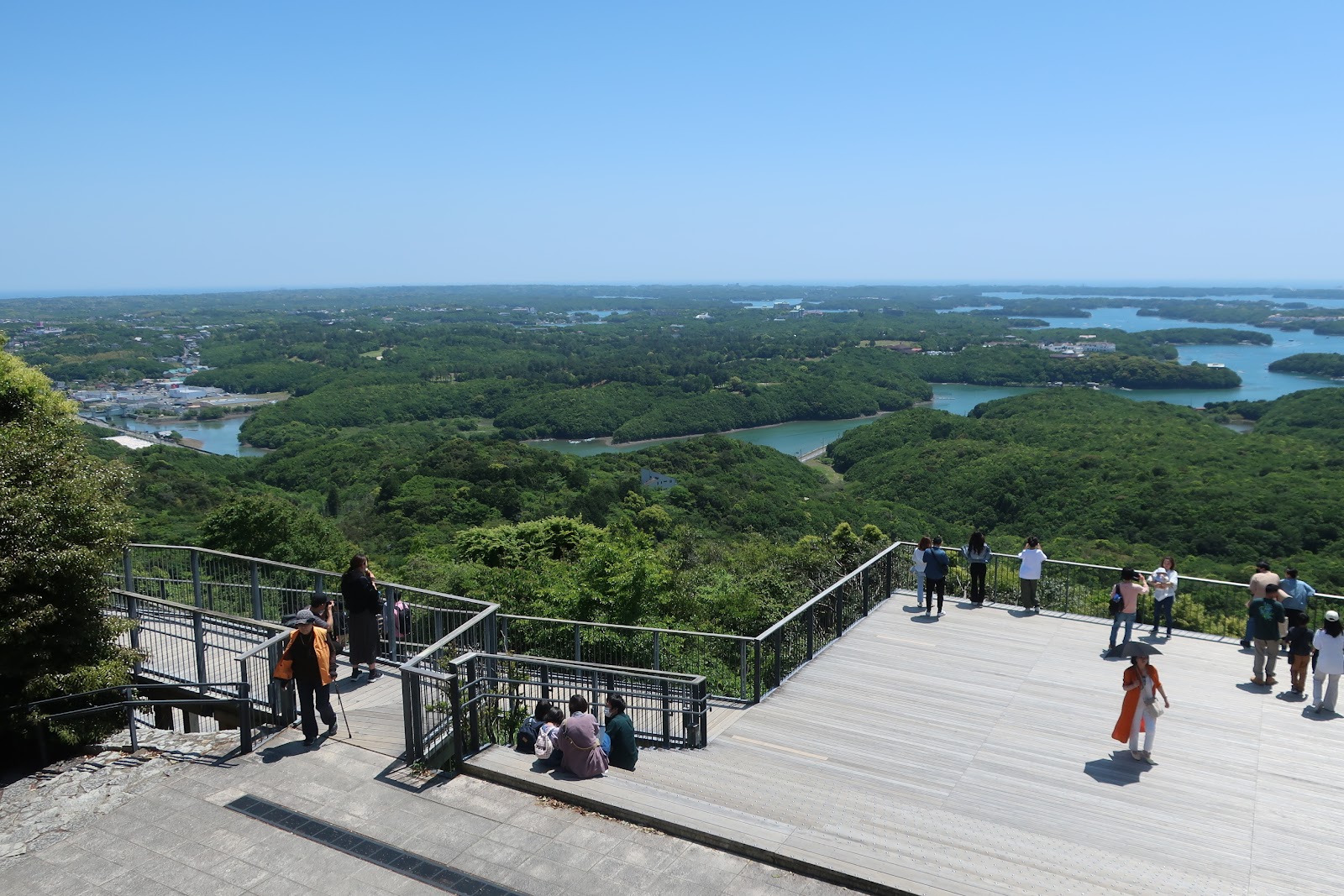
The headland around the lighthouse is laid out as a simple park, with lawns, benches and paths along the cliff edge, making it an inviting spot for a picnic or a leisurely wander with the sea on three sides. The grassy, open character is unusual on this often steep and wooded coast, and it gives Anori a gentle, relaxed feel despite its exposed position. Below, the old fishing village of Anori clusters around its harbour, worth a stroll for its authentic, workaday maritime atmosphere.
Climbing the square tower — for a modest admission — brings you to the gallery and the full sweep of the view: the bay mouth, the scattered rocks and islets, the fishing boats coming and going, and the open sea running to the horizon. Clear days, particularly in spring and autumn, offer the sharpest and most far-reaching vistas.
Anori sits a little off the main tourist routes, which keeps it peaceful. From Ugata Station on the Kintetsu Shima Line, buses run toward Anori in around twenty-five minutes, followed by a walk through the village to the cape; drivers will find parking by the lighthouse grounds. For travellers touring the Shima peninsula, Anori Lighthouse pairs beautifully with the wilder Daio-zaki to the south, offering another rare climbable tower, a gentler grassy headland, and a quietly moving connection to the vanished world of Japan's lighthouse keepers.
A local's tip
This is one of Japan's few square lighthouses you can climb — combine it with the neighbouring grassy headland park, a great spot for a windswept picnic.
Best time to visit
Clear days for sweeping views over Matoya Bay and the Pacific
Getting there
From Ugata Station take a bus toward Anori (about 25 minutes) then walk through the fishing village to the cape; drivers can park near the lighthouse grounds.
Good to know
- Park
- Parking
- Restrooms
Plan the whole trip offline
Anori Lighthouse is one of many places in the Real Japan app — with turn-by-turn directions, nearby spots and full offline maps you can use with no signal.