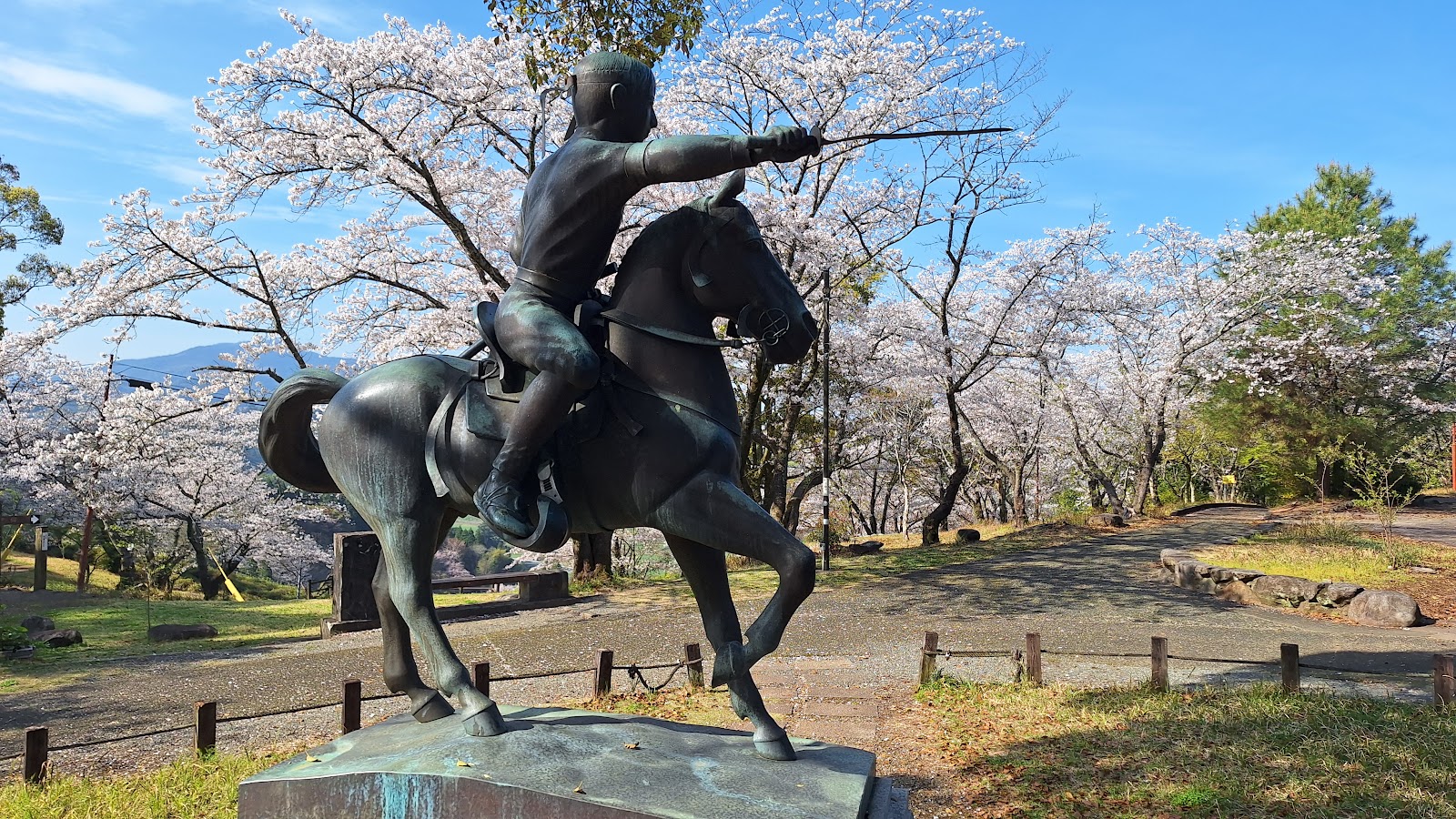
The decisive battlefield of the 1877 Satsuma Rebellion, now a peaceful hilltop park of cherry trees and memorials.
Tabaruzaka is the field where the samurai era effectively met its end. In March 1877, during the Satsuma Rebellion, the government's new conscript army and the rebel forces of Saigo Takamori clashed here on the ridges north of Kumamoto in one of the bloodiest engagements ever fought on Japanese soil. Over seventeen days of relentless combat, fought partly in driving rain and mud, an estimated 300,000 rounds of ammunition were expended across these slopes. The rebels, representing the old warrior class, were ultimately unable to break through, and their defeat at Tabaruzaka sealed the failure of the last great samurai uprising against the modernising Meiji state.
Today the battlefield is a quiet, gently rolling park, and the contrast between its present serenity and its violent past gives the place its power. Memorials and stone monuments are scattered across the hill, honouring the dead of both sides, and a small on-site museum uses maps, weapons, uniforms and dioramas to explain how the battle unfolded and why it mattered. Among the most affecting exhibits are relics recovered from the ground itself, including a preserved storehouse wall still pitted with bullet holes, a rare physical trace of the intensity of the fighting.
The rebellion has entered popular imagination well beyond Japan; the story of Saigo and the doomed samurai loosely inspired the film 'The Last Samurai', and standing on this ridge makes the historical reality behind that romance tangible. Panels also tell smaller human stories, such as the local legend of a young drummer boy whose statue stands in the park, symbolising the many ordinary people caught up in the conflict.
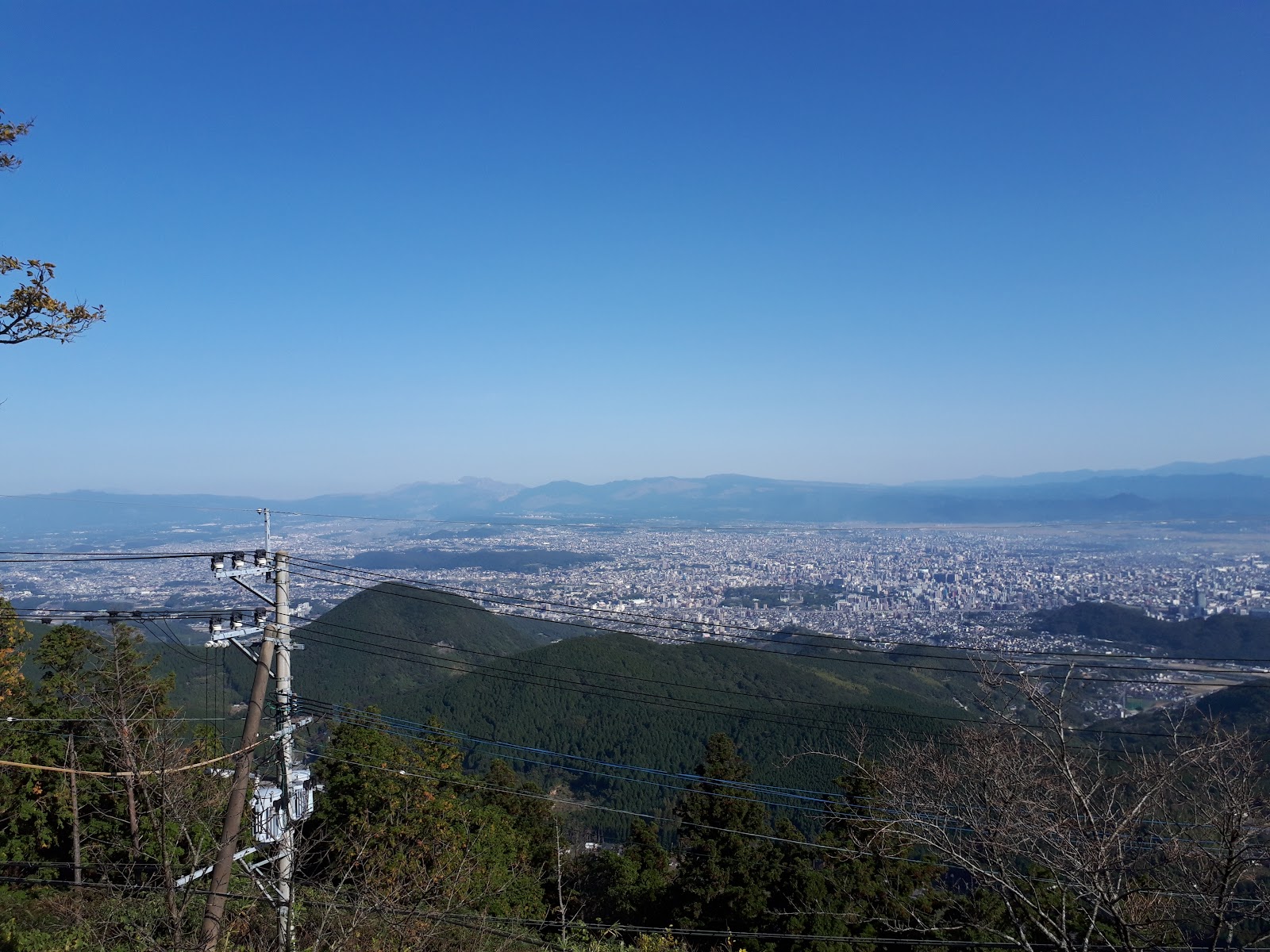
In spring the entire hill blooms with cherry trees, and the site becomes a popular but reflective hanami spot, the blossoms lending a poignant beauty to a place of remembrance. Walking paths link the monuments, and the elevated ground offers pleasant views over the surrounding farmland and, on clear days, back toward the city.
Tabaruzaka lies about 30 minutes north of central Kumamoto. The nearest rail access is Ueki Station on the JR Kagoshima Main Line, from which a short taxi ride reaches the park; visitors with a car will find ample parking. The grounds are freely open at all hours, while the museum keeps daytime hours and closes on Mondays. Allow about an hour to walk the battlefield and take in the museum, longer if you come for the cherry blossoms. For anyone interested in how Japan transformed from a feudal warrior society into a modern nation, few sites make that pivot as vivid as this understated hillside.
A local's tip
Look for the bullet-scarred storehouse wall preserved on site — the battle here saw an estimated 300,000 rounds fired in seventeen days, and the pockmarked plaster survives as a haunting relic.
Best time to visit
Spring for cherry blossoms across the battlefield hill
Getting there
From Kumamoto Station take the JR Kagoshima Main Line to Ueki Station (about 20 min), then a taxi or local bus to Tabaruzaka; by car it is roughly 30 minutes north of central Kumamoto.
Good to know
- Parking
- Restrooms
Plan the whole trip offline
Tabaruzaka Park (Satsuma Rebellion Battlefield) is one of many places in the Real Japan app — with turn-by-turn directions, nearby spots and full offline maps you can use with no signal.