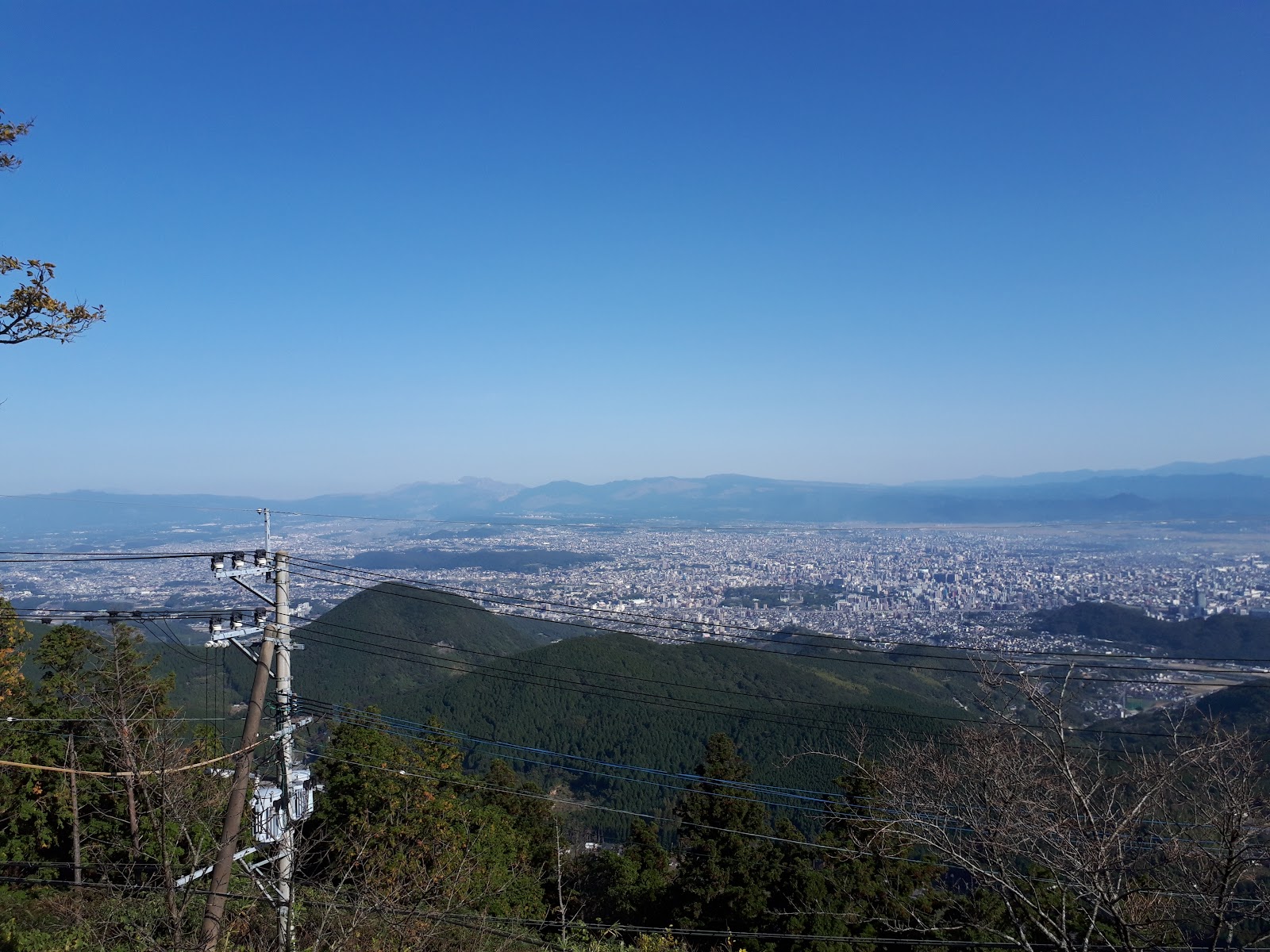
The 665-metre extinct volcano west of Kumamoto, offering panoramas over the whole city and across the Ariake Sea.
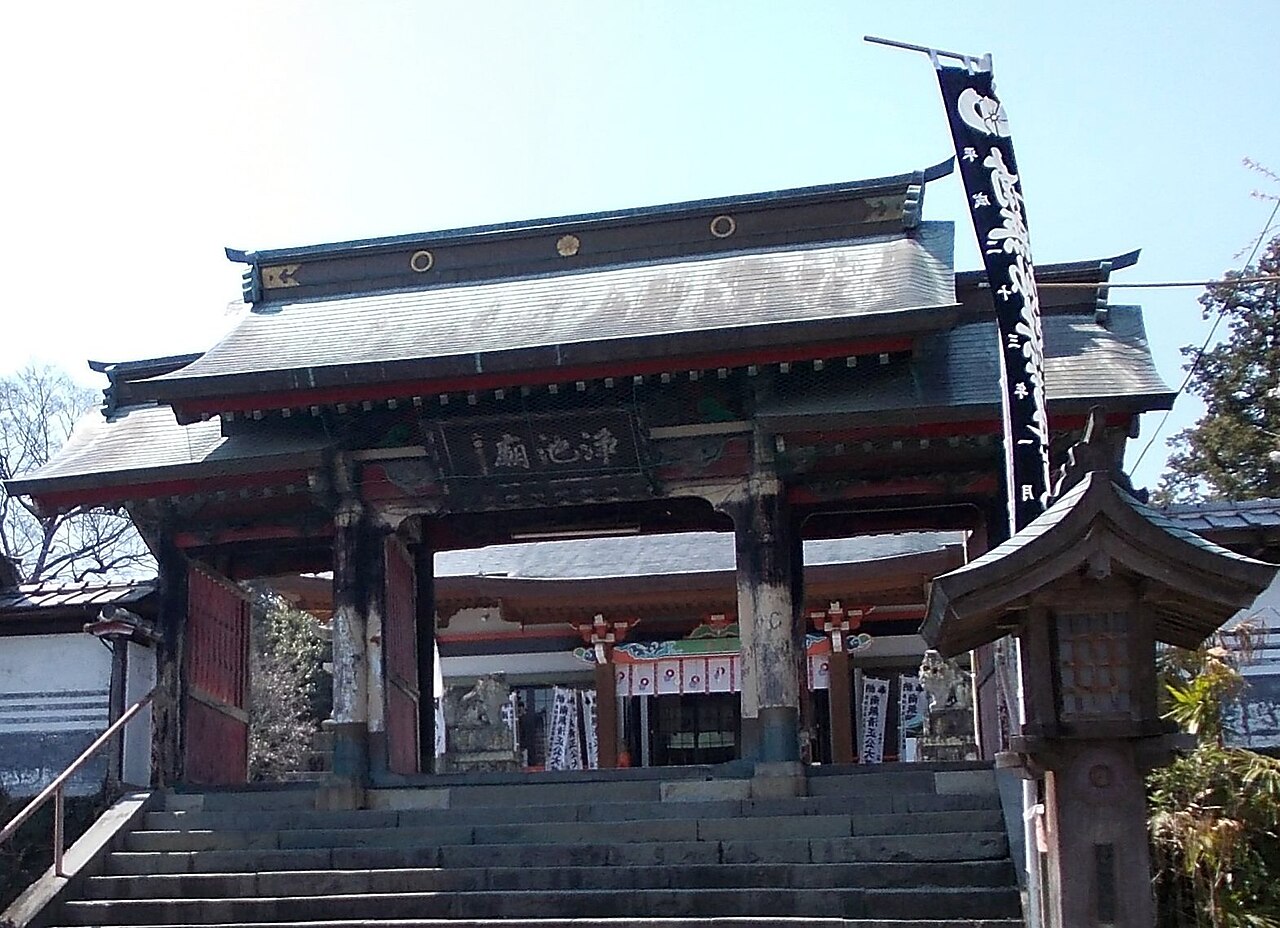
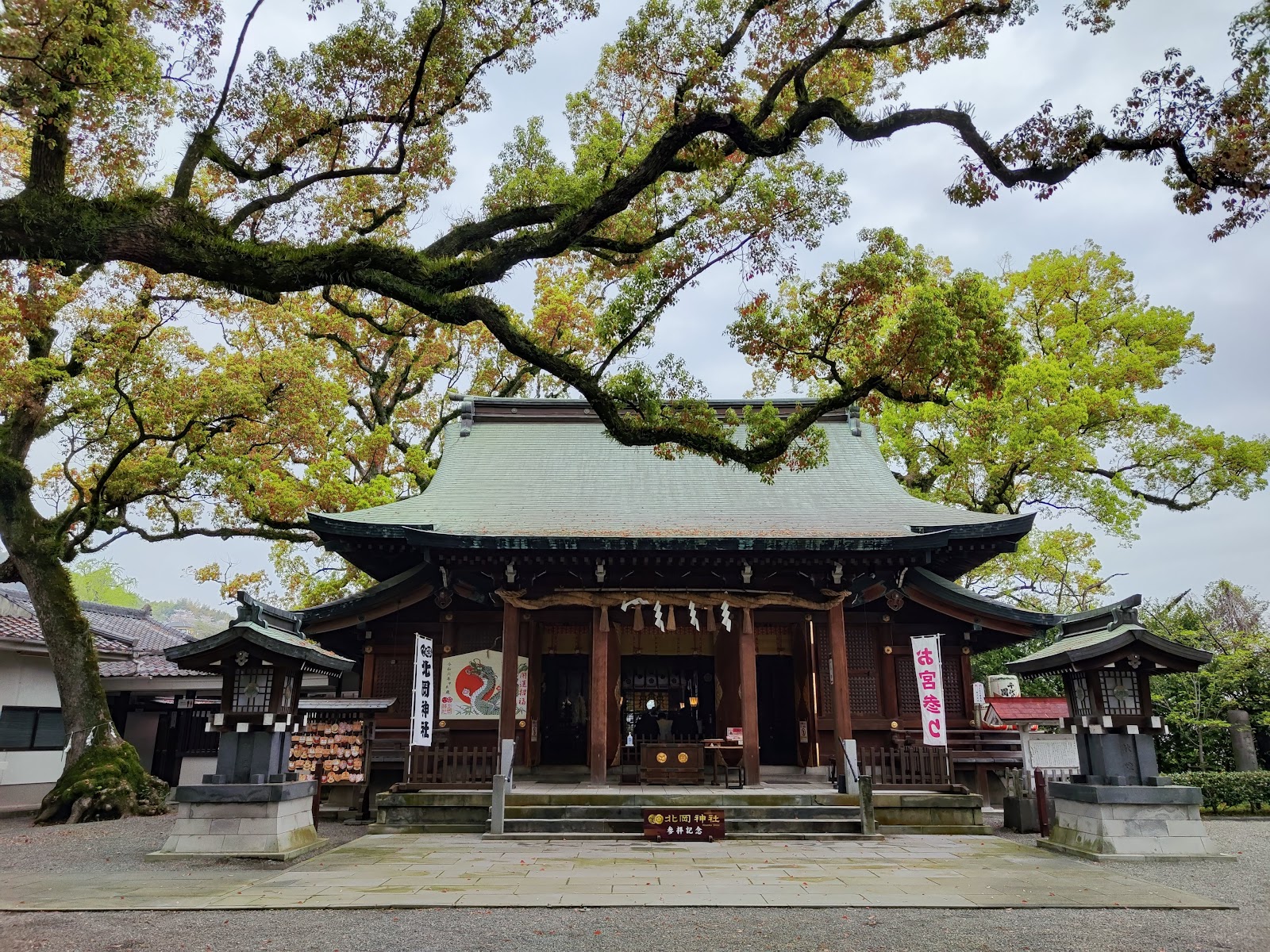
Mount Kinbo is the green wall that rises to the west of Kumamoto city, an extinct stratovolcano and lava dome about 665 metres high, older than nearby Mount Aso, whose summit gives the finest overall view of the city and its surroundings. Long a place of both scenery and worship, it carries broadcast antennas on its top and a small shrine near the summit, and its slopes hide historical sites that draw pilgrims and hikers alike.
From the summit area the panorama is broad and satisfying. To the east and below spreads the whole of Kumamoto city, with the castle, the river and the grid of streets laid out toward the Aso mountains on the far horizon. To the west the land drops to the Ariake Sea, and on clear days the view reaches across the water to the Shimabara Peninsula and the volcanic bulk of Mount Unzen in Nagasaki Prefecture. It is a view that ties the whole region together, city, sea and distant volcanoes in a single sweep, and it is at its most beautiful in the evening, when the sun sets over the Ariake Sea and, as darkness falls, the lights of Kumamoto come on below.
The mountain is more than a viewpoint. On its western flank lies Reigando, the cave where the swordsman Miyamoto Musashi retreated in his final years to write 'The Book of Five Rings', and the nearby Unganzenji temple with its ranks of weathered stone rakan figures. This gives Mount Kinbo a cultural depth beyond its panorama: a visit can combine the summit view with a Musashi pilgrimage on the same wooded hillside. The area is also known locally for its mikan orange groves and, in spring, its blossom.
Reaching the top is easy by car: a mountain road winds up toward the summit and the Kinpozan shrine, with parking near the top and only a short walk to the viewpoint. Walkers can also hike up from the lower slopes on established trails, a moderate climb rewarded by the summit vista. Because it lies in the western suburbs away from the tram and rail lines, the practical approach for most travellers is a rental car or taxi from central Kumamoto or Kumamoto Station, roughly 20 to 30 minutes; some local buses serve the lower slopes but not the summit.
There is no admission and the summit road is open at all hours, with parking and the shrine on top; facilities are minimal, so bring what you need and dress for a cooler, windier summit than the city below. Spring brings cherry and citrus blossom to the slopes; autumn and winter often deliver the clearest long-distance views to Unzen.
For travellers who want to see Kumamoto whole, the castle, the city, the encircling mountains and the shining Ariake Sea, and perhaps to walk in the footsteps of Musashi on the same trip, Mount Kinbo is the best vantage point in the region, and a memorable place to watch the sun go down over the sea.
A local's tip
On very clear days you can see across the Ariake Sea to the Shimabara Peninsula and Mount Unzen in Nagasaki, best at sunset.
Best time to visit
Clear evenings for the city lights and Ariake Sea sunset
Getting there
Drive west from central Kumamoto up the mountain road toward the summit and Reigando; a short climb from the upper car park reaches the viewpoint by the shrine.
Good to know
- Shrine
- Parking
Plan the whole trip offline
Mount Kinbo Summit View is one of many places in the Real Japan app — with turn-by-turn directions, nearby spots and full offline maps you can use with no signal.