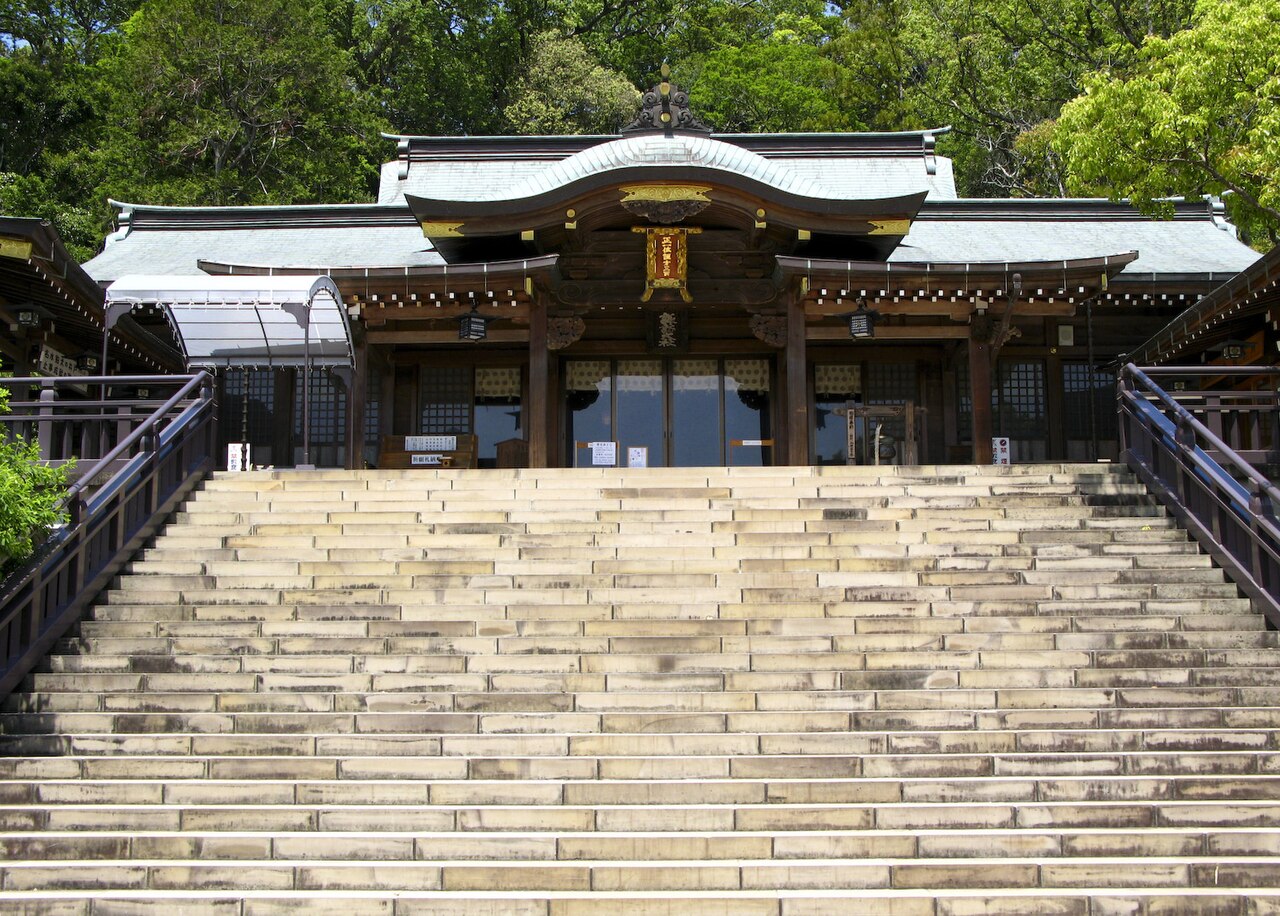
Nagasaki's grand guardian shrine atop a long stone staircase, home to the vibrant autumn Kunchi festival.
Suwa Shrine (Suwa-jinja) is the principal Shinto shrine of Nagasaki, standing proudly at the top of a long, steep stone staircase on a wooded hill in the northeast of the city. As the guardian shrine of the port, it has watched over Nagasaki for four centuries, and it is the stage for the city's most famous celebration, the exuberant Kunchi festival — making it both a serene everyday sanctuary and, for a few days each autumn, the beating heart of local life.
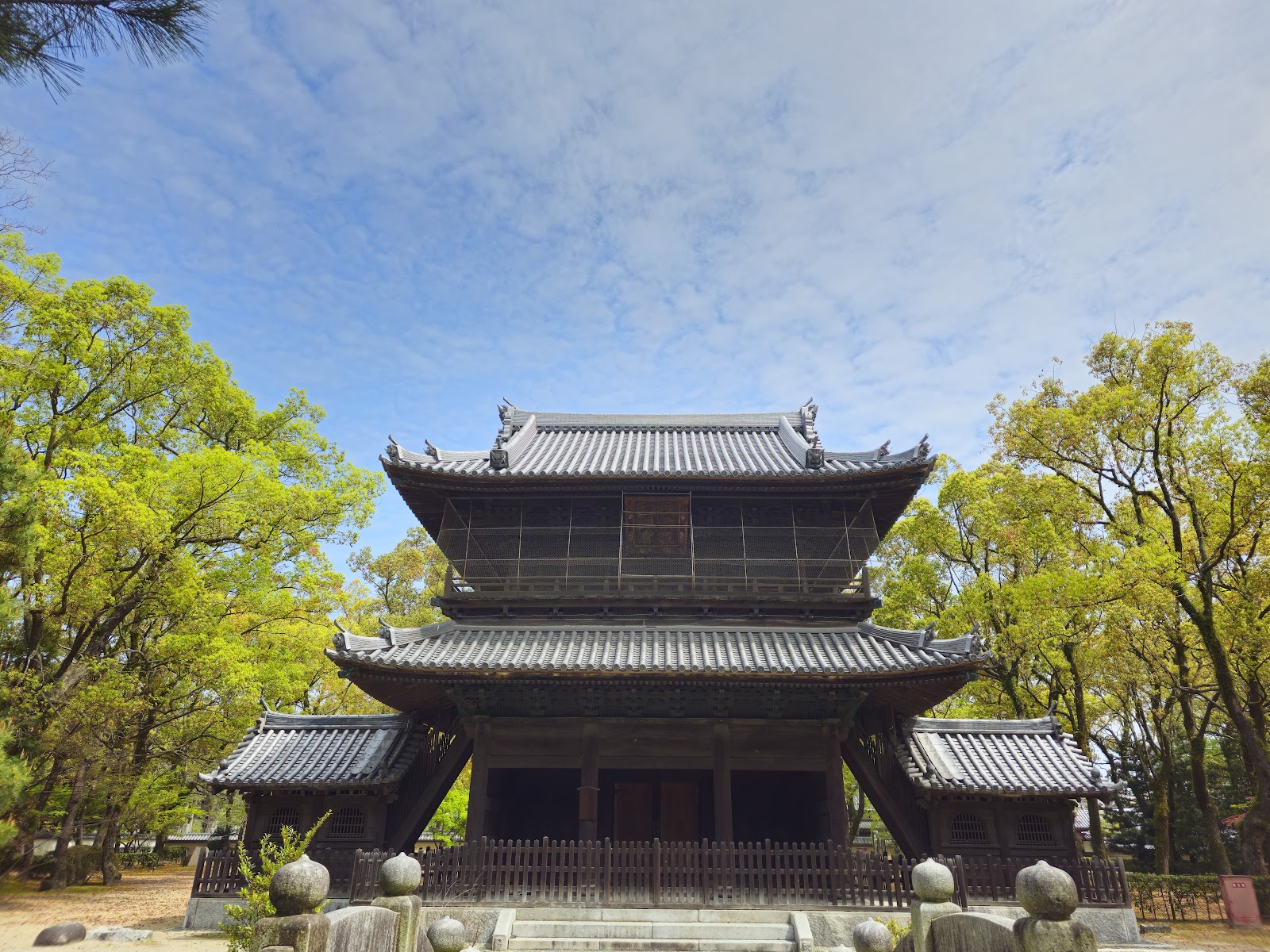
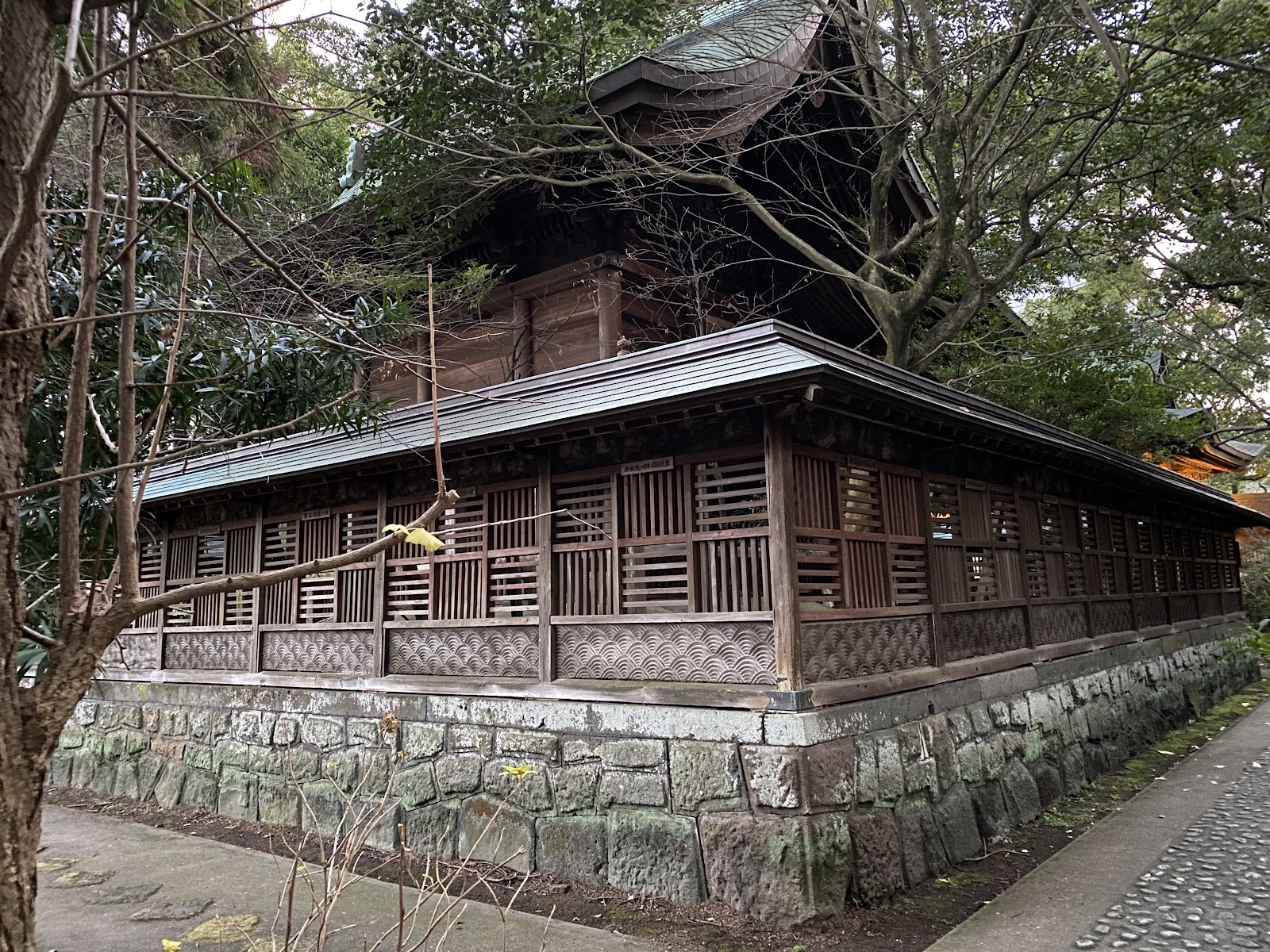
The shrine was established in the early seventeenth century, around 1625, at a pointed moment in Nagasaki's history. The city had become a stronghold of Christianity under the influence of Portuguese and Spanish missionaries, and Suwa Shrine was founded and promoted partly to reassert Shinto and Japanese identity as the shogunate moved to suppress the foreign faith. Over time it grew into a large and richly endowed complex, and its elevated position and grand approach give it real presence. The climb up the multiple flights of stone steps, past torii gates and guardian statues, builds a sense of arrival, and the main hall and subsidiary shrines at the summit are handsome examples of Shinto architecture.
Suwa Shrine's greatest claim to fame is the Nagasaki Kunchi, held annually from 7 to 9 October. Dating back to 1634, this dynamic festival reflects the city's cosmopolitan past like no other event in Japan, weaving together Japanese, Chinese and even Dutch and Portuguese elements. Neighbourhood teams present elaborate performances in the shrine precinct and around the city: swirling Chinese-style dragon dances, spinning floats, and above all the famous "whale ship" and other massive decorated dashi that are hauled, spun and paraded to the roar of the crowd. The festival is designated an Important Intangible Folk Cultural Property, and to witness it is to see Nagasaki's multicultural soul on full display.
Outside festival time the shrine reverts to a peaceful role in the rhythm of the city. Locals come to pray for good fortune, safe childbirth, matchmaking and success, and the shrine is known for a number of distinctive "power spot" stones and lucky komainu guardian dogs, each associated with a particular blessing that visitors touch or circle. The wooded grounds offer shade and calm, and cherry blossoms brighten the approach in spring.
Because it sits atop its hill, a visit does involve a substantial staircase climb, so comfortable shoes help, though the effort is modest and the views back over the city from the upper levels are pleasant. The shrine is easily reached by tram to the Suwa Jinja-mae stop. Allow around forty-five minutes for an ordinary visit — far longer, and far more memorably, if your trip coincides with Kunchi. Historic, atmospheric and central to the city's identity, Suwa Shrine is an essential stop for understanding Nagasaki.
A local's tip
If you visit on 7-9 October, you'll catch the spectacular Nagasaki Kunchi festival that centres on this shrine, blending Japanese, Chinese and Dutch influences into dragon dances and decorated floats.
Best time to visit
Early October for the Kunchi festival
Getting there
Take a Nagasaki tram to the Suwa Jinja-mae stop, then climb the long stone staircase to the main hall; the shrine crowns a hill in the northeast of the centre.
Good to know
- Gift shop
- Restrooms
Plan the whole trip offline
Suwa Shrine is one of many places in the Real Japan app — with turn-by-turn directions, nearby spots and full offline maps you can use with no signal.