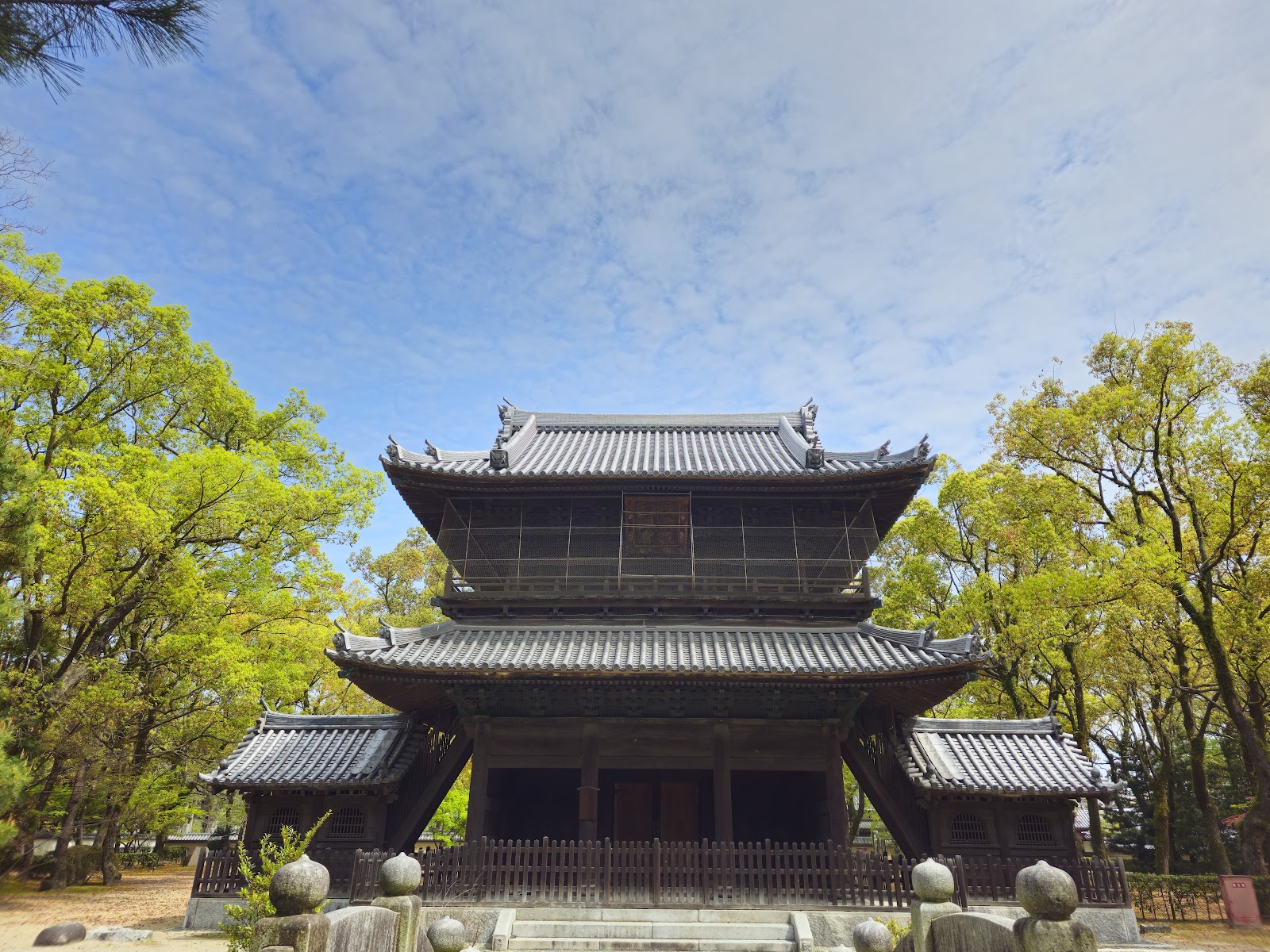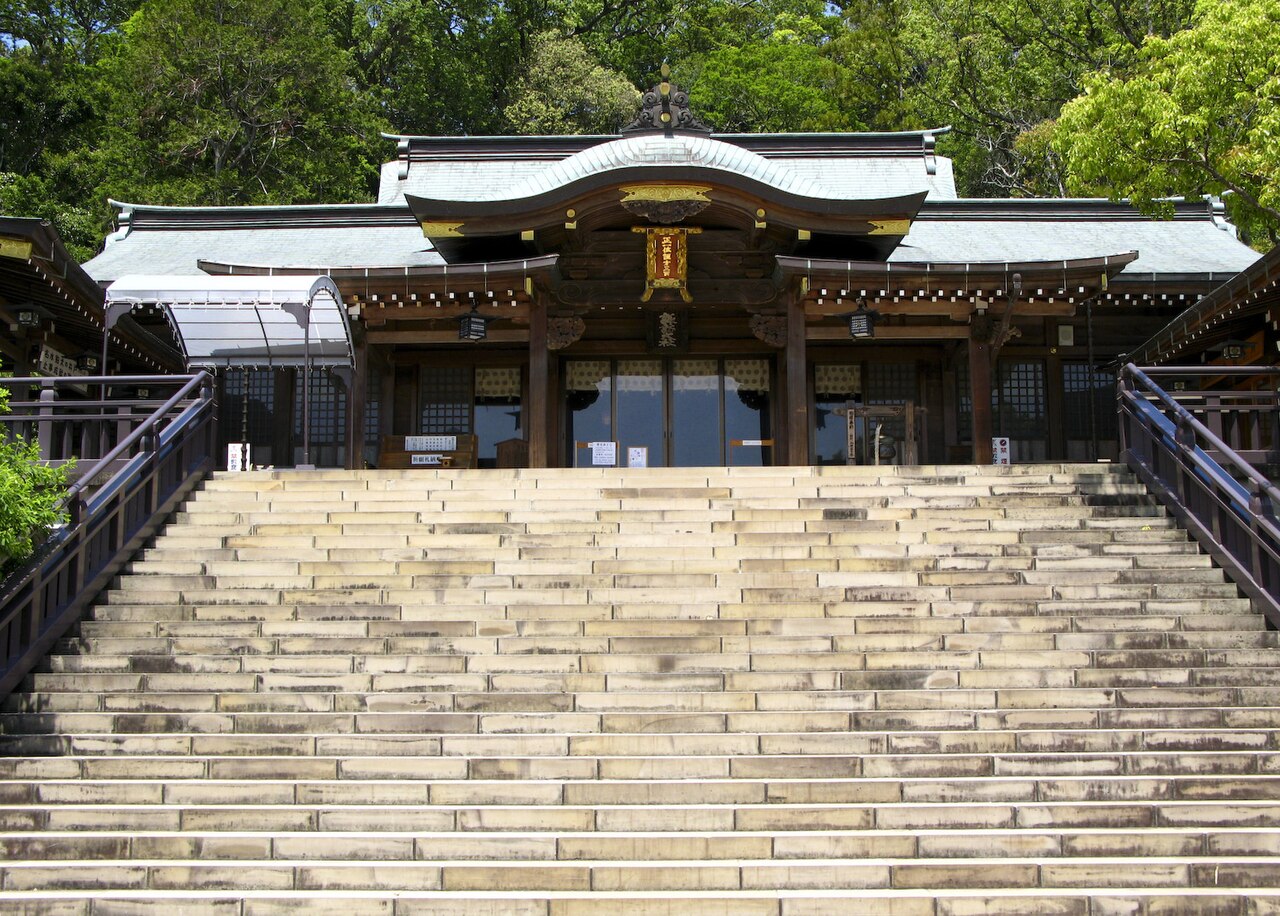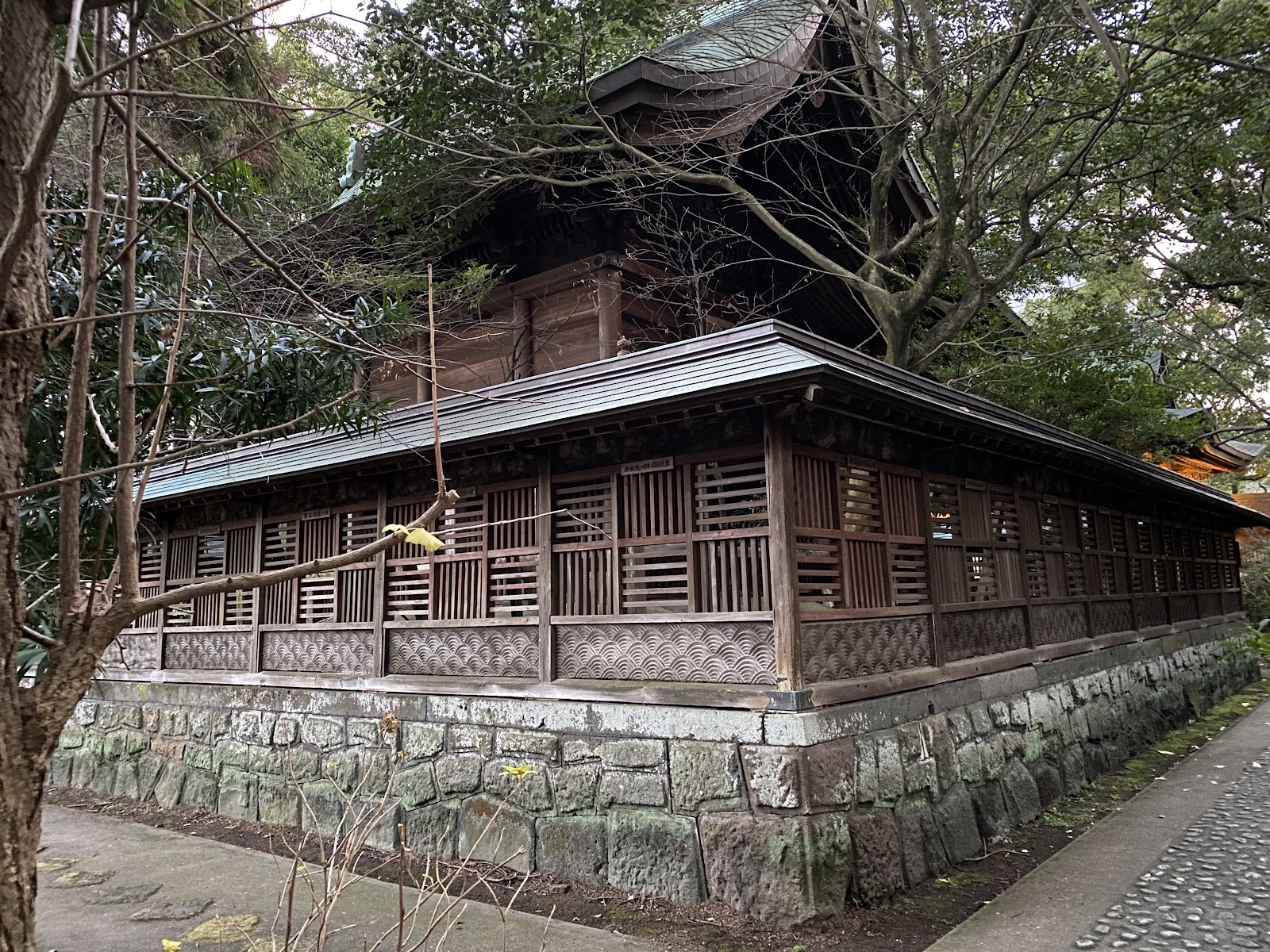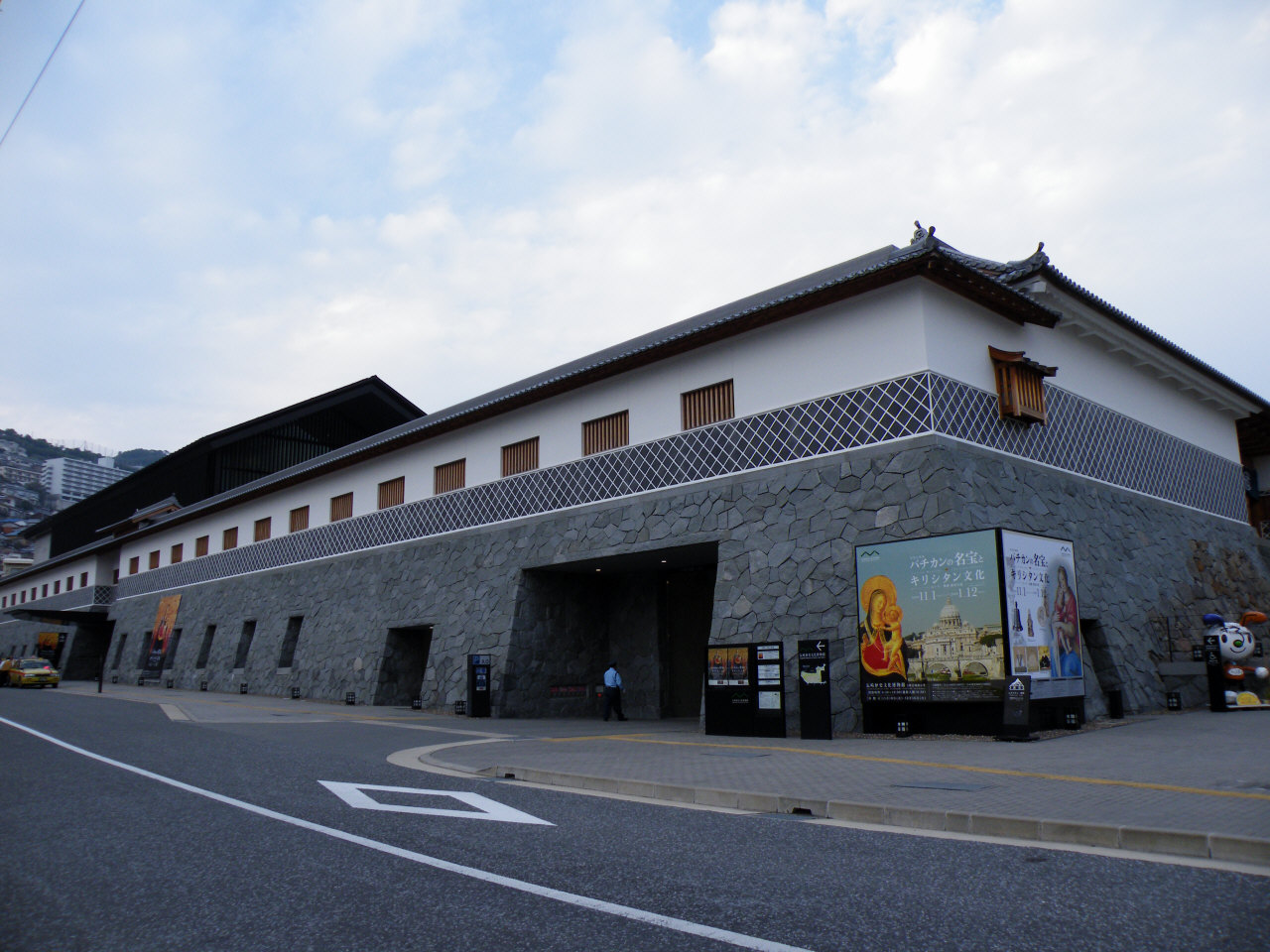
A rich museum devoted to Nagasaki's history as Japan's window on the world, with a reconstructed Edo magistrate's office.
The Nagasaki Museum of History and Culture is the finest place to understand what made Nagasaki unique: its centuries as Japan's principal gateway for foreign trade and cultural exchange. Opened in 2005 on the site of the former Nagasaki Magistrate's Office, it focuses specifically on the city's history of overseas contact — with China, the Netherlands and beyond — and combines a strong collection with imaginative, engaging displays.
Nagasaki's historical importance is hard to overstate. During the more than two centuries of the Edo period, when Japan was largely closed to the outside world, Nagasaki was the single official channel through which foreign trade and knowledge were permitted to flow: the Dutch on the fan-shaped island of Dejima and the Chinese in their designated quarter conducted commerce here under close government supervision. Through this narrow window came not only goods but also Western science, medicine, art and ideas — a body of learning known as "Dutch studies" (rangaku) that profoundly shaped Japan's later modernisation. The museum's permanent exhibition brings this story alive with thousands of artifacts: imported porcelain and glass, trade documents, maps, art influenced by foreign contact, and objects illustrating the daily workings of this cosmopolitan port.
A highlight that sets the museum apart is its partial reconstruction of the Nagasaki Bugyosho, the Edo-period magistrate's office that once stood on this exact site. The magistrate governed the city and, crucially, controlled and taxed the foreign trade, so this was the administrative heart of Japan's contact with the world. The faithfully rebuilt chambers, complete with the formal rooms where officials worked and justice was administered, give visitors a tangible sense of how the system operated, and on scheduled occasions costumed performers stage re-enactments of historic court proceedings, a lively touch that makes the past feel immediate.
Beyond the permanent galleries, the museum hosts changing special exhibitions and offers hands-on areas where visitors can try traditional crafts and activities, making it engaging for families as well as history enthusiasts. Clear bilingual signage helps international visitors, and the presentation strikes a good balance between depth and accessibility. A museum shop and a restaurant round out the facilities.
Because the whole visit is indoors, the museum is an ideal option for a rainy day or a break from the heat, and its central location makes it easy to combine with other sights. It complements the more sombre atomic-bomb attractions and the outdoor foreign-settlement district by filling in the long, fascinating backstory of why Nagasaki became such an international city in the first place.
Reached by tram to Sakuramachi and a short walk uphill, the museum rewards around ninety minutes, longer if a special exhibition or a re-enactment is on. For anyone who wants to grasp the depth and significance of Nagasaki's role as Japan's window on the world, it is the essential and enjoyable place to start.
A local's tip
The museum includes a faithful reconstruction of part of the Edo-period Nagasaki Magistrate's Office (Bugyosho) on its original site, with occasional live re-enactments of historic trials — a vivid touch you won't find in most history museums.
Best time to visit
Any time; an excellent rainy-day choice
Getting there
Take a Nagasaki tram to Sakuramachi, then walk about five minutes uphill to the museum, built on the site of the former Nagasaki Magistrate's Office.
Good to know
- Restrooms
- Restaurant
- Museum shop
Plan the whole trip offline
Nagasaki Museum of History and Culture is one of many places in the Real Japan app — with turn-by-turn directions, nearby spots and full offline maps you can use with no signal.