A futuristic all-weather stadium famous for its ingenious hovering-soccer-pitch design and a hovering observatory over the city.
Sapporo Dome is one of the most technically remarkable stadiums in the world and a landmark of modern engineering in Hokkaido's capital. Opened in 2001 and built to withstand the region's heavy snows, this vast silver structure was designed as a true all-weather, multi-purpose arena, and it solved a difficult problem with an ingenious and much-admired solution that continues to fascinate visitors and architects alike.
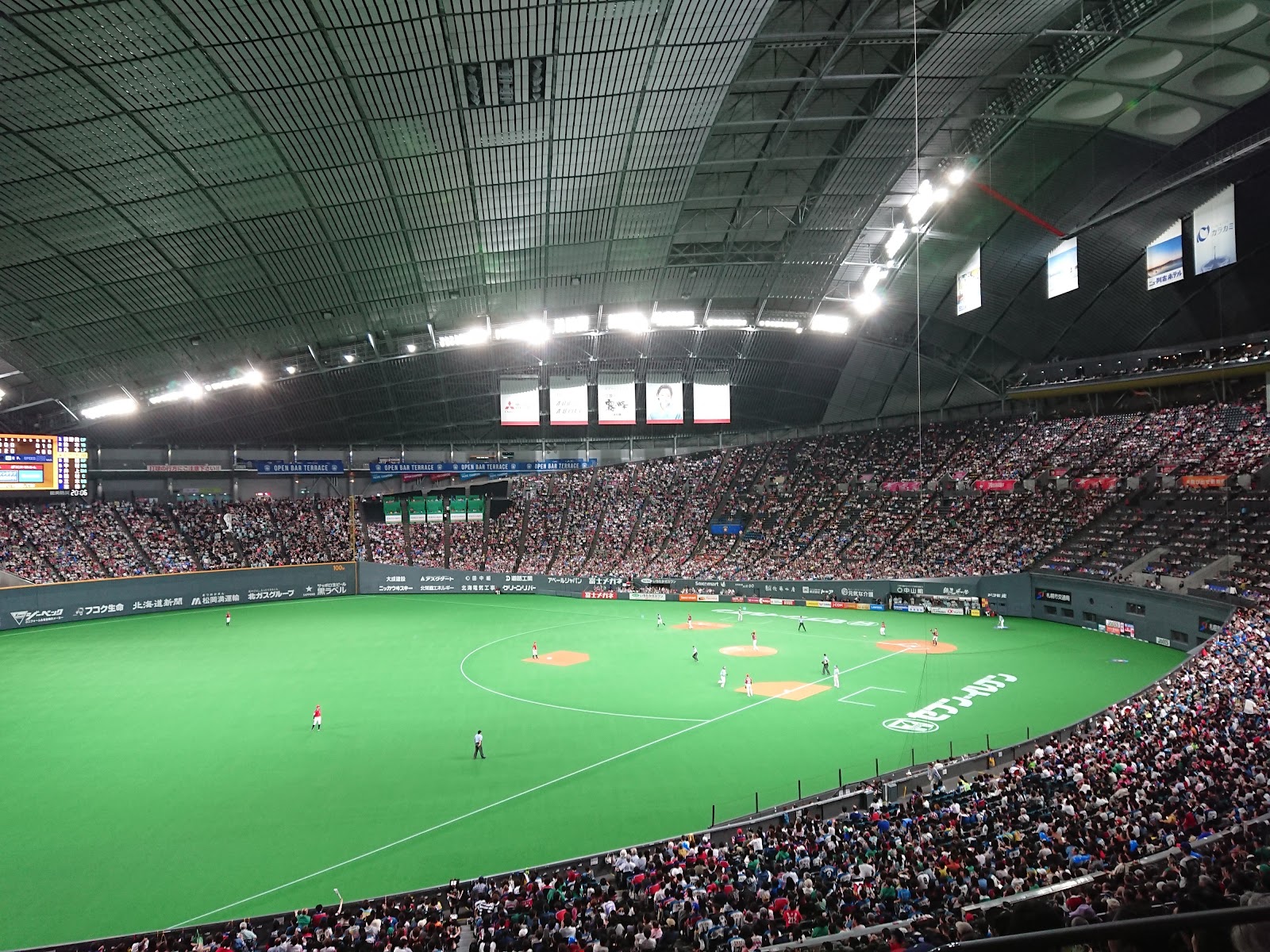
The dome's signature feature is its "hovering" natural-grass soccer pitch. Because baseball requires an artificial-turf infield while professional football demands real grass, the stadium was built so that an entire full-size grass pitch, grown outdoors in the sunlight, can be floated on a cushion of air and slid into the enclosed arena for football matches, then withdrawn again to reveal the baseball configuration beneath. This gliding-pitch system, allowing a single venue to host both a baseball diamond and a natural-grass football field, is a feat of engineering unique in its scale and remains the dome's most talked-about attraction. The stadium has staged events of global significance, including matches during major international football tournaments, as well as countless baseball games, concerts and exhibitions.
Beyond its role as a sports and concert venue, Sapporo Dome welcomes visitors as a sightseeing destination in its own right. A distinctive tilted outdoor escalator carries guests up the curving flank of the building to an observatory that appears to hover out from the roof, some fifty metres above the ground. From this elevated deck there are sweeping views over Sapporo, the surrounding suburbs and the distant mountains, and looking back you can appreciate the sleek, spaceship-like form of the dome itself. On non-event days the observatory and, at times, behind-the-scenes tours give a close look at the mechanics and scale of the arena.
The dome has long been woven into the sporting life of the city, having served as a home ground for professional baseball and football, and it continues to host major concerts by top Japanese and international artists, trade shows and community events. Checking the event calendar before visiting is worthwhile, both to catch a game or show and to confirm observatory access, which varies around scheduled events.
Getting there is easy by subway. The dome is a ten-minute walk from Fukuzumi Station, the southern terminus of the Toho Subway Line, roughly fifteen minutes from the city centre, so no car is needed. Admission to the observatory is inexpensive, while prices for games and concerts vary with the event. As a piece of bold, problem-solving architecture and a hub of Sapporo's entertainment life, the dome offers something a little different from the city's usual parks and historic sites, and its clever moving pitch makes it a genuinely intriguing stop for anyone interested in modern design and engineering.
A local's tip
Ride the tilted outdoor escalator up to the hovering observatory for a sweeping view over the city and the dome's futuristic silver shell.
Best time to visit
Event days for atmosphere; clear days for the observatory
Getting there
A 10-minute walk from Fukuzumi Station, the terminus of the Toho Subway Line, about 15 minutes from central Sapporo.
Good to know
- Wi-Fi
- Gift Shop
- Restrooms
- Restaurant
Plan the whole trip offline
Sapporo Dome is one of many places in the Real Japan app — with turn-by-turn directions, nearby spots and full offline maps you can use with no signal.