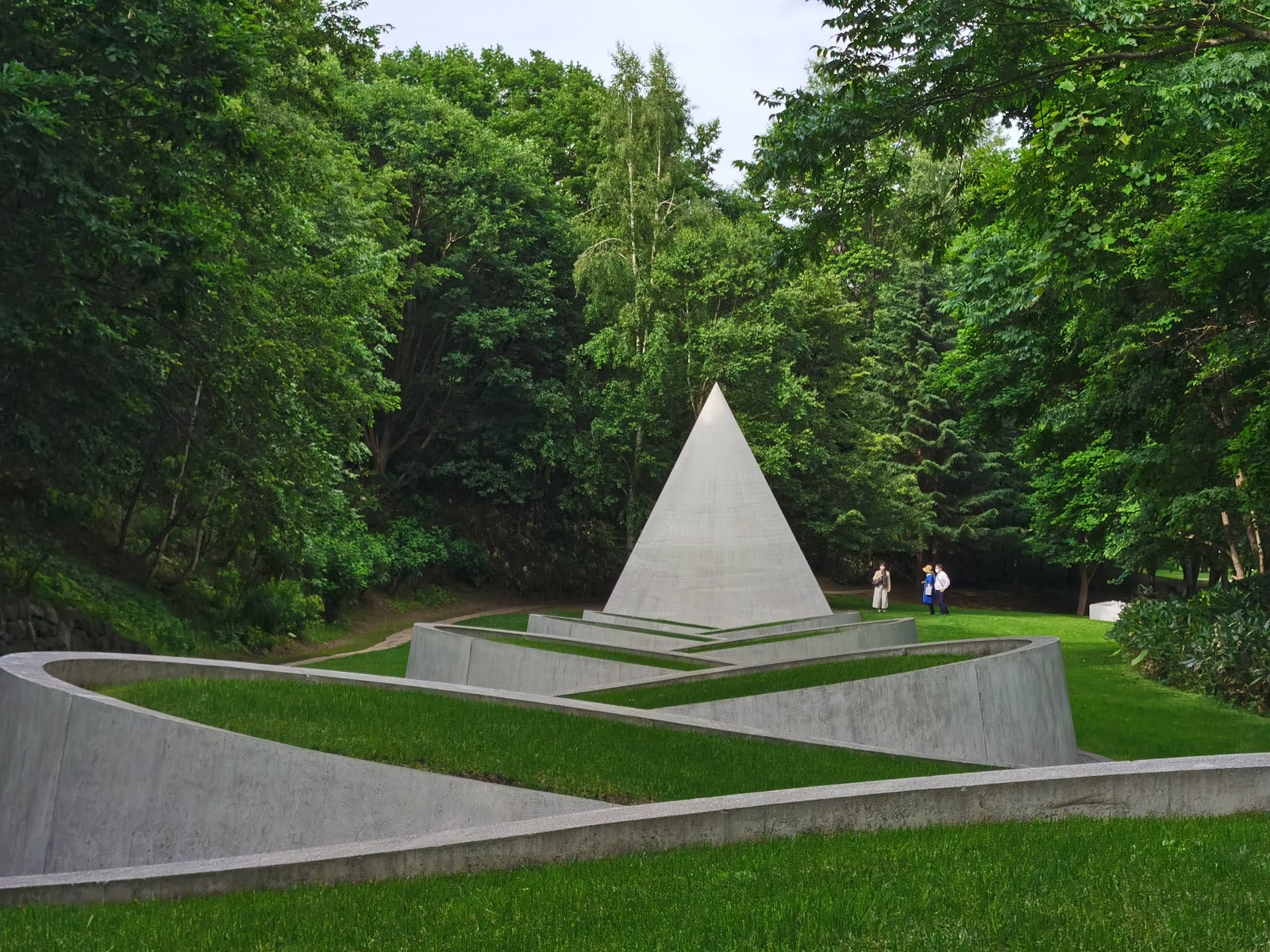
A sprawling open-air complex where a wooded sculpture garden, craft studios and a museum blend art into the forested hills south of Sapporo.
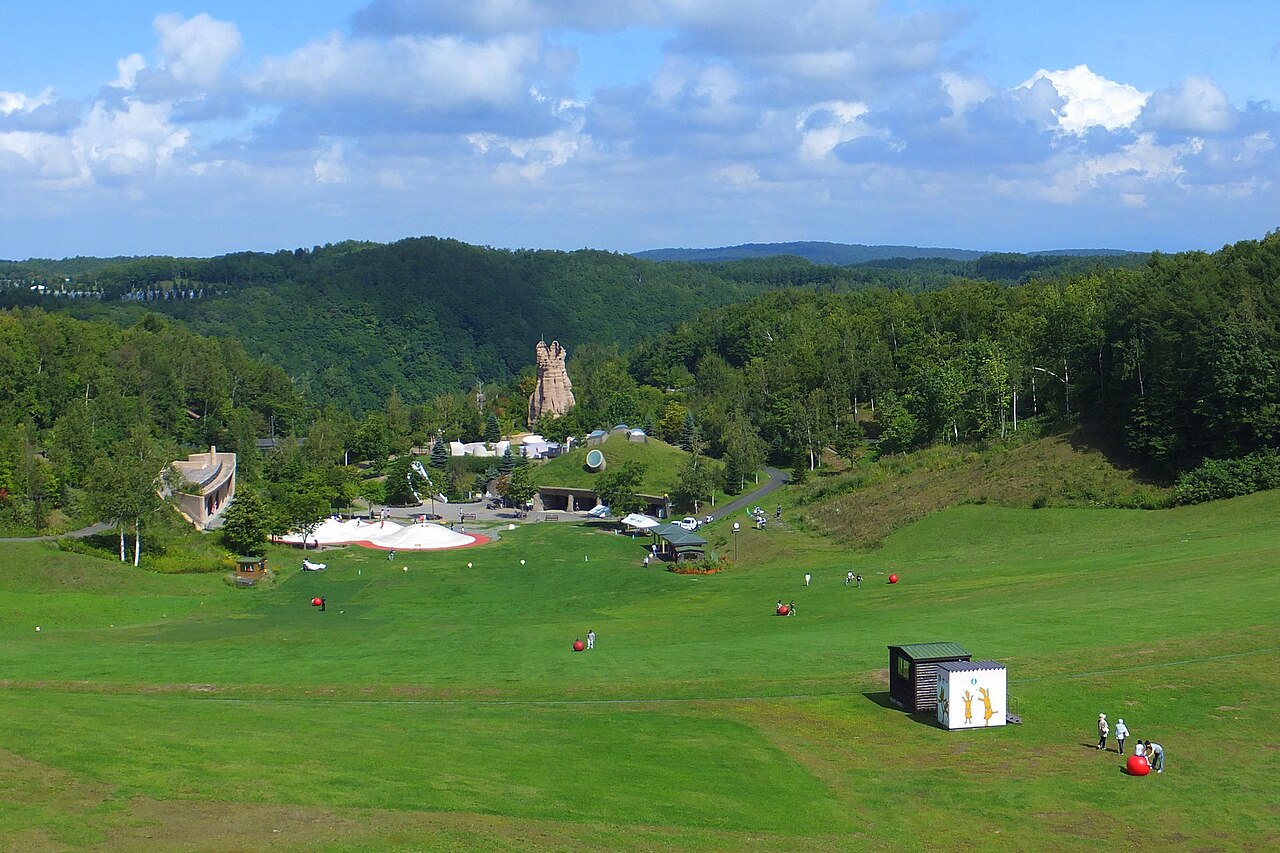
Sapporo Art Park, known in Japanese as Sapporo Geijutsu no Mori, or the Forest of Arts, is an expansive open-air cultural complex in the wooded hills of Minami-ku, on the southern fringe of the city. Opened in 1986, it was conceived as a place where art and nature meet, and it succeeds on a scale few urban museums can match: rather than hanging pictures indoors, it sets sculpture among real forest, links workshops and studios along shaded paths, and turns a whole hillside into a work of art you walk through.
The centrepiece is the Sculpture Garden, a large landscaped area where dozens of works by Japanese and international artists are placed across meadows, streams and stands of trees. The setting is the point: pieces are arranged so that they catch changing light, frame views of the valley, or surprise you around a bend in the path. In summer the garden is lush and green, in autumn the surrounding maples and birches turn gold and crimson around the sculptures, and in winter, though access is reduced, the snow transforms the whole landscape into something quietly magical.
Beyond the garden, the park includes an art museum with rotating exhibitions, an outdoor concert hall famous for hosting the Sapporo City Jazz and other music events, and a cluster of craft studios where visitors can watch or try glass-blowing, weaving, woodwork and printmaking. This working, hands-on dimension is what sets the Art Park apart from a conventional gallery; it feels like a living creative community rather than a static display, and it is genuinely popular with families and school groups.
A notable feature is the park's dedication to public art and craft as part of everyday life, an ideal it shares with the Scandinavian countries that Hokkaido so often resembles in climate and light. The scale invites a slow visit; this is somewhere to wander, picnic, and let the pace of the forest set the rhythm rather than rushing between exhibits.
The visiting experience is relaxed and outdoors-focused, so comfortable shoes and weather-appropriate clothing matter. The trails through the sculpture garden are gently undulating and can be muddy after rain, but the main routes are manageable for most visitors, and there are cafés, restrooms and a good shop on site. Allowing around two and a half hours lets you enjoy the garden, the museum and a workshop demonstration without feeling hurried; art enthusiasts could happily stay all day.
The best time to visit is from late spring through autumn, when the outdoor sculpture garden is fully open and the forest is at its most beautiful; the autumn koyo in particular is spectacular here. Winter visits are possible but with limited access to the outdoor areas.
Getting there involves a short onward trip from the city. Take the subway Namboku Line to its southern terminus at Makomanai Station, then a bus bound for Sapporo Geijutsu no Mori, a ride of about fifteen minutes, which drops you near the entrance. Drivers will find parking and a run of roughly thirty minutes from the centre, making the Art Park an easy and rewarding half-day escape into the creative side of Hokkaido's nature.
A local's tip
Wear comfortable shoes: the sculpture garden is spread across wooded hillside trails and rewards a slow, full loop.
Best time to visit
Late spring to autumn for the open-air sculpture garden
Getting there
Take the subway Namboku Line to Makomanai Station, then a bus bound for Sapporo Geijutsu no Mori (about 15 minutes). By car it is roughly 30 minutes from central Sapporo.
Good to know
- Cafe
- Parking
- Restrooms
- Museum Shop
Plan the whole trip offline
Sapporo Art Park is one of many places in the Real Japan app — with turn-by-turn directions, nearby spots and full offline maps you can use with no signal.