One of Japan's three great Inari temples, a vast hillside complex of red torii, ornate halls, and pilgrim paths.
Saijo Inari, formally the Buddhist temple Myokyoji, is a vast and colourful religious complex on the northwestern edge of Okayama City and is counted among Japan's three great Inari sites. With a history stretching back over a thousand years, it is dedicated to the Inari deity associated with harvest, business prosperity, and good fortune, and it draws large numbers of worshippers, particularly at New Year, when it becomes one of the region's most popular destinations for hatsumode, the first shrine or temple visit of the year.
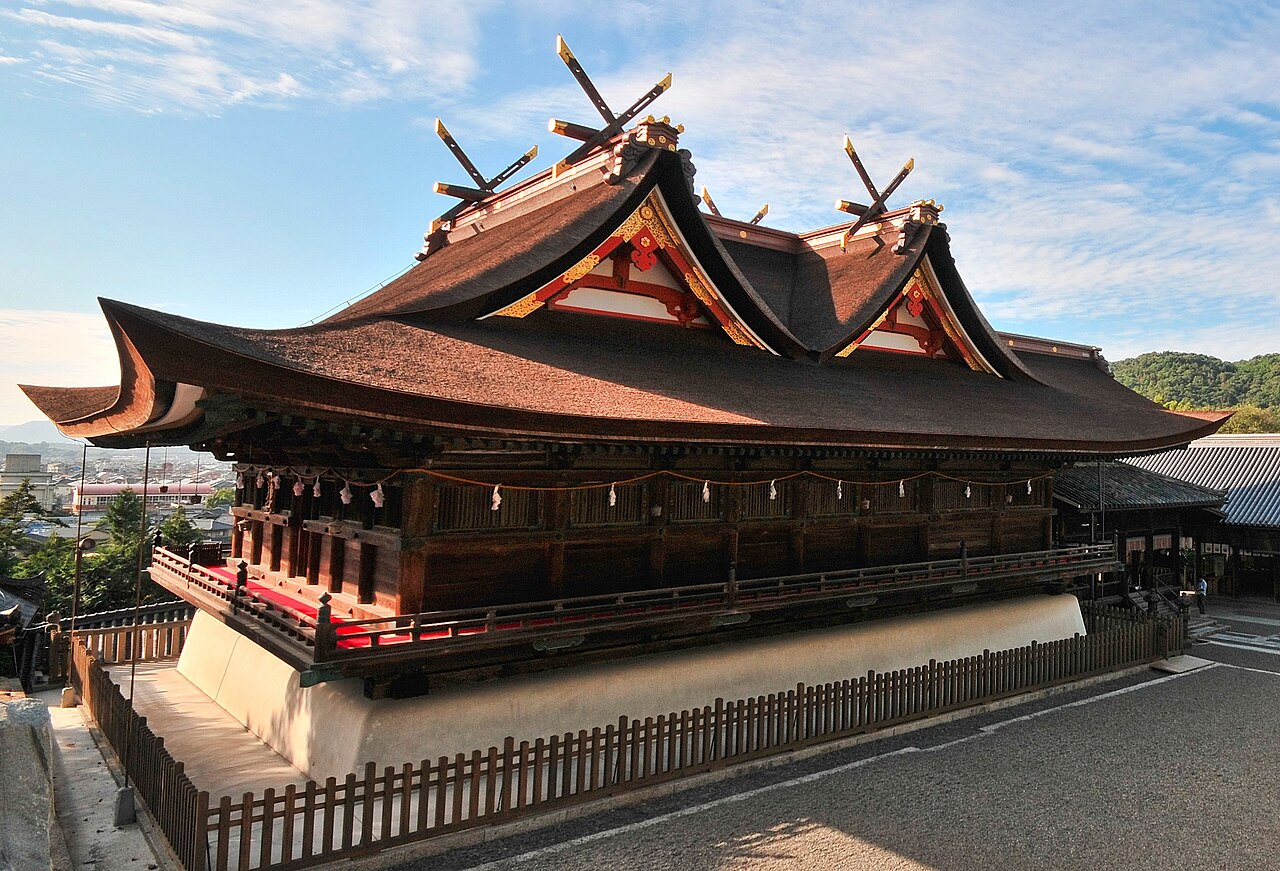
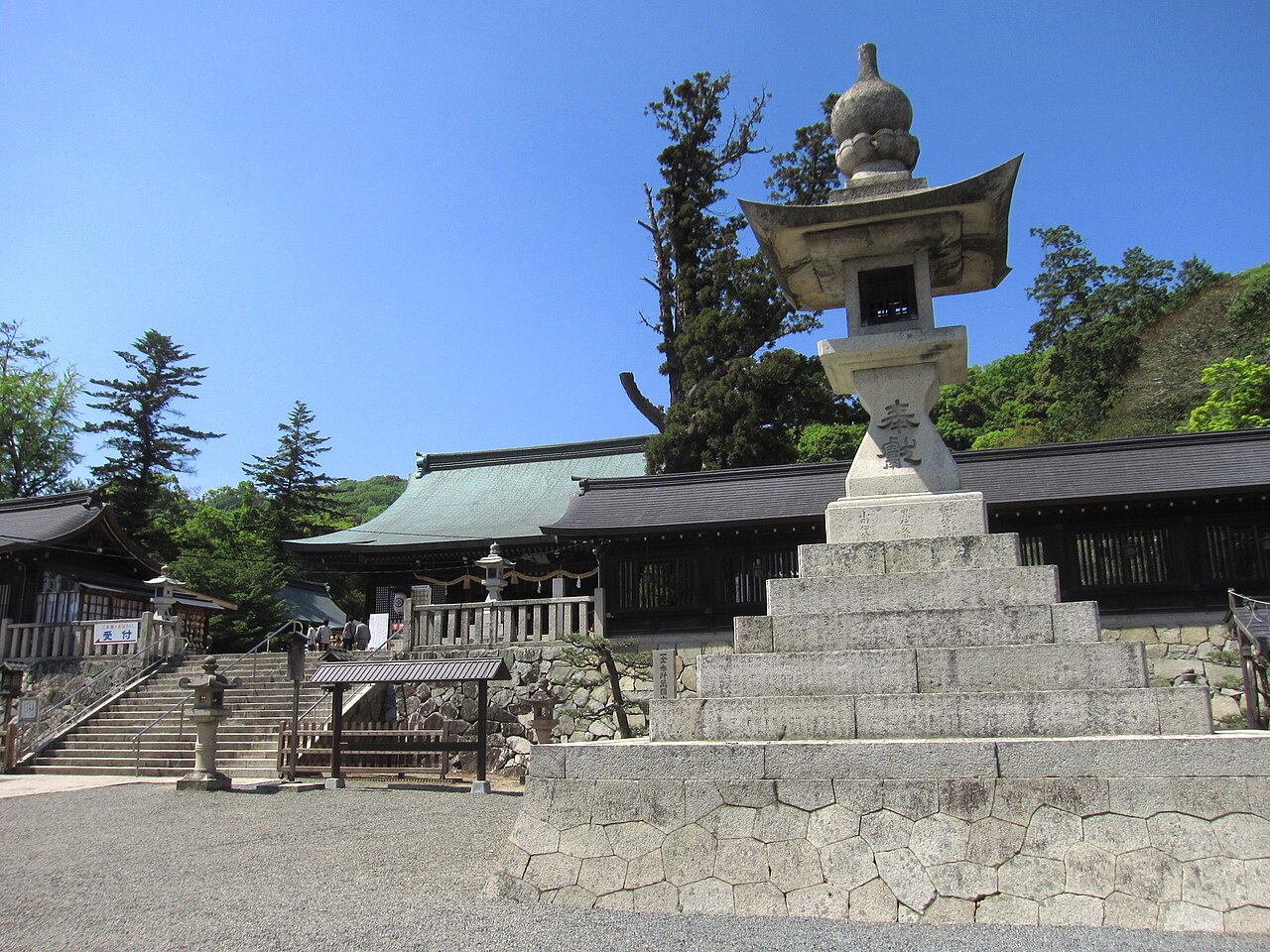
Unusually, Saijo Inari blends Buddhist and Shinto elements, reflecting the syncretic nature of Inari worship. The sprawling hillside grounds are approached through grand gates and lined with the vivid red torii that mark Inari sites across Japan, leading up past ornate, richly decorated halls, guardian fox statues, and shops and food stalls catering to pilgrims. The scale and theatricality of the architecture, all bold reds, gilding, and dragons, set it apart from the more restrained temples elsewhere in the prefecture, and give a visit a lively, festival-like energy even on ordinary days.
Exploring the complex is a rewarding walk. Beyond the main worship hall, paths climb the hill to an inner sanctuary area, a quieter and more mystical upper section threaded with torii and smaller shrines that many day-visitors overlook. Along the way are spots for the usual Inari prayers for business success and prosperity, and the whole site has a busy, devotional atmosphere that offers real insight into living Japanese folk religion. Families come to pray, buy charms, and eat at the stalls, making it as much a social as a spiritual destination.
Seasonality centres on the festival calendar. New Year is the peak, when the grounds fill with hatsumode crowds, stalls, and a celebratory buzz; it is the most vivid time to experience the temple, though also the busiest. Spring brings cherry blossoms to the hillside and autumn adds foliage, both softening the bold architecture with natural colour, while ordinary weekdays offer a calmer, easier visit.
The grounds are free and effectively open at all hours, with the halls accessible during daylight and ample parking, restrooms, and food stalls on site. By public transport, take the JR Kibi Line from Okayama Station toward Bizen-Ichinomiya, then a short bus or taxi ride to the temple, roughly half an hour in total; driving is simple and convenient. Allow around 75 minutes to explore the main halls and climb to the inner sanctuary. For anyone interested in Japan's Inari worship, Saijo Inari is one of the country's most important and impressive examples.
A local's tip
Walk up through the towering red torii and the atmospheric 'Okunoin' inner sanctuary path behind the main hall; most visitors miss this quieter, more mystical upper section.
Best time to visit
New Year for festive crowds; any clear day for the hillside grounds
Getting there
From JR Okayama Station take the Kibi Line toward Bizen-Ichinomiya, then a bus or taxi to the temple (about 30 minutes total). Driving is straightforward with ample parking.
Good to know
- Parking
- Restrooms
- Food Stalls
Plan the whole trip offline
Saijo Inari Myokyoji is one of many places in the Real Japan app — with turn-by-turn directions, nearby spots and full offline maps you can use with no signal.