A graceful five-storey pagoda rising over the Kibi Plain rice fields - the region's iconic view.
Bitchu Kokubunji is a historic Buddhist temple on the Kibi plain west of Okayama, and its elegant five-storey pagoda is one of the most photographed and beloved sights in the region. Rising some 34 metres above a sea of rice paddies and seasonal flower fields, the pagoda has become the enduring symbol of the pastoral Kibi countryside and a highlight of the popular cycling route that threads through it.
The temple's roots run deep. It stands on the site of one of the provincial temples (kokubunji) that Emperor Shomu ordered established in every province in the 8th century to protect the nation through Buddhism, making this a place of ancient significance. The temple was later revived, and the present pagoda dates from the Edo period, built in the early-to-mid 19th century. Constructed in traditional style with unpainted timber and vermilion accents, it rises in five diminishing tiers to a slender finial, a graceful silhouette that draws the eye from far across the flat plain.
What makes Bitchu Kokubunji so beloved is the way the pagoda meets the landscape. Through the seasons the surrounding fields change dramatically: bright yellow rape blossoms in spring, lush green rice in summer, and drifts of pink and white cosmos in autumn, all providing a foreground for the timeless tower. Photographers flock here at sunrise and sunset, when low light gilds the pagoda and the flowers glow, to capture the quintessential image of rural Okayama. Few scenes better express the quiet beauty of the Japanese countryside.
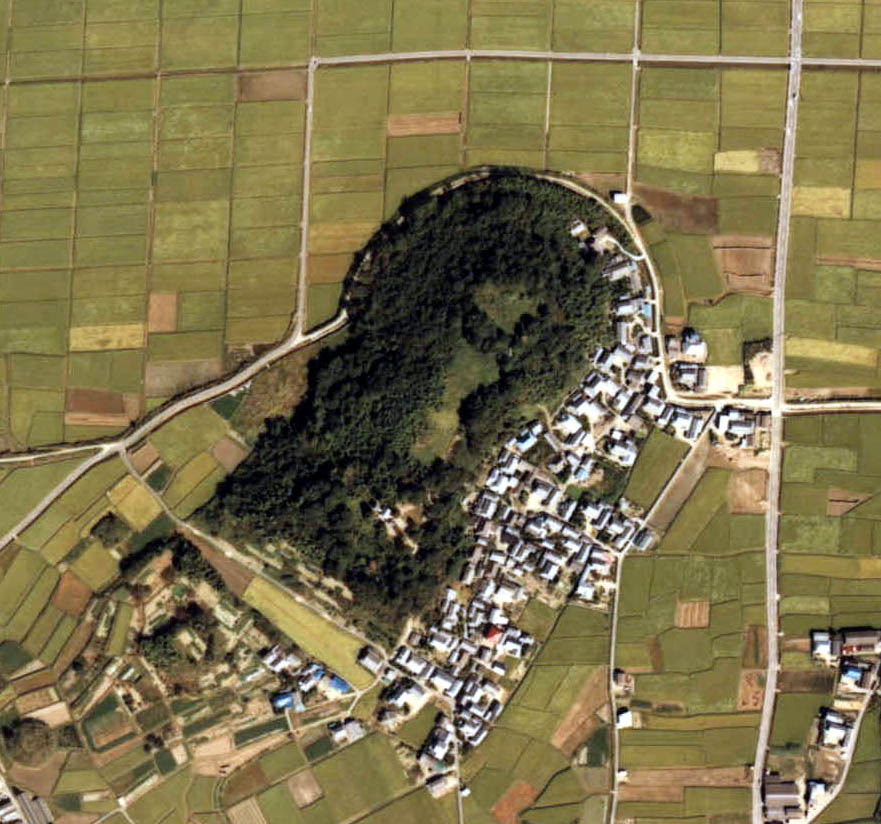
Visiting is a serene, unhurried experience. The temple grounds are open and free to enter, and beyond the pagoda there are worship halls, old stone monuments and the peaceful atmosphere of a working temple set among farmland. The site sits roughly midway along the flat, roughly 17-kilometre Kibi Plain cycling route between Bizen-Ichinomiya and Soja, and arriving by rented bicycle - pausing among the fields with the pagoda ahead - is the classic and most rewarding way to experience it.
The grounds are largely flat and easy to walk, making the temple reasonably accessible, though it is some distance from the nearest station and best reached by bike or taxi. A visit takes around 50 minutes, longer if you linger for photographs or explore the wider temple precinct and nearby ancient tombs.
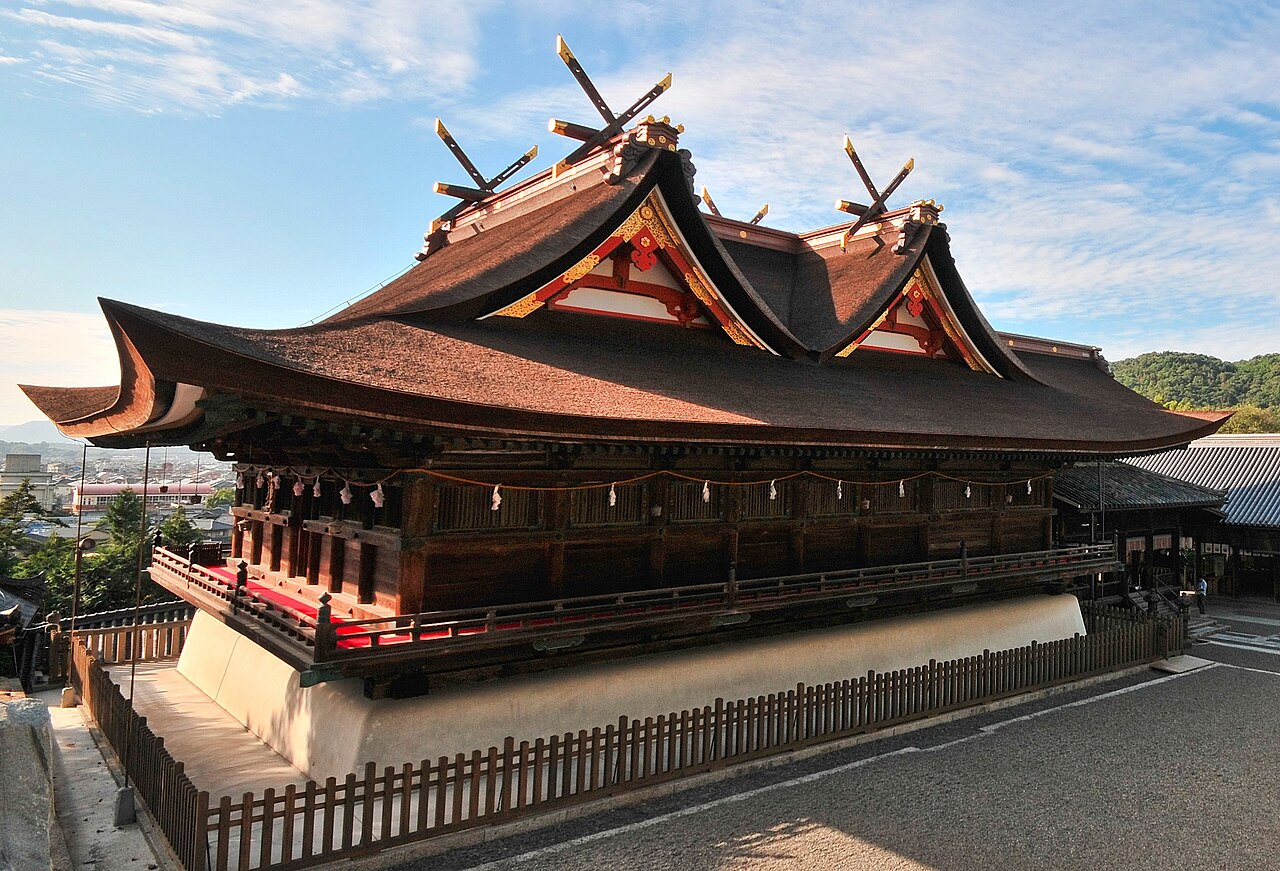
Spring and autumn, with their flowers and mild weather, are the finest times to come, and each offers a different palette around the pagoda. Combining Bitchu Kokubunji with the Kibitsu shrines, the great Tsukuriyama tomb and a leisurely cycle through the plain makes for one of the most memorable day trips in the Okayama region - a journey through both ancient history and living countryside, crowned by this most photogenic of pagodas.
A local's tip
This is the iconic photo of the Kibi Plain - the vermilion-and-wood five-storey pagoda framed by seasonal flowers, best at sunrise or sunset.
Best time to visit
Spring for rape blossoms, autumn for cosmos around the pagoda
Getting there
Best reached by bicycle on the Kibi Plain cycling route, or by taxi from Soja Station; the five-storey pagoda rises above the rice fields.
Good to know
- Bike Rest
- Restrooms
Plan the whole trip offline
Bitchu Kokubunji Temple is one of many places in the Real Japan app — with turn-by-turn directions, nearby spots and full offline maps you can use with no signal.