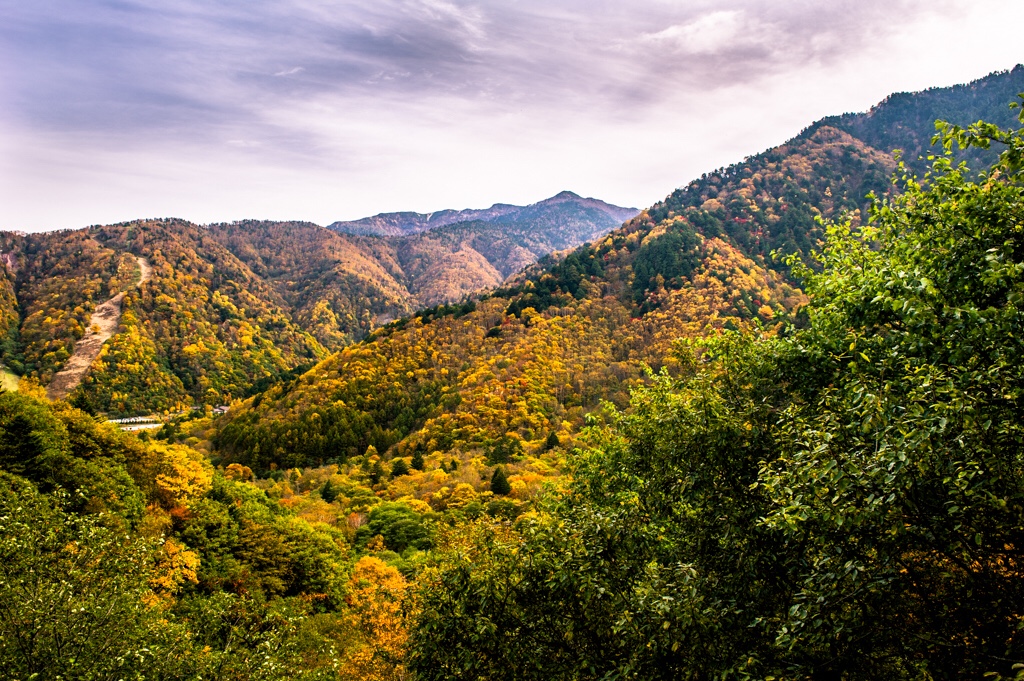
A string of five hot-spring villages set deep in a Northern Alps valley, famed for having Japan's greatest concentration of open-air baths.
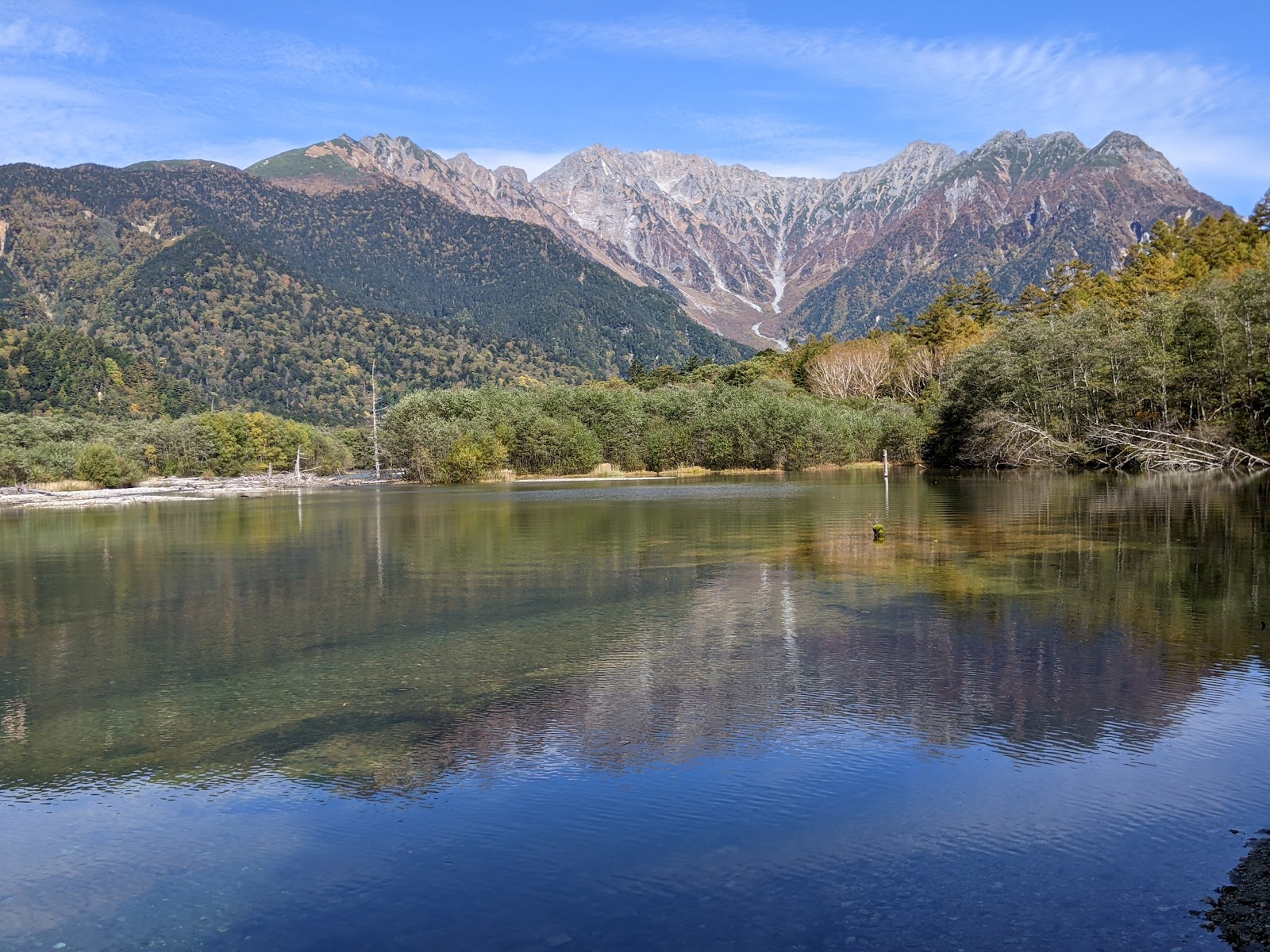
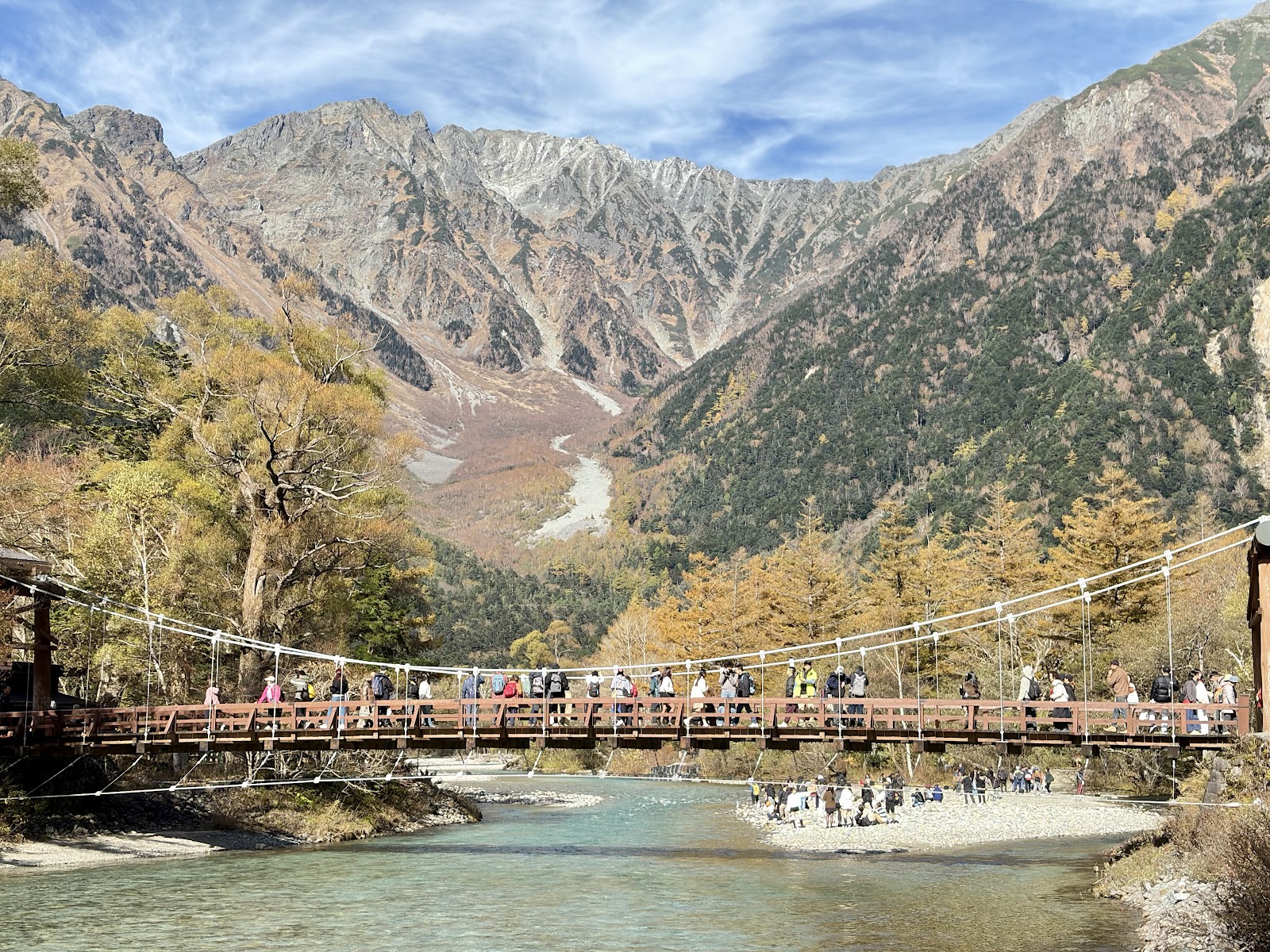
Okuhida Onsengo — the 'hot springs of deep Hida' — is a chain of five spa villages strung along a high valley on the flanks of the Northern Japan Alps, all within the sprawling boundary of Takayama city. Hirayu, Fukuji, Shin-Hirayu, Tochio and Shinhotaka each have their own character, but together they form one of the most scenic and least commercialised hot-spring regions in the country, hemmed in by 3,000-metre peaks and threaded by mountain rivers. For travellers, Okuhida is both a place to soak and a base for exploring some of the finest alpine landscapes in Japan.
The defining feature of the area is its water. Okuhida is often said to have the greatest number of open-air baths, or rotenburo, of anywhere in Japan, and bathing here is inseparable from the natural setting. Many baths sit beside rushing rivers or look straight out at forested slopes and snow-capped ridges; several are free or donation-based, tucked into the roadside or the riverbank, so a day in the valley can be spent moving from one steaming pool to the next. In winter the experience reaches its peak, when bathers sit chin-deep in hot mineral water while snow falls silently around them and clings to the pines — the quintessential image of a Japanese mountain onsen.
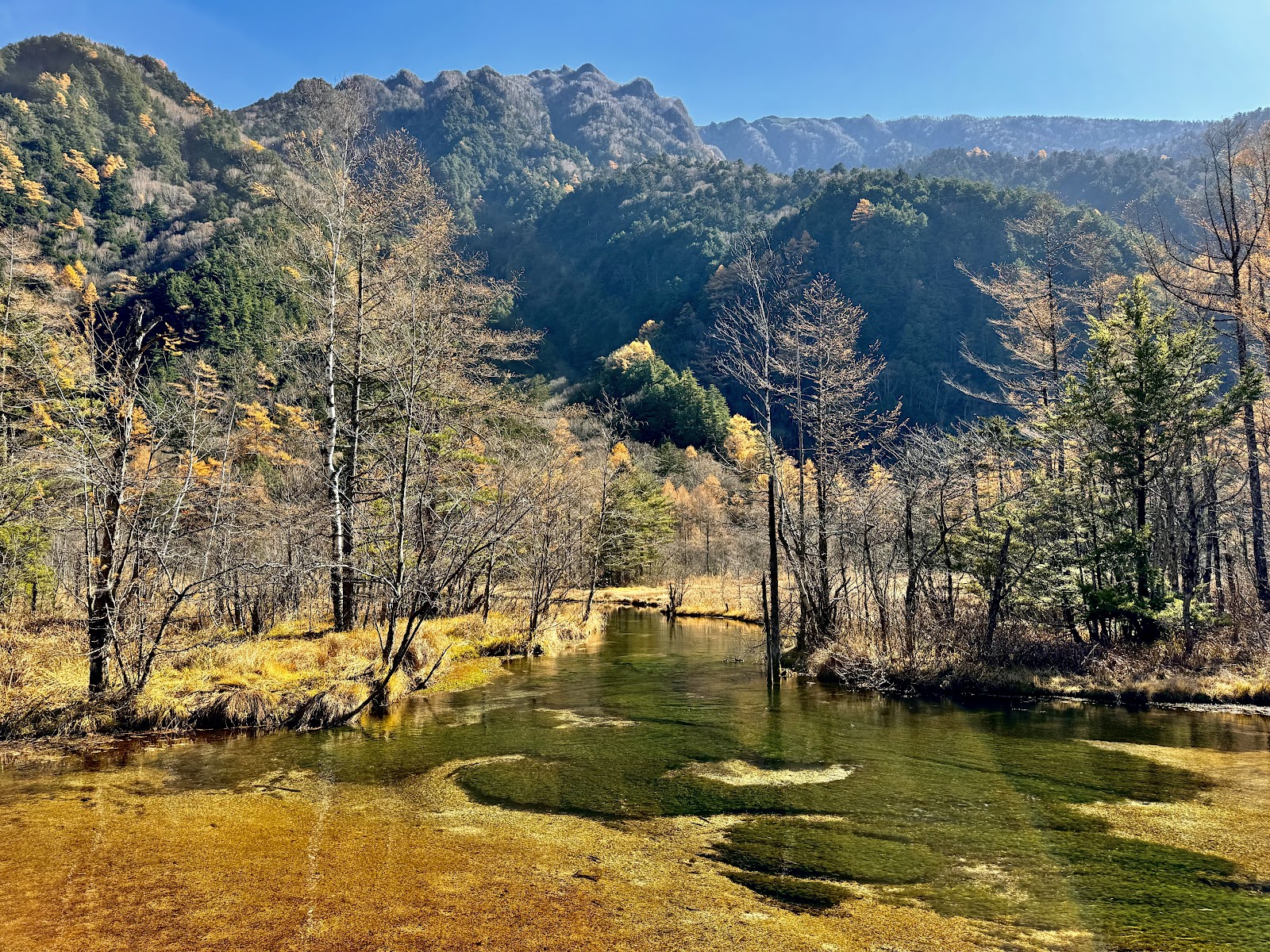
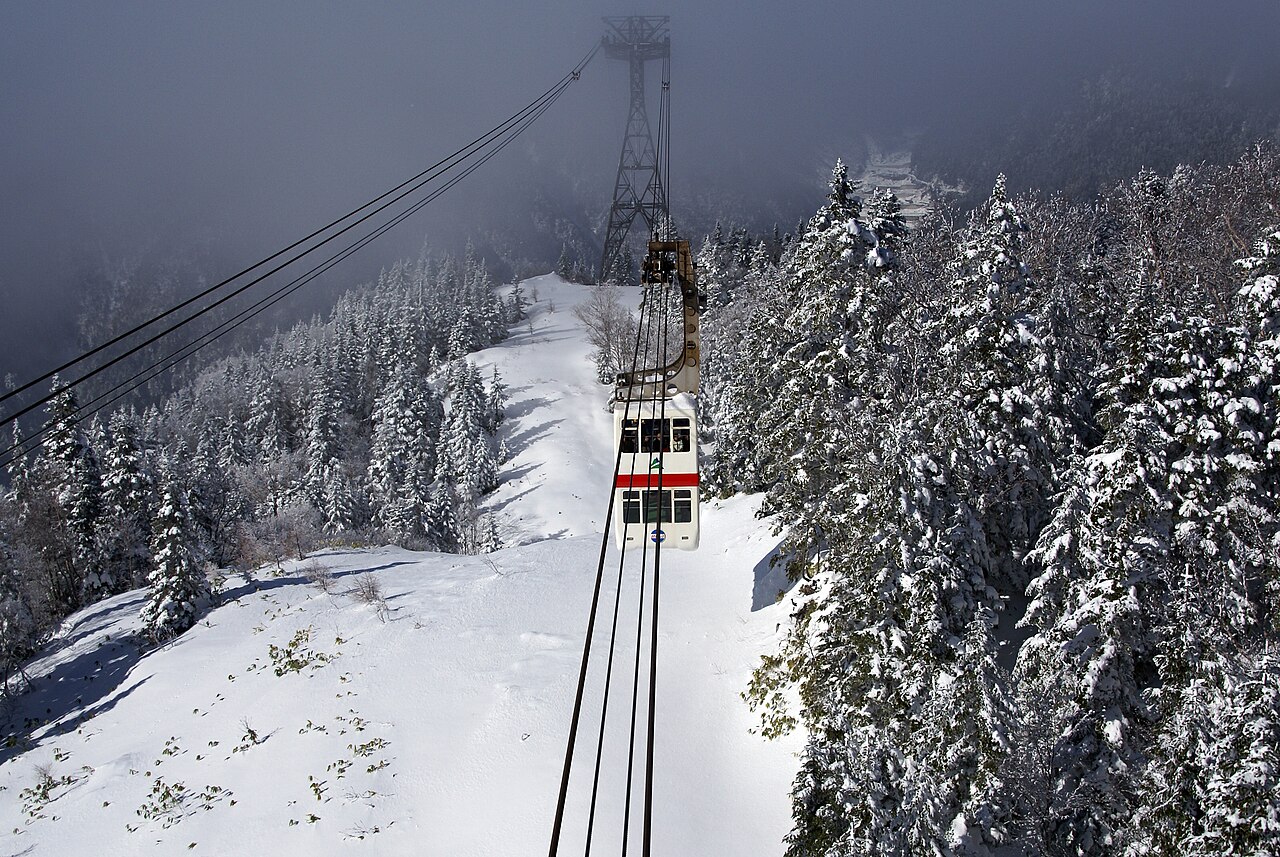
Beyond the baths, the valley is a hub for outdoor sightseeing. Hirayu Onsen, the oldest and highest of the five villages, is the transport nexus: from its bus terminal, services fan out to the Shinhotaka Ropeway, up the Norikura Skyline to Tatamidaira, and across to Kamikochi. Hirayu is also home to the thundering Hirayu Great Falls and a small folk museum, while the surrounding hills offer walking trails, fresh green in summer and blazing colour in autumn. The landscapes created by nature here — waterfalls, mountain streams and villages where traditional mountain life still endures — reward simply wandering and stopping where the view is good.
Practically, Okuhida makes an excellent counterpoint to the culture and history of central Takayama. Where the old town offers merchant streets and morning markets, the hot-spring villages offer nature, quiet and steam. Many visitors stay overnight in a ryokan to make the most of the baths at dawn and dusk, but the area also works as a long day trip. Direct Nohi buses connect Takayama Station with Hirayu Onsen in about an hour, and local buses link the five villages from there; a rental car adds flexibility for reaching the more remote baths and trailheads.
Whatever the season, come prepared for mountain weather — the valley sits at altitude and is markedly cooler than the town below, with heavy snow in winter. Bring a small towel for the baths, cash for the honesty-box rotenburo, and time to slow down. Okuhida rewards travellers who treat it not as a checklist of sights but as a place to breathe the alpine air and soak in the water the mountains provide.
A local's tip
Okuhida claims more open-air rotenburo baths than anywhere else in Japan — several riverside and roadside baths are free or donation-based, so ask at the Hirayu tourism desk for the current list before you set off.
Best time to visit
Snowy winter for open-air baths; autumn colour and fresh-green summer
Getting there
Direct Nohi buses run from Takayama Station to Hirayu Onsen (about 60 minutes), the transport hub for the five villages; local buses continue on to Fukuji, Shin-Hirayu, Tochio and Shinhotaka.
Good to know
- Parking
- Restrooms
- Hot Springs
Plan the whole trip offline
Okuhida Onsengo is one of many places in the Real Japan app — with turn-by-turn directions, nearby spots and full offline maps you can use with no signal.